

Qualitative-research

A clear methodology is the cornerstone of qualitative research as it helps us to understand human experiences, behaviors, and decision-making processes. In contrast to quantitative research, which is based on numeric measures, qualitative research methodology for business focuses on meaning, perceptions, and contextual aspects. Qualitative research methodology usually consists of choosing a research paradigm, defining a research design, gathering information and doing qualitative research data analysis to produce some meaningful findings.
Research philosophy is important in order to establish the methodology and choose types of qualitative research methods. There are three main philosophical paradigms used in qualitative research: positivism, interpretivism, and realism.
Positivism
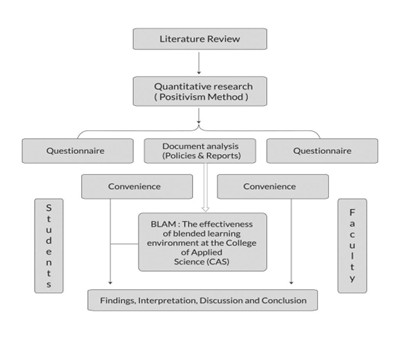
According to the principle of positivism, there is reality outside human perception and it can be investigated through systematic observation and proof. While being more applicable to qualitative vs quantitative research comparison, positivism can be also utilized in business-oriented research aiming at obtaining objective explanations for phenomena under investigation.
Interpretivism
The interpretivist philosophy is the most used philosophy in interpretive research. Interpretivism understands that people develop unique meanings due to their experiences and social surroundings. Research tools that can be applied include in-depth interview research, focus group methodology, observation research method, and case study research method to examine the view of the respondents. Interpretivism enables the use of phenomenological research, grounded theory research, ethnographic research, and narrative inquiry research.
Realism
Realism has features from both positivism and constructivism philosophies in research. The realism philosophy considers that there is an external reality but also acknowledges the effect of social factors on how people understand the reality. Realist research are very common in business research methodology, market research qualitative projects, and organizational research.
To ensure rigor, researchers use such methodologies as purposive sampling method, thematic analysis, coding in qualitative research, content analysis research, document analysis research, and member checking qualitative. Use of advanced software such as NVivo qualitative analysis and ATLAS.ti analysis also helps in interpretative methodologies including discourse analysis, narrative analysis, and constant comparative method.
Firms looking for Statswork corporate research services, enterprise research consulting, research methodology consulting, or outsource qualitative research solutions apply these approaches in generating decision-maker research insights.