


Q & A
Statistical Programming & Biostatistics
Q3. How do you ensure accuracy and reliability in statistical results?

Ensuring the accuracy and validity of the statistical outcomes of research is essential for producing valid research results; to make this happen it requires the combination of rigorous method of analysis, effective quality control and the appropriate tools for analysing the data.
1. Sound Study Design and Planning
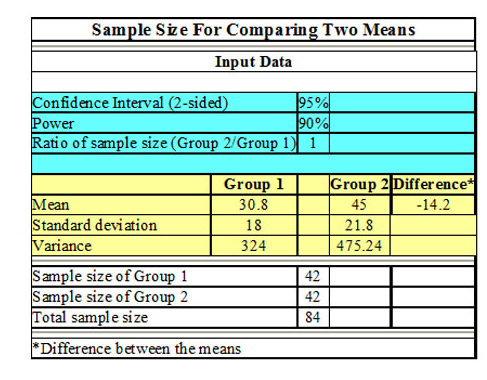
- The design stage is crucial for creating accurate study results. The level of bias and confounding within a study is decreased when there are clearly defined research objectives, the correct choice of study designs with appropriate study variables and statistical power/samples sizes (neither too small nor too large).
- The study design will improve the confidence level of the results through a stronger conclusion based on the original hypothesis. Stronger internal validity can also be created through randomization and appropriate control.
2. Rigorous Data Collection and Management
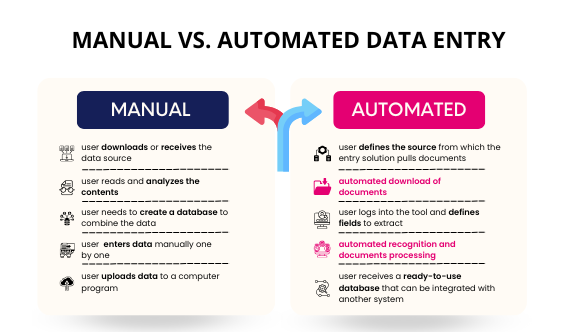
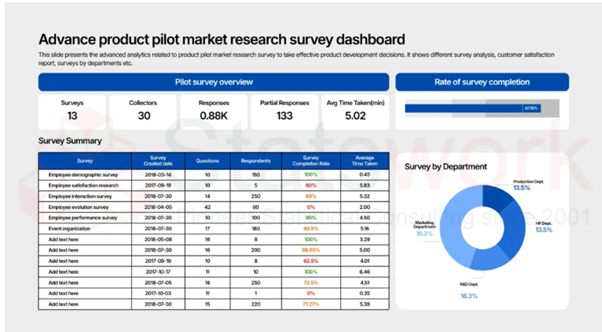
- High-quality data leads to reliable results. To minimize the number of errors in the data, standardised data collection protocols, validation checks, and consistency rules are enforced when collecting and creating the dataset.
- Data cleaning is done to deal with missing data, outliers, and inconsistent values using current statistical practices.
3. Selection of Appropriate Statistical Methods
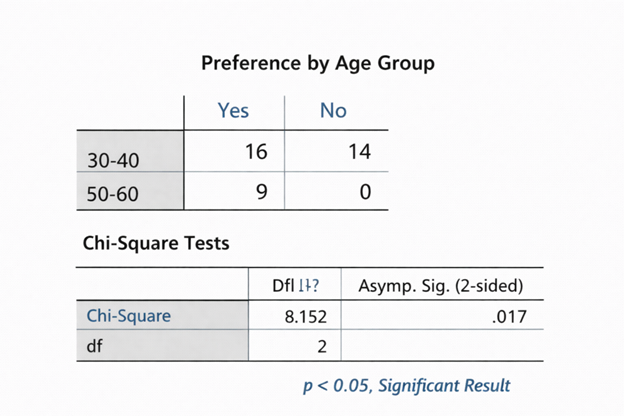
- The methods of analysis will depend on the type of data, distribution of the data, and the research objective(s). Model assumptions must be validated prior to using any model. If any assumptions have been violated, alternative model methods must be used.
- Following this process will ensure that the statistical inferences will be valid and scientifically accurate.
4. Reproducible and Transparent Statistical Programming
- Analyses of the datasets will be performed with the use of structured, properly documented code with version control capabilities.
- Due to the transparency of this code, any results produced from it can be independently reproduced, reviewed, and audited to reduce the likelihood of both computational and human error.
5. Validation, Review, and Sensitivity Analysis
- The final statistical result will be verified through model diagnostics, cross-checking, sensitivity analyses, and peer or independent review.
- All the steps above will verify the robustness and consistency of the results with respect to the different assumptions and therefore provide a dependable and credible statistical outcome.