
Q & A
Secondary Data Collection
Q: From Which Sources Do You Collect Secondary Data, and How Do You Evaluate Their Credibility?

Secondary data can be gathered from numerous locations. The type of insight and information provided will vary greatly from those of other sources. Determining the credibility of sources is critical to obtaining dependable and valid results from your research.
The following list contains examples of common sources that generate secondary data along with common methods for assessing credibility:
1.Government Publications:
- Statistical data published by government agencies are some of the most credible and authoritative data sources available.
- Information created by government entities undergoes strict scientific methodologies, thus being considered credible and reliable for both academic and political research results.
2.Academic Journals and Research Papers:
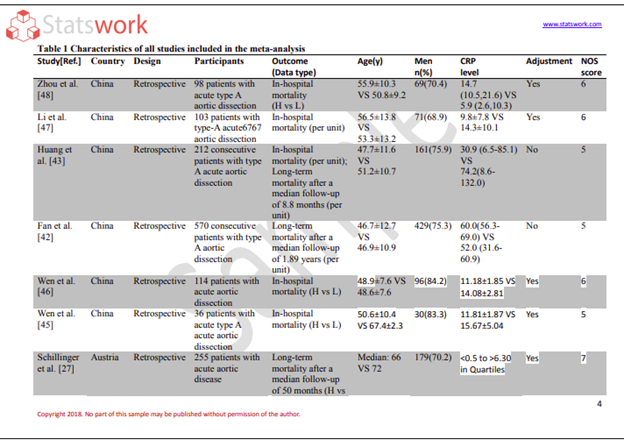
- Published research papers and peer-reviewed journal articles produce a vast amount of secondary data for researchers.
- Peer review of research papers ensures that the data has been rigorously evaluated before publication; however, researchers still need to assess the research methodology to ascertain the rigor of the study.
3.Industry Reports and Market Research:
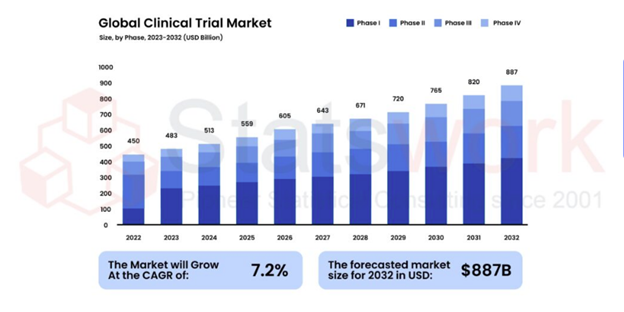
- Market Research Providers like Nielsen & Gartner provide good quality insight into consumer buying patterns, market trends, and business performance based on very credible data.
- Reports generated by reputable market research companies are considered credible sources if they have been produced by well-known firms who have a proven track record of providing accurate research.
4.Online Databases and Repositories:
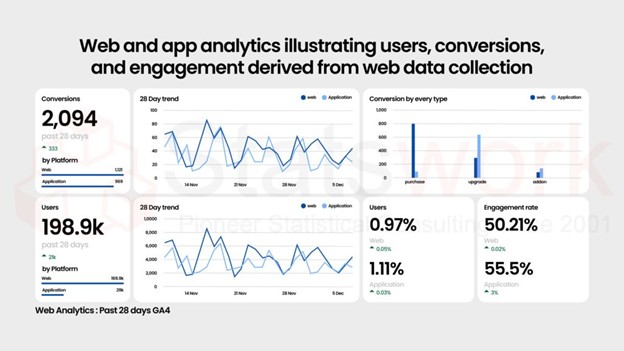
- Large publicly available online databases containing datasets created by agencies such as the World Bank and Data.gov, along with academic institution repositories provide generic access to large amounts of organised databases.
- It is important to evaluate the methodology used to capture the data to determine the accuracy of the data collected.
5.Historical Archives and Libraries:
- Archives containing historical documents, libraries and the data they contain offer excellent opportunities for longitudinal studies.
- Archives, libraries, and documents within them are useful resources and are generally considered credible if they originate from reputable, legitimate institutions such as universities/museums or government agencies.