

Q & A
Data Analysis
Q: What are the Different Types of Sampling Techniques Used by Data Analyst?

1.Probability Sampling (Random)
As all members of the population have a known, non-zero probability, representative sample results can be obtained.
- Simple Random Sampling (SRS) – All individuals have the same chance of being included in the sample, such as in drawing names from a hat.
- Systematic Sampling – Every element is selected from a list starting with a random element (for example, every 10th person).
- Stratified Sampling – The population is divided into strata, and a random sample is taken from each stratum; for example, sampling from different age categories.
- Cluster Sampling – The population is divided into clusters, with the clusters selected at random and the complete cluster sampled: for example, surveying all schools within a single school district.
2. Non-Probability Sampling (Non-Random)
Samples are selected based on the convenience or judgement of the researcher and not on chance. Typically employed for exploratory and/or qualitative research.
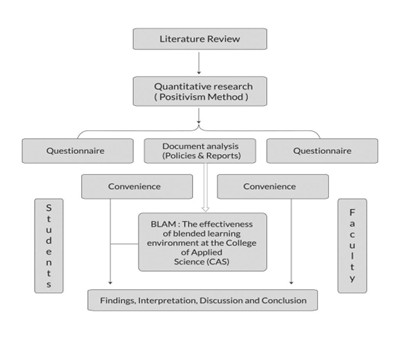
- Convenience Sampling – People who are easily available are selected to participate in studies (for example: surveying people in a shopping centre).
- Purposive or Judgemental Sampling – Participants are chosen according to predetermined criteria by the researcher.
- Quota Sampling – Very like Stratified Sampling, but samples are non-randomly selected to satisfy pre-existing quotas for certain strata.
- Snowball Sampling – Participants will indicate others who might be useful participants, this type of sampling is helpful when working with hidden or difficult-to-reach populations, including with certain rare diseases.