
- Services
- Data Analysis services
- Sample Work
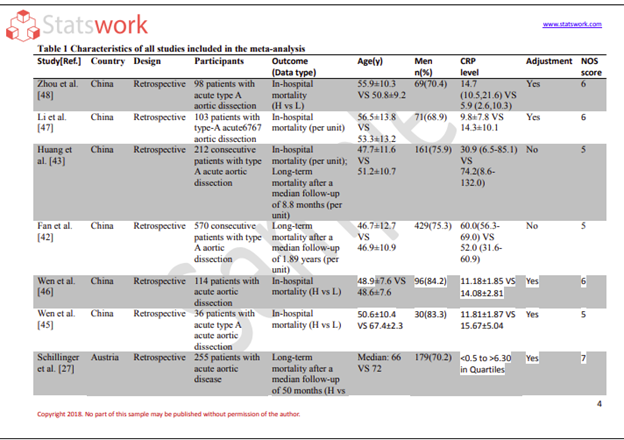
Data Analysis services
- Secondary Qualitative Research Services
- Secondary Quantitative Research Services
- Meta-Analysis Research services
- Sample Work
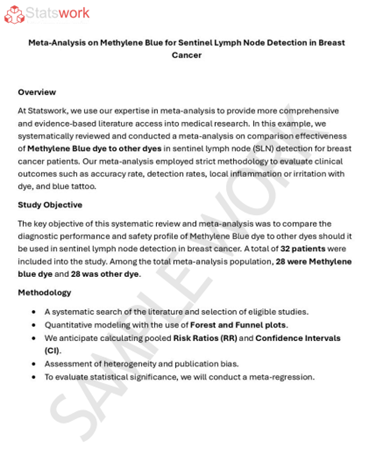
Meta-Analysis Research Services
- Data Collection Services
- Sample Work
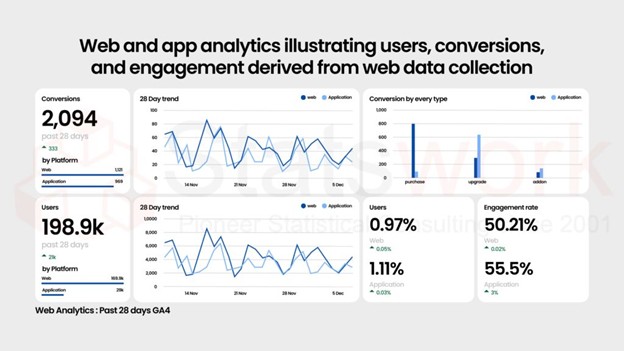
Data Collection Services
- Statistical & Biostatistics services
- Sample Work
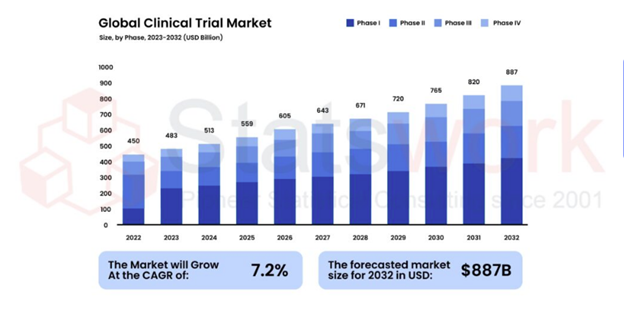
Statistical Programming & Biostatistics services
- Data Management Services
- Sample Work
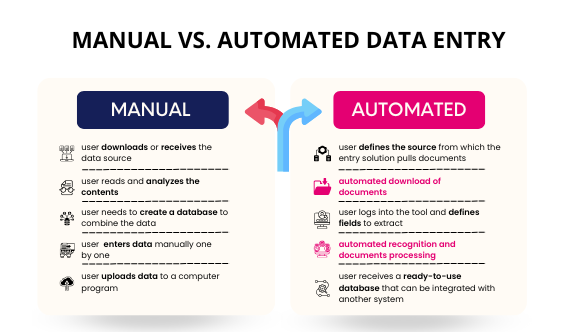
Data Management Services
- Research methodology services
- Sample Work
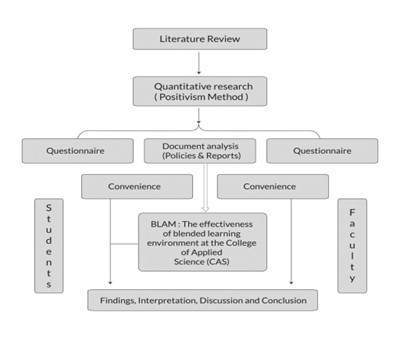
Research methodology services
- Tool Development Services
- Sample Work
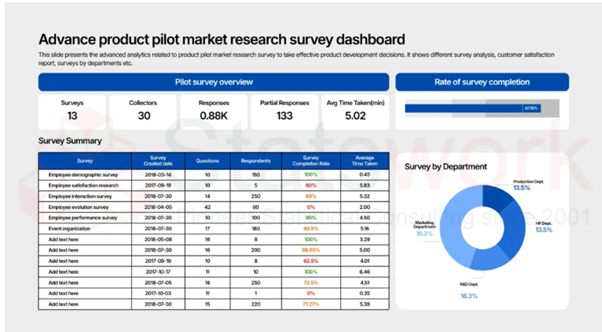
Tool development services
- Statistical Interpretation services
-
Statistical Interpretation services
- Sample Work
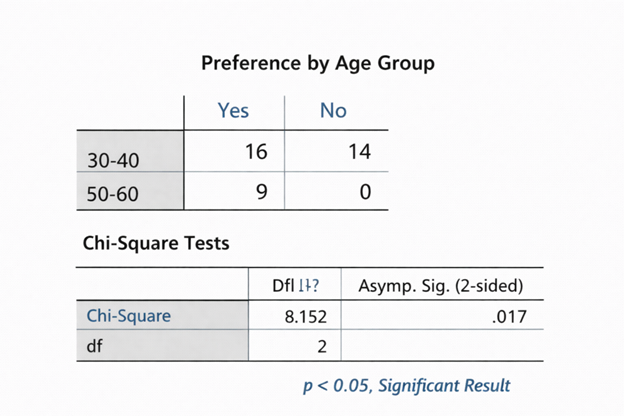
Statistical Interpretation services
-
- Sample Size Calculation Services
-
Sample Size Calculation Services
- Sample Work
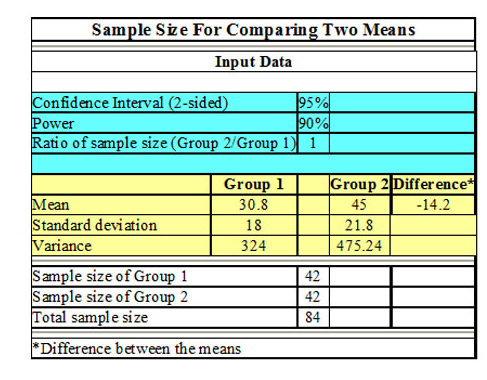
Sample Size Calculation Services
-
- AI & ML Services
-
Artificial Intelligence and Machine Learning Services
- Sample Work
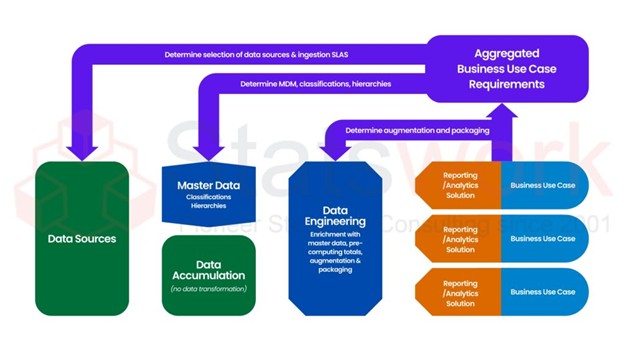
Artificial Intelligence and Machine Learning Services
-
- Meaningful Visualization Services
- Thought Leadership Services
- Report Generation Services
-
Report generation Service
- Sample Work
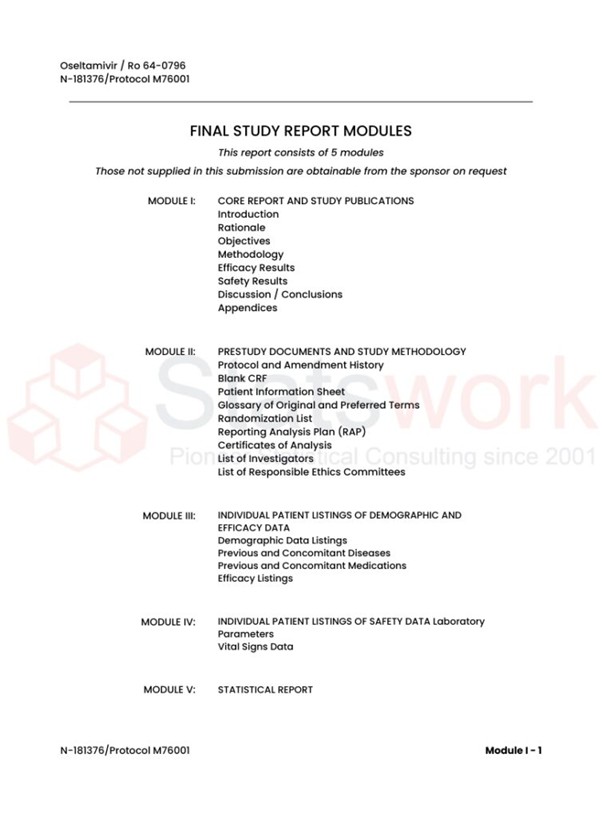
Report generation Services
-
- Data Analysis services
- Industries
- About Us
- Blog
- Insights
- Contact Us
- Services
- Data Analysis services
- Sample Work
Data Analysis services
- Secondary Qualitative Research Services
- Secondary Quantitative Research Services
- Meta-Analysis Research services
- Sample Work
Meta-Analysis Research Services
- Data Collection Services
- Sample Work
Data Collection Services
- Statistical & Biostatistics services
- Sample Work
Statistical Programming & Biostatistics services
- Data Management Services
- Sample Work
Data Management Services
- Research methodology services
- Sample Work
Research methodology services
- Tool Development Services
- Sample Work
Tool development services
- Statistical Interpretation services
-
Statistical Interpretation services
- Sample Work
Statistical Interpretation services
-
- Sample Size Calculation Services
-
Sample Size Calculation Services
- Sample Work
Sample Size Calculation Services
-
- AI & ML Services
-
Artificial Intelligence and Machine Learning Services
- Sample Work
Artificial Intelligence and Machine Learning Services
-
- Meaningful Visualization Services
- Thought Leadership Services
- Report Generation Services
-
Report generation Service
- Sample Work
Report generation Services
-
- Data Analysis services
- Industries
- About Us
- Blog
- Insights
- Contact Us
Statistical Validation of Survey-Based Quantitative Research Papers
- Home
- Insights
- Article
- Statistical Validation of Survey-Based Quantitative Research Papers
Qualitative Research Service
- What is Statistical Validation?
- Importance of Statistical Validation in Survey Research
- Key Areas Covered in Statistical Validation
- Common Statistical Problems in Quantitative Research Papers
- Role of Statistical Software in Validation
- Benefits of Statistical Validation for Businesses and Researchers
- Best Practices for Survey-Based Quantitative Research
- Future Trends in Statistical Validation
- Conclusion
News & Trends
Recommended Reads
Contact us
Overview
Statistical validation in survey-based quantitative research ensures accuracy and validity of findings. This article discusses the essential validation processes, possible statistical errors, use of statistical software and how to carry out statistical peer reviewing. All these aspects contribute to the production of sound scientific and publishable research. Our Statistical Peer Reviewing Services guarantee your success.
The use of survey-based quantitative research is common in a wide variety of industries ranging from the field of healthcare, education, financial services, pharmaceuticals, marketing, public policy, and business administration. Data acquired using surveys gives researchers insights into customer behavior, employee satisfaction levels, effectiveness of healthcare procedures, and academic performance of learners [1].
However, for the proper implementation of quantitative research, data alone cannot suffice; scientific accuracy in the application of the statistical method used in carrying out the research must also be observed. Failure in the process can compromise the accuracy and validity of any kind of research conducted.
Statistical validation is very crucial when doing research using surveys.
What is Statistical Validation?
Definition of statistical validation: Statistical validation may be described as the verification and confirmation of statistical tool, method of analysis, and interpretation of the collected data in quantitative research.
Steps used to validate data:
- Sample size sufficiency verification
- Suitable statistical test determination
- Reliability and validity testing
- Data accuracy verification
- Assumption violations testing
- Hypothesis testing
- Results interpretation [2]
Statistical validation improves the overall quality of the research study.
Importance of Statistical Validation in Survey Research
Research involving quantitative analysis requires vast data, standardized questionnaires, mathematical computations, and several statistical tests. Therefore, the likelihood of making statistical errors during such research is very high.
Why is statistical validation important? This is because:
- It helps enhance research accuracy
- It makes publications more acceptable
- It reduces statistical errors
- It helps improve quality of decision making
- It increases research transparency
- It enhances evidence-based decision-making process
- It enhances results reproducibility
Validated research findings help business organizations and research institutions develop strategies [3].
Key Areas Covered in Statistical Validation
Sample Size Validation
A significant aspect of any quantitative analysis is the sample size because without an adequate sample size, one would obtain unfavorable outcomes.
Flaws related to the sample size are:
- Few respondent numbers
- Lack of enough population representation
- Inconsistency in the demographic nature
- Power limitation
Benefits of Sample Size Validity:
- Elevated level of research reliability
- Accuracy in the results
- Enhanced generalizability of the results
- Little sampling error
Reliability Testing
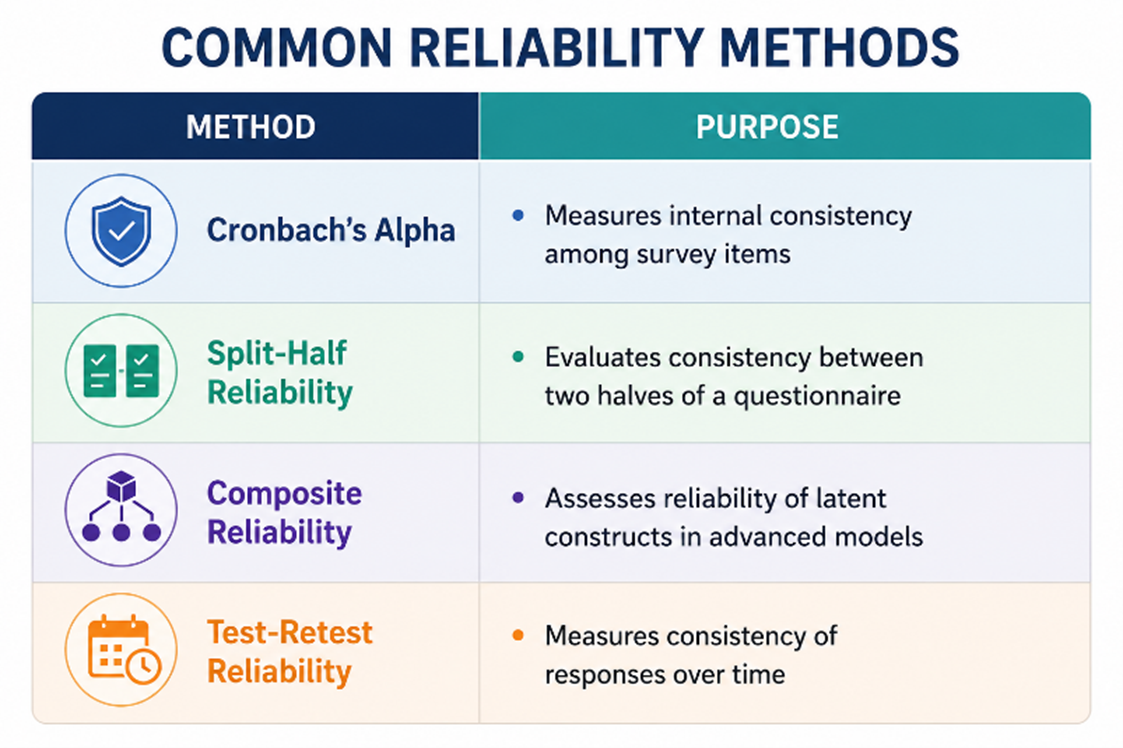
Reability Test means the consistency of the result gotten from a survey. This aims to ascertain whether the survey can produce consistent results.
Methods for Testing Reliability
| Method | Purpose |
| Cronbach’s Alpha | Internal reliability |
| Split Half Reliability | Tests the consistency between two halves of the questionnaire |
| Composite Reliability | Tests on the consistency of constructs |
| Test-Retest Reliability | Tests on the consistency of the survey result over a period |
Why Reliability Testing Matters
| Importance | Benefit |
| Questionnaire Questions | Assist in making the questions clear and valid |
| Findings Reliability | Ensure that findings obtained are reliable |
| Reliability in Statistics | Reduces error related to measurements |
| Scholarship Publication | Creates chances for publication in peer-reviewed publications [5] |
Low reliability values may indicate unclear or ineffective survey questions.
Validity Testing
The validity test is a method employed to determine whether the instrument used in the research is measuring the research constructs accurately.
Examples of validity include:
- Content Validity
- Construct Validity
- Criterion Validity
- Convergent Validity
- Discriminant Validity
Some of the common forms of validating an instrument include:
- Exploratory Factor Analysis (EFA)
- Confirmatory Factor Analysis (CFA)
- Structural Equation Modeling (SEM)
Validity testing improves the scientific quality of research [2].
Common Statistical Problems in Quantitative Research Papers
Most surveys have numerous statistical mistakes which reduce the validity of findings.
Some of these statistical mistakes include:
Incorrect Statistical Tests
Incorrect use of statistical tests will lead to wrong findings. Some researchers choose to use statistical tests that don’t suit their data.
Wrong Interpretation of p-Value
Misinterpreting p-value during research is very common. Statistical significance doesn’t necessarily mean practical significance.
Poor Handling of Missing Data
This is another mistake seen often in surveys because missing data can affect the process of analysis.
Assumption Violation
There are certain assumptions made by statistical tests. They include;
- Normality
- Linearity
- Homoscedasticity
- Observational independence
Not considering these assumptions can affect your study.
Role of Statistical Software in Validation
| Statistical Software | Applications for Validation and Quantitative Analysis |
| SPSS | Descriptive statistics, regression analysis, hypothesis testing, correlation analysis |
| R Programming | Statistical modeling, data visualization, regression, factor analysis |
| SAS | Data analysis, predictive modeling, statistical tests |
| Stata | Econometric analysis, regression analysis, panel data analysis, hypothesis testing |
| AMOS | Structural Equation Modeling (SEM), Confirmatory Factor Analysis |
| SmartPLS | Partial Least Squares SEM, Path Modeling, Construct Validation |
Benefits of Statistical Validation for Businesses and Researchers
| Statistical Tool | Functions in Research Validity |
| Descriptive Analysis | Summary and description of research data |
| Regression Analysis | Analysis of relationship among variables |
| Hypothesis Testing | Test validity of research hypothesis |
| Correlation Analysis | Measurement of strength of relationship |
| Factor Analysis | Measurement of constructs validity |
Note:
Although statistical software provides fast and accurate computational results, expert statistical interpretation is essential to ensure the appropriateness of methods, validity of findings, and correct research conclusions.
Best Practices for Survey-Based Quantitative Research
There are various means through which researchers could make sure that their research is of high quality.
These means include:
- Conducting pilot testing prior to conducting survey
- Conducting research using standardized questionnaires
- Conducting tests on reliability and validity
- Sample size determination
- Finding assumptions prior to carrying out analysis
- Missing value detection
- Data presentation [2]
These are some means through which researchers can improve the quality of their research.
Future Trends in Statistical Validation
There is an ongoing evolution in the methods of statistical validation due to advances in data analytics and technology within research studies.
The following is a list of some of the advancements in this field:
- Artificial Intelligence Statistical Evaluations
- Automatic Data Validation
- Reproducible Scientific Research Methodologies
- Predictive Analytics
- Statistical Peer Reviewing by Experts
- The Use of Open Data in Transparent Way
Regardless of the improvements in technology, statistical expertise is extremely essential.
Conclusion
The statistical validation procedure is an important step involved in the quantitative research carried out using surveys. It helps ensure that the data analysis and hypotheses testing, reliability checking, and interpretation of results are done scientifically [5].
With good statistical validation, you can be assured of improving the quality of your research, the chances of getting the article published in journals, and decision-making for business purposes.
The Statistical Peer Reviewing Services provided by Statswork can come in handy for you when you need statistical validation and assistance in preparing the manuscript for submission. Statswork can assist you in achieving high-quality research through statistical validation using its expertise and scientific knowledge in the field.
Reference
- Webster, A., Fog, L. S., Hall, E., Van Rossum, P. S., Nevens, D., Montay-Gruel, P., … & Bertholet, J. (2025). ESTRO guidelines for developing questionnaires in survey-based radiation oncology research. Clinical and Translational Radiation Oncology, 51, 100895. https://www.sciencedirect.com/science/article/pii/S2405630824001721
- Nagy, E. S. A., & Adel, H. M. (2025). Does changing the requirements of measurement types and scales used in survey-based research yield different results? An SDG4-aligned quality management experimental study. Management & Sustainability: An Arab Review, 1-25. https://www.emerald.com/msar/article-abstract/doi/10.1108/MSAR-12-2024-0238/1275674/Does-changing-the-requirements-of-measurement?redirectedFrom=fulltext
- Mujeeb, N., Ali, A., & Anam, S. (2025). Exploring Qualitative, Quantitative, and Mixed Methods: A Comprehensive Review in Educational Research. UMT Education Review, 8(1), 24-60. https://journals.umt.edu.pk/index.php/uer/article/view/7072
- Kranz, B., Fritsche, J., Jira, W., Langenkämper, G., Roggensack, T., Sieren, T., … & Haase, I. (2026). Mass Spectrometry of Proteins, Peptides and Small Molecules for Food Authentication–A Systematic Survey. Food Reviews International, 42(4), 2545-2581. https://www.tandfonline.com/doi/full/10.1080/87559129.2025.2553677