
- Services
- Data Analysis services
- Sample Work
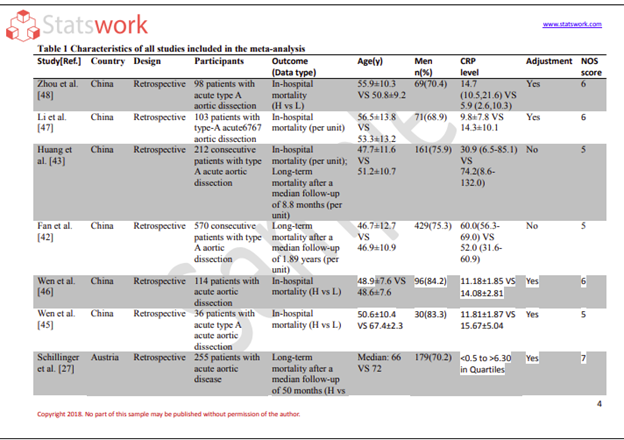
Data Analysis services
- Secondary Qualitative Research Services
- Secondary Quantitative Research Services
- Meta-Analysis Research services
- Sample Work
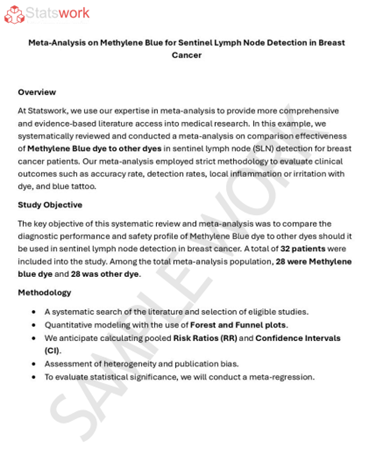
Meta-Analysis Research Services
- Data Collection Services
- Sample Work
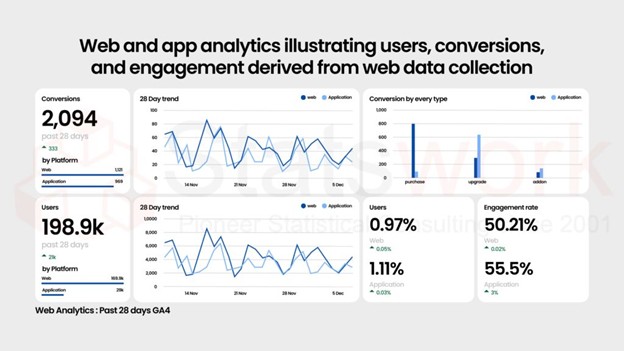
Data Collection Services
- Statistical & Biostatistics services
- Sample Work
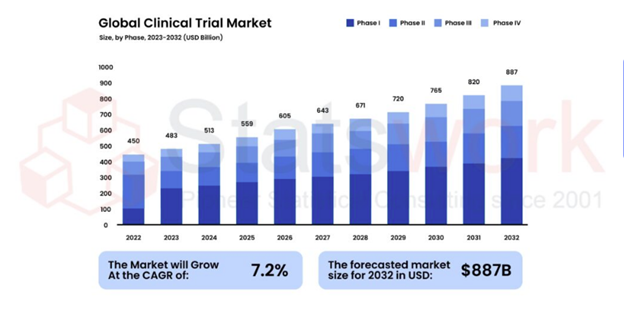
Statistical Programming & Biostatistics services
- Data Management Services
- Sample Work
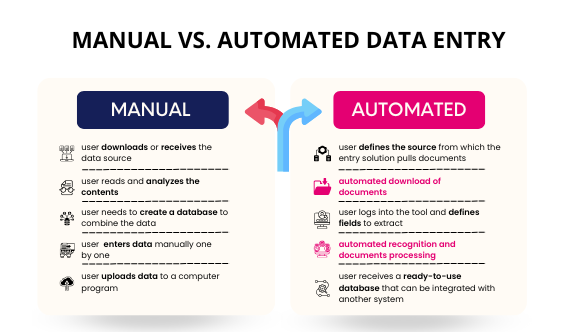
Data Management Services
- Research methodology services
- Sample Work
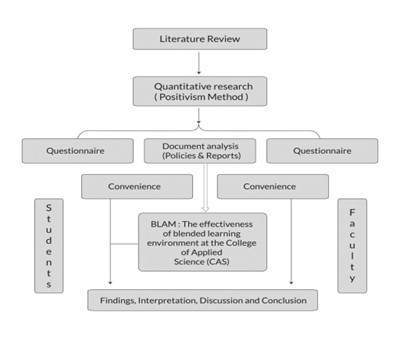
Research methodology services
- Tool Development Services
- Sample Work
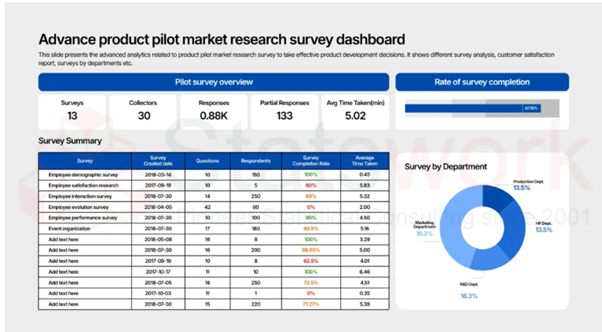
Tool development services
- Statistical Interpretation services
-
Statistical Interpretation services
- Sample Work
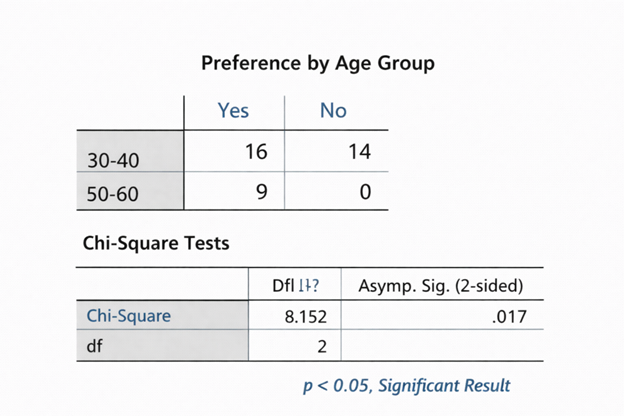
Statistical Interpretation services
-
- Sample Size Calculation Services
-
Sample Size Calculation Services
- Sample Work
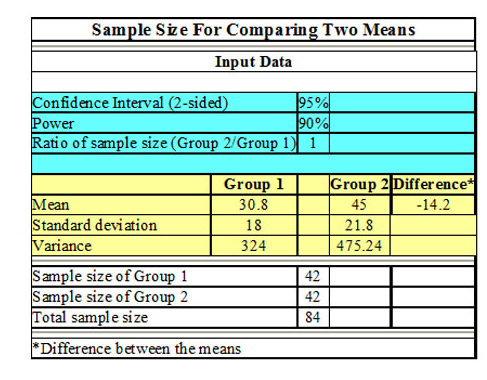
Sample Size Calculation Services
-
- AI & ML Services
-
Artificial Intelligence and Machine Learning Services
- Sample Work
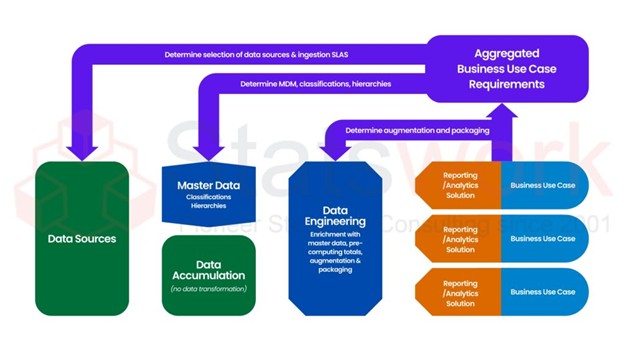
Artificial Intelligence and Machine Learning Services
-
- Meaningful Visualization Services
- Thought Leadership Services
- Report Generation Services
-
Report generation Service
- Sample Work
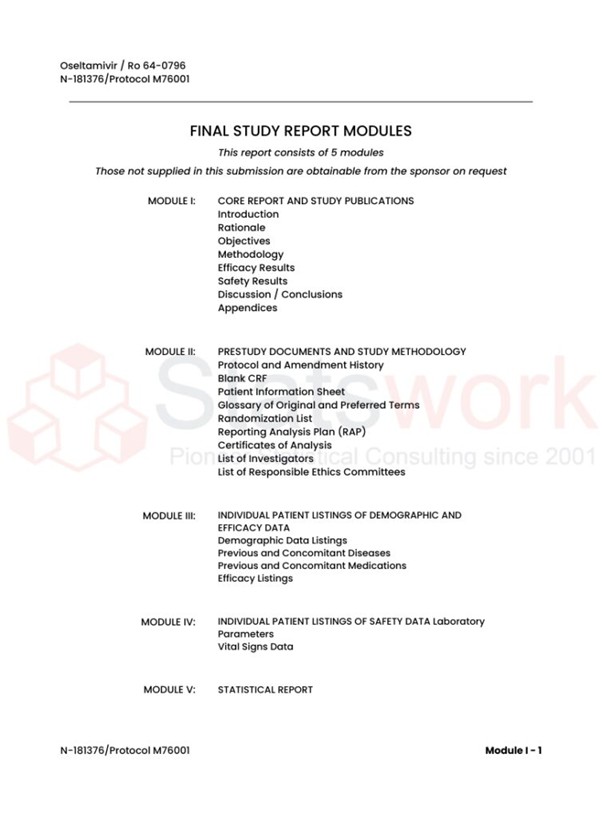
Report generation Services
-
- Data Analysis services
- Industries
- About Us
- Blog
- Insights
- Contact Us
- Services
- Data Analysis services
- Sample Work
Data Analysis services
- Secondary Qualitative Research Services
- Secondary Quantitative Research Services
- Meta-Analysis Research services
- Sample Work
Meta-Analysis Research Services
- Data Collection Services
- Sample Work
Data Collection Services
- Statistical & Biostatistics services
- Sample Work
Statistical Programming & Biostatistics services
- Data Management Services
- Sample Work
Data Management Services
- Research methodology services
- Sample Work
Research methodology services
- Tool Development Services
- Sample Work
Tool development services
- Statistical Interpretation services
-
Statistical Interpretation services
- Sample Work
Statistical Interpretation services
-
- Sample Size Calculation Services
-
Sample Size Calculation Services
- Sample Work
Sample Size Calculation Services
-
- AI & ML Services
-
Artificial Intelligence and Machine Learning Services
- Sample Work
Artificial Intelligence and Machine Learning Services
-
- Meaningful Visualization Services
- Thought Leadership Services
- Report Generation Services
-
Report generation Service
- Sample Work
Report generation Services
-
- Data Analysis services
- Industries
- About Us
- Blog
- Insights
- Contact Us
Speech Recognition in Healthcare: Improving Efficiency and Accuracy
in Medical Documentation
Typical conversion speech
- What Role Does Speech Recognition Play in Healthcare?
- How Does Typical Conversation Speech Enhance Doctor-Patient Interaction?
- Can Speech Recognition Reduce Administrative Burden in Healthcare Settings?
- In what way does Speech Recognition influence higher quality Patient Care and Services?
- What Challenges Does Speech Recognition Face in Healthcare?
- Suggestions for Onboarding Speech Recognition Technology in Healthcare
- Conclusion
News & Trends
Recommended Reads
Contact us
Speech Recognition in Healthcare: Improving Efficiency and Accuracy in Medical Documentation
Introduction
In today’s fast-paced healthcare sector, time is of the essence. Health care professionals are constantly looking for ways to create efficiencies that do not diminish quality of care. One of the most disruptive technologies in this regard is speech recognition in healthcare. With the advancements of AI-powered speech recognition and deep learning technologies, medical speech recognition technology has gone through exponential advances—from basic voice assistants to powerful healthcare speech-to-text solutions that can transcribe a doctor-patient conversation instantaneously. This article will describe how typical conversational speech is being applied in healthcare for patient-physician communication to minimize administrative burden and enhance patient outcomes.[1]
What Role Does Speech Recognition Play in Healthcare?
- Capturing Data in Real-Time: Speech recognition technology can accurately transcribe in real-time interactions occurring verbally such as consultations, rounds, and patient intake.
- Improved Communication: It enables clearer and more effective connectivity between health professionals and patients using voice recognition technology in healthcare.
- Automated Documentation: It provides a way to minimize the typing notes from physician to allow most of the physician’s time spend on patient care.
- Voice-Enabled Medical Devices: Support hands-free operation of medical devices, offering increased convenience and better hygiene.[2]
- Enhanced Workflow: Better administrative work and operational efficiencies, leading to reduced healthcare professional workload impact.
How Does Typical Conversation Speech Enhance Doctor-Patient Interaction?
| Aspect | How Speech Recognition Improves Doctor-Patient Engagement |
| Focus on Conversation | Doctors can focus exclusively on the patient without distraction while taking notes. |
| Better Patient Experience | Creates a more personal and caring experience for the patient. |
| Accurate Medical Records | Speech recognition enables accurate documentation of symptoms, medical history, and treatment plans. |
| Real-Time Documentation | Doctors can document patient visits in real time, improving accuracy and reducing errors. [3] |
| Improved Patient Trust | Physicians maintain eye contact and engagement, helping build stronger patient trust. |
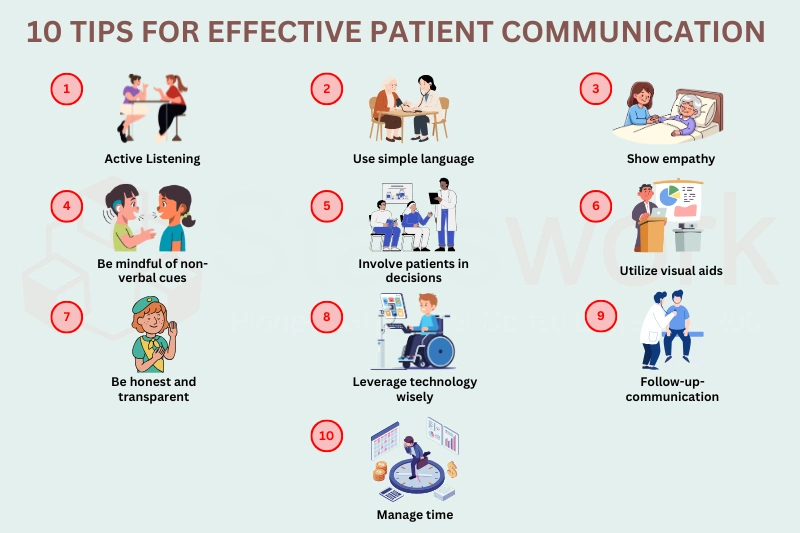
Can Speech Recognition Reduce Administrative Burden in Healthcare Settings?
- Relieves Administrative Workload: Speech recognition will cut down on the time that healthcare providers spend conducting administrative work.
- Time-Consuming Tasks: Activities such as charting, updating patient records, and filling out forms often take up a large part of health care providers’ day.
- Time in Manual Entry is Prone to Error: Traditional manual entry is time-consuming and can be filled with human error.[4]
- Documentation is Automated: Speech recognition documents conversations and dictation into the electronic health record system automatically.
- Voice Instead of Manual Entry: Voice entry instead of manual entry can increase healthcare providers’ speed and accuracy.
- Increases Time in Patient Care: Streamlining administrative work can give physicians more time for patient care.
- Increased Productivity and Efficiency: Speech recognition improves productivity and efficiency in the healthcare system.
In what way does Speech Recognition influence higher quality Patient Care and Services?
Accurate and timely documentation of medical records directly drives patient care. When a physician uses speech recognition to transcribe the physician-patient encounter, valuable health information opportunities are captured without the burden of writing or delayed documentation, which translates to faster care and treatment. In fact, documentation through speech recognition may improve the quality of health records because care teams can capture in greater detail the symptoms, concerns, and treatment plans during education if they are “capturing the encounter” through speech recognition and their focus is on the visit rather than writing.[3]
And, with an accurate medical record, the potential for misdiagnosed patient care decreases while communication with follow-up care teams may improve. Also, by using speech recognition, physicians spend less time in the documentation and more time on patient care, which positively impacts patient outcomes.
What Challenges Does Speech Recognition Face in Healthcare?
| Challenge | Description |
| Accuracy | Misunderstandings or inaccuracies in medical vocabulary can adversely affect patient documentation and care. |
| Privacy | Requires compliance with laws such as HIPAA to protect sensitive patient data from breaches. |
- Integration with EHR- Unnecessary barriers to adoption with antiquated or incompatible EHR interfaces.
- Advancements in AI- Ongoing advancements in artificial intelligence are developing speech recognition accuracy.[3]
What Challenges Does Speech Recognition Face in Healthcare?
Challenges with speech recognition in healthcare appear with both accuracy of complex speech and medical terminology, which can create errors in the patient’s record. Privacy is another challenge, as speech recognition systems must comply with state and federal laws such as HIPAA for privacy and security.
Compatibility with existing EHR systems can also pose a challenge, especially if the systems are out of date. However, as artificial intelligence and deep machine learning continue to evolve, so does the accuracy and reliability of speech recognition.
Suggestions for Onboarding Speech Recognition Technology in Healthcare
- Assess Needs: Determine areas where speech recognition technology could assist with reducing workflow hassles, allowing you to spend more time on patient care.
- Invest in Training: Assist with time to orient staff on how to use the system, its limitations, and what to do if there is a problem.
- Ensure Data Security: Select the system you will use based on its confidence that it meets HIPPA security and data encryption requirements and the best process of privacy protection is followed by staff.[2]
- Integrate into EHR: Find a speech recognition software that can merge deals into the EHR or pay to upgrade to a better system.
- Plan for Success: Stay in touch with AI and machine learning to understand changes to improve accuracy and workflow efficiency. Continually assess how well your system is working.
Conclusion
Speech recognition is on the verge of restructuring the healthcare landscape by improving the accuracy and efficiency of medical documentation, improving the interaction between physician and patient, and minimizing administrative burden.[4] While there are still issues concerning system accuracy, security, and efficiency/integration, continued improvements in artificial intelligence (AI) and machine learning are influencing future performance significantly. Thoughtful consideration for the implementation of virtual assistants will foster improved patient care, enhanced workflow, and minimize inefficiencies caused by administrative work, and improve healthcare delivery for all involved.
At Statswork, we specialize in speech data collection for healthcare—helping organizations adopt cutting-edge healthcare speech to text solutions. Our tailored services support seamless digital transformation, improve data accuracy, and minimize administrative overheads.
Contact us today: to explore how our expertise can help you leverage speech recognition technology in healthcare for better outcomes and improved efficiency.
References
- Joseph, J., Moore, Z. E., Patton, D., O’Connor, T., & Nugent, L. E. (2020). The impact of implementing speech recognition technology on the accuracy and efficiency (time to complete) clinical documentation by nurses: A systematic review. Journal of clinical nursing, 29(13-14), 2125-2137.https://onlinelibrary.wiley.com/doi/abs/10.1111/jocn.15261
- Langdon, C., Haag, O., Vigliano, M., Levorato, M., Leon-Ulate, J., & Adroher, M. (2025). Transforming pediatric ENT documentation: Efficiency, accuracy, and adoption of speech recognition technology (Speaknosis). International Journal of Pediatric Otorhinolaryngology, 191, 112275.https://www.sciencedirect.com/science/article/abs/pii/S016558762500062X
- Lee, T. Y., Li, C. C., Chou, K. R., Chung, M. H., Hsiao, S. T., Guo, S. L., … & Wu, H. T. (2023). Machine learning-based speech recognition system for nursing documentation–A pilot study. International Journal of Medical Informatics, 178, 105213.https://www.sciencedirect.com/science/article/abs/pii/S1386505623002319
- Chaudhary, A., & Hafiz, R. (2017). The implementing and impact of speech recognition technology in clinical documentation. Journal of Economic & Management Perspectives, 11(3), 159-169.https://www.proquest.com/openview/67a593c251f63ceaf731acd6405cb0b3/1?pq-origsite=gscholar&cbl=51667