
- Services
- Data Analysis services
- Sample Work
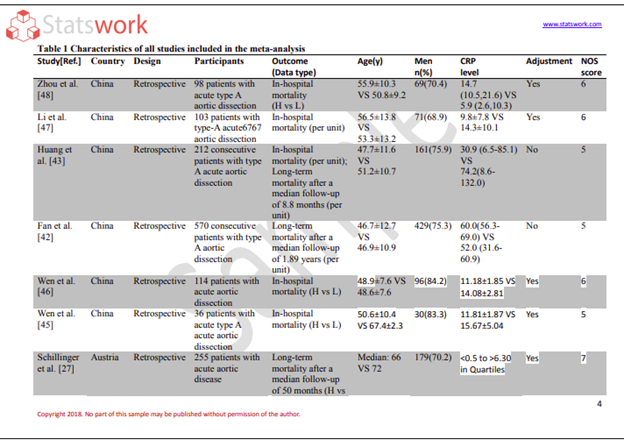
Data Analysis services
- Secondary Qualitative Research Services
- Secondary Quantitative Research Services
- Meta-Analysis Research services
- Sample Work
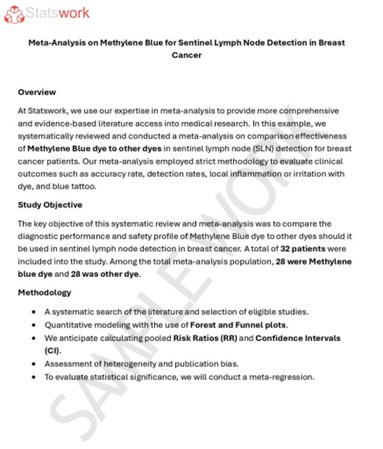
Meta-Analysis Research Services
- Data Collection Services
- Sample Work
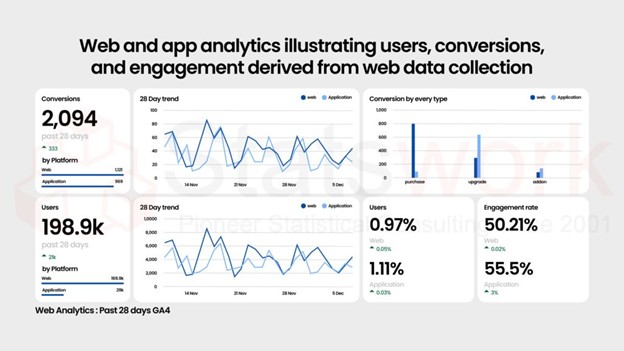
Data Collection Services
- Statistical & Biostatistics services
- Sample Work
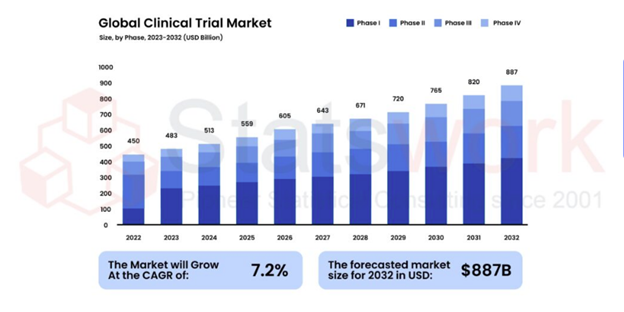
Statistical Programming & Biostatistics services
- Data Management Services
- Sample Work
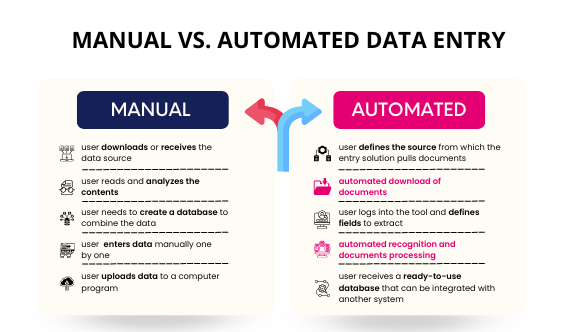
Data Management Services
- Research methodology services
- Sample Work
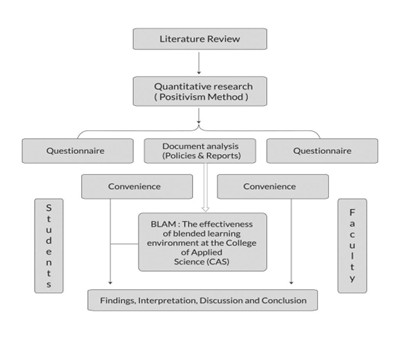
Research methodology services
- Tool Development Services
- Sample Work
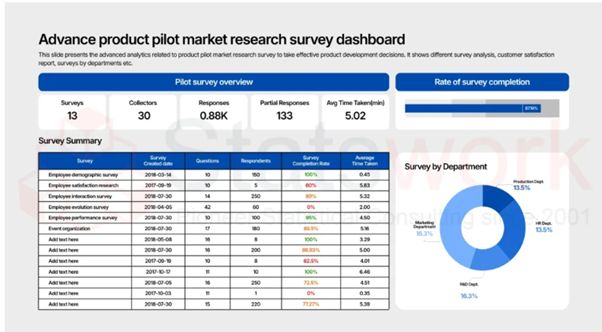
Tool development services
- Statistical Interpretation services
-
Statistical Interpretation services
- Sample Work
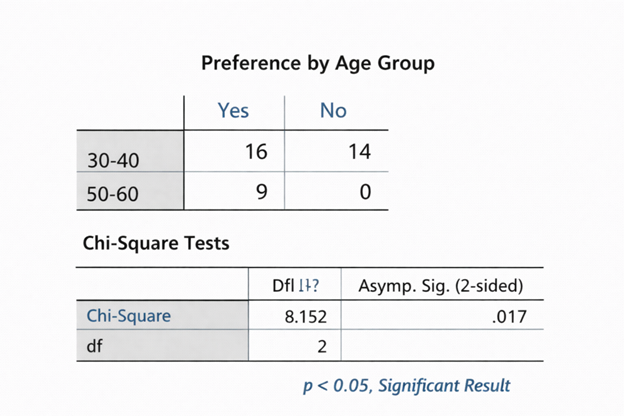
Statistical Interpretation services
-
- Sample Size Calculation Services
-
Sample Size Calculation Services
- Sample Work
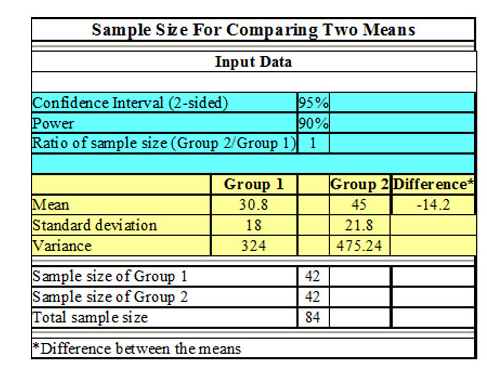
Sample Size Calculation Services
-
- AI & ML Services
-
Artificial Intelligence and Machine Learning Services
- Sample Work
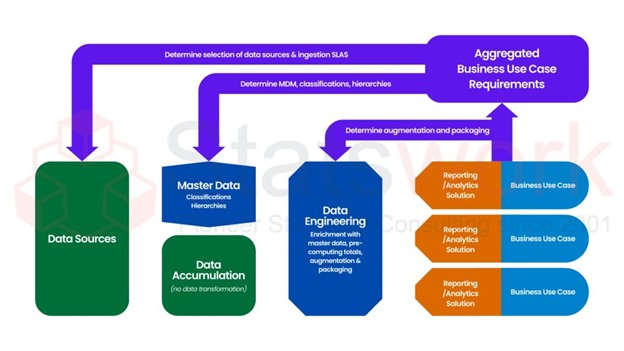
Artificial Intelligence and Machine Learning Services
-
- Meaningful Visualization Services
- Thought Leadership Services
- Report Generation Services
-
Report generation Service
- Sample Work
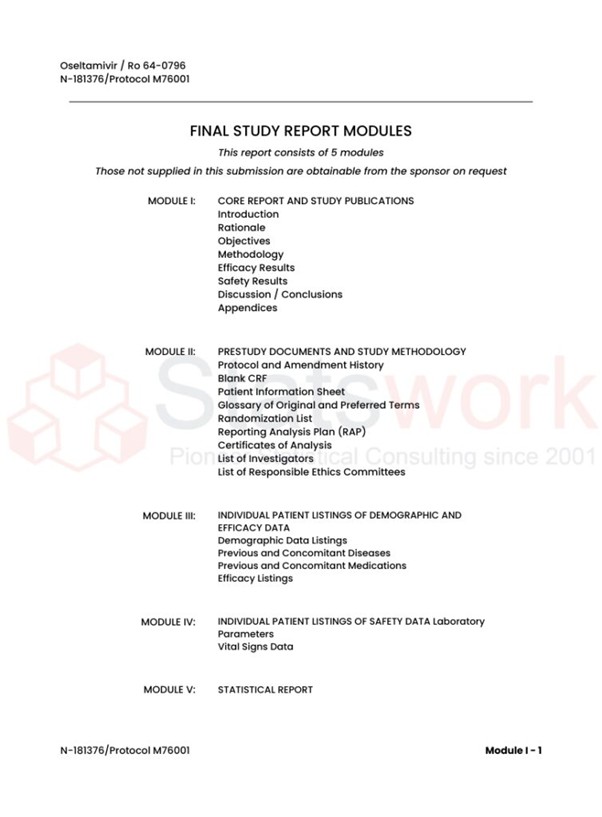
Report generation Services
-
- Data Analysis services
- Industries
- About Us
- Blog
- Insights
- Contact Us
- Services
- Data Analysis services
- Sample Work
Data Analysis services
- Secondary Qualitative Research Services
- Secondary Quantitative Research Services
- Meta-Analysis Research services
- Sample Work
Meta-Analysis Research Services
- Data Collection Services
- Sample Work
Data Collection Services
- Statistical & Biostatistics services
- Sample Work
Statistical Programming & Biostatistics services
- Data Management Services
- Sample Work
Data Management Services
- Research methodology services
- Sample Work
Research methodology services
- Tool Development Services
- Sample Work
Tool development services
- Statistical Interpretation services
-
Statistical Interpretation services
- Sample Work
Statistical Interpretation services
-
- Sample Size Calculation Services
-
Sample Size Calculation Services
- Sample Work
Sample Size Calculation Services
-
- AI & ML Services
-
Artificial Intelligence and Machine Learning Services
- Sample Work
Artificial Intelligence and Machine Learning Services
-
- Meaningful Visualization Services
- Thought Leadership Services
- Report Generation Services
-
Report generation Service
- Sample Work
Report generation Services
-
- Data Analysis services
- Industries
- About Us
- Blog
- Insights
- Contact Us
Choosing the Right Qualitative Sampling Strategy for Customer and Market Research
Qualitative Research Service
- Why Qualitative Sampling Matters in Business Research
- Business Benefits of Choosing the Right Qualitative Sampling Strategy
- Common Qualitative Sampling Methods
- Factors to Consider When Selecting a Qualitative Sampling Strategy
- Business Applications for Qualitative Sampling
- Challenges in Qualitative Participant Recruitment
- Best Practices for Effective Qualitative Sampling
- Why Businesses Outsource Qualitative Sampling Services
- Conclusion
News & Trends
Recommended Reads
Contact us
Summary:
It is crucial to employ an appropriate qualitative sampling technique so that valuable insights can be obtained from customers and the market for making wise business decisions. In this article, qualitative sampling techniques, criteria for selecting participants, uses of the techniques in business and good practices in research will be examined. How Qualitative Sampling Services assist businesses will also be discussed.
To understand customer behavior, market trends, and perspectives of stakeholders, simply having access to a lot of data will not suffice. The important thing here is having the correct data collected from the correct participants. In qualitative research, the success of the research depends mostly on the participants who are selected because the data collected will be useful for meeting business goals [1].
For businesses involved in market research, customer experience research, product development, brand perceptions analysis, and B2B research, having the right qualitative sampling approach guarantees informative discussions and business intelligence that will enable decision-making. Professional Qualitative Sampling Services will help businesses select and recruit the right participants.
Why Qualitative Sampling Matters in Business Research
To know customer behavior, trends in the market, and the perspective of the stakeholders, just having a lot of data available will not do. What matters here is having the right data collected from the right participants. In qualitative research, it all comes down to having the right participants chosen since the data collected will be valuable for achieving business objectives.
For businesses conducting market research, customer experience research, product development, brand perception study, and B2B research, having the right qualitative sampling technique is key to making the discussion informative and giving insights to business intelligence [2]. Professional Qualitative Sampling Services will ensure that the right participants are chosen and recruited by businesses.
Business Benefits of Choosing the Right Qualitative Sampling Strategy
Selecting the appropriate sampling method directly influences the quality and credibility of research findings.
|
Business Advantage |
Business Impact |
|
Relevance to participants |
Meaningful insight into customers |
|
Accuracy in research |
Better decision making |
|
Highly qualitative information |
More customer behavior insight |
|
No selection bias |
Sound research findings |
|
Efficiency in completing projects |
Efficient operations |
|
Stakeholder representation |
Complete business intelligence |
Common Qualitative Sampling Methods
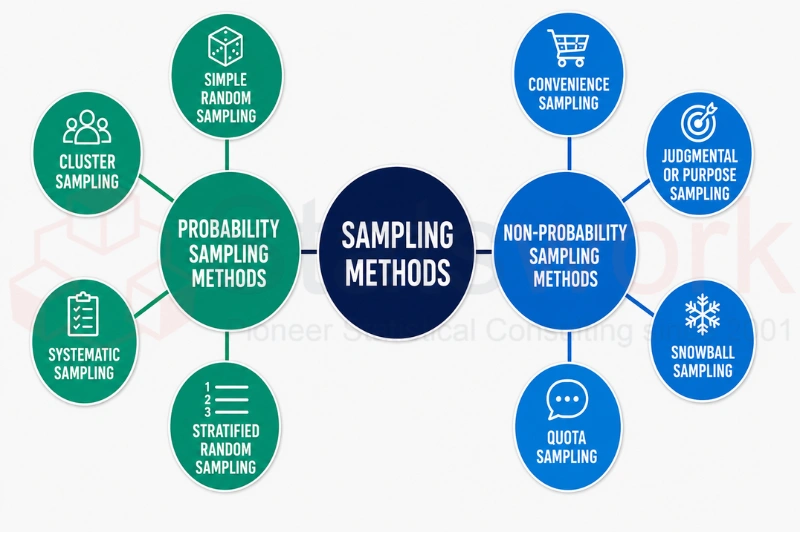
Different business objectives require different qualitative sampling techniques. Choosing the most appropriate method depends on the research goals and target audience.
|
Sampling Type |
Used Most for Business Benefit |
Benefit |
|
Purposive Sampling |
Focus groups, expert interviews |
Use of participants based on their expertise |
|
Convenience Sampling |
Business exploration research |
Convenience and cost effectiveness in recruiting participants |
|
Snowball Sampling |
Specialized business-to-business markets |
Expanding networks of participants |
|
Quota Sampling |
Consumer segmentation survey |
Balanced participant pool |
|
Maximal Variance Sampling |
Diverse perspectives on consumers |
Broad range of participant experience |
|
Criterion Sampling |
Product or service evaluation |
Selection of participants based on criterion |
Selecting the right method ensures that research findings accurately reflect the perspectives most relevant to business objectives [3].
Factors to Consider When Selecting a Qualitative Sampling Strategy
It is important to consider many things before choosing participants for conducting qualitative business research.
The list of considerations includes:
- Business research purposes
- Customer characteristics
- The operation industry
- Participant knowledge
- Geographical representation
- Customer demographics
- Time frame for research
- Business budget
- Difficulty of participant selection
- Quality of data required [4]
A proper sampling process allows businesses to get useful information efficiently
Business Applications for Qualitative Sampling
Qualitative sampling for professional business research includes various projects.
Typical examples of projects include:
- Customer experience research
- Brand perception studies
- Product concept testing
- Market entry research
- User experience (UX) research
- Healthcare and patient research
- Employee engagement research
- Financial services research
- Technology adoption research
- B2B stakeholder interviews
Each project involves selecting participants that will provide significant business insight.
Challenges in Qualitative Participant Recruitment
The selection of proper participants is considered one of the most complicated parts of qualitative research.
The problems which usually arise in this case include:
- Selection of appropriate participants;
- Recruitment of niche B2B decision-makers;
- Low availability of participants;
- Bias in the recruitment process;
- Geographical restrictions;
- Diversity of participants;
- Timely scheduling of interviews;
- Data security;
- Timely accomplishment of the research according to the schedule;
- Consistent quality of the research [3].
Professional recruitment can assist companies in solving these problems.
Best Practices for Effective Qualitative Sampling
Qualitative sampling leads to more credible research results through adherence to best sampling practices that have been tested before.
Best practices include:
- Demonstrating clear criteria for participant selection
- Ensuring that sampling reflects business goals
- Conducting diverse but relevant sampling
- Applying proper sampling methods
- Ensuring that participants qualify
- Proper documentation of recruiting process
- Ethical research practices
- Participant confidentiality
- Ensuring good quality sampling
- Conducting sampling review during research
These will lead to increased credibility of qualitative research results.
Why Businesses Outsource Qualitative Sampling Services
Many companies team up with specialized research vendors for simplifying participant recruitment and enhancing the quality of research conducted.
Benefits of outsourcing are as follows:
- Availability of recruitment professionals
- Convenient participant identification
- Quality control
- Conduction of research at reduced cost
- Better screening of participants
- Scale of research services
- Quality response
- Research compliance
- Effective project management
- Business insights
Through outsourcing qualitative sampling, companies can concentrate on research results rather than the recruitment process [4].
Conclusion
The right qualitative sampling technique plays a critical role in obtaining meaningful insights from customers and the market. Proper sampling techniques make sure that companies can involve the right set of people, eliminate recruitment bias, add credibility to their research, and get a better understanding of customer behavior and market dynamics.
Qualitative Sampling services by Statswork assist you in identifying, recruiting, and screening the right set of people for your research requirements irrespective of the sampling techniques you choose. From Purposive Sampling, Quota Sampling, Snowball Sampling, to Custom Participant Recruitment, our Qualitative Sampling Services will help you make your qualitative research process successful.
Frequently asked question:
Qualitative research commonly uses purposive, convenience, snowball, quota, and criterion sampling strategies to recruit participants who can provide rich and relevant insights.
The right qualitative approach is selected by considering the research objectives, target participants, business context, and the type of insights needed for informed decision-making.
The four commonly used sampling strategies are purposive sampling, convenience sampling, snowball sampling, and quota sampling, each serving different research needs.
The seven common qualitative research methods include interviews, focus groups, observations, case studies, ethnography, grounded theory, and phenomenological research.
The four primary qualitative research methods are interviews, focus groups, observations, and case studies, which help explore experiences, opinions, and behaviors in depth.
The five basic sampling methods are simple random sampling, systematic sampling, stratified sampling, cluster sampling, and convenience sampling, depending on the research design and objectives.
Reference
- Alaba, F. A., Osaretin, U. K., & Rocha, A. (2026). Qualitative sampling techniques. In Fundamentals of qualitative research(pp. 49-102). Cham: Springer Nature Switzerland. https://link.springer.com/chapter/10.1007/978-3-032-18427-6_2
- Samuel, A., & Merkebu, J. (2026). Exploring sampling strategies to maximize qualitative research studies in adult education. Adult Learning, 37(2), 89-99. https://journals.sagepub.com/doi/abs/10.1177/10451595251349183
- Islam, M. A., & Aldaihani, F. M. F. (2022). Justification for adopting qualitative research method, research approaches, sampling strategy, sample size, interview method, saturation, and data analysis. Journal of International Business and Management, 5(1), 01-11. https://www.researchgate.net/profile/Md-Islam-394/publication/357352896_Justification_for_Adopting_Qualitative_Research_Method_Research_Approaches_Sampling_Strategy_Sample_Size_Interview_Method_Saturation_and_Data_Analysis/
- Czernek-Marszałek, K., & McCabe, S. (2024). Sampling in qualitative interview research: criteria, considerations and guidelines for success. Annals of Tourism Research, 104, 103711. https://www.sciencedirect.com/science/article/pii/S0160738323001846