
- Services
- Data Analysis services
- Sample Work
Data Analysis services
- Secondary Qualitative Research Services
- Secondary Quantitative Research Services
- Meta-Analysis Research services
- Sample Work
Meta-Analysis Research Services
- Data Collection Services
- Sample Work
Data Collection Services
- Statistical & Biostatistics services
- Sample Work
Statistical Programming & Biostatistics services
- Data Management Services
- Sample Work
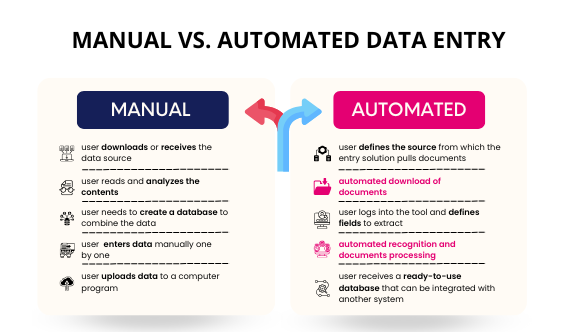
Data Management Services
- Research methodology services
- Sample Work
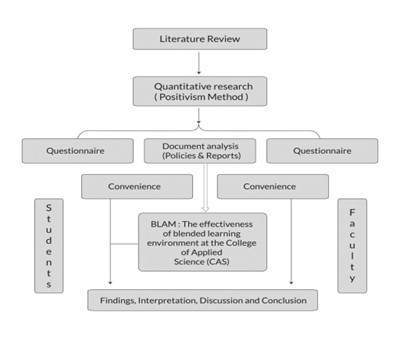
Research methodology services
- Tool Development Services
- Sample Work
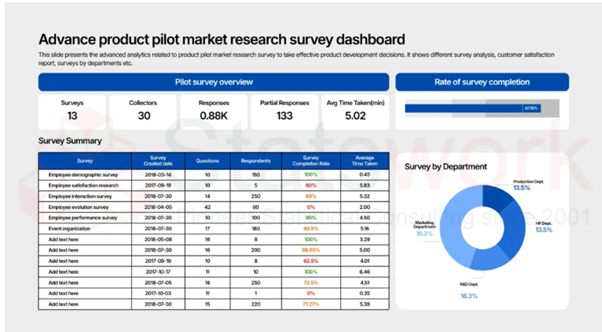
Tool development services
- Statistical Interpretation services
-
Statistical Interpretation services
- Sample Work
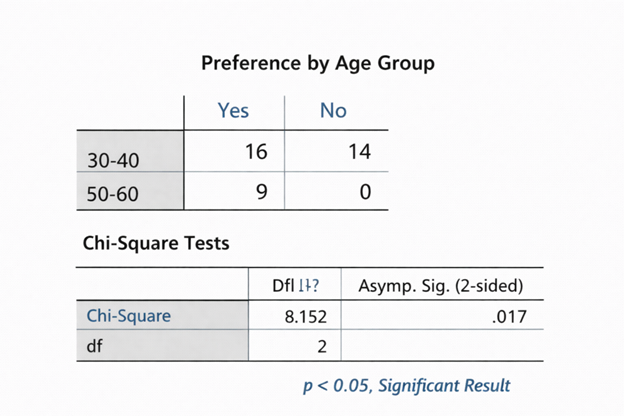
Statistical Interpretation services
-
- Sample Size Calculation Services
-
Sample Size Calculation Services
- Sample Work
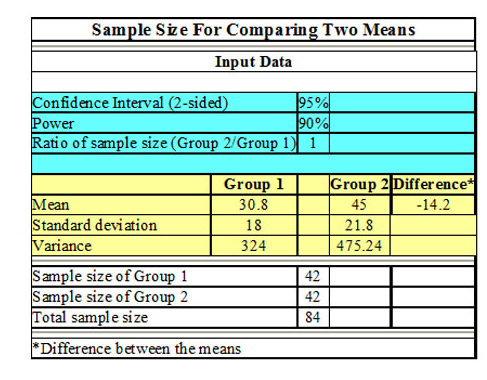
Sample Size Calculation Services
-
- AI & ML Services
-
Artificial Intelligence and Machine Learning Services
- Sample Work
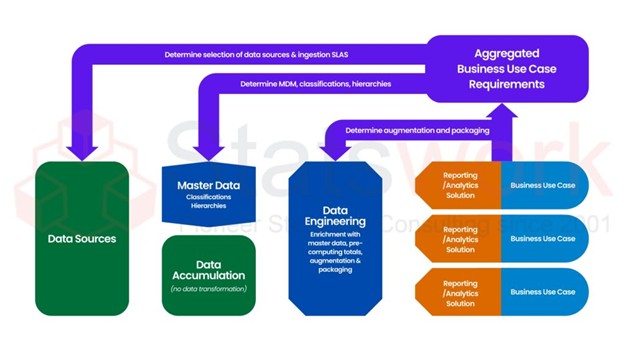
Artificial Intelligence and Machine Learning Services
-
- Meaningful Visualization Services
- Thought Leadership Services
- Report Generation Services
-
Report generation Service
- Sample Work
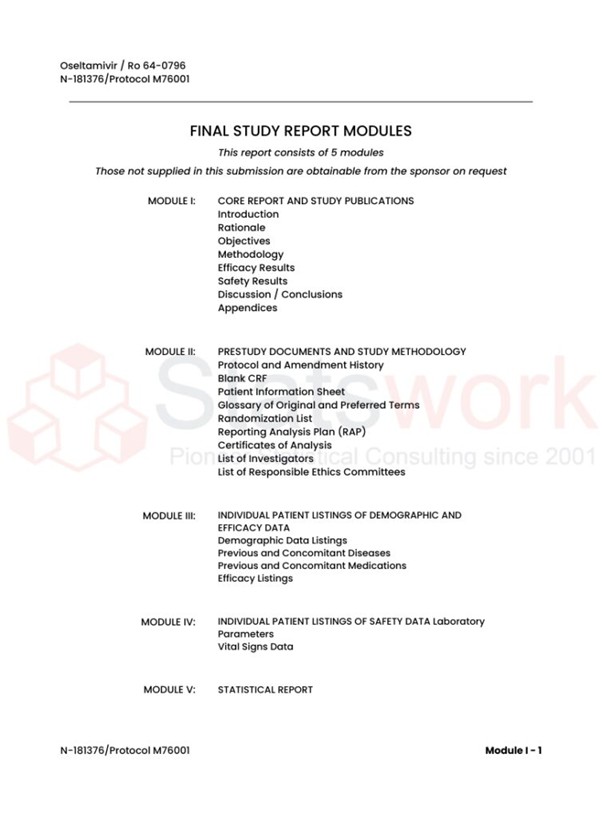
Report generation Services
-
- Data Analysis services
- Industries
- About Us
- Blog
- Insights
- Contact Us
- Services
- Data Analysis services
- Sample Work
Data Analysis services
- Secondary Qualitative Research Services
- Secondary Quantitative Research Services
- Meta-Analysis Research services
- Sample Work
Meta-Analysis Research Services
- Data Collection Services
- Sample Work
Data Collection Services
- Statistical & Biostatistics services
- Sample Work
Statistical Programming & Biostatistics services
- Data Management Services
- Sample Work
Data Management Services
- Research methodology services
- Sample Work
Research methodology services
- Tool Development Services
- Sample Work
Tool development services
- Statistical Interpretation services
-
Statistical Interpretation services
- Sample Work
Statistical Interpretation services
-
- Sample Size Calculation Services
-
Sample Size Calculation Services
- Sample Work
Sample Size Calculation Services
-
- AI & ML Services
-
Artificial Intelligence and Machine Learning Services
- Sample Work
Artificial Intelligence and Machine Learning Services
-
- Meaningful Visualization Services
- Thought Leadership Services
- Report Generation Services
-
Report generation Service
- Sample Work
Report generation Services
-
- Data Analysis services
- Industries
- About Us
- Blog
- Insights
- Contact Us
How Research Planning Improves Data Collection and Statistical Analysis Accuracy
- Home
- Insights
- Article
- How Research Planning Improves Data Collection and Statistical Analysis Accuracy
Qualitative Research Service
- Understanding Research Planning
- Importance of Accurate Data Collection in Research
- Role of Research Planning in Sampling Accuracy
- Improving Statistical Analysis Through Research Planning
- Reducing Research Errors Through Planning
- Importance of Research Planning in Academic and Business Research
- Conclusion
News & Trends
Recommended Reads
Contact us
Introduction
- 1. Understanding Research Planning
- 2. Importance of Accurate Data Collection in Research
- 3. Role of Research Planning in Sampling Accuracy
- 4. Improving Statistical Analysis Through Research Planning
- 5. Reducing Research Errors Through Planning
- 6. Importance of Research Planning in Academic and Business Research
- 7. Conclusion
Research planning is one of the key factors that guarantee the success of any academic, business, and scientific studies. Good research planning is like a roadmap that can help the researcher organize each stage of the research process, from setting objectives to performing statistical analysis. Effective planning helps to ensure that research is carried out more efficiently and accurately and leads to obtaining reliable results in terms of collecting and analysing data. Poorly planned research can suffer from biases, improper sampling methods, inadequate research techniques, and wrong conclusions made by the researcher.
At present, when the data-driven decision-making process has become particularly crucial, research planning has been made an integral element of conducting dissertation research, business studies, health care research, and scientific investigation.
Understanding Research Planning
Research planning can be defined as the activity involving designing and organizing all research-related activities prior to the process of data collection.
The formulation of a proper research plan is essential for ensuring that researchers will not face any complications during the research process and that the research process adheres to scientific requirements. With the help of an effective research plan, researchers can determine the possible problems that might arise during research and find appropriate solutions to them.
The key aspects of research planning are:
- Identification of research objectives and hypotheses
- Specification of a research methodology
- Conducting a sampling process and determining the number of samples
- Data collection procedures
- Statistical analysis techniques
- Timelines and procedures
All these aspects contribute to enhancing the overall quality of research results.
Importance of Accurate Data Collection in Research
The process of data collection happens to be among the most important aspects of conducting any research study. The integrity of collected data determines the integrity of findings generated from it. Incomplete, incorrect or erroneous data would lead to erroneous results.
The planning of a research study assists in improving the accuracy of the data being collected because it allows researchers to select proper techniques and instruments for collecting required data. The collected data should match the research purpose and enable proper statistics.
Collecting accurate data has many advantages such as:
- The reliability of findings produced through the research
- The reduction of mistakes and errors
- The improvement of decision-making
- Validity of the conducted statistical analysis
- The overall credibility of the research study
Through appropriate planning, researchers can know the type of data required, whether quantitative or qualitative or both before embarking on their research studies.

Role of Research Planning in Sampling Accuracy
Sampling is one of the important variables influencing the accuracy of findings. Researchers may end up having wrong results if the samples were not well chosen. This will mean that their findings are not true representations of what happened. Effective planning enables researchers to know how to select their samples and the ideal sample size.
Some of the sampling techniques that the researcher chooses through proper planning include:
- Simple random sampling
- Stratified sampling
- Cluster sampling
- Systematic sampling
- Convenience sampling
Good research planning enables researchers to identify the ideal sample size. Small samples may lead to inaccurate results whereas big samples make the whole process costly.
With good research planning, the following advantages are expected;
- The sample represents the target population
- The results obtained are accurate since there is less biasness
- The researcher finds it easy to interpret results
- Statistical power
- High reliability
Improving Statistical Analysis Through Research Planning
Statistical analysis is used to analyse the data collected to discover patterns, relationships, and trends in them. Accurate statistical analysis requires a good research design and data collection technique.
The planning phase of research makes it possible for the researcher to select appropriate statistical tools before starting the data collection process. This avoids using the wrong analysis tools that can result in misinterpretation of findings.
Some commonly used statistical techniques are as follows:
- Descriptive Statistics
- Regression Analysis
- Correlation Analysis
- ANOVA
- T-test
- Chi-square test
- Factor analysis
Selection of an appropriate statistical tool requires many considerations such as purpose, nature of data, and sample size. It becomes easy when proper research planning takes place.
Advantages of effective statistical planning include:
- Avoidance of mistakes in data analysis
- Improved interpretation accuracy
- Reduced bias in results
- Appropriate selection of data analysis methods
- Increased confidence in conclusions
Academic and business researchers require accurate statistics in their analyses since significant decisions can be made based on their findings.
Reducing Research Errors Through Planning
The main benefit of research planning is error minimization. Research may be associated with many problems like lack of data, inconsistent responses, measuring errors, methodical flaws, etc. However, most of them may be avoided with correct planning.
Planning of the research enables researchers to predict risks associated with the study and develop strategies for data verification, pilot testing, and quality control to ensure accurate results.
Some of the common errors which may be avoided during research include:
- sampling errors
- measuring errors
- data entry errors
- response bias
- statistics interpretation errors
It should also be mentioned that pre-tests are part of research planning and provide an opportunity to check whether questionnaires, interviews, data collection tools, etc., will provide reliable data.
Importance of Research Planning in Academic and Business Research
The importance of research planning is felt in many sectors and academic disciplines. Academic research uses it to ensure that students or professionals produce better research papers such as dissertations, thesis, and other journal publications. Universities usually ask for research proposals since the process of planning proves the practicality and scientific value of the research.
Businesses use research planning when analysing the market environment, customers’ behaviours, and making financial forecasts. Business success depends on the accuracy of data and analysis carried out using statistics.
Research planning plays a key role in healthcare research by ensuring accurate results of clinical research as well as patient data analysis.
The bottom line is that irrespective of what field you are involved in, research planning always makes it easier to conduct research work.
Conclusion
The process of research planning is an important aspect in enhancing accuracy in data collection and statistics analysis. Through research planning, the researcher is able to plan on how he/she will conduct his/her research, choose methodology, choose sample sizes, and how best to analyse the data statistically.
Data collection and analysis play an integral role in ensuring the production of reliable and realistic research results. However, without adequate research planning, there can be problems faced by the researcher.
Professional support from Statswork’s Research Planning Services helps researchers develop well-structured research frameworks, select appropriate methodologies, identify suitable statistical tools, and improve overall research accuracy. With expert guidance in research design, sampling strategies, and statistical planning, Statswork supports students, scholars, and organizations in achieving reliable and high-quality research outcomes.
Reference
- Al-Dmour, R., Al-Dmour, H., Basheer Amin, E., & Al-Dmour, A. (2025). Impact of AI and big data analytics on healthcare outcomes: an empirical study in Jordanian healthcare institutions. Digital Health, 11, 20552076241311051. https://journals.sagepub.com/doi/
- Ahmed, M. K., Rozario, E., Mohonta, S. C., Ferdousmou, J., Saimon, A. S. M., Moniruzzaman, M., … & Hasan, R. (2025). Leveraging big data analytics for personalized cancer treatment: An overview of current approaches and future directions. Journal of Engineering, 2025(1), 9928467.https://onlinelibrary.wiley
- Rahman, M. M. (2025). Data analytics for strategic business development: a systematic review analyzing its role in informing decisions, optimizing processes, and driving growth. Journal of Sustainable Development and Policy, 1(01), 285-314.https://jsdp-journal.org/index.php/jsdp/article/
- Ojo, D. A. (2025). A data-driven framework for project risk monitoring using decision intelligence and predictive analytics. Journal of Management, and Development Research, 2(2), 125-136.https://journals.stecab.com/