
- Services
- Data Analysis services
- Sample Work
Data Analysis services
- Secondary Qualitative Research Services
- Secondary Quantitative Research Services
- Meta-Analysis Research services
- Sample Work
Meta-Analysis Research Services
- Data Collection Services
- Sample Work
Data Collection Services
- Statistical & Biostatistics services
- Sample Work
Statistical Programming & Biostatistics services
- Data Management Services
- Sample Work
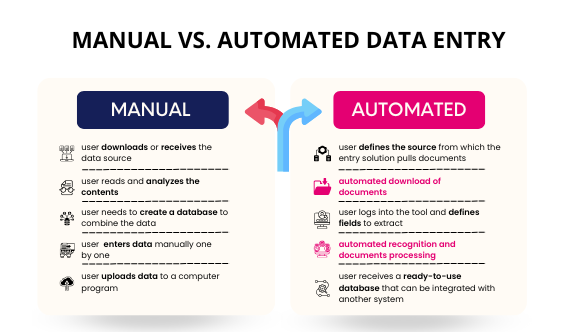
Data Management Services
- Research methodology services
- Sample Work
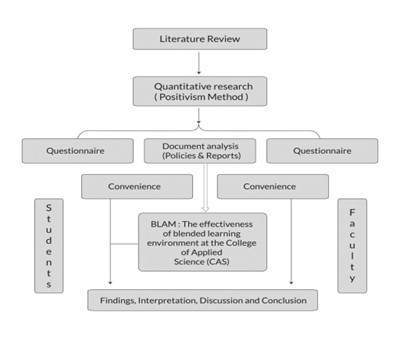
Research methodology services
- Tool Development Services
- Sample Work
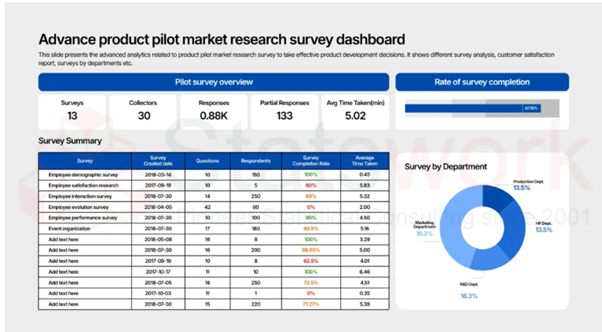
Tool development services
- Statistical Interpretation services
-
Statistical Interpretation services
- Sample Work
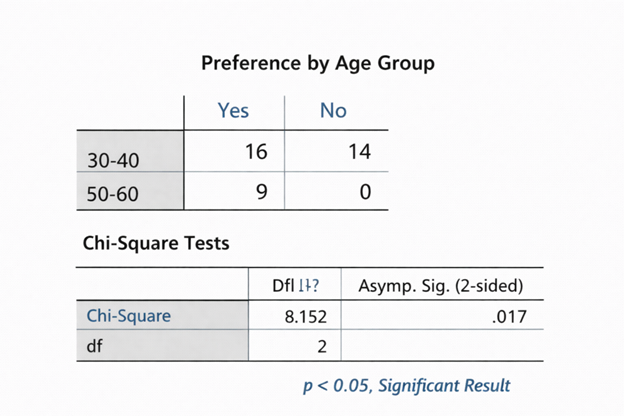
Statistical Interpretation services
-
- Sample Size Calculation Services
-
Sample Size Calculation Services
- Sample Work
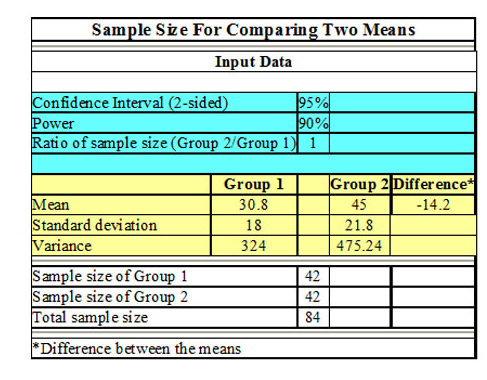
Sample Size Calculation Services
-
- AI & ML Services
-
Artificial Intelligence and Machine Learning Services
- Sample Work
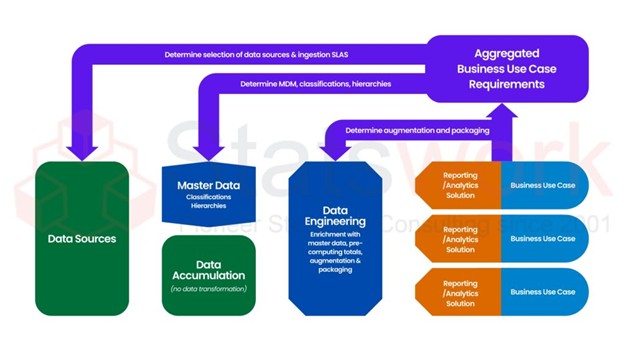
Artificial Intelligence and Machine Learning Services
-
- Meaningful Visualization Services
- Thought Leadership Services
- Report Generation Services
-
Report generation Service
- Sample Work
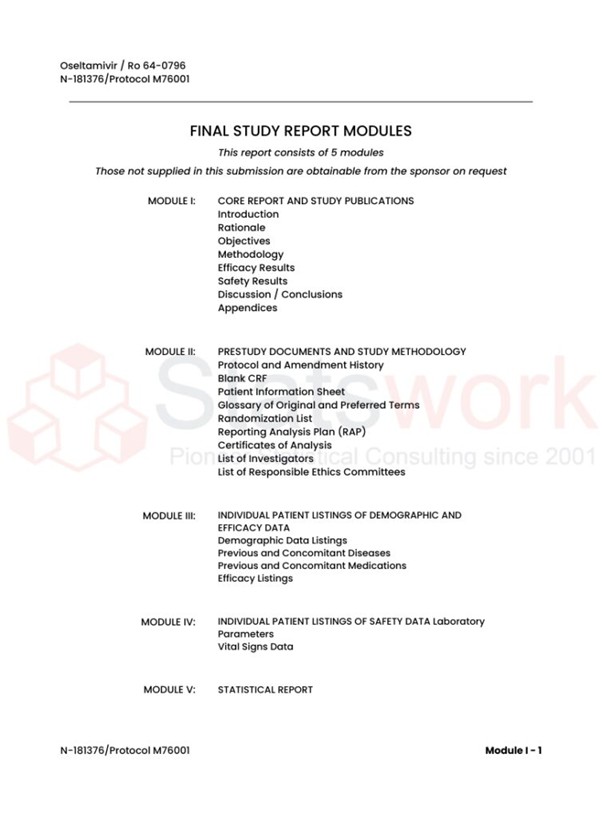
Report generation Services
-
- Data Analysis services
- Industries
- About Us
- Blog
- Insights
- Contact Us
- Services
- Data Analysis services
- Sample Work
Data Analysis services
- Secondary Qualitative Research Services
- Secondary Quantitative Research Services
- Meta-Analysis Research services
- Sample Work
Meta-Analysis Research Services
- Data Collection Services
- Sample Work
Data Collection Services
- Statistical & Biostatistics services
- Sample Work
Statistical Programming & Biostatistics services
- Data Management Services
- Sample Work
Data Management Services
- Research methodology services
- Sample Work
Research methodology services
- Tool Development Services
- Sample Work
Tool development services
- Statistical Interpretation services
-
Statistical Interpretation services
- Sample Work
Statistical Interpretation services
-
- Sample Size Calculation Services
-
Sample Size Calculation Services
- Sample Work
Sample Size Calculation Services
-
- AI & ML Services
-
Artificial Intelligence and Machine Learning Services
- Sample Work
Artificial Intelligence and Machine Learning Services
-
- Meaningful Visualization Services
- Thought Leadership Services
- Report Generation Services
-
Report generation Service
- Sample Work
Report generation Services
-
- Data Analysis services
- Industries
- About Us
- Blog
- Insights
- Contact Us
The Power of Object Tracking for Security and Analytics in E-Commerce
- Home
- Insights
- Article
- The Power of Object Tracking for Security and Analytics in E-Commerce
Object Video Collection
- What is Object Tracking and How Does it Apply to E-Commerce Processes?
- In what ways can object tracking enrich the E-Commerce customer experience?
- What is the Purpose of Object Tracking for Improving Security of E-Commerce Transactions?
- What Are the Key Benefits of Object Tracking for E-Commerce Businesses?
- What Are Some Real-Life Examples of Object Tracking in E-Commerce?
- What is the Future of Object Tracking in the E-Commerce Industry?
- Conclusion
News & Trends
Recommended Reads
Contact us
The Power of Object Tracking for Security and Analytics in E-Commerce
Table of Content
- 3. What is the Purpose of Object Tracking for Improving Security of E-Commerce Transactions?
- 4. What Are the Key Benefits of Object Tracking for E-Commerce Businesses?
- 5. What Are Some Real-Life Examples of Object Tracking in E-Commerce?
- 6. What is the Future of Object Tracking in the E-Commerce Industry?
- 7. Conclusion
May 2025 | Source: News-Medical
Introduction
As e-commerce continues to develop, companies must use the latest technologies to stay ahead of competitors. One of those technologies is object tracking in e-commerce, which is changing the way companies interact with customers and operate. This technology, powered by video object tracking and intelligent video analysis, is beneficial for e-commerce companies that want to improve security, gain insights into customer behaviour, improve operations, and enhance the shopping experience.[1]
Object tracking enables businesses to interactively track an item, a person, or movement in real time to minimize fraud, make more informed decisions, and manage inventory effectively. This article will examine how computer vision for e-commerce is revolutionizing retail through object tracking and how businesses can use it to succeed.
What is Object Tracking and How Does it Apply to E-Commerce Processes?
- Object tracking refers to the real-time attention of movement on objects (e.g., customers, products, or goods). It can be utilized in e-commerce in both online and in-person formats through single object tracking (SOT) and multiple object tracking (MOT)[2]
- In Online E-Commerce: Object tracking monitors the behaviour of customers while visiting websites (clicks, ad views, purchase history). These insights are part of e-commerce analytics solutions that improve personalization.
- In Physical Stores/Warehouses: Object tracking monitors the movement of products within warehouses and stores involved in shipping, which optimizes stock management and improves shipping reliability.[4]
In what ways can object tracking enrich the E-Commerce customer experience?
Object tracking plays a significant part in enhancing personalization in the shopping experience and providing a more immersive experience:
- Product Browsing/purchase Patterns – Lets the e-commerce site track the internal behaviour of customers and provide product suggestions based on what the customer is viewing.
- Digital Try-On – E-commerce applications provide customers with the ability to digitally try on clothing or accessories, which can help with product selection and cause the customer to make fewer returns.[5]
- Insights into Website Behaviour – Tracking and analytics makes it easy to determine how customers are navigating the web site when analysing engagement with web pages and product search.
What is the Purpose of Object Tracking for Improving Security of E-Commerce Transactions?
Object tracking helps to improve e-commerce security in the following ways:
- Fraud Detection: Detects suspicious patterns (e.g., multiple accounts, odd purchasing) of behaviour.
- Inventory Protection: Tracks item movement in warehouses after they are sent, to mitigate theft or loss.[2]
- Delivery Tracking: Provides shipping status and accurate item tracking, to limit delivery fraud.
Benefit | Description |
Fraud Prevention | Identifies accounts and purchases that are potentially suspicious. |
Inventory Security | Monitors shipments of items to provide security against theft and mistakes. |
Transaction Monitoring | Monitors payments to prevent fraud in real-time. |
How Can Object Tracking Streamline E-Commerce Operations and Logistics?
Tracking objects enables optimization of various e-commerce operations and processes through Object Video Collection and multiple object tracking (MOT) systems.
- Inventory Management: Provides real-time visibility into stocks and limits the risks of both overstocking and stockouts.
- Warehousing Efficiency: Video object tracking tracks product movement through warehouses and improves order picking and packing.
- Shipping and Delivery: Real-time tracking of shipments, limits delays, and improves the user journey.[4]
What Are the Key Benefits of Object Tracking for E-Commerce Businesses?
Object tracking provides many benefits to e-commerce businesses:
- Enhanced Customer Insights: You can track customer interactions to produce relevant and useful data that allow you to improve your product offerings and marketing strategies.
- Increased Conversion Rates: Understanding customer behaviour will help you improve site navigation and decrease cart abandonment.
- Improved Fraud Prevention: You will be able to review and track purchasing behaviour in real time, which can helps catch fraud risk before it happens.
- Cost Savings: Object tracking can optimize inventory management, reduce waste and storage cost, and improve profitability.
Benefits briefly:
Benefit | Impact |
Customer Understanding | Better tailoring of product recommendations and personalization |
Increased conversions | Improved user experience and sales |
Fraud detection and prevention | Real-time identification of suspicious activity |
Operational efficiency | Better optimized inventory and delivery processes. |
What Are Some Real-Life Examples of Object Tracking in E-Commerce?
Example of an E-Commerce Giant: A large eCommerce retailer has utilized object tracking for managing its warehouses, resulting in 30% faster order fulfilment times, and 10% savings in shipping costs.
What Challenges Should E-Commerce Businesses Consider When Implementing Object Tracking?
There are several challenges related to object tracking that can be identified:
- Data Privacy: Protect customer data and meet privacy standards such as GDPR.
- Incompatibility: Object tracking is a complicated and potentially costly feature to implement into existing e-commerce platforms. [2]
- Implementation Cost: Object tracking requires a lot of software, sensors, and training, which makes it a “costly” solution.
Challenges to Address:
Challenge | Solution |
Data Privacy | Ensure compliance with GDPR and other regulations. |
Integration | Work with specialized providers for smooth integration. |
Initial Cost | Calculate ROI and focus on long-term benefits. |
What is the Future of Object Tracking in the E-Commerce Industry?
As technology continues to improve, we anticipate that object tracking will continue to become an even more powerful tool. Here are some possibilities for how it may change in the future:
- AI-Powered Insights: Businesses will use artificial intelligence to better predict customer behaviour as well as optimize their marketing strategy.
- Augmented Reality (AR): Combining object tracking with augmented reality will enable even more engaging shopping experiences where customers try on clothing or visualize products in the real world.[5]
- Predictive Analytics: Object tracking will allow businesses to better anticipate demand, optimize their inventory, and provide more transparency throughout a supply chain.
Future Trends:
Trend | Impact |
AI Integration | More advanced predictive analytics for personalization. |
AR Technology | Better virtual shopping experiences. |
Predictive Analytics | More efficient inventory and supply chain management. |
Conclusion
Object tracking in e-commerce is at the forefront of innovation, enhancing security, customer understanding, and operational efficiency. Through video object tracking, multiple object tracking (MOT), and intelligent video analysis, e-commerce companies can leverage technology for everything from fraud prevention to personalized shopping. The advantages of this technology are apparent. Businesses that adopt computer vision for e-commerce and e-commerce video analytics can stay competitive in a data-driven world.[5]
At Statswork, we specialize in harnessing the power of object tracking to elevate your e-commerce operations. Whether you’re looking to optimize customer experiences, improve security, or gain valuable insights, our tailored e-commerce analytics solutions can help your business thrive in this fast-paced digital landscape.
Partner with Statswork today to unlock the full potential of object tracking for your business.
References
- Boucouvalas, A. C., Aivalis, C. J., & Gatziolis, K. (2015, July). Integrating retail and e-commerce using Web Analytics and intelligent sensors. In International Conference on E-Business and Telecommunications(pp. 3-35). Cham: Springer International Publishing.https://link.springer.com/chapter/10.1007/978-3-319-30222-5_1
- Zhu, Z., Bai, Y., Dai, W., Liu, D., & Hu, Y. (2021). Quality of e-commerce agricultural products and the safety of the ecological environment of the origin based on 5G Internet of Things technology. Environmental Technology & Innovation, 22, 101462.https://www.sciencedirect.com/science/article/abs/pii/S2352186421001103
- Yenisey, M. M., Ozok, A. A., & Salvendy, G. (2005). Perceived security determinants in e-commerce among Turkish university students. Behaviour & Information Technology, 24(4), 259-274.https://www.tandfonline.com/doi/abs/10.1080/0144929042000320992