
- Services
- Data Analysis services
- Sample Work
Data Analysis services
- Secondary Qualitative Research Services
- Secondary Quantitative Research Services
- Meta-Analysis Research services
- Sample Work
Meta-Analysis Research Services
- Data Collection Services
- Sample Work
Data Collection Services
- Statistical & Biostatistics services
- Sample Work
Statistical Programming & Biostatistics services
- Data Management Services
- Sample Work
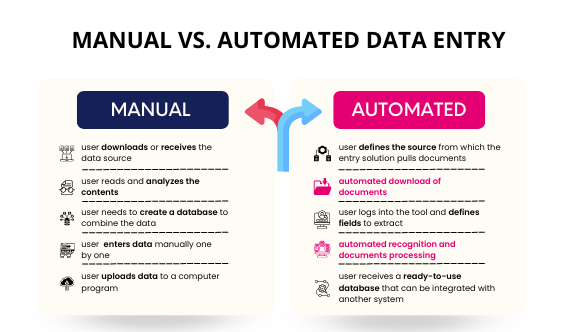
Data Management Services
- Research methodology services
- Sample Work
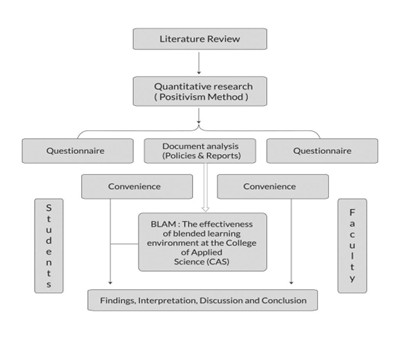
Research methodology services
- Tool Development Services
- Sample Work
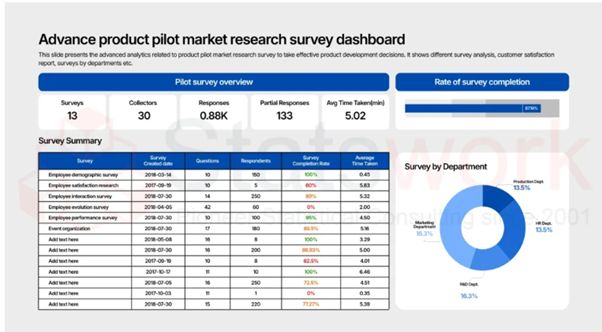
Tool development services
- Statistical Interpretation services
-
Statistical Interpretation services
- Sample Work
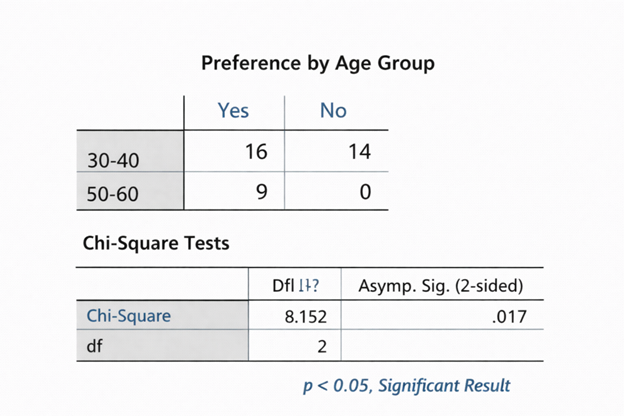
Statistical Interpretation services
-
- Sample Size Calculation Services
-
Sample Size Calculation Services
- Sample Work
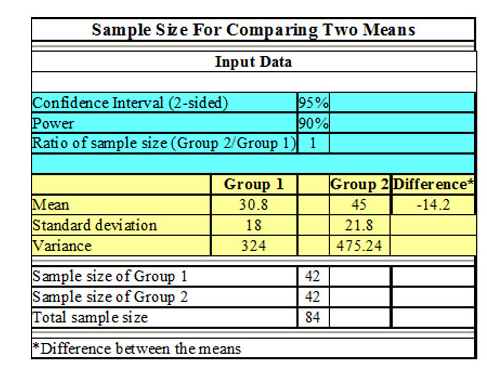
Sample Size Calculation Services
-
- AI & ML Services
-
Artificial Intelligence and Machine Learning Services
- Sample Work
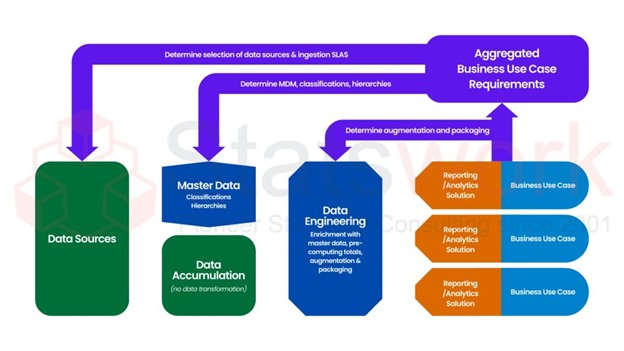
Artificial Intelligence and Machine Learning Services
-
- Meaningful Visualization Services
- Thought Leadership Services
- Report Generation Services
-
Report generation Service
- Sample Work
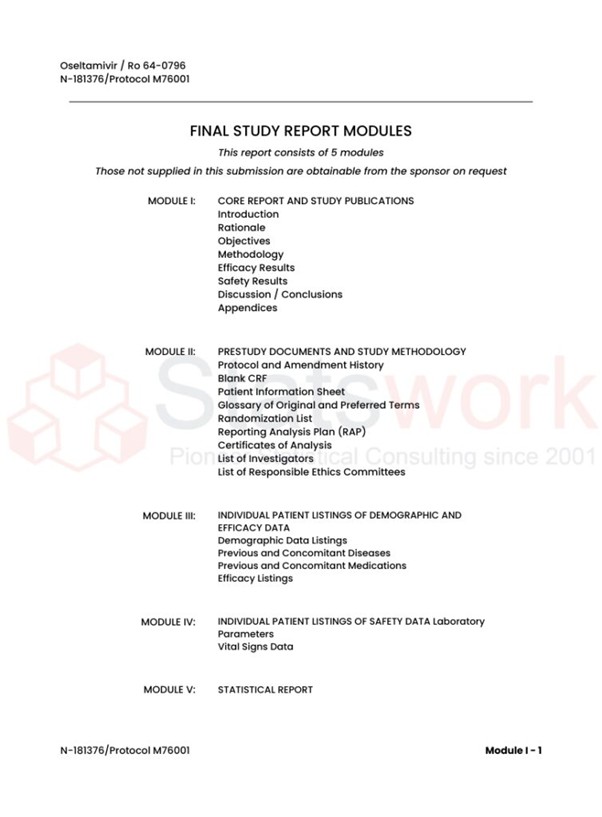
Report generation Services
-
- Data Analysis services
- Industries
- About Us
- Blog
- Insights
- Contact Us
- Services
- Data Analysis services
- Sample Work
Data Analysis services
- Secondary Qualitative Research Services
- Secondary Quantitative Research Services
- Meta-Analysis Research services
- Sample Work
Meta-Analysis Research Services
- Data Collection Services
- Sample Work
Data Collection Services
- Statistical & Biostatistics services
- Sample Work
Statistical Programming & Biostatistics services
- Data Management Services
- Sample Work
Data Management Services
- Research methodology services
- Sample Work
Research methodology services
- Tool Development Services
- Sample Work
Tool development services
- Statistical Interpretation services
-
Statistical Interpretation services
- Sample Work
Statistical Interpretation services
-
- Sample Size Calculation Services
-
Sample Size Calculation Services
- Sample Work
Sample Size Calculation Services
-
- AI & ML Services
-
Artificial Intelligence and Machine Learning Services
- Sample Work
Artificial Intelligence and Machine Learning Services
-
- Meaningful Visualization Services
- Thought Leadership Services
- Report Generation Services
-
Report generation Service
- Sample Work
Report generation Services
-
- Data Analysis services
- Industries
- About Us
- Blog
- Insights
- Contact Us
Top Tools Used for Secondary Data Collection in Research
Meta Analysis Service
- What Tools Are Used for Secondary Data Collection in Research?
- Data Repositories and Research Databases for Secondary Data
- Government Datasets and Public Data Sources for Researchers
- Survey Platforms and Data Collection Software for Research Studies
- Tools for Secondary Data Collection in Market Research
- Choosing the Best Software Options for Secondary Data Collection
- Conclusion
Recommended Reads
Contact us
Introduction to Secondary Data Collection Tools and Software for Researchers
Secondary data collection allows researchers to use existing datasets instead of collecting new data. Many researchers use secondary data collection tools and secondary data collection software to access information available in the data repository, research databases, surveys, and government data.
By knowing what tools are used in secondary data collection, a researcher can use the best software for secondary data collection in different fields. For example, there exists the best software for secondary data collection in health and best tools for secondary data collection in market research that can help a researcher find the best software for secondary data collection.
What Tools Are Used for Secondary Data Collection in Research?
| Tool Type | Tool Description |
| Research Databases | Researchers use research databases to obtain published research, journals, and reports, which can be used for secondary data collection. |
| Data Repositories | Data repositories are used to store data, and researchers can use this data for various research purposes. |
| Government Datasets | Government data sets include various statistical data, healthcare data, and economic data, which can be used for research [2]. |
| Survey Platforms | Survey platforms are online tools that can be used to obtain survey data, which can be used for secondary data collection. |
| Data Collection Software | Various data collection software tools can be used to manage data, which can be used for secondary data collection. |
Data Repositories and Research Databases for Secondary Data
Data repositories and research databases play a vital role in the collection of secondary research data. Data repositories and research databases provide a platform where research data can be stored in large quantities.
- Data Repositories for Research Data – Data repositories provide a place where research data collected in previous studies can be stored. This research data can then be used for secondary research.
- Access to Research Publications – Through research databases, researchers can access research publications that can be used in the collection of secondary research data [3].
- Reliable Secondary Data Sources – Researchers use secondary research tools to collect reliable research data for academic and scientific research.
- Used in Healthcare and Market Research – Many researchers use these tools in conjunction with other tools like the best software for secondary data collection in healthcare and secondary data collection in market research.
- Efficient Data Access – Data repositories and research databases provide efficient access to research data, and they also help in determining the best software to use in secondary research collection.
Government Datasets and Public Data Sources for Researchers
| Source Type | Description |
| Government Datasets | Open government datasets provide statistics for the purpose of collecting secondary data in research. |
| Reliable Public Data | These datasets are reliable tools for collecting secondary data, as they are gathered by official agencies. |
| Healthcare Research | These datasets are used in combination with the most powerful software for collecting secondary data in healthcare research for analyzing health-related data. |
| Market Research | These datasets are used in combination with tools for collecting secondary data in market research for analyzing economic trends [5]. |
Survey Platforms and Data Collection Software for Research Studies
The survey platform and data collection software are also used by researchers to access the previously collected survey data sets. These survey platforms are useful for secondary data collection by the researchers.
- Survey Platforms – Many survey platforms offer survey data that can be used by researchers for secondary data collection.
- Data Collection Software – Researchers make use of data collection software to analyze the data collected from the research databases.
- Healthcare Research – The best software for secondary data collection in healthcare can be used to analyze health survey data [3].
- Market Research Tools – Tools used for secondary data collection in market research can be used to analyze consumer survey data.
Tools for Secondary Data Collection in Market Research
| Tool Type | Description |
| Research Databases | Used as tools in carrying out secondary data for market trends and market reports. |
| Government Datasets | Economic and demographic data used in carrying out market research. |
| Data Repositories | Market data used in carrying out secondary data collection. |
| Survey Platforms | Access to existing consumer survey data for analysis. |
| Data Collection Software | Assists in managing data and identifying data collection software to use in carrying out secondary data collection. |
Choosing the Best Software Options for Secondary Data Collection
Choosing the right data collection software is critical in efficient collection of secondary data. Researchers should choose software that is appropriate for the study, data availability, and the reliability of the data source used in the study.
Use Research Databases for Academic Research
Researchers can use research databases to obtain data for their study.
Example: Researchers can use PubMed and Scopus to obtain data related to healthcare and scientific research.
Access Data Repositories for Large Datasets
Data repositories offer structured data sets that can be used for analysis in the study.
Example: Researchers can use Kaggle and Harvard Dataverse to obtain data sets for analysis.
Use Government Datasets for Public Research
Government data sets offer data that can be used in the study.
Example: Researchers can use World Bank Open Data and Census data.
Use Survey Platforms for Survey-Based Data
Survey platforms offer data sets that can be used in the study. Researchers can use the data sets to carry out analysis and obtain the desired information [2].
Example: Researchers can use Statista and Pew Research data sets.
By using the appropriate secondary data tools and software options for researchers, it becomes easy to identify the appropriate software to be used for secondary data collection based on the research field, such as healthcare, social sciences, and market research [5].
Conclusion
Secondary data collection also assists researchers in making use of the available data with the aid of different secondary data tools and data collection software, which include research databases, data repositories, survey tools, and government data.
The knowledge of tools used in secondary data collection assists researchers in selecting the appropriate software tools used by researchers and in selecting the best software tool for secondary data collection.
For data collection services, Statswork provides Secondary Quantitative Data Collection Services to researchers, which helps them access reliable data and conduct research.
References:
- Andersen, J. P., Prause, J., & Silver, R. C. (2011). A step‐by‐step guide to using secondary data for psychological research.Social and Personality Psychology Compass, 5(1), 56-75. https://compass.onlinelibrary.wiley.com
- Greenhoot, A. F., & Dowsett, C. J. (2012). Secondary data analysis: An important tool for addressing developmental questions. Journal of Cognition and Development, 13(1), 2-18. https://www.tandfonline.com/doi/abs/10.1
- Kairuz, T., Crump, K., & O’Brien, A. (2007). Tools for data collection and analysis. Pharmaceutical Journal, 278. https://www.researchgate.net/profile/
- Saini, S. K. Data Collection Methods and Tools for Research; Technique for Academic and Business Research Projects. SKCON-2023, 241. https://shreekrishnacollege.in/wp-content/uploads/2024/11/SKCON-E-Souv_F_compressed.pdf#page=245