
- Services
- Data Analysis services
- Sample Work
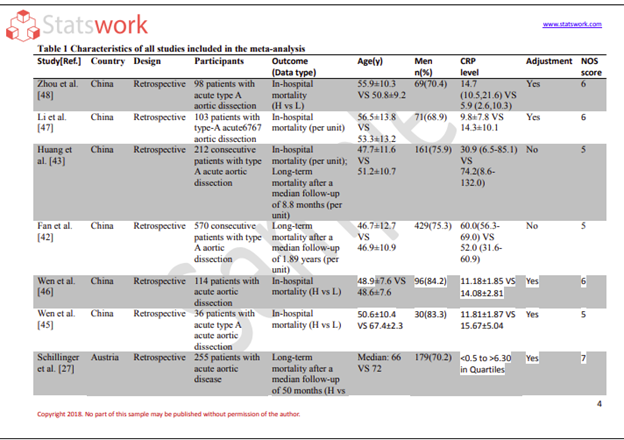
Data Analysis services
- Secondary Qualitative Research Services
- Secondary Quantitative Research Services
- Meta-Analysis Research services
- Sample Work
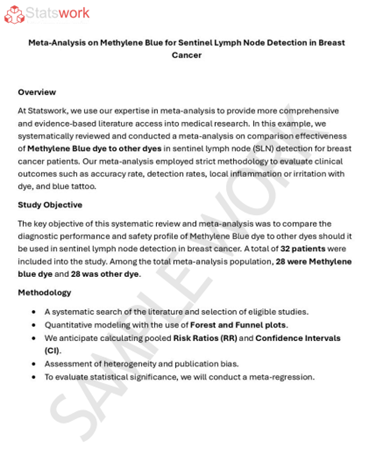
Meta-Analysis Research Services
- Data Collection Services
- Sample Work
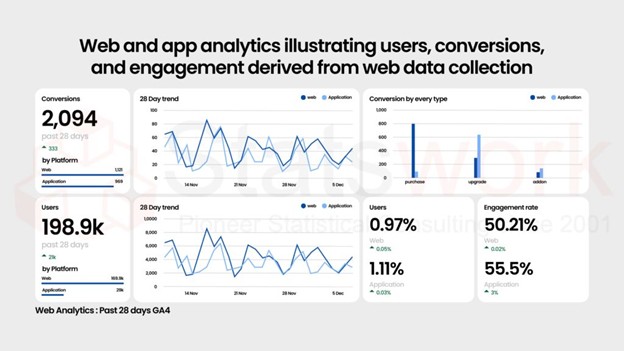
Data Collection Services
- Statistical & Biostatistics services
- Sample Work
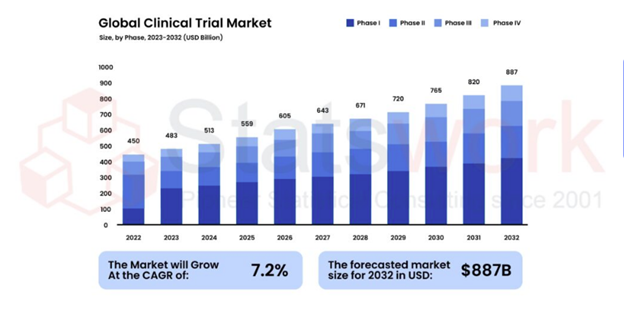
Statistical Programming & Biostatistics services
- Data Management Services
- Sample Work
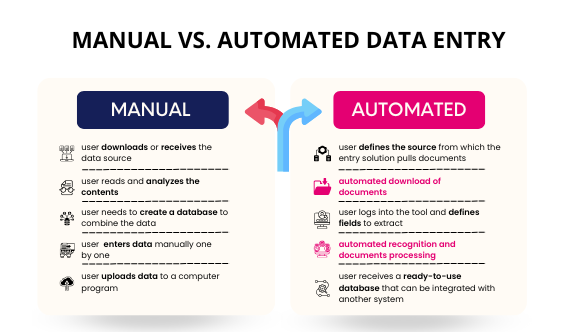
Data Management Services
- Research methodology services
- Sample Work
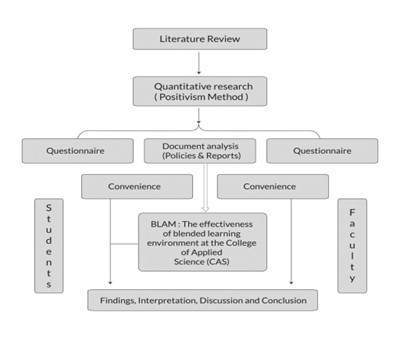
Research methodology services
- Tool Development Services
- Sample Work
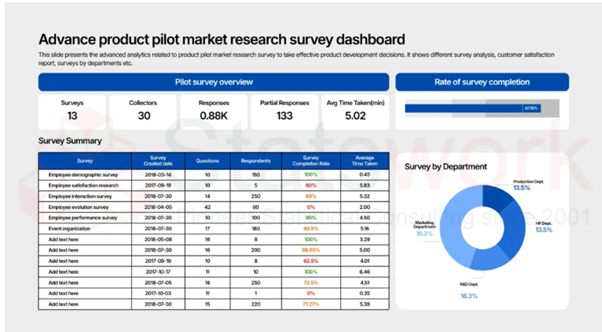
Tool development services
- Statistical Interpretation services
-
Statistical Interpretation services
- Sample Work
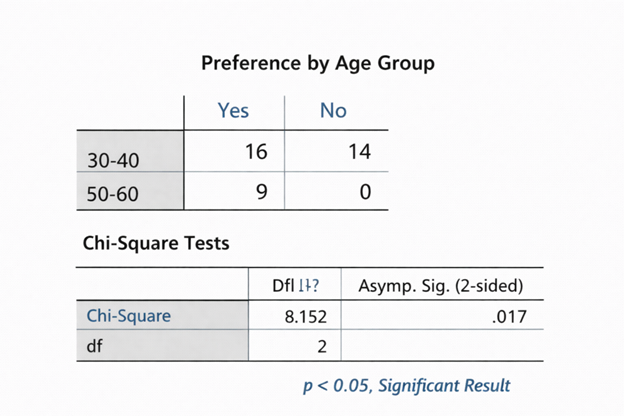
Statistical Interpretation services
-
- Sample Size Calculation Services
-
Sample Size Calculation Services
- Sample Work
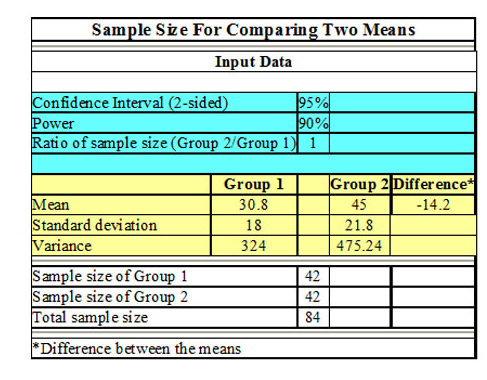
Sample Size Calculation Services
-
- AI & ML Services
-
Artificial Intelligence and Machine Learning Services
- Sample Work
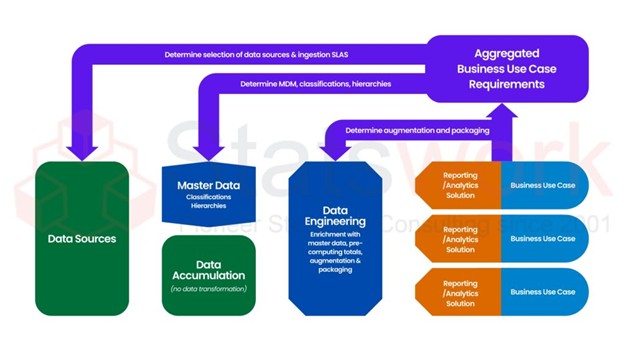
Artificial Intelligence and Machine Learning Services
-
- Meaningful Visualization Services
- Thought Leadership Services
- Report Generation Services
-
Report generation Service
- Sample Work
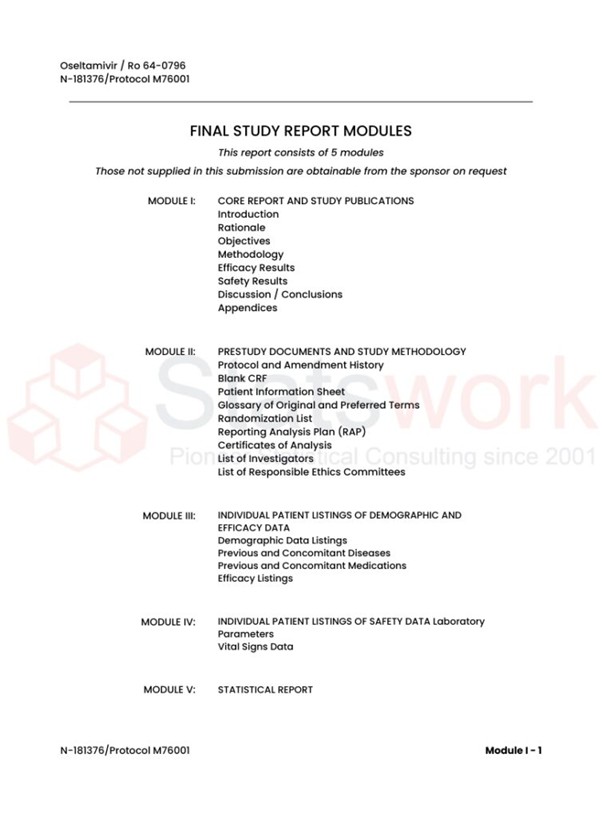
Report generation Services
-
- Data Analysis services
- Industries
- About Us
- Blog
- Insights
- Contact Us
- Services
- Data Analysis services
- Sample Work
Data Analysis services
- Secondary Qualitative Research Services
- Secondary Quantitative Research Services
- Meta-Analysis Research services
- Sample Work
Meta-Analysis Research Services
- Data Collection Services
- Sample Work
Data Collection Services
- Statistical & Biostatistics services
- Sample Work
Statistical Programming & Biostatistics services
- Data Management Services
- Sample Work
Data Management Services
- Research methodology services
- Sample Work
Research methodology services
- Tool Development Services
- Sample Work
Tool development services
- Statistical Interpretation services
-
Statistical Interpretation services
- Sample Work
Statistical Interpretation services
-
- Sample Size Calculation Services
-
Sample Size Calculation Services
- Sample Work
Sample Size Calculation Services
-
- AI & ML Services
-
Artificial Intelligence and Machine Learning Services
- Sample Work
Artificial Intelligence and Machine Learning Services
-
- Meaningful Visualization Services
- Thought Leadership Services
- Report Generation Services
-
Report generation Service
- Sample Work
Report generation Services
-
- Data Analysis services
- Industries
- About Us
- Blog
- Insights
- Contact Us
The Complete Guide to Qualitative and Quantitative Data Analysis Services
Meta Analysis Service
- What Is Qualitative and Quantitative Data Analysis?
- Difference Between Qualitative and Quantitative Analysis
- Key Methods Used in Data Analysis Services
- Benefits of Both Types of Data Analysis
- Qualitative and Quantitative Data Analysis for Healthcare
- How Do Both Types Improve Research?
- Role of Data Analysis Services in Business Research
- Data Reporting and Interpretation: Turning Insights into Action
- Conclusion: Unlocking the Power of Qualitative and Quantitative Analysis
Recommended Reads
Contact us
The Complete Guide to Qualitative and Quantitative Data Analysis Services
In today’s data-driven environment, where decisions and strategies are made based on data, it is important to know what constitutes qualitative and quantitative data analysis. This is important for businesses, researchers, and healthcare professionals alike. These two methods are the basis of modern data analytics, which helps organizations draw meaningful research conclusions from data [1].
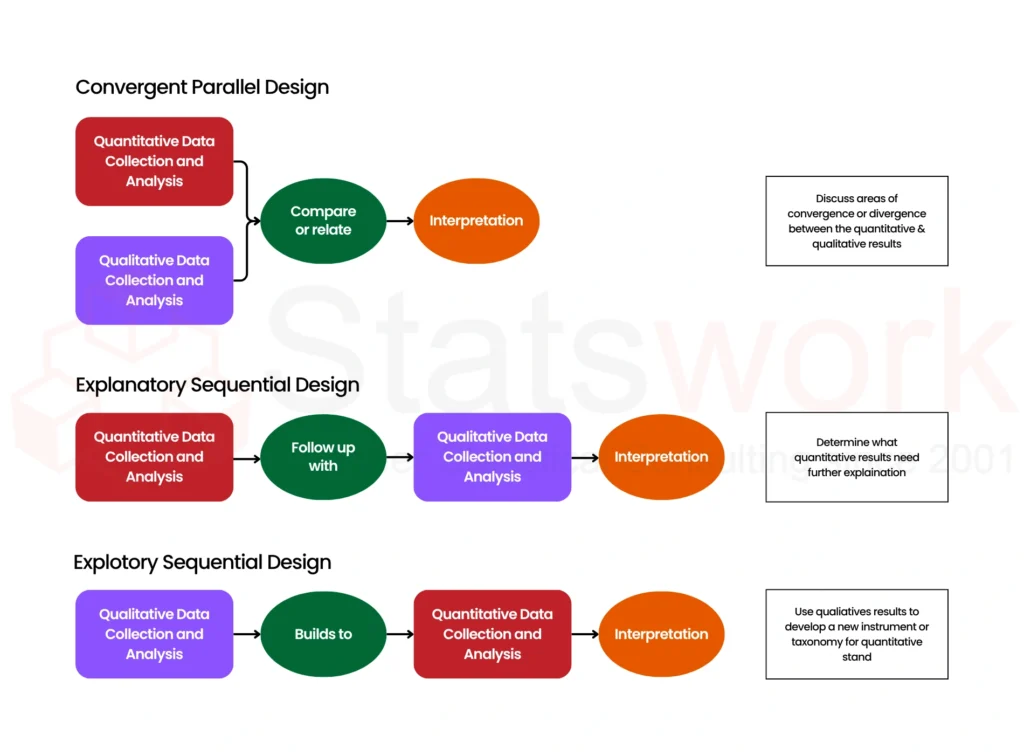
Many organizations are confused between using qualitative and quantitative data analysis methods. This confusion can sometimes lead to an incomplete understanding of data. This is where both methods can be used in conjunction with each other to give better results. While one helps in understanding patterns, behaviors, and experiences, the other involves working with numbers and results. Many organizations are using a professional data analysis service to combine both methods in an effective manner.
What Is Qualitative and Quantitative Data Analysis?
- Qualitative and quantitative data analysis are two fundamental methods of data analysis in research and business environments.
- Qualitative analysis deals with non-numerical data such as interviews, observations, and open-ended questions. It helps to gain insights into perceptions and experiences [2].
- Quantitative analysis deals with numerical data using statistical methods to measure variables and trends.
Both approaches provide a balanced understanding of the ‘why’ and ‘what’ behind the data.
Difference Between Qualitative and Quantitative Analysis
Understanding the basic difference between qualitative analysis and quantitative analysis will help you choose the best method for your research.
| Aspect | Qualitative Analysis | Quantitative Analysis |
|---|---|---|
| Data Type | Text, images, observations | Numbers, metrics |
| Purpose | Explore insights | Measure and test hypotheses |
| Methods | Interviews, focus groups | Surveys, experiments |
| Output | Themes, patterns | Statistical results |
Both methods are mutually supportive rather than competitive. They are used together to improve the overall quality of research [3].
Key Methods Used in Data Analysis Services
There are several key methods used by data analysis services, which are employed for business research purposes. These methods are as follows:
Qualitative Methods
- Thematic analysis
- Content analysis
- Case study evaluation
Quantitative Methods
- Statistical evaluation
- Regression analysis
- Data modeling
- Predictive analysis
These methods are used for the analysis of both structured and unstructured data, which further generates useful insights [4].
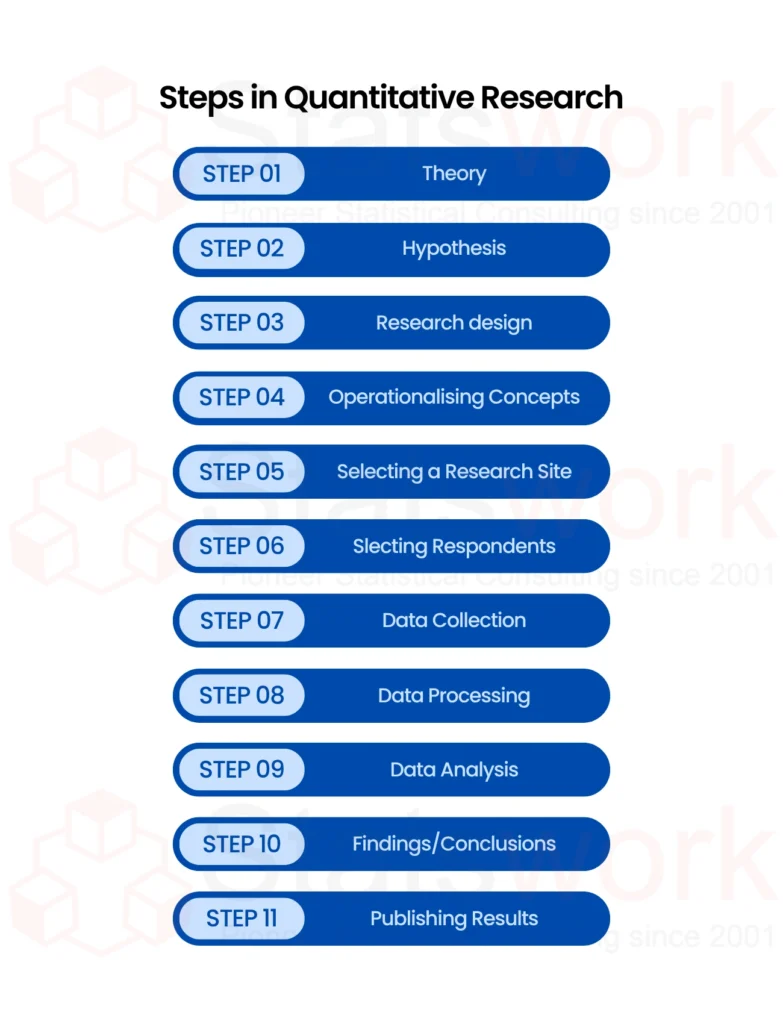
Fig 1: Steps Involved in Quantitative Data Analysis Process
Benefits of Both Types of Data Analysis
There are several advantages to both forms of data analysis when they are used in conjunction with one another in both research and business settings.
Combined Advantages
- Deeper and more holistic understanding
- Increases accuracy in data interpretation
- Improved decisions
- Increases in data findings
- Enhance data reporting
By combining both forms of data analysis, organizations can remove any form of bias in data findings [5].
Qualitative and Quantitative Data Analysis for Healthcare
Healthcare is one of the most critical sectors where qualitative as well as quantitative data analysis plays a vital role.
Applications for Healthcare
| Area | Qualitative Insights | Quantitative Insights |
| Patient Experience | Feedback, Satisfaction | Survey Scores |
| Clinical Research | Observations | Data from Trials |
| Effectiveness of Treatment | Behavioral Outcomes | Measurable Outcomes |
By using both qualitative as well as quantitative data analysis, healthcare services are improved.
How Do Both Types Improve Research?
The question that researchers always want to know is how both methods can enhance their research. The answer to that question is based on the benefits they can provide.
Qualitative analysis helps in understanding why things are happening, while quantitative analysis helps in validating those things with data. This helps in:
- Validation of Hypotheses
- Strong Conclusions
- Thorough Understanding of Research Problems
- Accuracy in Data Interpretation
When both qualitative and quantitative analysis are employed, research becomes better [3].
Role of Data Analysis Services in Business Research
Modern businesses heavily depend on data analysis service in conducting business research to ensure they are competitive in the market.
Key Business Applications
- Market Research and Customer Insights
- Performance Analysis and Forecasting
- Product Development and Optimization
- Risk Assessment and Decision Making
The data analysis service helps businesses convert data into strategies to ensure data-driven decisions are made to enhance business performance. By using data reporting and visualization techniques, businesses can switch from reactive to proactive strategies [4].
Data Reporting and Interpretation: Turning Insights into Action
However, collecting and analyzing data is only part of the process. The value in data lies in data reporting and data interpretation.
Why It Matters
- Translates complex data into an understandable format
- Helps to inform decisions with data
- Ensures transparency and clarity in data findings
Key Elements of Effective Reporting
- Clear visualizations (charts, dashboards)
- A brief summary of research findings
- Actionable recommendations
Strong reporting bridges the gap between analysis and decision-making.
Conclusion: Is a Data Analysis Company Right for Your Business?
To understand the importance of qualitative as well as quantitative data analysis, it is imperative for any organization to understand the concept of data analysis. While qualitative data analysis gives depth, quantitative data analysis gives numbers [5].
Thus, with the help of both data analysis tools, it has become possible for businesses as well as researchers to improve data interpretation, improve research, as well as improve the quality of decision-making.
Unlock deeper insights with Statswork’s expert data analysis services—combine qualitative and quantitative analysis to drive smarter research and data-driven decisions today.
FAQs
- What is qualitative and quantitative data analysis?
Qualitative focuses on non-numerical insights, while quantitative analysis uses numerical data and statistical evaluation to identify trends. - Which is better: qualitative or quantitative analysis?
Both are important and work best when combined to provide comprehensive and accurate insights. - How do both types improve research?
They provide deeper understanding and validate findings, improving accuracy and decision-making.
References:
- Moffatt, S., White, M., Mackintosh, J., & Howel, D. (2006). Using quantitative and qualitative data in health services research–what happens when mixed method findings conflict?[ISRCTN61522618]. BMC health services research, 6(1), 28. https://link.springer.com/article
- Barbour, R. S. (1999). The case for combining qualitative and quantitative approaches in health services research. Journal of health services research & policy, 4(1), 39-43. https://journals.sagepub.com
- Gremse, F. (2017). Qualitative and quantitative data analysis. In Small animal imaging: Basics and practical guide(pp. 529-545). Cham: Springer International Publishing. https://link.springer.com
- Bernard, H. R. (1996). Qualitative data, quantitative analysis. CAM Journal, 8(1), 9-11. https://journals.sagepub.com
- Richards, D. A., Bazeley, P., Borglin, G., Craig, P., Emsley, R., Frost, J., … & O” Cathain, A. (2019). Integrating quantitative and qualitative data and findings when undertaking randomised controlled trials. BMJ open, 9(11), e032081. https://bmjopen.bmj.com