
- Services
- Data Analysis services
- Sample Work
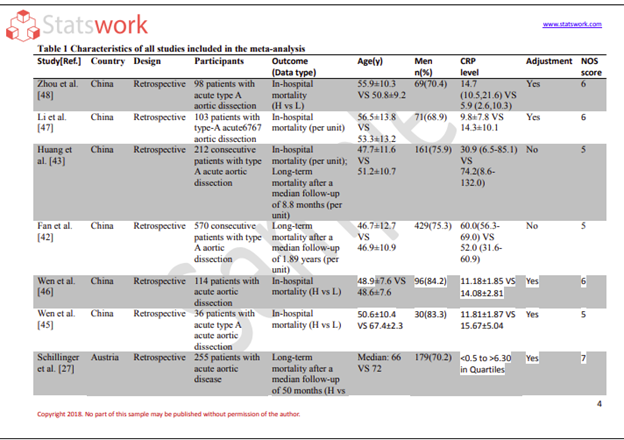
Data Analysis services
- Secondary Qualitative Research Services
- Secondary Quantitative Research Services
- Meta-Analysis Research services
- Sample Work
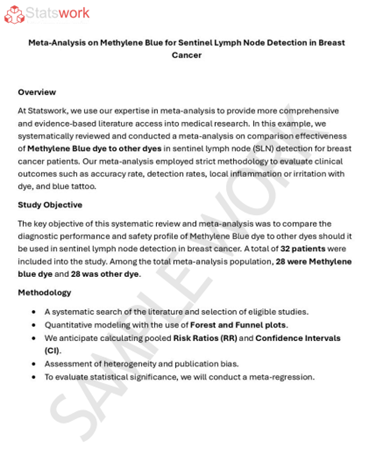
Meta-Analysis Research Services
- Data Collection Services
- Sample Work
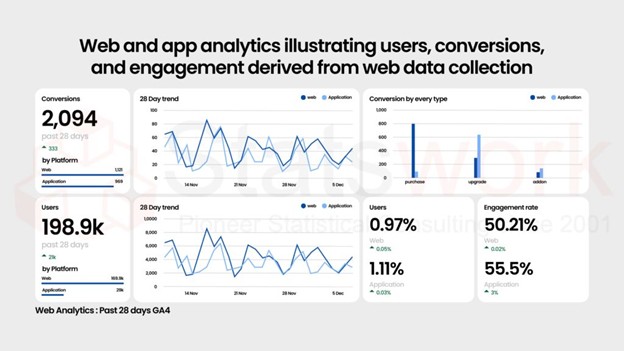
Data Collection Services
- Statistical & Biostatistics services
- Sample Work
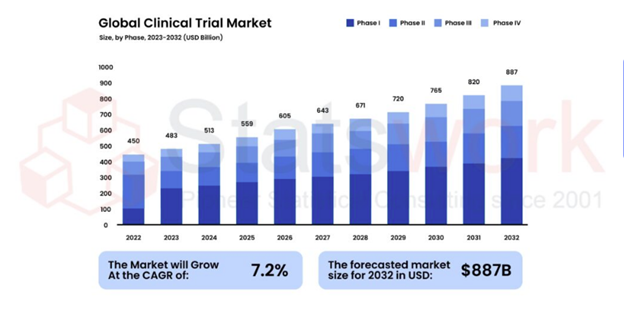
Statistical Programming & Biostatistics services
- Data Management Services
- Sample Work
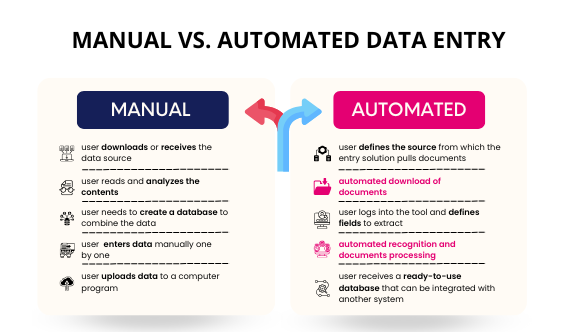
Data Management Services
- Research methodology services
- Sample Work
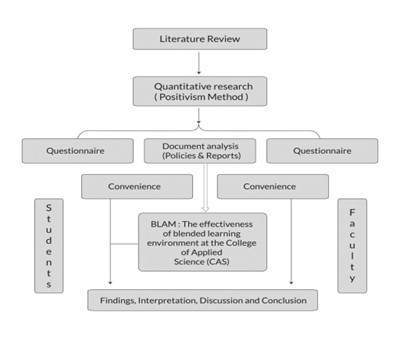
Research methodology services
- Tool Development Services
- Sample Work
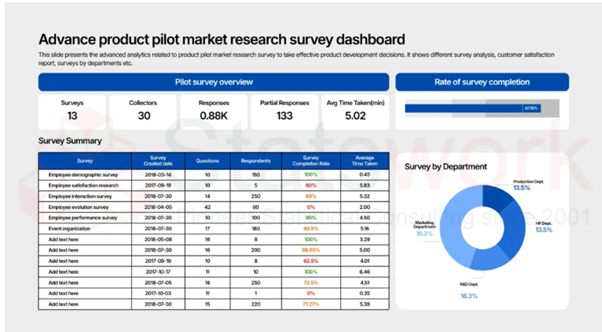
Tool development services
- Statistical Interpretation services
-
Statistical Interpretation services
- Sample Work
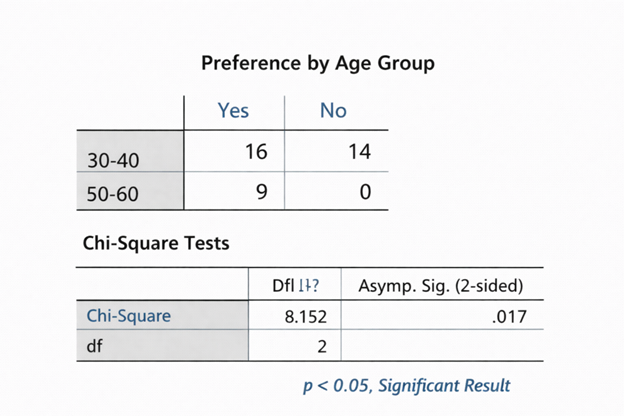
Statistical Interpretation services
-
- Sample Size Calculation Services
-
Sample Size Calculation Services
- Sample Work
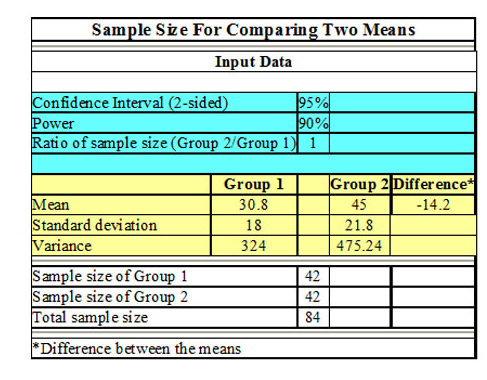
Sample Size Calculation Services
-
- AI & ML Services
-
Artificial Intelligence and Machine Learning Services
- Sample Work
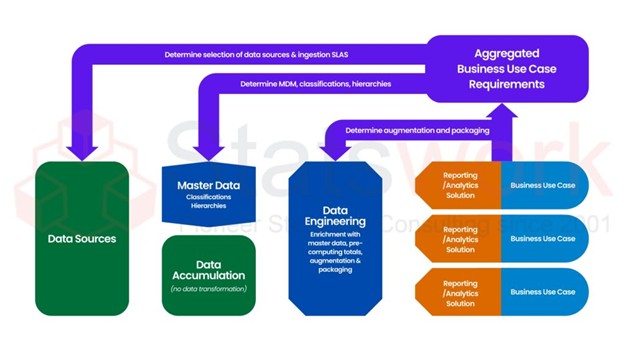
Artificial Intelligence and Machine Learning Services
-
- Meaningful Visualization Services
- Thought Leadership Services
- Report Generation Services
-
Report generation Service
- Sample Work
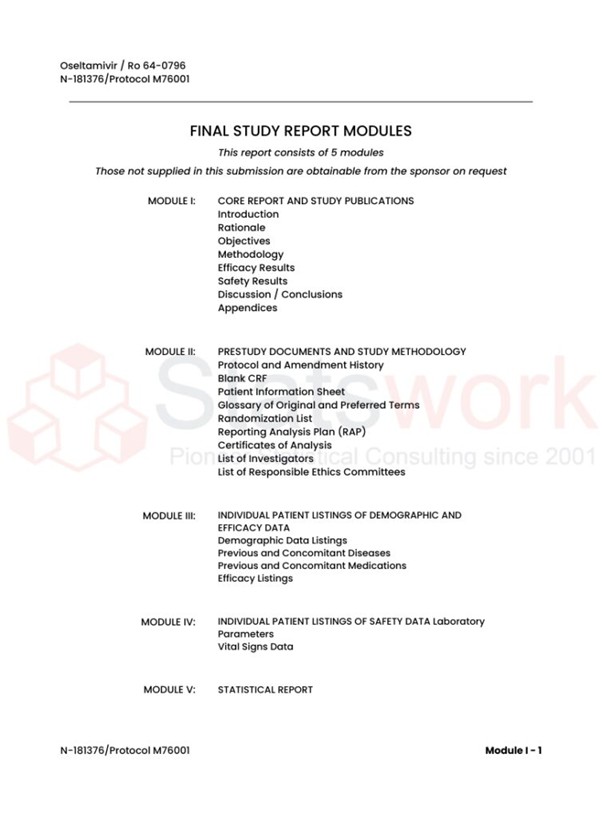
Report generation Services
-
- Data Analysis services
- Industries
- About Us
- Blog
- Insights
- Contact Us
- Services
- Data Analysis services
- Sample Work
Data Analysis services
- Secondary Qualitative Research Services
- Secondary Quantitative Research Services
- Meta-Analysis Research services
- Sample Work
Meta-Analysis Research Services
- Data Collection Services
- Sample Work
Data Collection Services
- Statistical & Biostatistics services
- Sample Work
Statistical Programming & Biostatistics services
- Data Management Services
- Sample Work
Data Management Services
- Research methodology services
- Sample Work
Research methodology services
- Tool Development Services
- Sample Work
Tool development services
- Statistical Interpretation services
-
Statistical Interpretation services
- Sample Work
Statistical Interpretation services
-
- Sample Size Calculation Services
-
Sample Size Calculation Services
- Sample Work
Sample Size Calculation Services
-
- AI & ML Services
-
Artificial Intelligence and Machine Learning Services
- Sample Work
Artificial Intelligence and Machine Learning Services
-
- Meaningful Visualization Services
- Thought Leadership Services
- Report Generation Services
-
Report generation Service
- Sample Work
Report generation Services
-
- Data Analysis services
- Industries
- About Us
- Blog
- Insights
- Contact Us
Why Data Collection Is Important: Benefits, Methods & Top Tools
Qualitative Research Service
- What Is Data Collection and Why Is It Important?
- Importance of Data Collection in Business Decision-Making
- Data Collection Methods Used in Modern Business Research
- Corporate Data Collection Methods for Business
- Data Collection Techniques Used by Companies
- Understanding Primary and Secondary Data
- Best Data Collection Tools for Businesses
- Essential Research Data Collection Tools
- Best Practices for Effective Data Collection
- Challenges in Data Collection
- Conclusion
Recommended Reads
Contact us
Blog Overview:
The introduction of Predictive Analytics in Healthcare UAE marks the dawn of a new era in the healthcare industry because it gives the healthcare facilities the capability to predict risks associated with their patients, assist in clinical decisions, and help in healthcare process optimization. With the use of predictive analytics, machine learning, and artificial intelligence, health care facilities in UAE will deliver the best healthcare results at reduced costs.What Is Data Collection and Why Is It Important?
Data Collection for Business is the process whereby information is systematically collected from the appropriate source for analysis and decision-making. Data collection methods are very important not only in academic research but in business setting where correct data is the key to making better decisions, improving efficiency, and gaining an edge over other competitors.
Data collection is not important in research studies, as businesses need to analyze various data to understand consumer behavior, streamline their operations, evaluate their performance, and discover new areas to grow.
Importance of Data Collection in Business Decision-Making
Companies which allocate resources to the implementation of efficient processes of data collection acquire beneficial insight that helps to ensure their future success.
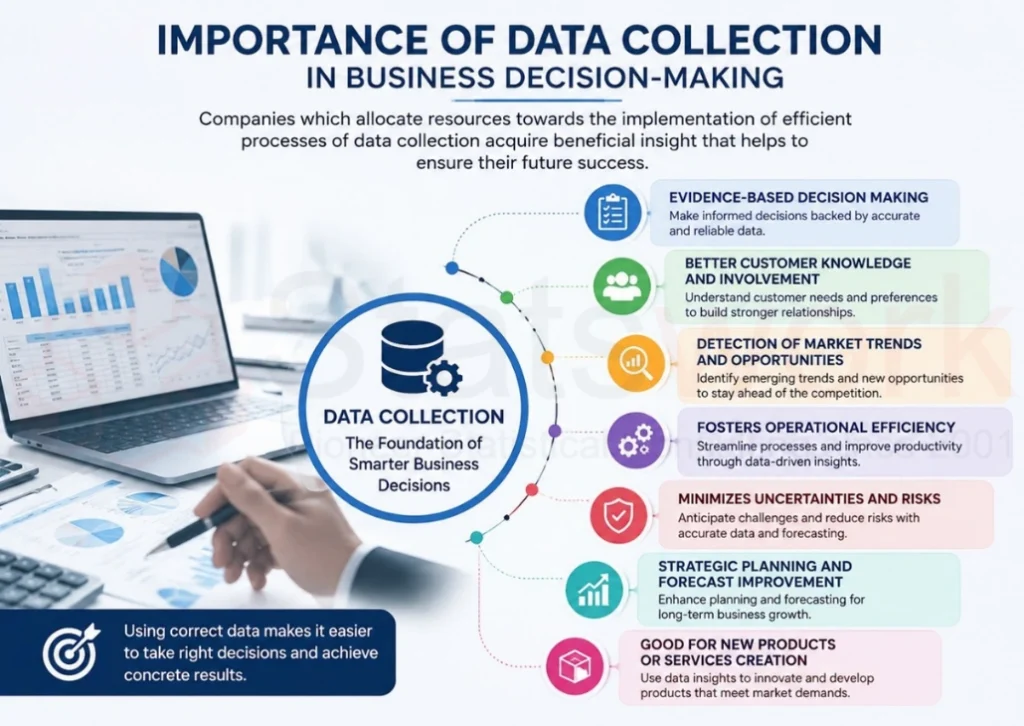
Benefits from Data Collection
- Evidence-based decision making
- Strategic planning and forecast improvement
- Good for new products or services creation
Using correct data makes it easier to take right decisions and achieve concrete results.
Data Collection Methods Used in Modern Business Research
Choosing the correct method to gather data is essential in gaining credible and relevant information. This depends on the research objectives that are pursued.
| Data Collection Techniques | Usage/Applications | Business Use |
| Surveys and Questionnaires | Get structured answers from people | Satisfaction surveys for customers |
| Interviews | Conduct interviews to gather information | Employee/stakeholder interviews |
| Focus Groups | Conduct focus groups to get ideas | Brand/Product testing |
| Observation | Observed behavior | Store/workplace observation |
| Experiments | Conduct experiments on different variables | Product Marketing Campaign Testing |
These ways of collecting data assist in ensuring that firms collect both numerical and descriptive data.
Corporate Data Collection Methods for Business
Data collection techniques used by companies in their businesses involve gathering data that is useful in achieving their objectives, increasing markets, and improving operations.
Major firms usually adopt several data collection techniques so as to have full knowledge.
Data Collection Techniques Used by Companies
Surveys and Questionnaires
Surveys and questionnaires are among the most efficient data collection instruments for research purposes. These tools are used by companies to get data from customers and other parties.
Advantages include:
- Fast data collection
- Wide audience base
- Uniform answers
- Simpler analysis
Interviews and Focus Groups
The interview and focus group enable more in-depth understanding of the customer needs and employee perceptions.
Common practices for these approaches include:
- Satisfaction studies
- Purchasing behavior studies
- Employer and employee feedback
- marketing of goods or services
Observations and Behavioral Analysis
The Behavioral Observation Approach gives companies insights into the actual customer behavior rather than simply relying on their self-reports.
These include:
- Observing website use
- Observing movements within the store
- Observing employee behavior
Understanding Primary and Secondary Data
Research methodology is often characterized by using both primary and secondary data sources in most cases.
| Features | Primary Data | Secondary Data |
| Sources | Directly collected by researchers | Present in some other sources |
| Purpose | Research objectives | Generic information |
| Cost | More | Less |
| Accuracy | Better control and relevance | Determined by the credibility of sources |
| Examples | Surveys, interviews, focus group discussions | Reports, articles, journals |
|
Primary Data Obtained first-hand from original sources via methods such as surveys, questionnaires, interviews, and observation. The information obtained is very relevant to specific business needs. |
Secondary Data Obtained from existing sources including industrial reports, government documents, academic research, and market research reports. It gives improved analysis at reduced costs. |
Best Data Collection Tools for Businesses
The use of advanced technology has changed the way information is collected and managed in companies. The new information gathering methods are more efficient and accurate.
Essential Research Data Collection Tools
| Tool Type | Purpose |
| Survey Tools | Conduct customer and staff surveys |
| Mobile Research Tools | Conduct real-time research in the field |
| Customer Relationship Management (CRM) Applications | Monitor customer behavior |
| Analytics Tools | Provide business insights |
| Cloud Solutions | Hold large data sets |
| Interview Recording Tools | Conduct accurate qualitative research |
Best Practices for Effective Data Collection
To benefit the most from the acquired information, the following best practices in data collection need to be followed by the company.
Best Practices for Data Collection
- The proper formulation of goals.
- The appropriate selection of techniques.
- The identification of the targeted population.
- The utilization of proper data collection tools.
- The verification of data.
- The observance of privacy laws.
- Results analysis.
Such compliance is essential to achieve high-quality results.
Challenges in Data Collection
Organizations may experience difficulties during the process of collecting data even though technology has evolved.
Challenges Faced During Data Collection
- Non-complete answers
- Bias in sampling
- Confidentiality problems
- Inconsistent data quality
- Unwillingness to participate
- Use of different types of data
A good methodological framework can be used to overcome such difficulties.
Conclusion
The process of data collection is key to the success of an organization in business, in research, and when making key decisions. Through proper techniques of data collection, through the application of corporate data collection techniques in business, and through modern data collection tools, organizations can benefit from the knowledge they get. Using surveys and questionnaires, interviewing, focus groups, or analytics software, organizations that ensure proper data collection stand out in terms of customer understanding, risk management, and competitiveness.
Statswork Using primary and secondary sources of data in a proper research process ensures proper decision-making for organizations in business.
Need accurate and reliable business data? Statswork specializes in data collection methods, survey design, questionnaire development, and research support services that help organizations make confident, data-driven decisions.
Frequently asked questions:
1. What are data collection methods and tools?
Data collection methods are techniques used to gather information, such as surveys, interviews, observations, and focus groups. Data collection tools are instruments or software used to collect, store, and manage that information efficiently.
2. What are the benefits of data collection tools?
Data collection tools improve accuracy, reduce manual errors, and speed up the data gathering process. They also help organizations organize information effectively and support better decision-making.
3. What are the 4 methods of data collection?
The four common methods of data collection are surveys, interviews, observations, and experiments. These methods help researchers and businesses gather both quantitative and qualitative data.
4. What is the best tool for data collection?
The best data collection tool depends on the research objective and type of data required. Popular options include survey platforms, CRM systems, analytics tools, and mobile data collection applications.
5. What is a data collection tool?
A data collection tool is any instrument, software, or platform used to gather and record information. Examples include questionnaires, survey software, interview recording tools, and analytics systems.
6. What are the six main methods of data collection?
The six main methods of data collection are surveys, questionnaires, interviews, focus groups, observations, and experiments. Each method provides unique insights depending on the research goals and target audience.