
- Services
- Data Analysis services
- Sample Work
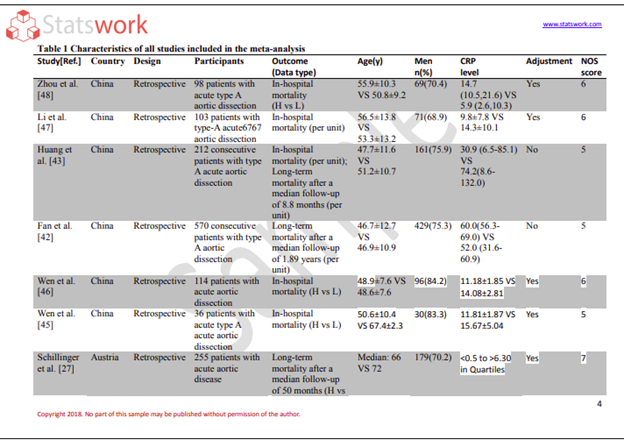
Data Analysis services
- Secondary Qualitative Research Services
- Secondary Quantitative Research Services
- Meta-Analysis Research services
- Sample Work
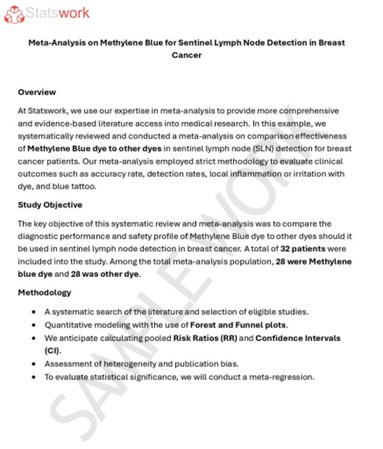
Meta-Analysis Research Services
- Data Collection Services
- Sample Work
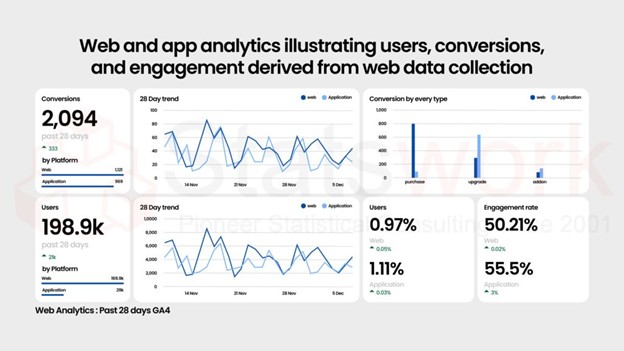
Data Collection Services
- Statistical & Biostatistics services
- Sample Work
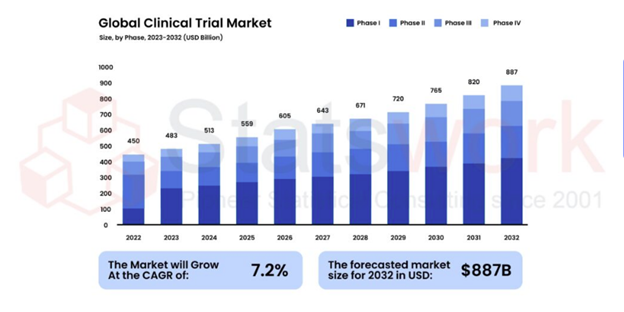
Statistical Programming & Biostatistics services
- Data Management Services
- Sample Work
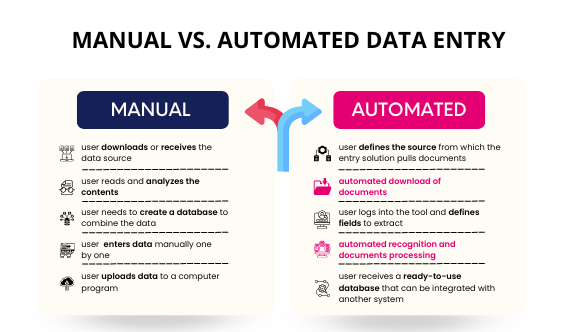
Data Management Services
- Research methodology services
- Sample Work
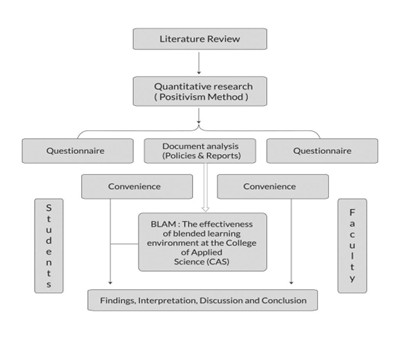
Research methodology services
- Tool Development Services
- Sample Work
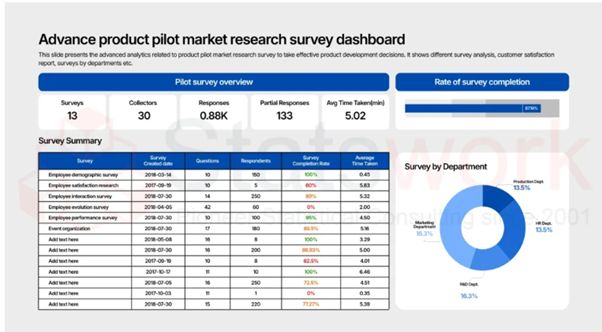
Tool development services
- Statistical Interpretation services
-
Statistical Interpretation services
- Sample Work
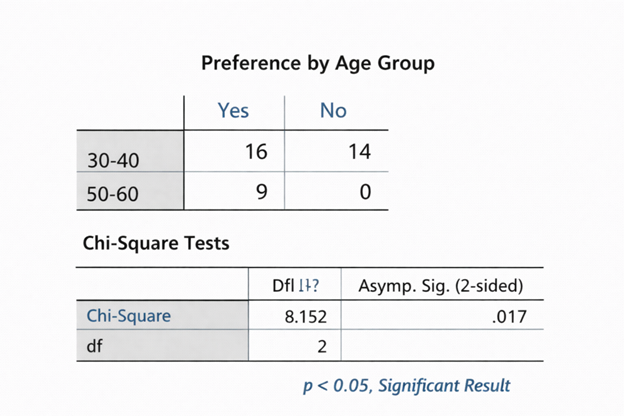
Statistical Interpretation services
-
- Sample Size Calculation Services
-
Sample Size Calculation Services
- Sample Work
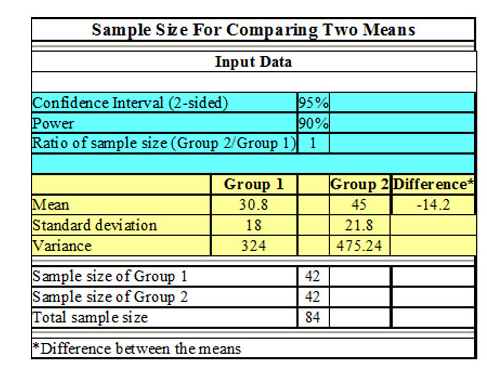
Sample Size Calculation Services
-
- AI & ML Services
-
Artificial Intelligence and Machine Learning Services
- Sample Work
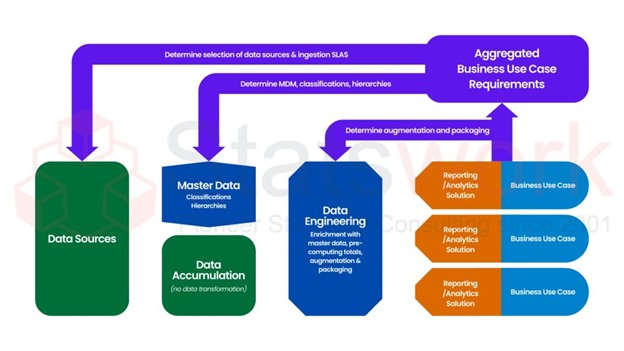
Artificial Intelligence and Machine Learning Services
-
- Meaningful Visualization Services
- Thought Leadership Services
- Report Generation Services
-
Report generation Service
- Sample Work
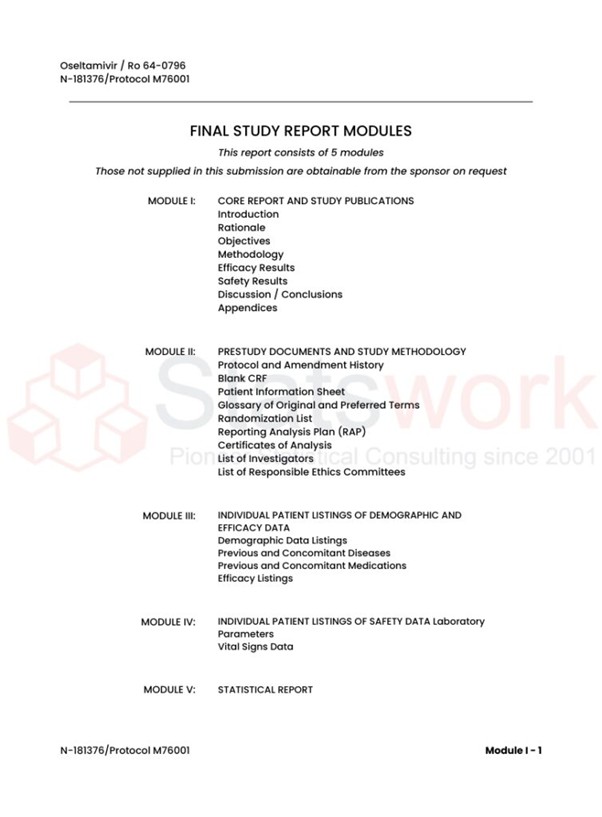
Report generation Services
-
- Data Analysis services
- Industries
- About Us
- Blog
- Insights
- Contact Us
- Services
- Data Analysis services
- Sample Work
Data Analysis services
- Secondary Qualitative Research Services
- Secondary Quantitative Research Services
- Meta-Analysis Research services
- Sample Work
Meta-Analysis Research Services
- Data Collection Services
- Sample Work
Data Collection Services
- Statistical & Biostatistics services
- Sample Work
Statistical Programming & Biostatistics services
- Data Management Services
- Sample Work
Data Management Services
- Research methodology services
- Sample Work
Research methodology services
- Tool Development Services
- Sample Work
Tool development services
- Statistical Interpretation services
-
Statistical Interpretation services
- Sample Work
Statistical Interpretation services
-
- Sample Size Calculation Services
-
Sample Size Calculation Services
- Sample Work
Sample Size Calculation Services
-
- AI & ML Services
-
Artificial Intelligence and Machine Learning Services
- Sample Work
Artificial Intelligence and Machine Learning Services
-
- Meaningful Visualization Services
- Thought Leadership Services
- Report Generation Services
-
Report generation Service
- Sample Work
Report generation Services
-
- Data Analysis services
- Industries
- About Us
- Blog
- Insights
- Contact Us
Is Poor Data Interpretation Costing Your Business Growth? Data Analysis Services in UK Transform Numbers into Decisions
Meta Analysis Service
Recommended Reads
Contact us
Summary:
Poor data analysis may lead to costly errors in the world of business. This blog helps in understanding how the services of data analytics professionals can be utilized by UK-based organizations to turn data into information that would help in making sound decisions. Furthermore, the blog gives information about the key components of successful data analytics and how to choose the right analytics partner.
The plethora of numbers on a dashboard does not always mean a good decision will be made. This is because what matters is how these numbers will be interpreted. It is just one misinterpretation and one omitted factor, and the entire strategy for that quarter may go south.
UK firms working in very competitive and rapidly changing markets cannot afford such problems, as this directly affects their ability to grow. This is where Data Analytics Services in UK come into play, helping to make strategy based on numbers [1].
Where Growth Quietly Slips Away
Misinterpretation rarely looks dramatic. It usually shows up as a series of “reasonable” calls that were built on shaky ground:
| Warning Sign | What’s Really Happening |
| Forecasts repeatedly miss targets | Forecasting models are built on incomplete, inaccurate, or outdated data. |
| Marketing budget underperforms | Customer segments have been targeted using flawed or misleading insights. |
| Inventory fluctuates between shortages and excess stock | Seasonal trends or regional demand patterns have been overlooked. |
| Investor updates are questioned after publication | Business figures were presented without adequate validation or quality checks. |
Solid Business Data Analytics in UK replaces this guesswork with tested statistical method — catching these issues before they cost real revenue [2].
What Pushes UK Businesses Toward Expert Analytics
Leader teams desire speed, but not without compromising on accuracy. This is possible through:
- Numbers being put in the context of information non-technical people can understand
- Proposed solutions that are evidence-based with the data tested
- Breakneck speed without having to start an internal team
- A relationship that is scalable, from a one-off engagement to a full-on Analytics Consulting relationship [3]
Matching Analytics to Business Needs
No two businesses need analytics the same way. Here’s how Data Analytics Solutions in UK are typically tailored:
| Business Type | Priority | Best-Fit Service |
| Strategic Leadership Teams | Long-term direction from historical trends | Business Performance Analytics Service in UK, Business Insights |
| High-Volume Operations | Managing large, complex datasets | Big Data Analytics in UK, Analytics Tools |
| Market Research Teams | Reading customer and behavior trends | Data Analytics Services in the UK, Statistical Analysis |
| Scaling Companies | Data-driven growth without a big internal team | Advanced Analytics Services in UK |
| Ongoing Advisory Needs | Continuous, embedded support [4] | Analytics Consulting |
Whether you’re an SME finding your footing or an established enterprise scaling further, the engagement should flex to match — not the other way around.
Building Blocks of a Successful Analytics Program
A well-structured analytics program does not simply consist of a few figures attached via email. It is important to include:
- Data Analytics – discovery of the underlying patterns in your data
- Business Analytics – linking the patterns discovered to business results
- Business Insights – insights that can be applied by a decision-maker, not just spreadsheet
- Statistical Analysis – robustness of your conclusions against questioning
- Analytics Tools – tools allowing you to keep track of trends over time
- Analytics Consulting – ongoing advisory services as your data needs change [2]
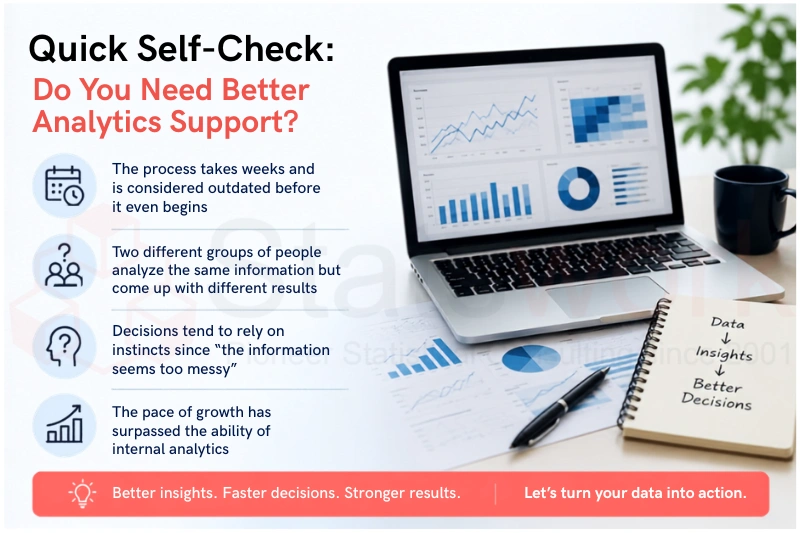
Quick Self-Check: Do You Need Better Analytics Support?
- The process takes weeks and is considered outdated before it even begins
- Two different groups of people analyze the same information but come up with different results
- Decisions tend to rely on instincts since “the information seems too messy”
- The pace of growth has surpassed the ability of internal analytics
If you find more than one, that is often the point when outsourcing starts paying off.
Vetting an Analytics Partner
Before signing on with any provider, run through this checklist:
- Do they have proven experience in your business’s scale and sector?
- Can they handle both structured and unstructured, high-volume data?
- Do they offer ongoing consulting, not just isolated one-off reports?
- Will results be presented clearly enough for non-technical leadership to act on?
A partner who clears all four turns analytics from a line-item cost into an actual growth lever [3].
Final Word: Turn Numbers into Next Steps
Bad analysis is not just a hindrance to a company’s growth; it could undo all the efforts that were made within a few months without even being noticed. The companies leading the race are not the ones who have the most data but those interpreting it better and acting on it faster.
Statswork closes that gap. Our Data Analysis service converts complex business data into clear, actionable strategy — supporting UK organizations from business performance tracking to advanced, large-scale analytics.
🚀 Ready to Turn Data into Decisions That Actually Move the Needle?
Stop guessing. Start growing. Statswork’s Data Analysis experts are ready to decode your numbers and hand you a roadmap, not just a report.
👉 Book Your Free Consultation Today — Because Your Next Big Business Move Starts With the Right Data.
Frequently Asked Questions (FAQs)
Poor data quality can lead to inaccurate insights, flawed strategies, and costly business mistakes. Reliable data improves decision-making by ensuring analyses are based on accurate and consistent information.
Data analytics helps organizations identify trends, predict outcomes, and make evidence-based decisions. It enables businesses to improve efficiency, reduce risks, and uncover new growth opportunities.
Correct data interpretation ensures that business decisions are based on meaningful insights rather than assumptions. It helps organizations optimize performance, minimize risks, and achieve strategic goals.
Data analysis focuses on extracting insights from data, while business analysis applies those insights to solve business challenges. Both are complementary and work together to support informed decision-making.
Poor data quality can result in inaccurate reporting, operational inefficiencies, and poor strategic decisions. It may also increase costs, reduce customer trust, and negatively impact business performance.
The three C’s of data quality are Correctness, Completeness, and Consistency. These principles help ensure that data is accurate, reliable, and suitable for effective business analysis and decision-making.
References:
- Mohan, S. K., Bharathy, G., & Jalan, A. (2026). Enterprise Data Valuation—A Targeted Literature Review. Journal of Economic Surveys, 40(1), 73-92. https://onlinelibrary.wiley.com/doi
- Zierz, O. I. S., & Lordsleem Junior, A. C. (2026). Business Intelligence Tools in Organizations with a Focus on Power BI Applications in Civil Construction: A Systematic Literature Review. Buildings (2075-5309), 16(4). https://www.mdpi.com/2075-5309/16/4/869
- Asa, A. R., Nautwima, J. P., & Johannes, H. N. (2026). The transformative impact of digital technology on SME performance: a review and framework for digital transformation. Cogent Business & Management, 13(1), 2643949. https://www.tandfonline.com/doi
- Dong, K., & Moshood, T. D. (2026). Digital Twins Across the Asset Lifecycle: Technical, Organisational, Economic, and Regulatory Challenges. Buildings, 16(5), 1084. https://www.mdpi.com/2075-5309/16/5/1084