
- Services
- Data Analysis services
- Sample Work
Data Analysis services
- Secondary Qualitative Research Services
- Secondary Quantitative Research Services
- Meta-Analysis Research services
- Sample Work
Meta-Analysis Research Services
- Data Collection Services
- Sample Work
Data Collection Services
- Statistical & Biostatistics services
- Sample Work
Statistical Programming & Biostatistics services
- Data Management Services
- Sample Work
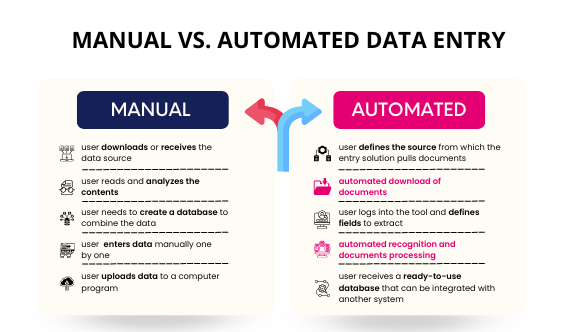
Data Management Services
- Research methodology services
- Sample Work
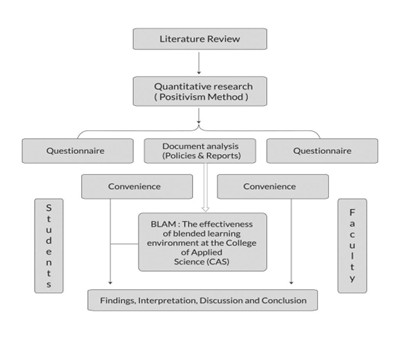
Research methodology services
- Tool Development Services
- Sample Work
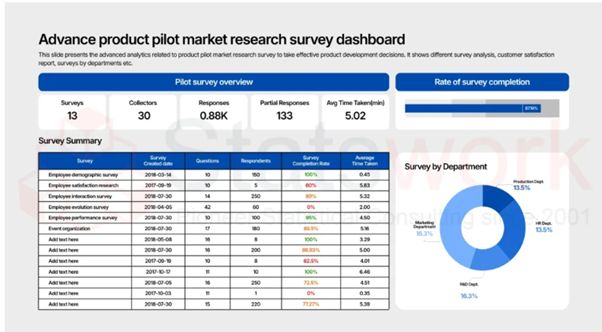
Tool development services
- Statistical Interpretation services
-
Statistical Interpretation services
- Sample Work
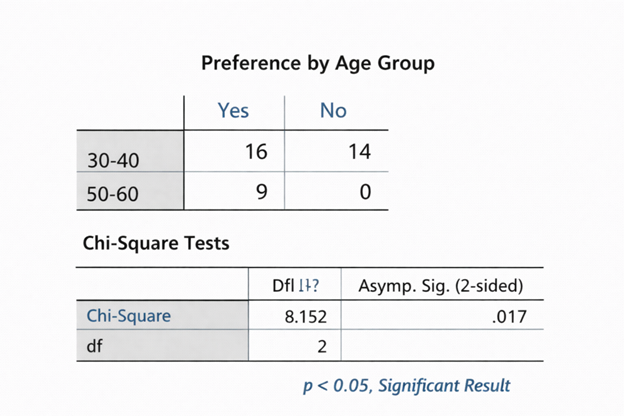
Statistical Interpretation services
-
- Sample Size Calculation Services
-
Sample Size Calculation Services
- Sample Work
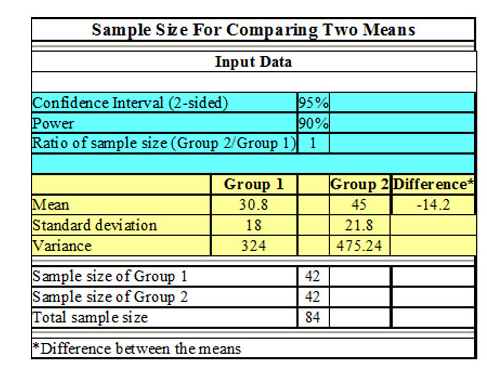
Sample Size Calculation Services
-
- AI & ML Services
-
Artificial Intelligence and Machine Learning Services
- Sample Work
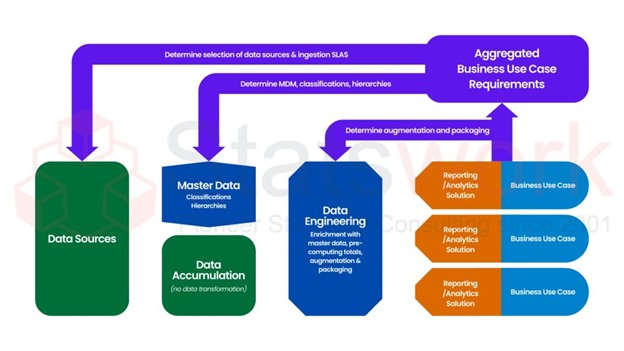
Artificial Intelligence and Machine Learning Services
-
- Meaningful Visualization Services
- Thought Leadership Services
- Report Generation Services
-
Report generation Service
- Sample Work
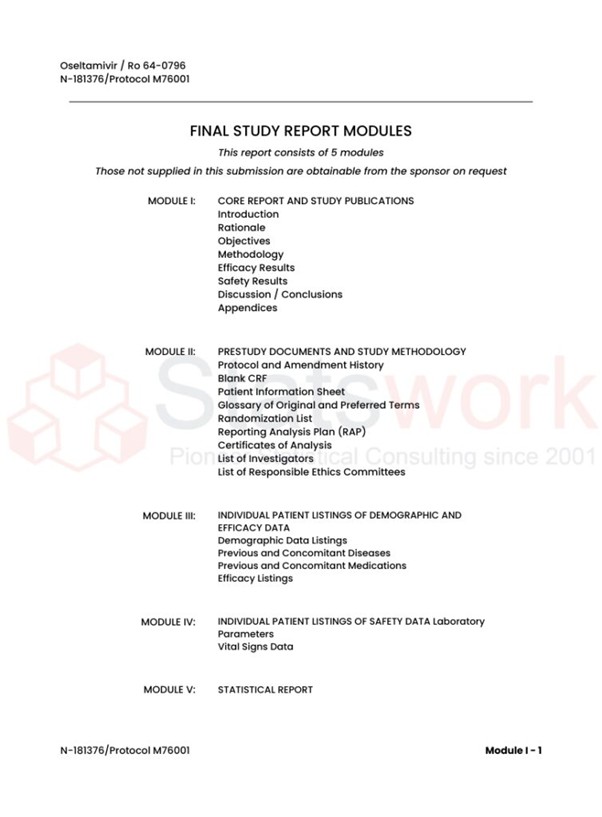
Report generation Services
-
- Data Analysis services
- Industries
- About Us
- Blog
- Insights
- Contact Us
- Services
- Data Analysis services
- Sample Work
Data Analysis services
- Secondary Qualitative Research Services
- Secondary Quantitative Research Services
- Meta-Analysis Research services
- Sample Work
Meta-Analysis Research Services
- Data Collection Services
- Sample Work
Data Collection Services
- Statistical & Biostatistics services
- Sample Work
Statistical Programming & Biostatistics services
- Data Management Services
- Sample Work
Data Management Services
- Research methodology services
- Sample Work
Research methodology services
- Tool Development Services
- Sample Work
Tool development services
- Statistical Interpretation services
-
Statistical Interpretation services
- Sample Work
Statistical Interpretation services
-
- Sample Size Calculation Services
-
Sample Size Calculation Services
- Sample Work
Sample Size Calculation Services
-
- AI & ML Services
-
Artificial Intelligence and Machine Learning Services
- Sample Work
Artificial Intelligence and Machine Learning Services
-
- Meaningful Visualization Services
- Thought Leadership Services
- Report Generation Services
-
Report generation Service
- Sample Work
Report generation Services
-
- Data Analysis services
- Industries
- About Us
- Blog
- Insights
- Contact Us
How to Collect Secondary Data for Statistical Analysis: Step-by-Step Guide
Meta Analysis Service
- What Is Secondary Data Collection and Why It Is Important for Research?
- Types of Secondary Data Sources: Government Data, Survey Data, and Database Research
- Methods for Secondary Data Collection in Market Research and Healthcare Research
- How to Collect Secondary Data for Research: Step-by-Step Guide
- Data Extraction and Preparing Secondary Data for Statistical Analysis
- Common Challenges in Secondary Data Collection and Practical Solutions
- Conclusion: What to Do Next After Collecting Secondary Data for Statistical Analysis
Recommended Reads
Contact us
Introduction: Why Secondary Data Collection Matters in Statistical Analysis
Secondary data collection is an efficient way of carrying out accurate statistical analysis using already available data from the government, surveys, and research from a trusted database. Being aware of how to collect secondary data for research, the appropriate techniques in secondary data collection, and a step-by-step guide in secondary data collection for market research or a secondary data collection in healthcare research guide are important in understanding the correct data extraction techniques and the steps involved in secondary data collection [1].
What Is Secondary Data Collection and Why It Is Important for Research?
Secondary data collection is the process of making use of pre-existing government data, survey data, and database research, instead of relying on the collection of new data for the research process. This is helpful for efficient statistical analysis services.
By understanding the process of secondary data collection for research, the appropriate methods for secondary data collection can be followed to ensure the extraction of the data in an accurate manner, along with the step-by-step guide to secondary data collection for market research, healthcare research, and so on, in order to understand the steps in secondary data collection in an accurate manner [2].
Types of Secondary Data Sources: Government Data, Survey Data, and Database Research
Government Data
- This includes statistical data, census data, economic data, and public health data.
- This is a reliable source for the collection of secondary data in large quantities, required for statistical analysis.
- It is used in market research studies and healthcare research studies.
Survey Data
- Data is collected through surveys conducted by research organizations at the national level or institutional level.
- It is useful for understanding the behavior of consumers, demographics, and trends in society [3].
- It is helpful for the accurate extraction of data for research studies.
Database Research
- This is the process of accessing journals, research articles, and online databases.
- This is an essential method for the collection of secondary data.
- It is helpful for understanding the process of the collection of secondary data for research studies in an efficient manner.
Methods for Secondary Data Collection in Market Research and Healthcare Research
Effective secondary data collection is possible with the application of specific and reliable methods. Here are some of the major methods that are applied for secondary data collection by market and healthcare researchers:
- Database Research – Accessing journals and online databases to support secondary data collection and effective statistical data analysis [4].
- Government Data – Using government data and health data for effective research insights.
- Survey Data – Analyzing existing surveys to know market trends and health trends.
- Data Extraction – Selecting specific data variables for effective results.
Using these methods for secondary data collection will help market and healthcare researchers know how to collect secondary data for effective research.
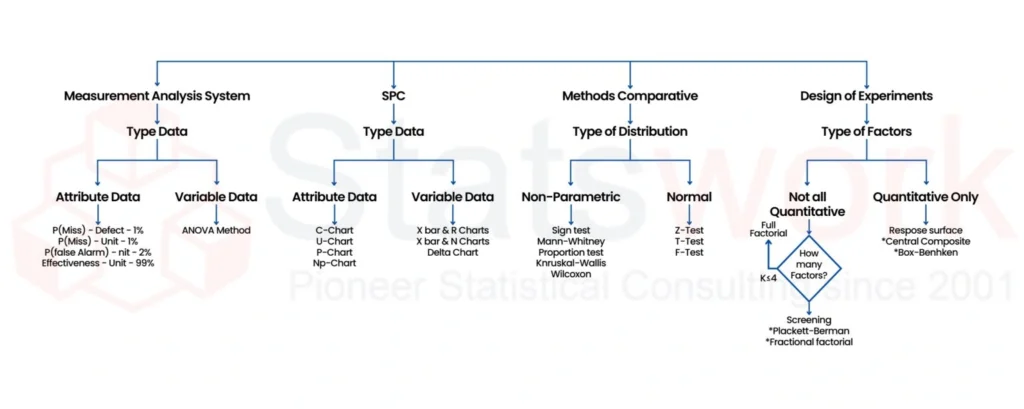
Fig 1: Statistical Method Selection Framework Based on Data Type, Distribution, and Experimental Design
Statistical Method Selection Framework Based on Data Type
| Step | Process | Description |
| Step 1: | Define Objective | Define the research objectives for the effective collection of secondary data and statistical analysis. |
| Step 2 | Identify Sources | Gather authentic data from the government, surveys, and database research. |
| Step 3 | Apply Methods | Use appropriate methods for the collection of secondary data [5]. |
| Step 4 | Data Extraction | Carefully perform the extraction of the data to select the appropriate variables. |
| Step 5 | Prepare Data | Clean the data to understand the steps involved in the collection of secondary data. |
Data Extraction and Preparing Secondary Data for Statistical Analysis
Data extraction is the process of selecting relevant data from government data, survey data, and database research in the process of secondary data collection. This process is important to ensure the accuracy of the data used in statistical analysis.
By properly applying the methods in secondary data collection, the process of data cleaning, and the organization of the data, researchers can understand the process of how to collect secondary data for research, and they can properly follow the steps in secondary data collection for the results to be accurate [3].
Common Challenges in Secondary Data Collection and Practical Solutions
Irrelevant Data – The available government data or survey data may not be relevant to the research.
Solution: Clearly defined objectives and a step-by-step guide to secondary data collection for market research or a healthcare research secondary data collection guide.
Data Quality Issues – Errors in database research can influence statistical research.
Solution: Verify the sources of the data before extraction.
Missing or Incomplete Data – This can influence the results.
Solution: Proper methods for secondary data collection Knowing the importance of secondary data collection for research and the steps for secondary data collection can help address the issues in an effective manner [4].
Conclusion: What to Do Next After Collecting Secondary Data for Statistical Analysis
After the completion of secondary data collection, the next step is data organization, data accuracy, and the beginning of the statistical analysis. Proper data extraction, data cleaning, and data validation are ensured [5].
By understanding the concept of secondary data collection in research, proper data collection techniques for secondary data collection, and proper data collection steps using government data, survey data, and database research, you can move forward confidently in the correct direction.
Reference:
- Andersen, J. P., Prause, J., & Silver, R. C. (2011). A step‐by‐step guide to using secondary data for psychological research. Social and Personality Psychology Compass, 5(1), 56-75.https://compass.onlinelibrary.wiley.com/doi/abs/10.1111/j.1751-9004.2010.00329.x
- Bannon, W. M. (2013). The 7 steps of data analysis. New York: Stats Whisperer.https://thestatswhisperer.com/__static/ce9b9c084dd4e06a8fcae7945b25f05c/
- Taherdoost, H. (2021). Data collection methods and tools for research; a step-by-step guide to choose data collection techniques for academic and business research projects. International journal of academic research in management (IJARM), 10(1), 10-38.https://hal.science/Hal-03741847/
- Van den Akker, O., Weston, S., Campbell, L., Chopik, B., Damian, R., Davis-Kean, P., … & Bakker, M. (2021). Preregistration of secondary data analysis: A template and tutorial. Meta-psychology, 5, 2625.https://research.tilburguniversity.edu/en/publications/preregistration-of-secondary-data-analysis-a-template-and-tutoria/
- Bryan, J., Kim, J., & Shi, Q. (2017). Identifying and using secondary datasets to answer policy questions related to school-based counseling: A step-by-step guide. In International handbook for policy research on school-based counseling(pp. 153-181). Cham: Springer International Publishing.https://link.springer.com/chapter/10.1007/978-3-319-58179-8_11