
- Services
- Data Analysis services
- Sample Work
Data Analysis services
- Secondary Qualitative Research Services
- Secondary Quantitative Research Services
- Meta-Analysis Research services
- Sample Work
Meta-Analysis Research Services
- Data Collection Services
- Sample Work
Data Collection Services
- Statistical & Biostatistics services
- Sample Work
Statistical Programming & Biostatistics services
- Data Management Services
- Sample Work
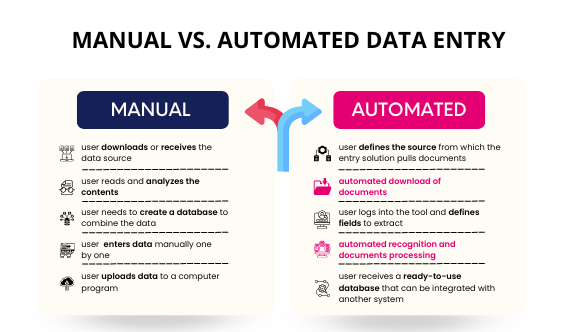
Data Management Services
- Research methodology services
- Sample Work
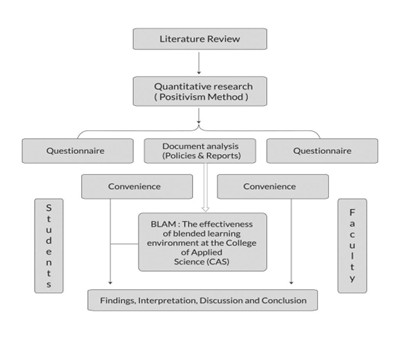
Research methodology services
- Tool Development Services
- Sample Work
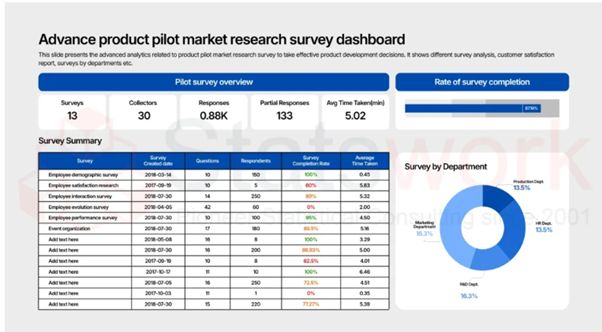
Tool development services
- Statistical Interpretation services
-
Statistical Interpretation services
- Sample Work
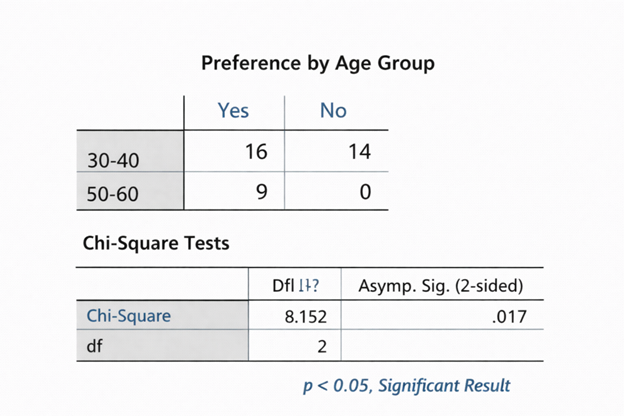
Statistical Interpretation services
-
- Sample Size Calculation Services
-
Sample Size Calculation Services
- Sample Work
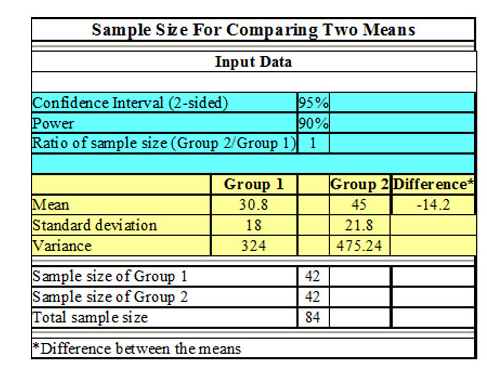
Sample Size Calculation Services
-
- AI & ML Services
-
Artificial Intelligence and Machine Learning Services
- Sample Work
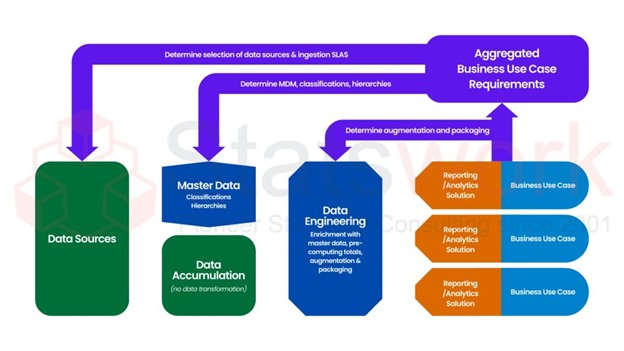
Artificial Intelligence and Machine Learning Services
-
- Meaningful Visualization Services
- Thought Leadership Services
- Report Generation Services
-
Report generation Service
- Sample Work
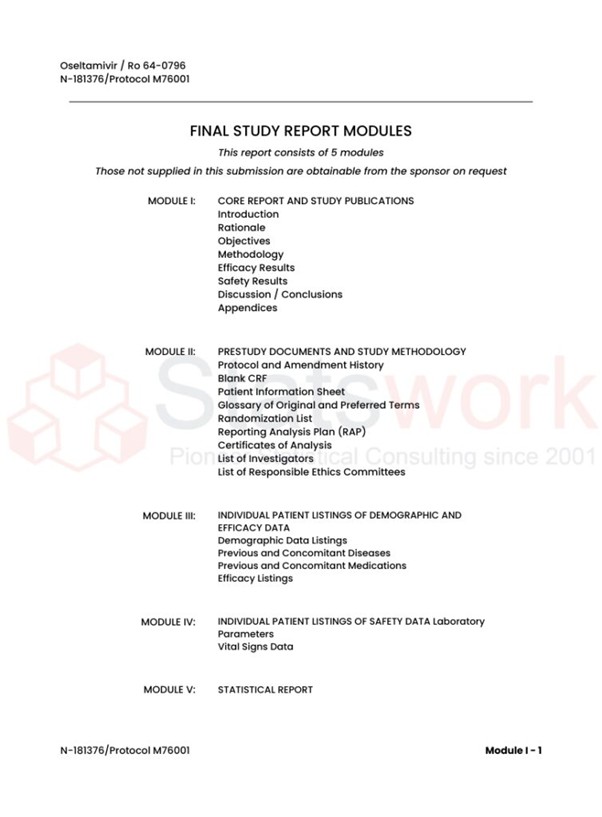
Report generation Services
-
- Data Analysis services
- Industries
- About Us
- Blog
- Insights
- Contact Us
- Services
- Data Analysis services
- Sample Work
Data Analysis services
- Secondary Qualitative Research Services
- Secondary Quantitative Research Services
- Meta-Analysis Research services
- Sample Work
Meta-Analysis Research Services
- Data Collection Services
- Sample Work
Data Collection Services
- Statistical & Biostatistics services
- Sample Work
Statistical Programming & Biostatistics services
- Data Management Services
- Sample Work
Data Management Services
- Research methodology services
- Sample Work
Research methodology services
- Tool Development Services
- Sample Work
Tool development services
- Statistical Interpretation services
-
Statistical Interpretation services
- Sample Work
Statistical Interpretation services
-
- Sample Size Calculation Services
-
Sample Size Calculation Services
- Sample Work
Sample Size Calculation Services
-
- AI & ML Services
-
Artificial Intelligence and Machine Learning Services
- Sample Work
Artificial Intelligence and Machine Learning Services
-
- Meaningful Visualization Services
- Thought Leadership Services
- Report Generation Services
-
Report generation Service
- Sample Work
Report generation Services
-
- Data Analysis services
- Industries
- About Us
- Blog
- Insights
- Contact Us
Why Are Research Outcomes Compromised by Poor Data Handling? See How Data Management Solutions in Italy Can Help
Meta Analysis Service
Recommended Reads
Contact us
Summary:
Poor data management can cause inaccuracies in research findings, delayed approval of regulations, and even create security issues. Poor data management will influence the validity of the research findings. Proper data management services offered by Italian organizations ensure proper and standardized data management that is secure and GDPR-compliant in the research process. We at Statswork can assist you in managing your data effectively and securely.
The amount of data that is produced through research and practice daily is immense. This includes everything from patient information to the results of laboratory testing and survey responses. However, the usefulness of data will be entirely determined by its collection, storage and analysis. In case data management is flawed, it will be difficult to draw any meaningful conclusions from the research regardless of its potential [1]. Here is when dependable data management systems in Italy will pay off.
The Hidden Cost of Poor Data Handling
Poor data handling rarely announces itself immediately. It shows up later, often after months of work have already gone into a project. Common warning signs include:
- Flawed data sets arising out of disparities in format, measurement units, and vocabulary
- Double entries increasing the size of samples and compromising statistical computations
- Missing or inaccurate data reduces the validity of an analysis
- Data sets that cannot be traced back to the original source
- Delays in receiving regulatory approval because of flawed audit trails
- Breaches of data because of inadequate security measures and access controls
For instance, a simple mistake in a single entry of data in a clinical study can result in distorted statistical analysis and conclusions that are unreliable. Apart from being accurate, compliance is yet another challenge. Research and clinical data within the Italian context are regulated through the GDPR as well as sector-specific regulations for clinical trials. Institutions with disorganized data management systems may experience problems when it comes to proving compliance during audits; this will result in delays in approvals and, in worst-case scenarios, stoppage of studies [2].
One more challenge is security. Research data and patient records are very attractive in terms of breaches. If no adequate security measures are taken, an institution runs a high risk of breaching confidentiality.
How Data Management Solutions in Italy Address These Challenges
Professional data management solutions are designed to close these gaps by introducing structure, consistency, and accountability into every stage of the data lifecycle. Rather than treating data handling as an afterthought, these solutions build it into the research process from the outset.
| Solution Area | Description | Benefit |
| Standardization of Data Collection | Clinical research data collection through validated instruments, controlled vocabularies, and formats for all sites/sections | Minimizes inconsistency and eases the merging of several data sets from different sources |
| Clinical Data Management in Italy | Drafting of case report form, database validation, discrepancy management, and quality assurance at each phase | Data of clinical trial is regulatory compliant and ready to analyze without the need of any correction at the last moment |
| Research Data Management in Italy | Architecture for data storage, version control, and metadata [3] | Allows retrieving, validating, and reproducing research data for peer review and publication |
| Healthcare Data Management in Italy | Combination of patients’ medical history records, laboratory test results and treatment details within a secure system | Fast and informed decision-making with maximum confidentiality |
| Data Security and Compliance | Provides data encryption, access control, and audit trails within the platform | Data protection and documentation for reporting to regulatory authorities |
The Role of Data Visualization and Statistical Analysis
It doesn’t matter how clean and well-organized your data is, because it’s only valuable if you can interpret it. In most cases, data management technologies will include solutions for analyzing and visualizing your data along with managing it. The process of analysis becomes much easier and more efficient when data has been managed correctly from the start.
Ensuring Scientific Integrity through Data Management
Data management is not only about technology; it’s also a question of ethics. Well-organized and documented data ensures that all research subjects and patients have their rights protected. At the same time, data management practices will help ensure that scientific findings remain credible [4]. All decisions based on this research – including medical treatment options and public health policy measures – depend on this.
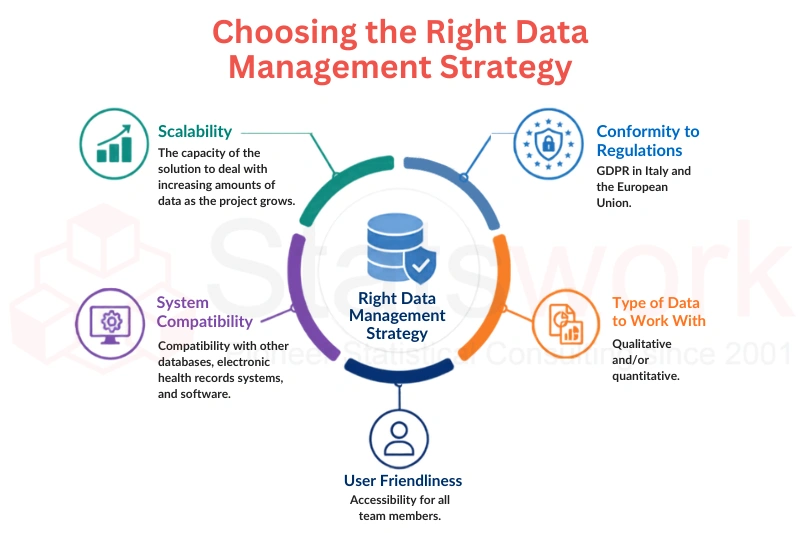
Choosing the Right Data Management Strategy
Good data management practices should be based on the individual needs of each project, regardless of its nature, whether it is a multi-site clinical trial, academic research work, or patient data collected at the hospital. Important factors to consider are:
- Scalability – the capacity of the solution to deal with increasing amounts of data as the project grows
- Conformity to regulations – GDPR in Italy and the European Union
- System compatibility – compatibility with other databases, electronic health records systems, and software
- Type of data to work with – qualitative and/or quantitative
- User friendliness – accessibility for all team members [4]
Conclusion
Bad data can stealthily undermine the quality and credibility of even the most well-thought-out research or clinical trial programs. The use of professional data management systems in Italy offers a solution by providing the right kind of structure, security, and accuracy for all stages in the data cycle. It is more than just a technical solution for those who work in research and in the healthcare sector; it is the backbone of producing credible results.
Statswork offers dedicated Data Management Services designed to help researchers and healthcare institutions in Italy handle their data with accuracy, security, and full regulatory compliance. From clinical trials to academic research and healthcare data, Statswork’s team ensures your data is managed the right way, so your outcomes are always built on a reliable foundation.
Transform Your Data into Reliable Research Outcomes
Partner with Statswork for secure, GDPR-compliant data management solutions in Italy that ensure accuracy, integrity, and confidence at every stage of your research.
Frequently Asked Questions (FAQs)
Poor data management can lead to inaccurate decision-making, regulatory non-compliance, and increased operational costs. It also increases the risk of data breaches, duplicate records, and inefficient business processes. Over time, it can reduce customer trust and negatively impact organizational performance.
Managing large datasets can result in issues such as inconsistent data formats, duplicate records, missing values, and storage challenges. Data integration and maintaining quality across multiple sources also become more complex. Effective data governance and standardized processes help overcome these challenges.
Low-quality data can produce inaccurate analyses, unreliable predictions, and poor business decisions. Errors, missing values, and inconsistencies reduce the value of big data analytics and machine learning models. Maintaining high data quality is essential for generating trustworthy insights.
One of the biggest challenges is collecting incomplete or inaccurate data during the initial stages. Poorly designed data collection methods can introduce bias and reduce the reliability of research findings. Standardized collection procedures and validation checks help improve data quality.
Duplicate records and inconsistent data entry are two major causes of poor database quality. Missing information, outdated records, and lack of validation also contribute to data inaccuracies. Regular data cleaning and quality control measures help maintain reliable databases.
Common data collection challenges include incomplete responses, inconsistent data formats, limited participant engagement, and data entry errors. Privacy regulations and maintaining data accuracy also add complexity to the process. Proper planning, validated tools, and quality checks help address these challenges.
References:
- https://www.frontiersin.org/journal , E., Pikas, E., & Kalamees, T. (2026). Improving the reliability of urban building energy modelling through automated data processing. Frontiers in Energy Research, 14, 1806403.
- https://dl.acm.org/doi/abs/10.1145/3 Di Meglio, S., Starace, L. L. L., Pontillo, V., Martins, L., Di Nucci, D., & Palomba, F. (2026). A Taxonomy of Bad Practices in Software Performance Testing: Insights from Gray Literature and Practitioner Validation. ACM Transactions on Software Engineering and Methodology.
- https://www.intechopen.com/online Musmeci, N., & Leonetti, M. (2026). Regulation of the Use of AI in Healthcare–An Italian Case Study.
- https://books.google.com/books? A. (2026). Artificial Intelligence and Data Protection: Seeking Sustainable. Human Vulnerability in Interaction with AI in European Private Law, 451.