
- Services
- Data Analysis services
- Sample Work
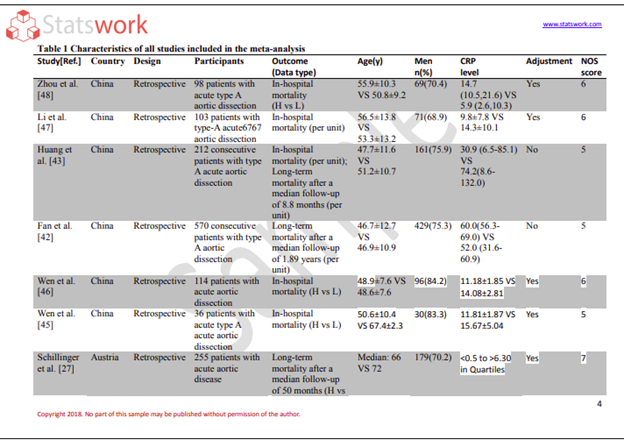
Data Analysis services
- Secondary Qualitative Research Services
- Secondary Quantitative Research Services
- Meta-Analysis Research services
- Sample Work
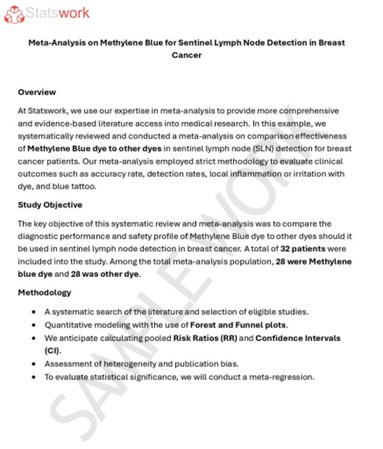
Meta-Analysis Research Services
- Data Collection Services
- Sample Work
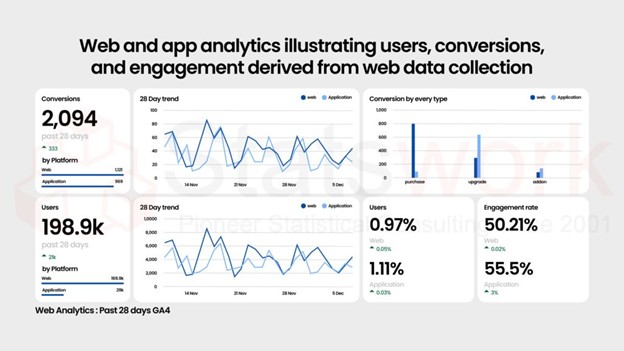
Data Collection Services
- Statistical & Biostatistics services
- Sample Work
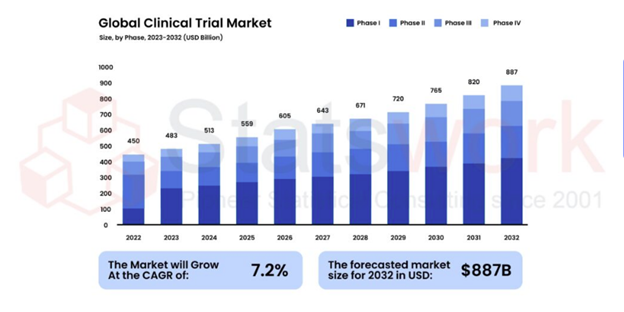
Statistical Programming & Biostatistics services
- Data Management Services
- Sample Work
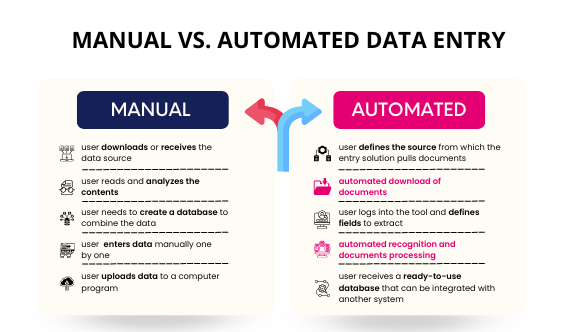
Data Management Services
- Research methodology services
- Sample Work
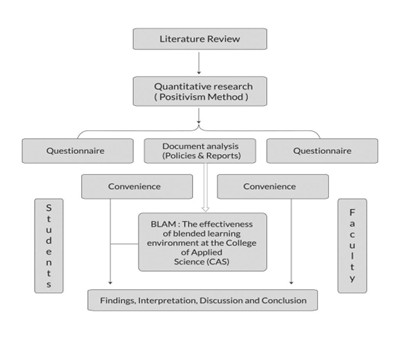
Research methodology services
- Tool Development Services
- Sample Work
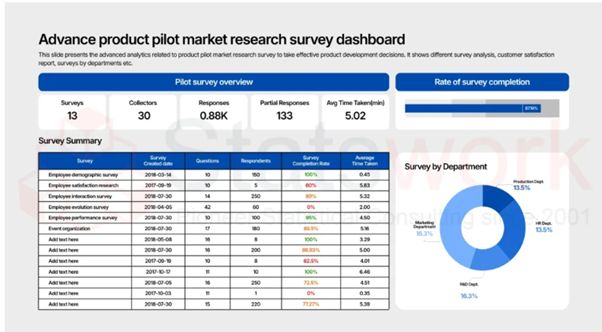
Tool development services
- Statistical Interpretation services
-
Statistical Interpretation services
- Sample Work
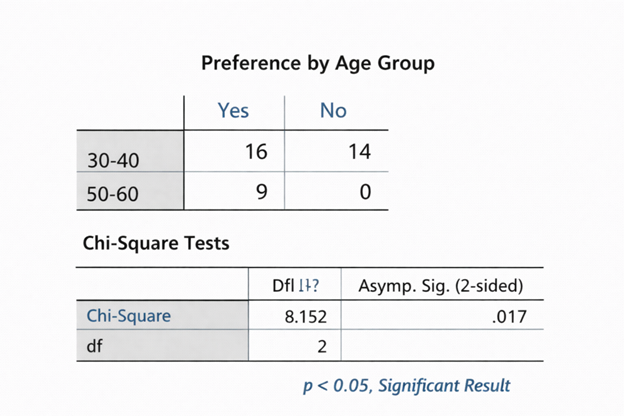
Statistical Interpretation services
-
- Sample Size Calculation Services
-
Sample Size Calculation Services
- Sample Work
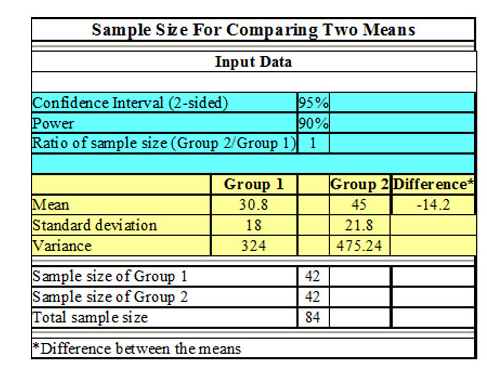
Sample Size Calculation Services
-
- AI & ML Services
-
Artificial Intelligence and Machine Learning Services
- Sample Work
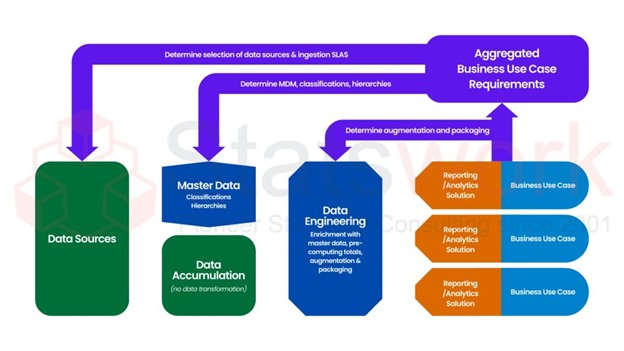
Artificial Intelligence and Machine Learning Services
-
- Meaningful Visualization Services
- Thought Leadership Services
- Report Generation Services
-
Report generation Service
- Sample Work
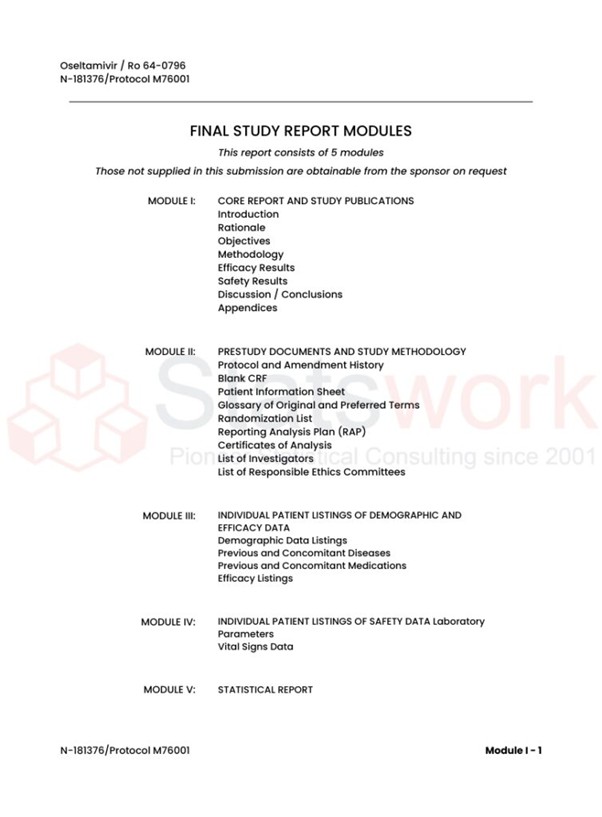
Report generation Services
-
- Data Analysis services
- Industries
- About Us
- Blog
- Insights
- Contact Us
- Services
- Data Analysis services
- Sample Work
Data Analysis services
- Secondary Qualitative Research Services
- Secondary Quantitative Research Services
- Meta-Analysis Research services
- Sample Work
Meta-Analysis Research Services
- Data Collection Services
- Sample Work
Data Collection Services
- Statistical & Biostatistics services
- Sample Work
Statistical Programming & Biostatistics services
- Data Management Services
- Sample Work
Data Management Services
- Research methodology services
- Sample Work
Research methodology services
- Tool Development Services
- Sample Work
Tool development services
- Statistical Interpretation services
-
Statistical Interpretation services
- Sample Work
Statistical Interpretation services
-
- Sample Size Calculation Services
-
Sample Size Calculation Services
- Sample Work
Sample Size Calculation Services
-
- AI & ML Services
-
Artificial Intelligence and Machine Learning Services
- Sample Work
Artificial Intelligence and Machine Learning Services
-
- Meaningful Visualization Services
- Thought Leadership Services
- Report Generation Services
-
Report generation Service
- Sample Work
Report generation Services
-
- Data Analysis services
- Industries
- About Us
- Blog
- Insights
- Contact Us
The Importance of Choosing the Right Data Collection Method for Business Research
Qualitative Research Service
- Why Choosing the Right Data Collection Method Matters
- Business Risks of Choosing the Wrong Data Collection Method
- Key Factors for Selecting the Right Data Collection Method
- Comparing Popular Business Data Collection Methods
- Primary vs Secondary Data Collection: Which Is Right for Your Business?
- Industry Applications for Professional Data Collection Services
- Emerging Trends in Business Data Collection
- Why Businesses Outsource Data Collection Services
- Best Practices for Successful Business Data Collection
- Conclusion
News & Trends
Recommended Reads
Contact us
Summary:
Choosing the right data collection method is essential for accurate business research and informed decision-making. This article explores key data collection methods, selection factors, and business benefits for organizations. It also highlights best practices and the advantages of outsourcing professional data collection services. Learn how Statswork’s Data Collection Services help businesses collect reliable data and drive strategic growth.
The success of businesses relies on decisions made by individuals, and decisions made rely on collected data. The choice of the proper technique of data collection is at the base of all good business research efforts whether firms need to analyze new markets, understand the behavior of customers, measure operational performance or develop new products.
All modern businesses accumulate huge volumes of data from their clients, suppliers, Internet platforms and even internal processes of companies. But collecting data using non-methodical approaches leads to inconsistencies, incompleteness or even wrong conclusions which could influence the process of strategic decision-making and hinder business growth [1]. Data Collection Services allow gathering professional and validated business information which will ensure effective decision-making.
In case firms work in conditions of competition, the choice of the proper business data collection services is not just a research effort but a business investment.
Why Choosing the Right Data Collection Method Matters
Each business problem will necessitate different kinds of information. How the data is collected affects its applicability, reliability, and usefulness for business intelligence purposes.
A poor data gathering process may lead to wrong conclusions being drawn while a well-thought-out one will give businesses valuable information that can be used in forecasting, investments, product innovations, and expanding into new markets [2].
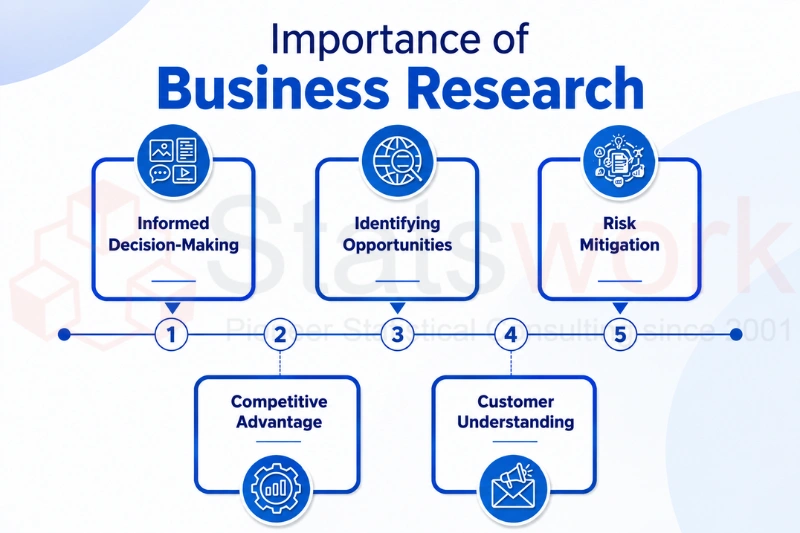
Professional research data collection services help organizations:
- Creation of business intelligence
- Minimization of risks
- Customer-oriented decisions
- Market competitiveness
- Executives’ report reliability
- Digital transformation initiatives
- Business strategy based on evidence
As opposed to considering the gathering of data as a single event, successful businesses incorporate this process within the business intelligence ecosystem.
Business Risks of Choosing the Wrong Data Collection Method
Low-quality data influences all aspects of the planning process in business. In cases where businesses choose improper methods for collecting data, they may encounter delays, inaccurate reports, and strategic mistakes.
| Challenge | Failure Effect |
| Poor-quality answers | Bad business analysis |
| Bias in sampling | Processes |
| Inadequate data | Low prediction precision |
| Errors in manual processes | High operating expenses |
| Low responses | Limited confidence for making decisions |
| Invalid data sources | Risk taking investment decisions |
| Variety of data formats | Complexity of data analysis and reporting |
Selecting an appropriate enterprise data collection strategy minimizes these risks while improving overall research quality [3].
Key Factors for Selecting the Right Data Collection Method
All companies have different research goals, customer profiles, operational considerations, and external conditions.
These include:
- Business goals and results that need to be achieved
- The type of information that is needed (qualitative or quantitative)
- The ability to reach out to customers or stakeholders
- Sample size to be targeted
- Geographical scope
- Available budget
- Timeframe
- Regulatory requirements of industry
- Necessities for data protection
- Integration with business intelligence systems
If these considerations match, companies can get the most value out of each research effort.
Comparing Popular Business Data Collection Methods
| Data Collection Technique | Preferred Business Application | Business Benefit |
| Surveys (online) | Satisfaction survey, market research | Timely and economical |
| Telephone Interviewing | B2B customer study | Increased understanding and clarification |
| Personal Interviews | Stakeholder analysis of executives | More profound insights |
| Focus Groups | Product testing | Meaningful customer information |
| Secondary Data Collection | Market information | Timelier decisions |
| CRM/Digital Data Collection | Customer analytics | Immediate business insights |
| Observation Study | Consumer behavior | Behavioral analysis |
Choosing the proper combination of methodologies enables organizations to obtain business intelligence through a variety of touchpoints [2].
Primary vs Secondary Data Collection: Which Is Right for Your Business?
Both Primary Data Collection and Secondary Data Collection are very important to business research. This is because it all depends on what is needed from the research and how customized the data should be.
| Primary Data Collection | Secondary Data Collection |
| Gathers original business data | Uses existing industry data |
| Insights tailored to need | Quicker application |
| Accurate information for purposes | Cost-effective approach to research |
| Best for researching customers | Best for market benchmarking |
Many organizations combine both approaches to obtain a complete understanding of market dynamics before making strategic decisions.
Industry Applications for Professional Data Collection Services
Businesses across industries rely on structured data collection services to improve performance and reduce uncertainty.
Common business applications include:
- Market research to understand customer needs
- Retail analytics to understand customer purchase
- Healthcare research to understand patients and services
- Financial services to understand risk
- Manufacturing to improve processes
- Technology companies to validate products
- Telecoms to improve customer experience
- E-commerce to understand consumer behavior
- Supply chain management to improve operations
- Human resources for employee engagement
Customized methods of collecting data allow businesses to collect industry-specific data for sustainable development [4].
Emerging Trends in Business Data Collection
The future of business research is increasingly driven by automation, digital transformation, and advanced analytics.
Organizations are adopting innovative technologies such as:
- AI-driven surveys
- Mobile-first surveys
- Research management on cloud
- Automatic data validation
- Predictive analytics
- Customer journey analytics
- Real-time dashboards
- Business intelligence through IoT
- Digitized questionnaires
- Data governance framework
These technologies significantly improve the speed, scalability, and accuracy of business research while reducing manual effort [3].
Why Businesses Outsource Data Collection Services
Most companies find it difficult to have enough manpower, technology, and expertise within the company to complete research projects effectively. By outsourcing the services of professional data collectors, companies get to benefit from expertise while maintaining the highest level of data quality.
The advantages of outsourcing data collection services include:
- Faster project completion
- Increased accuracy of data collected
- Quality control
- Efficient research process
- Expert research professionals
- Scalable data collection services
- Increased regulatory compliance
- Data security and confidentiality
- Reduced internal effort
- Easy and fast business decision-making
By outsourcing data collection services to a seasoned service provider, companies can concentrate on other strategic goals.
Best Practices for Successful Business Data Collection
Businesses which deliver high-quality research results regularly conduct their research process according to certain rules.
Best practice guidelines:
- Specify measurable goals for your business
- Use the most suitable method of data collection
- Conduct structured surveys
- Regularly validate gathered data
- Capture data governance principles
- Monitor quality of responses
- Remove duplicates
- Fulfill compliance requirements
- Document research process
- Utilize findings in business intelligence systems
Adhering to these guidelines ensures efficient research and helps in making evidence-based decisions.
Conclusion
Selecting an appropriate method of data collection is a business strategy and plays a major role in determining the quality of the research results, efficient business operations, customer behavior analysis, and success. Good data helps businesses find areas where they can grow and succeed, analyze trends, improve their operations, and make better-informed decisions. In today’s world of increasing business data-driven approaches, the need for professional Data Collection Services is necessary for attaining a sustainable competitive advantage [4].
The Data Collection Services provided by Statswork offer full support to organizations in the process of collecting reliable and customized data for business research purposes. With our services ranging from Primary Data Collection, Secondary Data Collection, Online Data Collection, Survey Design, Questionnaire Development, Validation of Data, and Research Data Management, we provide accurate and actionable business intelligence for your organization.
Frequently asked question:
Data collection is important because it provides accurate and reliable information that helps organizations make informed decisions, identify trends, and achieve research objectives.
Choosing the right research method ensures that the data collected is relevant, reliable, and aligned with the research goals, leading to more accurate and actionable insights
Selecting an appropriate data collection method improves data quality, minimizes bias, enhances research efficiency, and supports confident business decision-making.
The most appropriate data collection method depends on the research objectives, with surveys, interviews, observations, and secondary data analysis being the most used approaches.
The four main types of data collection are surveys, interviews, observations, and secondary data collection, each serving different business and research purposes.
Data is important because it supports informed decision-making, improves business planning, identifies market opportunities, measures organizational performance, and drives strategic growth through evidence-based insights.
Reference
- Ganesha, H. R., & Aithal, P. S. (2022). How to choose an appropriate research data collection method and method choice among various research data collection methods and method choices during Ph. D. program in India. International Journal of Management, Technology, and Social Sciences, 7(2), 455-489. https://d1wqtxts1xzle7.cloudfront.net/100063600/26._How_to_Choose_an_Appropriate_Research_Data-libre.pdf?1679288812=&response-content-disposition=inline%3B+filename%3D
- Mwita, K. (2022). Factors to consider when choosing data collection methods. Available at SSRN 4880486. https://papers.ssrn.com/sol3/papers.cfm?abstract_id=4880486
- Ganesha, H. R., & Aithal, P. S. (2022). When to collect data? Choosing an appropriate time frame for data collection during Ph. D. program in India. International Journal of Applied Engineering and Management Letters (IJAEML), 6(2), 271-287. https://d1wqtxts1xzle7.cloudfront.net/102663338/17._When_to_Collect_Data_Choosing_an_Appropriate_Time-libre.pdf?1685081318=&response-content-disposition=inline%3B+filename%3DWhen_to_Collect_Data_Choosing_an_Appropr.pdf
- Hutchinson, C. (2024). How Do You Choose an Appropriate Data-Gathering Tool?. Becoming a Teacher-Researcher: A Guide to Your Research Journey, 159. https://www.torrossa.com/en/resources/an/5868663#page=174