
- Services
- Data Analysis services
- Sample Work
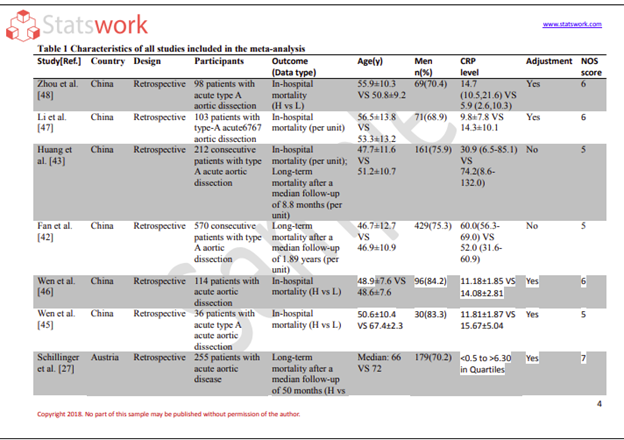
Data Analysis services
- Secondary Qualitative Research Services
- Secondary Quantitative Research Services
- Meta-Analysis Research services
- Sample Work
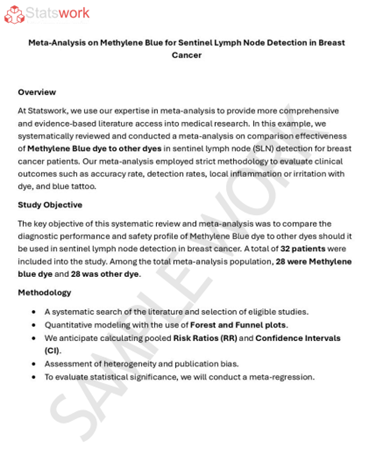
Meta-Analysis Research Services
- Data Collection Services
- Sample Work
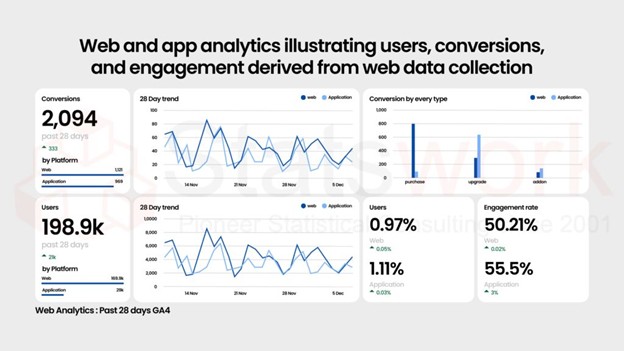
Data Collection Services
- Statistical & Biostatistics services
- Sample Work

Statistical Programming & Biostatistics services
- Data Management Services
- Sample Work
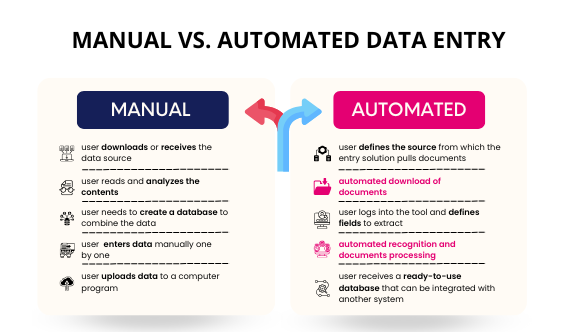
Data Management Services
- Research methodology services
- Sample Work
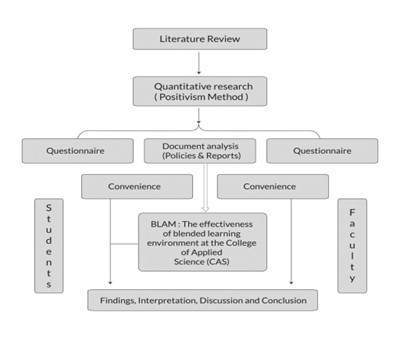
Research methodology services
- Tool Development Services
- Sample Work
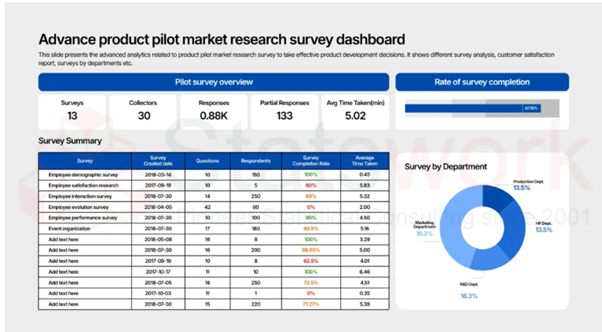
Tool development services
- Statistical Interpretation services
-
Statistical Interpretation services
- Sample Work
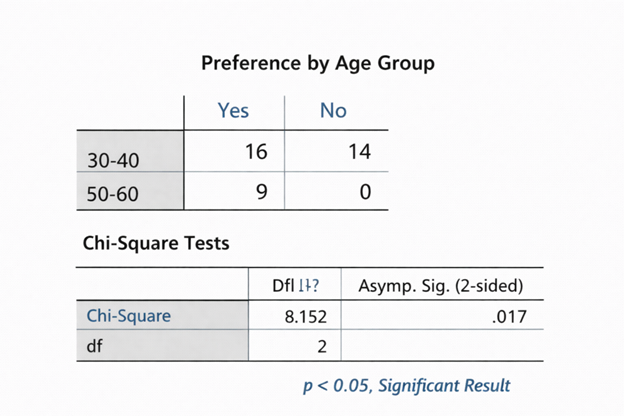
Statistical Interpretation services
-
- Sample Size Calculation Services
-
Sample Size Calculation Services
- Sample Work
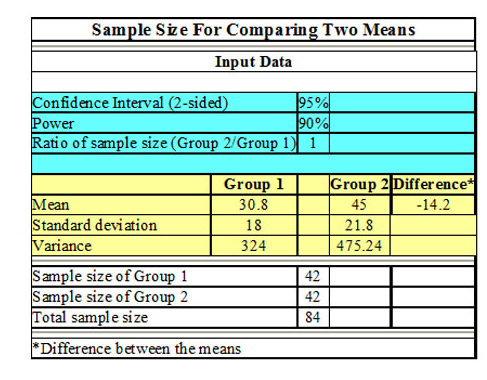
Sample Size Calculation Services
-
- AI & ML Services
-
Artificial Intelligence and Machine Learning Services
- Sample Work
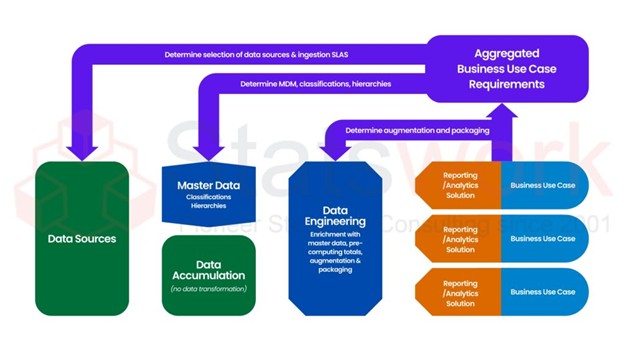
Artificial Intelligence and Machine Learning Services
-
- Meaningful Visualization Services
- Thought Leadership Services
- Report Generation Services
-
Report generation Service
- Sample Work
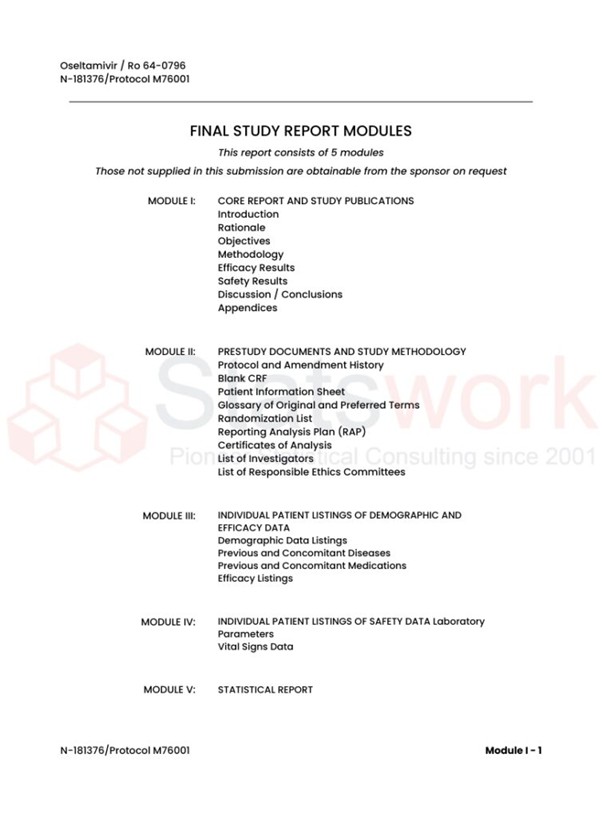
Report generation Services
-
- Data Analysis services
- Industries
- About Us
- Blog
- Insights
- Contact Us
- Services
- Data Analysis services
- Sample Work
Data Analysis services
- Secondary Qualitative Research Services
- Secondary Quantitative Research Services
- Meta-Analysis Research services
- Sample Work
Meta-Analysis Research Services
- Data Collection Services
- Sample Work
Data Collection Services
- Statistical & Biostatistics services
- Sample Work
Statistical Programming & Biostatistics services
- Data Management Services
- Sample Work
Data Management Services
- Research methodology services
- Sample Work
Research methodology services
- Tool Development Services
- Sample Work
Tool development services
- Statistical Interpretation services
-
Statistical Interpretation services
- Sample Work
Statistical Interpretation services
-
- Sample Size Calculation Services
-
Sample Size Calculation Services
- Sample Work
Sample Size Calculation Services
-
- AI & ML Services
-
Artificial Intelligence and Machine Learning Services
- Sample Work
Artificial Intelligence and Machine Learning Services
-
- Meaningful Visualization Services
- Thought Leadership Services
- Report Generation Services
-
Report generation Service
- Sample Work
Report generation Services
-
- Data Analysis services
- Industries
- About Us
- Blog
- Insights
- Contact Us
Statistical Peer Review and Its Importance in Quantitative Research
- Home
- Insights
- Article
- Statistical Peer Review and Its Importance in Quantitative Research
Qualitative Research Service
- Understanding Statistical Peer Review
- Importance of Accuracy in Quantitative Research
- Refining Research Methodology
- Accurate Data Interpretation
- Enhancing Research Credibility
- Enhancing Journal Article Publications
- Mitigating Research Bias
- Improving Reproducibility of Research
- Importance of Professional Statistical Peer Review Services
- Conclusion
News & Trends
Recommended Reads
Contact us
Introduction
- 1. Understanding Statistical Peer Review
- 2. Importance of Accuracy in Quantitative Research
- 3. Refining Research Methodology
- 4. Accurate Data Interpretation
- 5. Enhancing Research Credibility
- 6. Enhancing Journal Article Publications
- 7. Mitigating Research Bias
- 8. Improving Reproducibility of Research
- 9. Importance of Professional Statistical Peer Review Services
- 10. Conclusion
It is important to note that quantitative research is one of the primary tools used in academia, science, health-related fields, business, and social sciences. Quantitative research involves collection and analysis of numerical data as well as statistical methods to reach certain conclusions. The reliability of quantitative research highly depends on the correctness of statistical methods, data analysis, and interpretation. Even a small mistake or miscalculation may significantly influence the outcomes of the whole research project; thus, statistical peer review becomes a critical element of modern research processes [1].
In general terms, statistical peer review refers to the examination of research carried out by professionals specialized in statistics and concerned with evaluating the appropriateness of data analysis, research design, and conclusions reached. Statistical peer review is important for quantitative research because it allows researchers to eliminate mistakes, increase research quality, and make sure that their conclusions are scientifically correct.

Understanding Statistical Peer Review
Statistical peer review, therefore, is a unique peer review exercise conducted by experienced statisticians and data analysts. It differs from regular peer reviews since it only concentrates on the statistics involved in the study unlike regular peer reviews which focus on evaluating the overall relevance of the research [2].
A few critical areas to be considered include
- The research methodology and sample size
- The method used for collecting data
- Test statistics employed
- The assumptions made in the statistic models
- The accuracy of computations
- Interpretation of statistical output
- Use of charts and diagrams
- The validity and reliability of data
Importance of Accuracy in Quantitative Research
Accuracy becomes a very critical element in any quantitative study since decisions made, recommendations provided and further research studies would be based on such results. Statistical inaccuracies may have dire consequences on decision making processes and policy development [3].
Some examples when statistical inaccuracies negatively impact the research process include:
Inaccuracies in medical statistics would affect recommendations for treatment.
A flawed statistical model applied in business research would result in loss of money and reputation for a company.
Inaccuracies within academic statistics might cause rejections and criticism.
Statistical peer review would help researchers avoid potential mistakes that could happen during statistical analysis, verification and evaluation before publication.
Identification of Errors in Statistical Analysis
The identification of errors in data analysis is the major advantage of conducting statistical peer review. Often researchers do not know how to correctly interpret statistical results since the knowledge of proper statistical modelling and analysis procedures might be insufficient.
Common types of errors made in data analysis are:
- Choosing the wrong test to apply
- Misinterpretation of results
- Non-compliance with the assumptions of models
- Improper use of sampling methodology
- Ignoring the issue of missing data
- Correctness of confidence intervals
- Overgeneralization of results
Refining Research Methodology
An effective methodology is key to conducting high-quality quantitative research. The statistics peer reviewers check whether the methodology suits the aims of the research. For example, they can evaluate the calculation of the sample size, choice of variables, data collection, and experiments.
In case of any flaws, the reviewers can make suggestions such as:
- Sample size increase
- Use of innovative statistical models
- Employment of more appropriate data analysis techniques
- Variable measurement improvement
- Diminishing bias during data collection.
Such recommendations help improve the quality of research and its findings.
Accurate Data Interpretation
Proper interpretation of statistical results is crucial to quantitative research. Sometimes researchers interpret the statistical results wrongly or even go beyond their real meaning.
The statistics peer reviewers assist in making sure that:
- Results interpretation is unbiased
- Findings are evidence-based
- Correlation and causation are distinguished
- The statistical significance of the result is clarified
- The limitations of the research are addressed
Such measures prevent false claims from being made.
Enhancing Research Credibility
Research credibility is extremely important for academic publications, funding opportunities, and professional recognition. Papers lacking statistical rigor may be rejected for publication or be subject to critique from professionals.
Proper statistical peer review helps establish credibility in research through the following factors:
- Suitable application of statistical methods
- Soundness of data analysis procedures
- Adherence to standard scientific methods
- Trialability of research results
With proper statistical peer review, readers and journal editors will be confident about the research findings [5].
Enhancing Journal Article Publications
More scientific journals nowadays conduct statistical peer review before accepting research articles for publication. Journals intend to accept and publish credible research papers. Scientific papers that lack statistical accuracy usually fail the review process.
Professional statistical peer review enables authors to submit error-free manuscripts by:
- Picking out statistical inaccuracies
- Eliminating inconsistencies
- Bolstering data interpretations
- Conforming to journal guidelines
Through statistical peer review, researchers can achieve successful article publications in reputable journals.
Mitigating Research Bias
Quantitative research often suffers from bias, which may lead to invalidation of findings. Statistical peer review checks for any form of bias that may be present in the study sample or data.
Such biases include:
- Selection bias
- Instrument bias
- Confirmation bias
- Reporting bias
Improving Reproducibility of Research
Reproducibility is one of the main principles of any scientific research. It should be possible for other scientists to repeat the experiment using the same methods and receive similar results.
Professional statistical peer review helps make the study more reproducible as it allows:
- Detailed documentation of all statistical procedures;
- Transparent data analysis process;
- Accurate calculations;
- Correct research methods description.
This makes the study more credible and promotes future scientific discoveries.
Importance of Professional Statistical Peer Review Services
It is often desirable for scientists to use professional statistical peer review services to make sure their research meets high-quality standards. They will consult the scientist about the research performed by experienced statisticians who specialize in various fields of study.
The most common services offered by professional statistical peer review services include:
Methodology assessment and improvement;
- Support in statistical analysis;
- Assistance in data interpretation;
- Errors correction in analysis;
- Journal submission guidance;
- Other improvements in the quality of the research.
This type of service will be very useful for students, academics, healthcare specialists, business analysts, and others [2].
Conclusion
There is no doubt that statistical peer review is of paramount importance in ensuring accuracy in the process of quantitative research. This is because statistical peer review helps spot mistakes in statistics, improve the research methodology, verify the validity of the research data interpretation, limit biases, and make research findings more credible.
The service of statistical peer reviewing provided by professional institutions such as Statswork Statistical Peer Reviewing Services will help you improve your research in terms of quality, credibility, and acceptance rate.
Reference
- Gorjian, M. (2025). Statistical methodologies for urban morphology indicators: A comprehensive review of quantitative approaches to sustainable urban form. arXiv preprint arXiv:2508.08305. https://arxiv.org/abs/2508.08305
- Gorjian, M. (2025). Greening schoolyards and urban property values: A systematic review of geospatial and statistical evidence. arXiv preprint arXiv:2507.19934. https://arxiv.org/abs/2507.19934
- Gorjian, M. (2025). Statistical perspectives on urban inequality: A systematic review of GIS-based methodologies and applications. arXiv preprint arXiv:2508.08296. https://arxiv.org/abs/2508.08296
- Bylemans, J., Everts, T., Brys, R., & Duncan, R. P. (2025). From anarchy to clarity, data pre‐processing and statistical choices influence quantitative environmental DNA (eDNA) analyses.Methods in Ecology and Evolution, 16(7), 1322-1333. https://besjournals.onlinelibrary.wiley.com/doi/abs/10.1111/2041-210X.70064?__cf_chl_tk=cy1EFkS__5AdZ1OCUyzydAAE_gPvOSo_ZQMZYrz8v2k-1779774164-1.0.1.1-LtI495IkqXFO_SkVhrJNnTvJ6Ge9KOsjxV5rSNiWd0M