
- Services
- Data Analysis services
- Sample Work
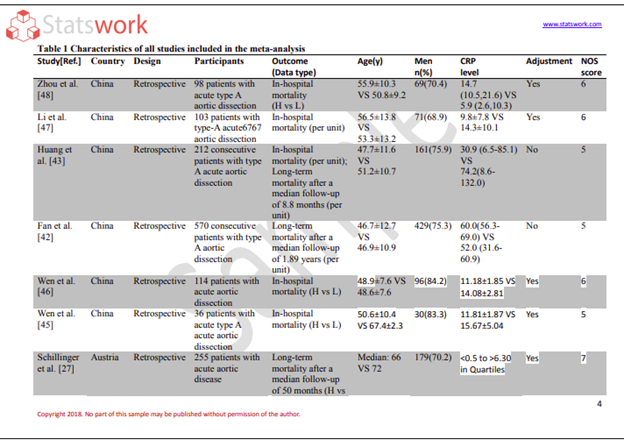
Data Analysis services
- Secondary Qualitative Research Services
- Secondary Quantitative Research Services
- Meta-Analysis Research services
- Sample Work
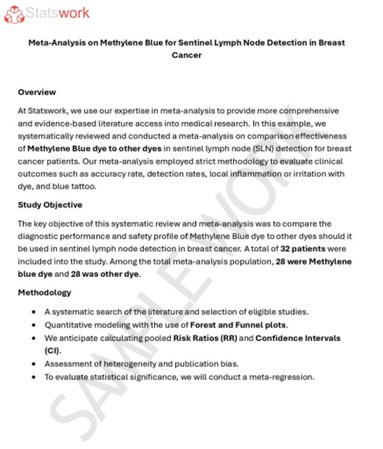
Meta-Analysis Research Services
- Data Collection Services
- Sample Work
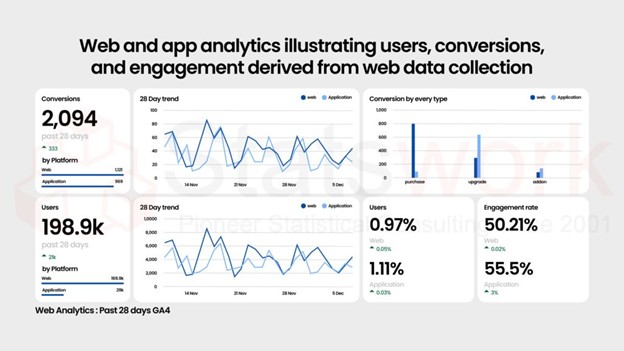
Data Collection Services
- Statistical & Biostatistics services
- Sample Work
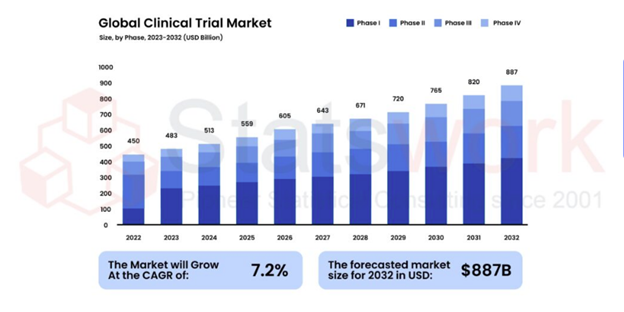
Statistical Programming & Biostatistics services
- Data Management Services
- Sample Work
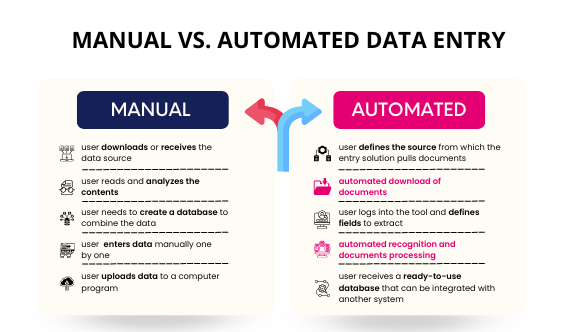
Data Management Services
- Research methodology services
- Sample Work
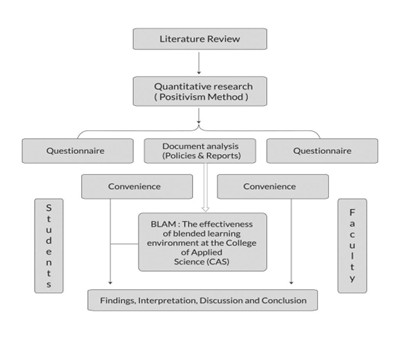
Research methodology services
- Tool Development Services
- Sample Work
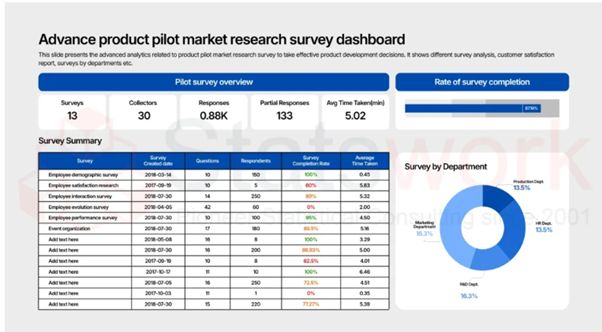
Tool development services
- Statistical Interpretation services
-
Statistical Interpretation services
- Sample Work
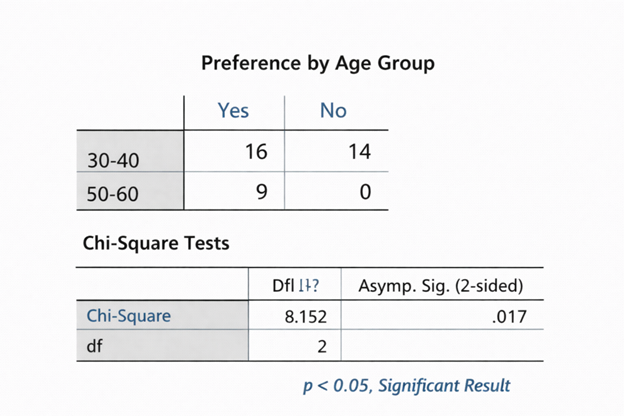
Statistical Interpretation services
-
- Sample Size Calculation Services
-
Sample Size Calculation Services
- Sample Work
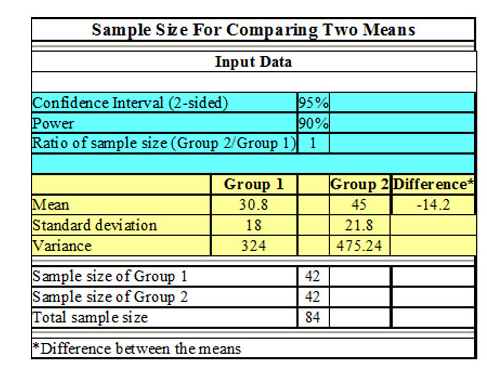
Sample Size Calculation Services
-
- AI & ML Services
-
Artificial Intelligence and Machine Learning Services
- Sample Work
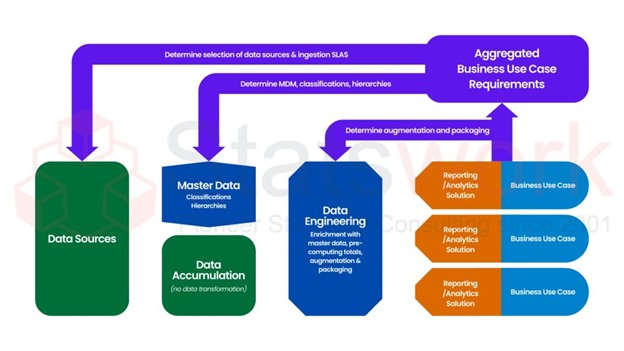
Artificial Intelligence and Machine Learning Services
-
- Meaningful Visualization Services
- Thought Leadership Services
- Report Generation Services
-
Report generation Service
- Sample Work
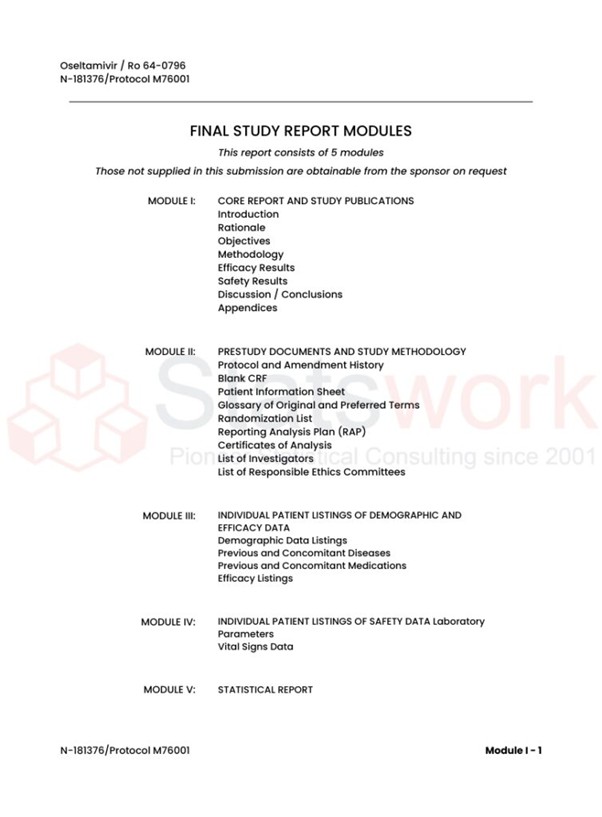
Report generation Services
-
- Data Analysis services
- Industries
- About Us
- Blog
- Insights
- Contact Us
- Services
- Data Analysis services
- Sample Work
Data Analysis services
- Secondary Qualitative Research Services
- Secondary Quantitative Research Services
- Meta-Analysis Research services
- Sample Work
Meta-Analysis Research Services
- Data Collection Services
- Sample Work
Data Collection Services
- Statistical & Biostatistics services
- Sample Work
Statistical Programming & Biostatistics services
- Data Management Services
- Sample Work
Data Management Services
- Research methodology services
- Sample Work
Research methodology services
- Tool Development Services
- Sample Work
Tool development services
- Statistical Interpretation services
-
Statistical Interpretation services
- Sample Work
Statistical Interpretation services
-
- Sample Size Calculation Services
-
Sample Size Calculation Services
- Sample Work
Sample Size Calculation Services
-
- AI & ML Services
-
Artificial Intelligence and Machine Learning Services
- Sample Work
Artificial Intelligence and Machine Learning Services
-
- Meaningful Visualization Services
- Thought Leadership Services
- Report Generation Services
-
Report generation Service
- Sample Work
Report generation Services
-
- Data Analysis services
- Industries
- About Us
- Blog
- Insights
- Contact Us
Advanced Protocol and SAP Strategies for High-Performance Health Information Systems
- Home
- Insights
- Article
- Advanced Protocol and SAP Strategies for High-Performance Health Information Systems
Qualitative Research Service
- Advanced Protocols in Health Information Systems
- Why SAP Strategies Are Essential in Healthcare
- Key SAP Modules Used in Healthcare
- What Role Does Data Security Play in High-Performance Systems
- How to Implement Advanced Protocols Effectively
- Performance Optimization Strategies in SAP Systems
- Future Trends in Health Information Systems
- Conclusion
News & Trends
Recommended Reads
Contact us
Introduction
- 1. Advanced Protocols in Health Information Systems
- 2. Why SAP Strategies Are Essential in Healthcare
- 3. Key SAP Modules Used in Healthcare
- 4. What Role Does Data Security Play in High-Performance Systems
- 5. How to Implement Advanced Protocols Effectively
- 6. Performance Optimization Strategies in SAP Systems
- 7. Future Trends in Health Information Systems
- 8. Conclusion
In today’s environment of healthcare, there is a need for very good information systems that ensure efficiency, effectiveness, and security. With the increase in large volumes of patients’ information at hospitals and other healthcare facilities, it has become necessary for these institutions to have strong infrastructures. There are various ways through which advanced protocols and SAP are used to achieve this goal. The following paper highlights how these techniques help to create high-performance health information systems. [1]
Advanced Protocols in Health Information Systems
Advanced protocols are communication standards, which help different health care systems communicate with each other by transferring the necessary data. There are also ways for secure data transmission, system compatibility, and communication from one platform to another. Examples of commonly used protocols that facilitate communication among health care systems include HL7 and FHIR protocols.
They also help decrease the possibility of making errors, facilitate communication, and promote data sharing at any moment of time. The adoption of such protocols in performance health care systems improves decisions and enhances patient outcomes. [1]
Why SAP Strategies Are Essential in Healthcare
SAP solutions are vital in improving efficiency and coordination in the healthcare sector through integrated and scalable systems.
- Integrated Data Management: The SAP solution integrates data from different departments, thus providing easy access and coordination across all health care systems.
- Efficient Patient Management: These SAP solutions help manage patients’ activities in health care settings, for example, admitting patients, monitoring their treatment and discharging them.
- Proper Supply Chain Management: Through SAP software, there is effective supply chain management where medical items and equipment are provided in sufficient quantities.
- Financial and Regulatory Compliance Handling: With the SAP system, proper financial and regulatory compliance management becomes possible in the health care setting.
- Scalability and Efficiency Improvement: These solutions have an advantage of being scalable and therefore can provide efficiency and quality services despite growth. [2]
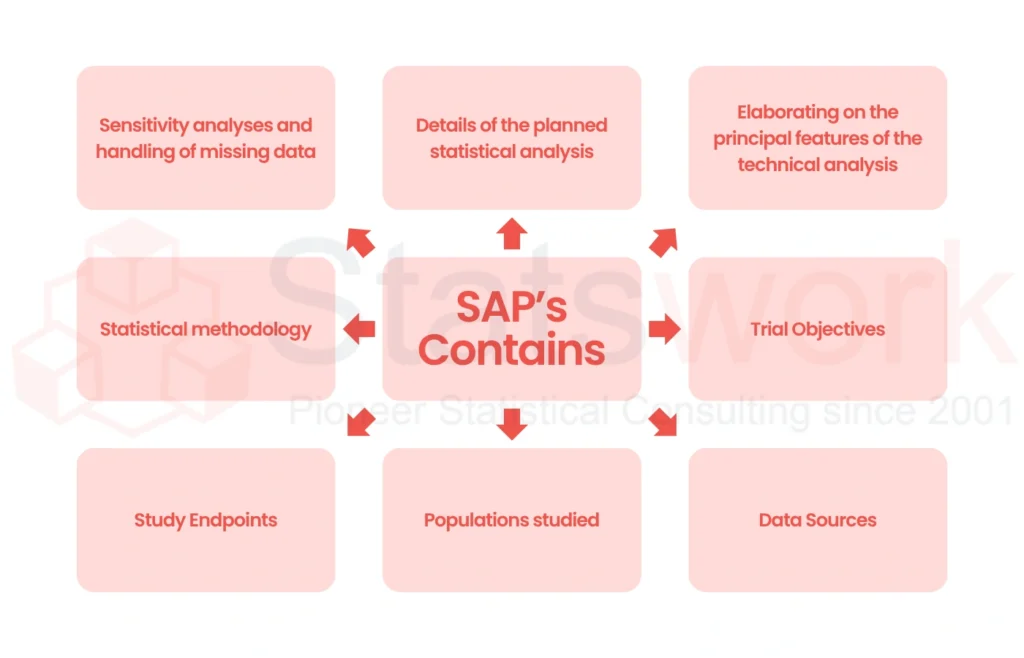
Key SAP Modules Used in Healthcare
| SAP Module | Function in Healthcare | Benefits |
| SAP IS-H | Industry-specific hospital management system | Streamlines patient administration processes and improves care coordination |
| SAP MM | Materials and inventory management | Ensures efficient inventory control and reduces supply shortages |
| SAP FI/CO | Financial accounting and cost controlling | Provides accurate financial reporting and better budget management |
| SAP HANA | High-speed in-memory database and analytics platform | Enables real-time data processing and faster decision-making |
These components together improve efficiency and allow health care systems to operate efficiently. By utilizing SAP optimization, one can get maximum performance without any interruptions. [2]
What Role Does Data Security Play in High-Performance Systems
- The issue of healthcare data security becomes very important in the medical field because patients’ data is extremely private. In this case, new strategies include encryption, authentication, and data access control technologies.
- Moreover, SAP systems already have some security mechanisms that include access control and audit logging.
- All these measures guarantee the implementation of such regulations as HIPAA and GDPR.
- The use of secure health care data management systems will not only help ensure confidentiality but also establish trust between all stakeholders. [3]
How to Implement Advanced Protocols Effectively
Effective execution calls for good planning and implementation. SAP Healthcare solutions will need to perform an assessment of their current infrastructures, find gaps and select suitable protocols.
- Audit of System: Doing audits periodically to fill the gaps in the performance of the system
- Staff Training: Giving proper training to help employees understand technology better
- Compatibility of Systems: Making sure that systems are compatible with other health care systems
- Continuous Monitoring of Systems: Constant monitoring to ensure smooth and efficient system performance
- Updating Systems Periodically: Updating to ensure the security of systems
Following these guidelines makes advanced protocol integration possible for healthcare providers.
Performance Optimization Strategies in SAP Systems
| Strategy | Description | Outcome |
| Database Optimization | Use of SAP HANA for faster data processing and queries | Reduced processing time and improved system responsiveness |
| Load Balancing | Distributing workload evenly across multiple servers | Improved system stability and reduced downtime |
| Data Archiving | Removing or storing outdated and unused data efficiently | Enhanced system speed and better storage management |
| Real-Time Analytics | Providing immediate data insights for quick analysis | Better decision-making and faster response times |
This will be crucial in optimizing health IT performance regardless of heavy workloads that can be put on them.
Future Trends in Health Information Systems
- The future of health information technology is shaped by innovations like artificial intelligence, cloud computing, and Internet of Things.
- Protocols will also continue to become more sophisticated, allowing greater system interoperability.
- There are also advances in SAP’s capabilities through cloud computing and artificial intelligence.
- Such developments will help boost system efficiency, save on expenses, and ensure better patient treatment.
- Using digital health transformation tactics will play a crucial role for businesses that want to remain relevant in the evolving technological landscape. [5]
Conclusion
Healthcare information technology that is high performing must be embraced in the current era if quality healthcare service provision is to be achieved. High performing technology is based on advanced standards that enable interoperability and protocols that ensure efficiency in information transfer. Strategies of SAP also play a crucial role in achieving efficiency through scalable systems.
Understanding the essence of these technologies in the health care sector, together with the benefits of adoption, would greatly enhance performance levels. Through improved security and efficiency, the benefits realized by adopting these technologies are endless.
With the ever-changing landscape in the industry, it would pay to embrace these strategies and technologies.
Reference
- Joshi, M. (2025). Strategic SAP Upgrades: Maximizing Enterprise System Value. Journal Of Multidisciplinary, 5(7), 810-832. https://sarcouncil.com/2025/07/
- Parimi, S. S. (2016). Analyzing the Effectiveness of SAP Systems in Streamlining Healthcare Supply Chains, Reducing Costs, and Improving Service Delivery. Reducing Costs, and Improving Service Delivery (February 02, 2016). https://papers.ssrn.com/sol3/
- Foster, I., Karonis, N. T., Kesselman, C., & Tuecke, S. (1998). Managing security in high‐performance distributed computations. Cluster Computing, 1(0), 95-107. https://link.springer.com/article/10