
- Services
- Data Analysis services
- Sample Work
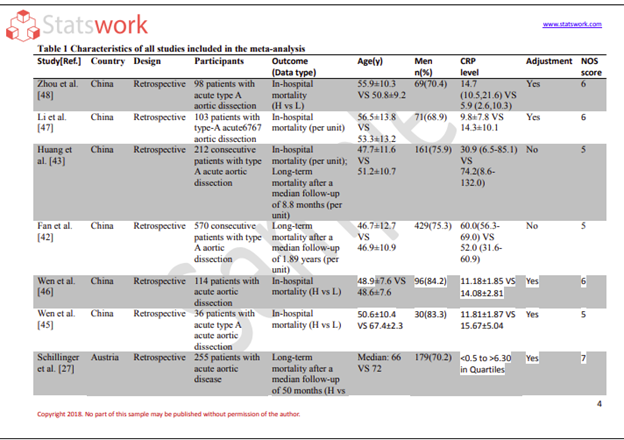
Data Analysis services
- Secondary Qualitative Research Services
- Secondary Quantitative Research Services
- Meta-Analysis Research services
- Sample Work
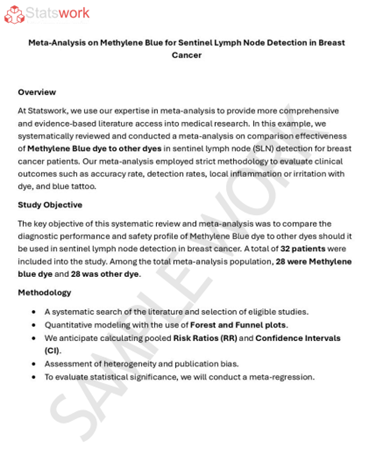
Meta-Analysis Research Services
- Data Collection Services
- Sample Work
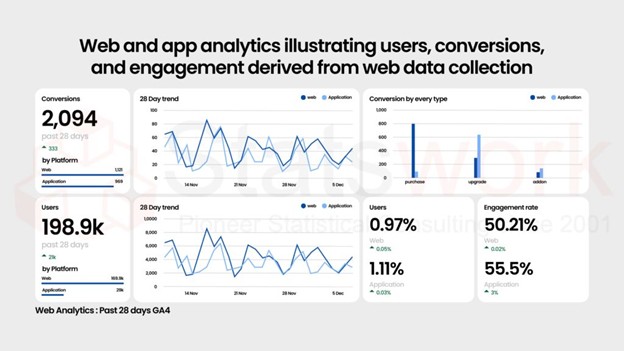
Data Collection Services
- Statistical & Biostatistics services
- Sample Work
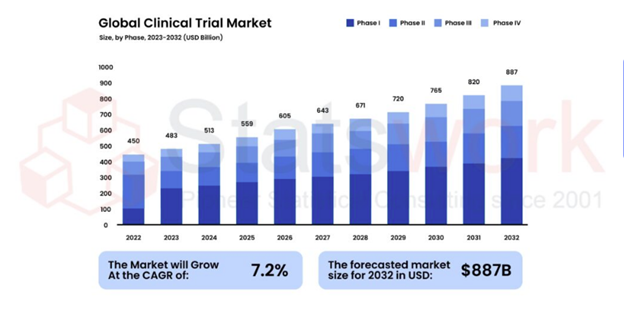
Statistical Programming & Biostatistics services
- Data Management Services
- Sample Work
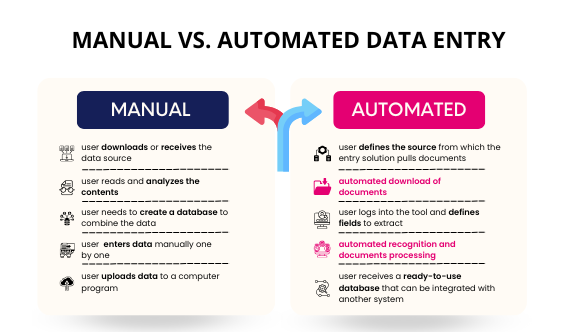
Data Management Services
- Research methodology services
- Sample Work
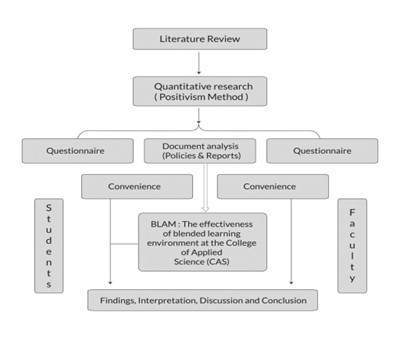
Research methodology services
- Tool Development Services
- Sample Work
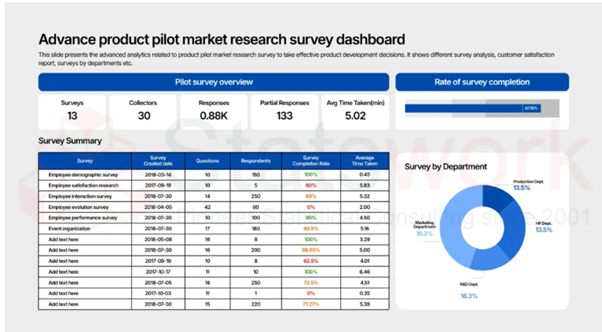
Tool development services
- Statistical Interpretation services
-
Statistical Interpretation services
- Sample Work
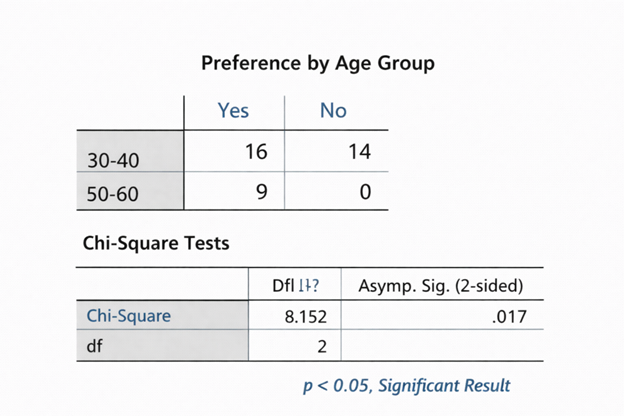
Statistical Interpretation services
-
- Sample Size Calculation Services
-
Sample Size Calculation Services
- Sample Work
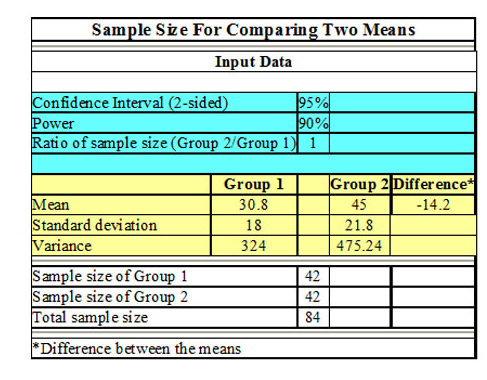
Sample Size Calculation Services
-
- AI & ML Services
-
Artificial Intelligence and Machine Learning Services
- Sample Work
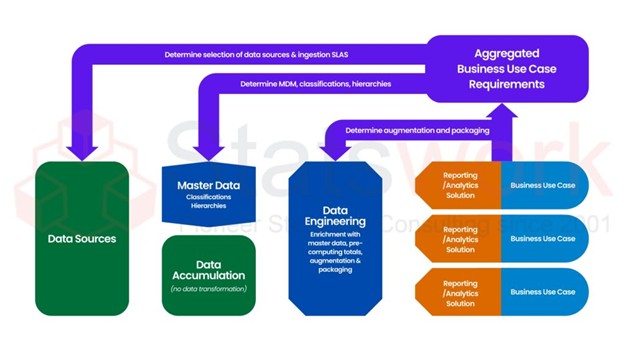
Artificial Intelligence and Machine Learning Services
-
- Meaningful Visualization Services
- Thought Leadership Services
- Report Generation Services
-
Report generation Service
- Sample Work
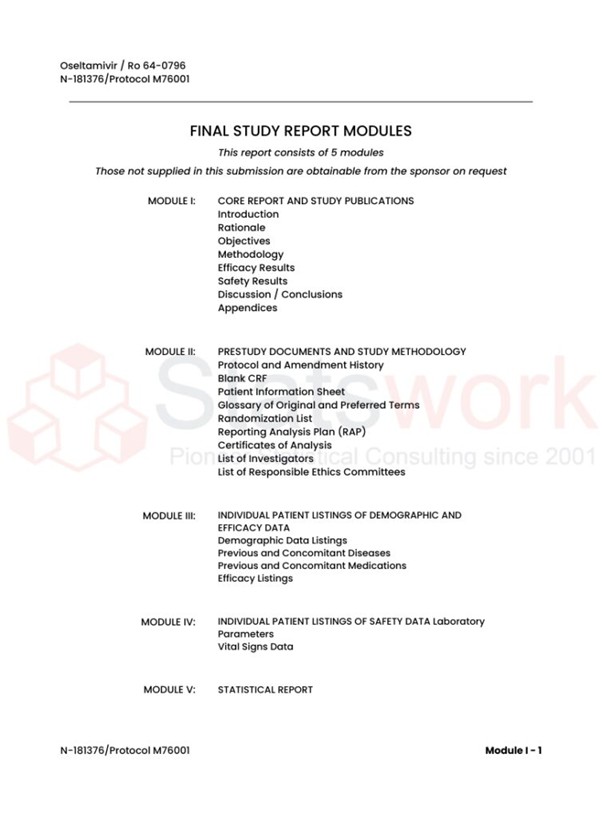
Report generation Services
-
- Data Analysis services
- Industries
- About Us
- Blog
- Insights
- Contact Us
- Services
- Data Analysis services
- Sample Work
Data Analysis services
- Secondary Qualitative Research Services
- Secondary Quantitative Research Services
- Meta-Analysis Research services
- Sample Work
Meta-Analysis Research Services
- Data Collection Services
- Sample Work
Data Collection Services
- Statistical & Biostatistics services
- Sample Work
Statistical Programming & Biostatistics services
- Data Management Services
- Sample Work
Data Management Services
- Research methodology services
- Sample Work
Research methodology services
- Tool Development Services
- Sample Work
Tool development services
- Statistical Interpretation services
-
Statistical Interpretation services
- Sample Work
Statistical Interpretation services
-
- Sample Size Calculation Services
-
Sample Size Calculation Services
- Sample Work
Sample Size Calculation Services
-
- AI & ML Services
-
Artificial Intelligence and Machine Learning Services
- Sample Work
Artificial Intelligence and Machine Learning Services
-
- Meaningful Visualization Services
- Thought Leadership Services
- Report Generation Services
-
Report generation Service
- Sample Work
Report generation Services
-
- Data Analysis services
- Industries
- About Us
- Blog
- Insights
- Contact Us
Consumer Insight Secondary Data Collection to Guide Product Positioning
Qualitative Research Service
News & Trends
Recommended Reads
Contact us
Summary:
Secondary data collection process helps organizations learn about consumer behaviour, spot market opportunities and develop excellent product positioning techniques through available market intelligence. This helps organizations make decisions because of facts, analyse their competitors and develop marketing strategies. Organizations can develop product positioning and gain competitive advantage by effectively using AI analytics and secondary research.
Introduction
Each successful product positioning strategy begins with one question, which is “What does the customer want?” Secondary data collection is a quick and inexpensive method to find the answer.
Rather than creating new surveys or focus groups, organizations can utilize already available information contained in market reports, industry journals, government sources, and reviews of consumers, thereby receiving valuable insights into buyers’ behaviour and trends on the market [1]. This type of consumer behaviours research is beneficial in that it allows companies to have some knowledge about the direction of the market development even prior to conducting primary research.
The use of secondary data effectively contributes to building company’s credibility since decisions based on reliable market intelligence are more convincing and bring success to companies’ products.
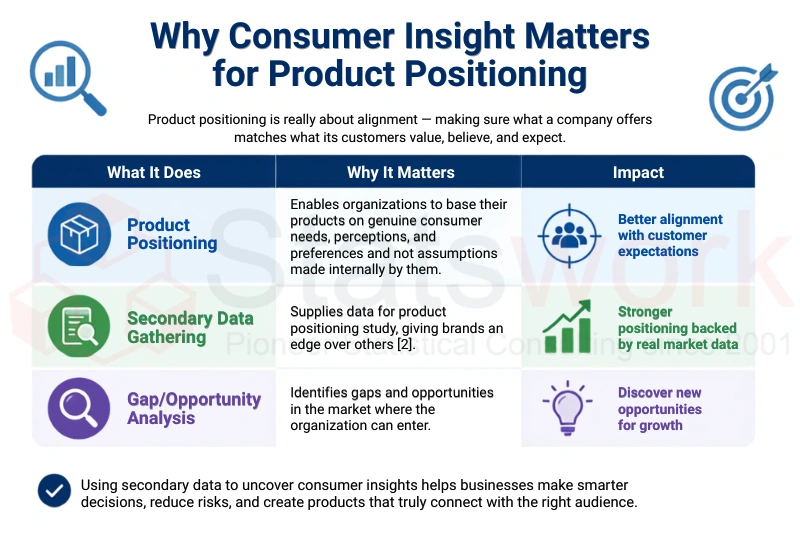
Why Consumer Insight Matters for Product Positioning
Product positioning is really about alignment — making sure what a company offers matches what its customers value, believe, and expect. Secondary data plays a direct role in getting that alignment right:
| What It Does | Why It Matters |
| Product Positioning | Enables organizations to position products based on genuine consumer needs, perceptions, and preferences rather than internal assumptions. |
| Secondary Data Gathering | Provides valuable data for product positioning studies, giving brands a competitive advantage. |
| Gap/Opportunity Analysis | Identifies market gaps and opportunities that organizations can leverage for growth and expansion. |
Consumer insight, in short, turns positioning from a guessing game into a research-backed decision.
The Business Case for Secondary Data
Why do most market research firms start off by referring to secondary sources before conducting any primary research? There are several reasons for this:
- Saving time and money. The information needed already exists; there’s no point in conducting primary research first to find out about the market.
- Insight into consumer behaviours. Patterns in the likes and dislikes of consumers are revealed through secondary sources, which would not have been uncovered without months of primary research [3].
- Data-driven product strategy. Information enables marketing and positioning strategies based on facts rather than speculation.
Where This Data Comes From
Effective secondary research uses a combination of sources that provide different perspectives on the market:
- Market reports and trade magazines – monitor overall consumer trends, activities of competitors, and future predictions for the category’s development.
- Social media and online reviews – show the instant reaction of consumers to the product, their complaints and preferences.
- Public statistics and government databases – contain trustworthy demographic, economic, and behavioural data.
- Academic literature and case studies – provide a theoretical and practical basis for consumers’ behaviours [4].
In this way, all sources help to construct a more complex and diverse perspective than would be achieved by using one source alone.
Using Secondary Data for Competitive Analysis
The use of secondary data isn’t just useful for understanding your own customers – it is one of the most efficient methods of studying your competitors:
- The mapping of your competitive environment. Using existing research and social listening, determine the advantages and disadvantages of your competitors [3].
- Benchmark performance and identify market trends. Find out how you compare to your competitors, finding untapped areas where they have not focused yet.
- Go after niche markets with your product positioning.
Where Secondary Data Falls Short
Secondary research is powerful, but it isn’t perfect. Teams should go in aware of a few limitations:
| Challenge | What to Watch For |
| Data quality | Outdated or incomplete datasets can quietly skew analysis and lead to inaccurate conclusions. |
| Built-in bias | The original data collection method may contain assumptions that influence the results. |
| Limited scope | Secondary sources may not reflect the latest market trends or niche-specific insights. |
| Gaps requiring primary research | When secondary data cannot fully answer key questions, targeted primary research helps fill the gaps. |
Recognizing these limits early helps businesses know when it’s time to validate findings with original research [2].
What Strong Positioning Looks Like in Practice
Apple is a prime case in point. By analysing the purchasing habits and behaviours of their consumers constantly, they have developed an effective positioning strategy based on innovation, premium quality, and usability. No wild guesses are involved here — just pure analysis of consumer buying patterns done consistently over time.
Where Is This Leading To
Here are some changes that are going to change the way companies utilize secondary data for positioning:
- AI and machine learning technology now allows for handling much larger data volumes in a much shorter period compared to manual analysis.
- Because of automation, the data gathering itself becomes simpler, allowing for a shift from data gathering to its interpretation.
- Now comes personalization — more customized product positioning strategies become possible with modern advanced analytics.
The Bottom Line
The importance of secondary data in studying consumers’ behaviours, trends of the market and the strategy of the competitors is obvious, because such research allows the company to understand how the product is viewed by its potential target audience [4]. In this case, good positioning is possible due to the understanding of how the strategy is aligned with (or differs from) that of the competitors.
Due to the progress of AI and automation, secondary research will become even faster and more precise. Thus, more companies will be able to create an evidence-based positioning of their products.
The importance of secondary data in studying consumers’ behaviours, trends of the market and the strategy of the competitors is obvious, because such research allows the company to understand how the product is viewed by its potential target audience. In this case, good positioning is possible due to the understanding of how the strategy is aligned with (or differs from) that of the competitors.
Due to the progress of AI and automation, secondary research will become even faster and more precise. Thus, more companies will be able to create an evidence-based positioning of their products.
Ready to strengthen your product strategy? Explore tailored secondary data collection and market research services with Statswork.
Frequently asked question:
Secondary data helps businesses understand consumer behavior by analyzing existing information such as market reports, government publications, sales records, and industry research to identify trends, preferences, and purchasing patterns.
The different types of consumer insights include behavioral insights, demographic insights, psychographic insights, geographic insights, and purchasing insights, which help businesses understand customer needs and preferences.
The three main categories where consumer insights are commonly discovered are consumer behaviors, consumer attitudes and opinions, and market or industry trends.
Secondary data collection is the process of gathering and analyzing data that has already been collected and published by other organizations, researchers, or government agencies for a different purpose.
Five examples of secondary data are government census reports, industry reports, academic journals, company annual reports, and publicly available market research publications.
The five main advantages of secondary data are that it is cost-effective, time-saving, easily accessible, provides large datasets for analysis, and helps support informed business and research decisions.
Reference
- Zhang, Y., & Liu, C. (2026). AI-driven consumer research in fashion: A systematic and bibliometric review (2022–2025) and future research agenda. Journal of Theoretical and Applied Electronic Commerce Research, 21(3), 74. https://www.mdpi.com/0718-1876/21/3/74
- Shimul, A. S., Faroque, A. R., & Quader, E. (2025). Brand advocacy: a scoping review and future research agenda. Journal of Product & Brand Management. https://www.emerald.com/jpbm/article
- Kumar, S. (2025). A review on new marketing management theory 6.0: A new paradigm in consumer engagement. Arabian Journal of Business and Management Review (AJBMR), 14(1), 1-5. https://j.arabianjbmr.com/index.php
- Gangula, S. (2026). Optimizing Retail Application Performance: A Systematic Review of Monitoring Tools Metrics And Best Practices. The American Journal of Engineering and Technology, 8(01), 07-19. https://www.researchgate.net/profile