
- Services
- Data Analysis services
- Sample Work
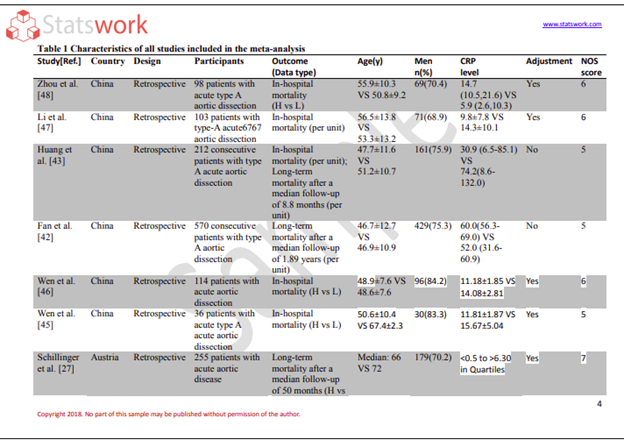
Data Analysis services
- Secondary Qualitative Research Services
- Secondary Quantitative Research Services
- Meta-Analysis Research services
- Sample Work
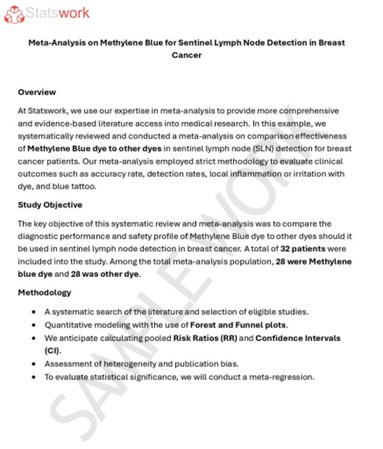
Meta-Analysis Research Services
- Data Collection Services
- Sample Work
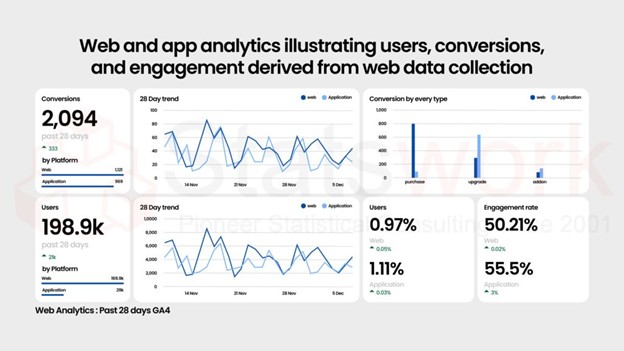
Data Collection Services
- Statistical & Biostatistics services
- Sample Work
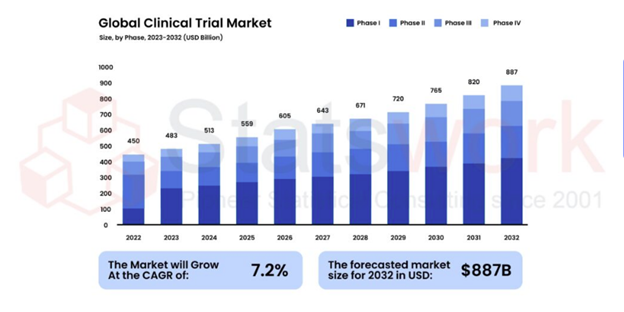
Statistical Programming & Biostatistics services
- Data Management Services
- Sample Work
Data Management Services
- Research methodology services
- Sample Work
Research methodology services
- Tool Development Services
- Sample Work
Tool development services
- Statistical Interpretation services
-
Statistical Interpretation services
- Sample Work
Statistical Interpretation services
-
- Sample Size Calculation Services
-
Sample Size Calculation Services
- Sample Work
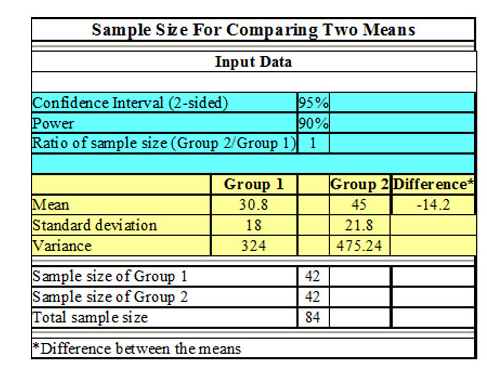
Sample Size Calculation Services
-
- AI & ML Services
-
Artificial Intelligence and Machine Learning Services
- Sample Work
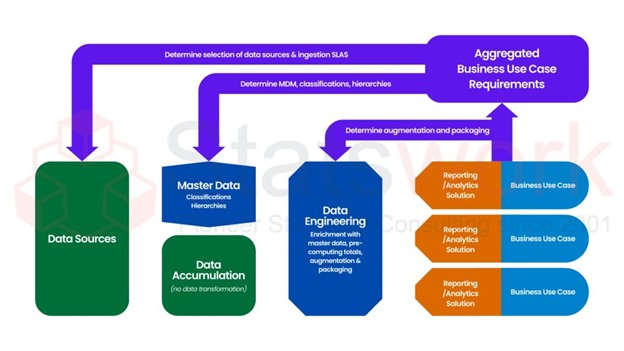
Artificial Intelligence and Machine Learning Services
-
- Meaningful Visualization Services
- Thought Leadership Services
- Report Generation Services
-
Report generation Service
- Sample Work
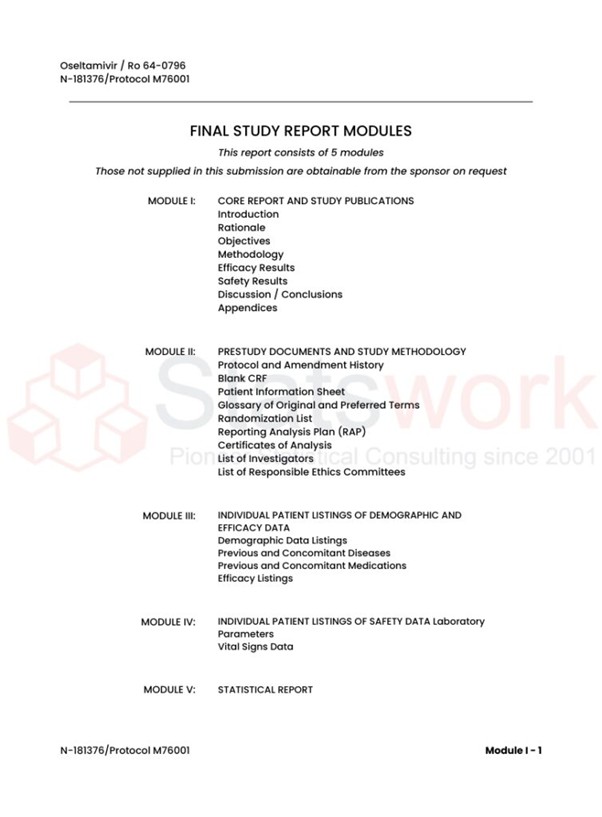
Report generation Services
-
- Data Analysis services
- Industries
- About Us
- Blog
- Insights
- Contact Us
- Services
- Data Analysis services
- Sample Work
Data Analysis services
- Secondary Qualitative Research Services
- Secondary Quantitative Research Services
- Meta-Analysis Research services
- Sample Work
Meta-Analysis Research Services
- Data Collection Services
- Sample Work
Data Collection Services
- Statistical & Biostatistics services
- Sample Work
Statistical Programming & Biostatistics services
- Data Management Services
- Sample Work
Data Management Services
- Research methodology services
- Sample Work
Research methodology services
- Tool Development Services
- Sample Work
Tool development services
- Statistical Interpretation services
-
Statistical Interpretation services
- Sample Work
Statistical Interpretation services
-
- Sample Size Calculation Services
-
Sample Size Calculation Services
- Sample Work
Sample Size Calculation Services
-
- AI & ML Services
-
Artificial Intelligence and Machine Learning Services
- Sample Work
Artificial Intelligence and Machine Learning Services
-
- Meaningful Visualization Services
- Thought Leadership Services
- Report Generation Services
-
Report generation Service
- Sample Work
Report generation Services
-
- Data Analysis services
- Industries
- About Us
- Blog
- Insights
- Contact Us
How Automated Data Entry Reduces Errors and Boosts Efficiency
Automated Data Entry
News & Trends
Recommended Reads
Contact us
Reduces Errors and Boosts Efficiency
May 2025 | Source: News-Medical
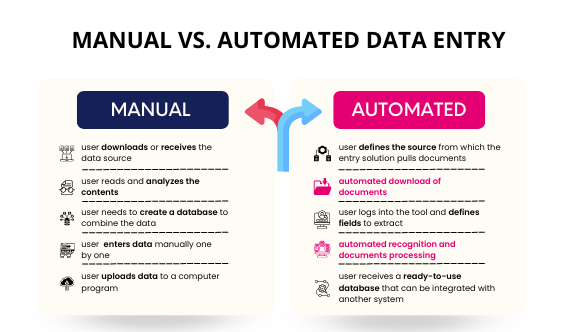
As companies continue to advance in the modern workplace, more businesses are jumping onto the automated data entry technology bandwagon to streamline their operations and increase their efficiencies. Automated data entry makes use of software tools like Optical Character Recognition (OCR), Machine Learning (ML), and Artificial Intelligence (AI), to improve productivity and help reduce human errors in order to result in quicker and more accurate data processing results.
What is Automated Data Entry?
Automated data entry involves software performing the action without human involvement. It’s a different scenario from past cases, where staff had to do the job manually. An automated system can easily read, capture, and process data from documents, and forms, along with data sources. Using technologies such as OCR and AI, systems can digitally read and process multiple types of content including scanned documents, images, and even handwritten documents faster and with better accuracy than an employee.
How Automated Data Entry Reduces Errors
1. Minimizes Human Error
The first obvious benefit to automated data entry is the lowering of risk associated with human errors. When you enter data manually, the risk exists where errors like typing (typos), bad formatting, missing, or incorrect numbering occur. This can potentially cause disastrous results in reporting, miscommunication, or problematic financial matters. Once you have set up the technology of automated data entry, all these possibilities are removed. The tech processes data according to scripted rules and data will be entered the same way every time, no matter the volume.
2. Ensures Consistency and Accuracy
Automation guarantees that the data is entered consistently across applications and platforms. Whether customer details, product details, or financial transactions, automated systems will follow a set of protocols that will ensure all data is provided and formatted uniformly and consistently. By eliminating human mistakes, there is lowered risk of inconsistencies within databases, and more accurate, reliable data for decision-makers.
3. Real-Time Data Validation
Automated systems can validate the data in real-time as it is introduced to the system . When humans input data manually, errors often go unnoticed until later stages of processing. However, automated systems flag inconsistencies or missing information immediately, allowing for real-time corrections before data is entered into the database. For example, if a customer’s email address is incorrectly formatted or a required field is left blank, the system can prompt the user to make corrections, preventing errors from propagating.
4. Eliminates Redundancy
Redundant data entries are a common issue in manual data entry. When humans manually input data, there’s always the possibility of duplicating information, such as creating multiple records for the same customer or transaction. Automated systems can identify and remove duplicates automatically, keeping databases clean and organized. This will not only increase the reliability of the data, it will also allow for more efficient data management. [4]
How Automated Data Entry Boosts Efficiency
1. Speeds Up Data Processing
Automated data entry minimizes the time it takes to enter a large volume of data. Humans might take several hours to manually enter hundreds or thousands of records, but automated systems can process an enormous amount of data in seconds. For example, OCR technology can scan a document, read the text and enter it into a system live time. Automating data processing means your business can do more transactions, process more information, and meet deadlines because of the accelerated processing capabilities. [5]
2. Improves Employee Productivity
Automating repetitive data entry activities allows employees to retain working human judgment on issues that require a human touch, creativity and invention. Instead of spending time on mundane, error-prone tasks like typing in customer information or processing orders, employees can direct their attention to strategic work, such as customer service, project management, and decision-making. This shift enhances overall employee productivity, helping organizations get more out of their workforce.
3. Scalability and Flexibility
As businesses grow, so does the volume of data they must process. Automated data entry systems are scalable, meaning they can handle an increasing amount of data without additional manpower. For example, if a company’s customer base grows rapidly, an automated system can quickly adapt to manage the surge in data, processing it efficiently without requiring additional employees. This flexibility allows businesses to scale operations without compromising on speed or quality. [7]
4. Cost Savings
One of the major advantages of automated data entry is its potential for cost savings. Manual data entry requires businesses to hire staff to perform repetitive tasks, often leading to high labor costs. With automated systems, the need for extensive labor is reduced, allowing companies to allocate resources to other areas. Additionally, since automated systems can work 24/7, businesses can continue to process data outside regular working hours, improving overall productivity without increasing overhead costs.
Role of AI in Automated Data Entry
Artificial Intelligence (AI) further enhances the capabilities of automated data entry by enabling systems to learn from past data and improve their performance over time. AI-powered systems can process complex datasets, such as handwritten documents or images, more effectively than traditional systems. They can also recognize patterns in data and adapt to new types of input, improving the system’s ability to handle diverse data types. As the system learns, it becomes more accurate, efficient, and capable of managing larger datasets, making it an essential tool for businesses with complex data needs.
Key Benefits of Automated Data Entry
- Improved Data Security
Automated systems come with built-in security features, such as encryption and access control, ensuring that sensitive data is protected from unauthorized access and breaches. - Fewer Errors and Discrepancies
Automation reduces the chance of human error, ensuring that data is entered accurately, consistently, and without discrepancies. - Streamlined Workflows
Automated data entry integrates seamlessly into existing workflows, reducing bottlenecks and ensuring smoother operations across departments. - Real-Time Analytics
Automation enables businesses to access up-to-date information quickly, providing valuable insights that can inform decision-making and help businesses stay agile.
Conclusion
In conclusion, any business, regardless of size, can benefit greatly from using an automated data entry system. The advantages are clear, and the most popular ones are increased efficiency and accuracy. Companies that employ an automated methodology for data entry will experience additional benefits such as cost savings, better compliance, and increased data security. Additional, as these solutions are flexible and scalable; companies can automatically grow their data-outreach as their business expands.
Using automated data entry is increasingly a critical—game-changing—component of your business strategy. By using technology to automate data jobs, your business can work faster than competitors, reduce mistakes, and offer information quickly. Now is the time to embrace automation, and get into producing more secure, faster, better data production.
Are you ready to move to automated solutions related to data entry? To see how our innovative solutions can help your business’s output and efficiency by automating data processing, contact Statswork today. Automate your workflow and leverage the total value of your data using Statswork’s professional services!
References
- (2020). Data entry automation improves cost, quality, and efficiency in clinical trials. Journal of Nursing Administration, 50(1), 9. https://journals.lww.com/jonajournal/abstract/2020/01
- (2011). Automation and its role in improving process efficiency in industrial applications. ScienceDirect. https://www.sciencedirect.com/science/article/abs/pii/S0747563211000707
- PubMed Central. (2020). Role of AI in improving healthcare data entry and management. PMC. https://pmc.ncbi.nlm.nih.gov/articles/PMC8378654/