

What are the technical hitches in online survey questions? How to overcome those challenges?
December 3, 2020
Mention the advantages and disadvantages of using quantitative analytical software. How do the disadvantages affect the research?
December 10, 2020What is quantitative research? What are the main characteristics
of quantitative analysis
Meta Analysis Service
- Quantitative Research Meaning
- Quantitative Research Methods
- Types of Quantitative Research: Primary vs Secondary
- Sampling Methods in Quantitative Research
- Data Collection and Instruments
- Statistical Tools & Data Analysis Techniques
- Quantitative Research in Business
- Rigor in Research: Methodology, Reliability, and Ethics
- Conclusion
Recommended Reads
Contact us
Summary:
The quantitative approach to research is a scientific process that involves collecting and analysis of numerical data to support a hypothesis and reveal certain patterns. It involves structured data collection and statistical inference, probability and non-probability sampling methods, which make the outcomes of the study generalizable to a larger population. Corporations apply quantitative approaches in market research to monitor KPIs, customer satisfaction and ROI through SPSS, R and Excel.
Quantitative research is a research methodology that utilizes quantitative data (numeric and measurable data) to test hypotheses, make findings statistically significant, and generalize results. Quantitative research deals with issues of “how many,” “how much,” and “how often.” Therefore, this research approach is highly regarded in academia and corporate settings when testing hypotheses and making decisions based on data. The following sections describe the definition of quantitative research, the meaning of this term, and characteristics of quantitative research [1].
Quantitative Research Meaning
Meaning of quantitative research is the systematic, objective approach to investigation where researchers make use of numbers for describing phenomenon and identifying relationship between the variables. Dependent and independent variables are identified by the researchers, hypothesis is formulated and hypothesis is tested using the structured methodology of collecting data.
Characteristics of Quantitative Research
- Use of numeric/ measurable data as compared to narrative
- Having a structured research design
- Hypothesis testing to prove or disprove the hypothesis
- Significant findings having generalization
- Clear understanding of correlation and causality
- Use of representative sample selected by sampling technique
- Use of structured instruments such as closed ended questions and structured questionnaire [2]
Quantitative Research Methods
The common quantitative research designs are as follows:
Descriptive research methods describe the features of a population or phenomenon
- Correlational research — study of the relationship between two or more variables
- Randomized controlled trial (RCT) – studies cause and effect under controlled environment
- Ex post facto research — study the effect once it has already taken place
- Cross-sectional survey — study of data collected at a particular point in time
- Longitudinal survey — study of the same variables over a long period of time

Types of Quantitative Research: Primary vs Secondary
| Aspect | Primary Quantitative Research | Secondary Quantitative Research |
| Source of Information | Data collected firsthand | Publications or reports already written |
| Cost and Duration | High cost and long-time span | Low cost and quick completion |
| Means of Collection | Questionnaire, CATI / CAWI / CAPI, panel research | Literature search, database research |
| Level of Control | Total control of the research process | Depending on available information |
| Appropriate Situation | for custom market segmentation analysis | for preliminary competitive intelligence |
Knowledge of the distinction between primary and secondary research can enable firms to make decisions regarding whether to conduct new research or use already available sources [3].
Sampling Methods in Quantitative Research
Selecting the correct method for determining sample size will help ensure that the sample is representative.
Probability Sampling
- Simple Random Sampling
- Stratified Sampling
- Cluster Sampling
- Systematic Sampling
Non-Probability Sampling
- Convenience Sampling
- Quota Sampling
- Snowball Sampling
Data Collection and Instruments
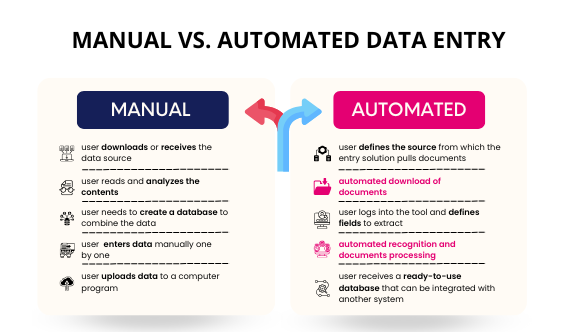
Structured tools form the basis of quantitative research. The researchers use closed-ended questions, structured questionnaires, and a rating scale or Likert scale type of response. Prior to actual administration, pilot testing is done to assess the validity (research) and reliability (research) of the tool [4].
Statistical Tools & Data Analysis Techniques
The statistical tools used after data collection include:
- SPSS
- R
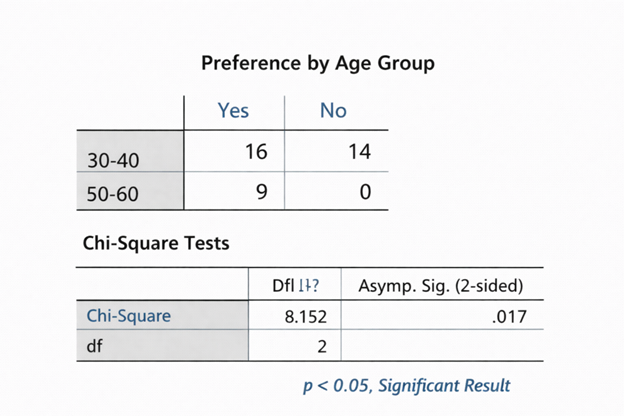
- Excel data analysis
These include:
- Cross Tabulation
- Regression Analysis
- TURF Analysis
- Conjoint Analysis
- SWOT Analysis
- Data Visualization (Graphs, Charts, Tables)
Quantitative Research in Business
Corporate market research services, along with other forms of quantitative research, provide support in business strategic planning in the following ways:
- Segmentation and identification of target market
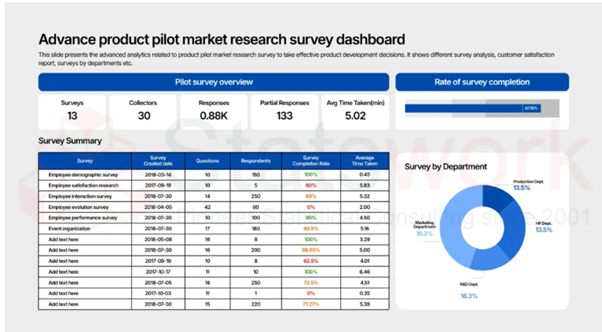
- Customer satisfaction (CSAT) and Net Promoter Score (NPS) measurement
- Brand awareness measurement and customer behavior analysis
- Performance indicator monitoring and ROI measurement
- Competitive intelligence for data-driven decision making
Rigor in Research: Methodology, Reliability, and Ethics
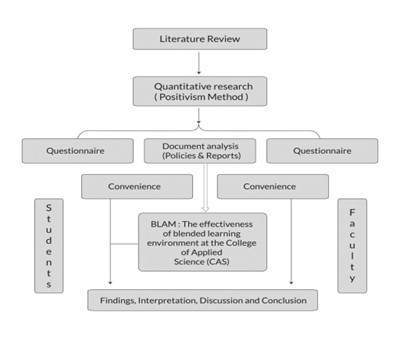
The proper research methodology takes into consideration the epistemology/positivism theory that is backed by literature review and peer review in order to prove the results. Ethical issues in research such as informed consent, confidentiality, and impartiality should always be considered throughout the research process [3].
Conclusion
Quantitative research will continue to be the basis of evidence-based decision making, both in the realm of academic studies and corporate strategies. From the perspective of hypothesis testing and statistical inference to sampling and other forms of analytics [4], the formal approach of quantitative research will yield reliable and generalized information. Those who wish to improve their research output can depend on the services of Statswork quantitative research services.
Frequently asked question:
Quantitative research is a systematic method that uses numerical, measurable data to test hypotheses and identify patterns; its main characteristics include structured research design, hypothesis testing, statistical significance, generalizability, use of representative samples, and reliance on structured instruments such as closed-ended questionnaires.
Qualitative research is typically characterized by naturalistic inquiry, descriptive and narrative data, an inductive approach to analysis, a focus on participants’ perspectives and meaning-making, and the researcher acting as the primary data collection instrument.
Research is generally characterized by being systematic, objective, empirical, replicable, analytical, logical, and aimed at generalizable conclusions.
Qualitative research is characterized by descriptive, non-numeric data, subjective interpretation, and exploration of meaning, while quantitative research is characterized by numerical data, statistical analysis, structured design, and objective, generalizable findings.
The seven common types of qualitative research are case study research, ethnography, phenomenology, grounded theory, narrative research, historical research, and action research.
The seven characteristics of quantitative research are the use of numerical data, structured research design, hypothesis testing, statistical significance, generalizability of results, use of a representative sample, and use of structured data collection instruments.
Reference:
- Lim, W. M. (2025). What is quantitative research? An overview and guidelines. Australasian Marketing Journal, 33(3), 325-348. https://journals.sagepub.com/doi/full/10.1177/14413582241264622
- Kotronoulas, G., Miguel, S., Dowling, M., Fernández-Ortega, P., Colomer-Lahiguera, S., Bağçivan, G., … & Papadopoulou, C. (2023, April). An overview of the fundamentals of data management, analysis, and interpretation in quantitative research. In Seminars in oncology nursing(Vol. 39, No. 2, p. 151398). WB Saunders. https://www.sciencedirect.com/science/article/pii/S0749208123000293
- Pyo, J., Lee, W., Choi, E. Y., Jang, S. G., & Ock, M. (2023). Qualitative research in healthcare: necessity and characteristics. Journal of preventive medicine and public health, 56(1), 12. https://pmc.ncbi.nlm.nih.gov/articles/PMC9925284/
- Barroga, E., Matanguihan, G. J., Furuta, A., Arima, M., Tsuchiya, S., Kawahara, C., … & Izumi, M. (2023). Conducting and writing quantitative and qualitative research. Journal of Korean medical science, 38(37). https://synapse.koreamed.org/articles/1516083855
Contact us

Related posts


