
- Services
- Data Analysis services
- Sample Work
Data Analysis services
- Secondary Qualitative Research Services
- Secondary Quantitative Research Services
- Meta-Analysis Research services
- Sample Work
Meta-Analysis Research Services
- Data Collection Services
- Sample Work
Data Collection Services
- Statistical & Biostatistics services
- Sample Work
Statistical Programming & Biostatistics services
- Data Management Services
- Sample Work
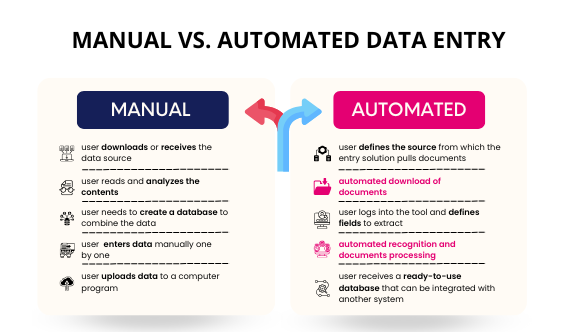
Data Management Services
- Research methodology services
- Sample Work
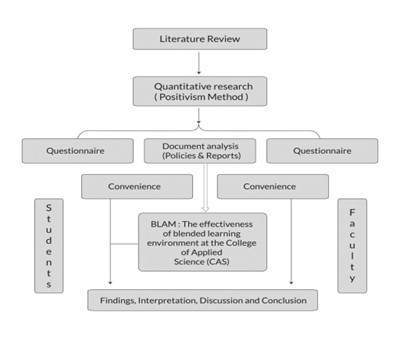
Research methodology services
- Tool Development Services
- Sample Work
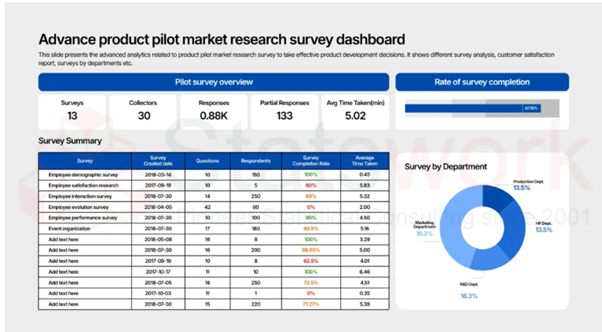
Tool development services
- Statistical Interpretation services
-
Statistical Interpretation services
- Sample Work
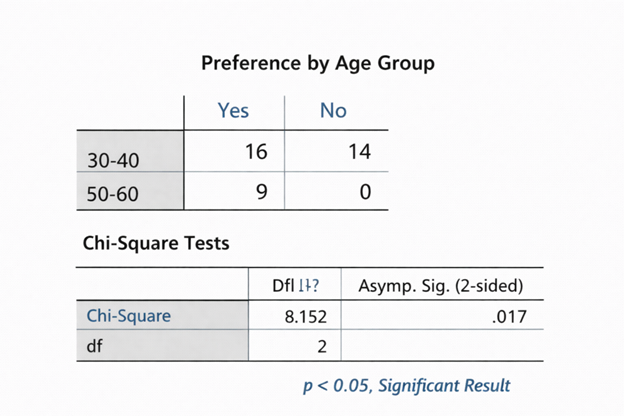
Statistical Interpretation services
-
- Sample Size Calculation Services
-
Sample Size Calculation Services
- Sample Work
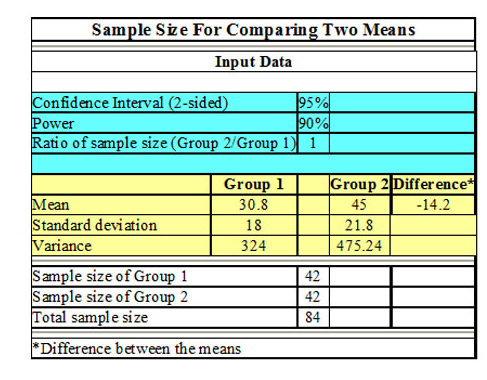
Sample Size Calculation Services
-
- AI & ML Services
-
Artificial Intelligence and Machine Learning Services
- Sample Work
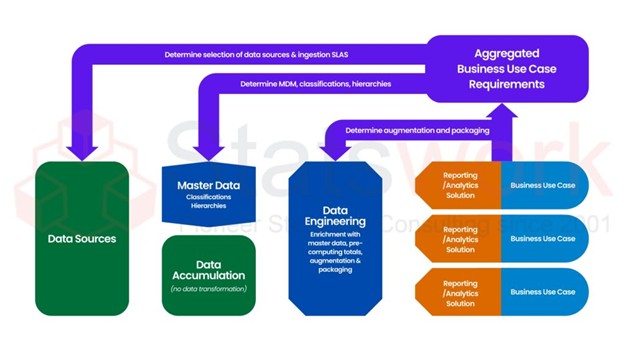
Artificial Intelligence and Machine Learning Services
-
- Meaningful Visualization Services
- Thought Leadership Services
- Report Generation Services
-
Report generation Service
- Sample Work
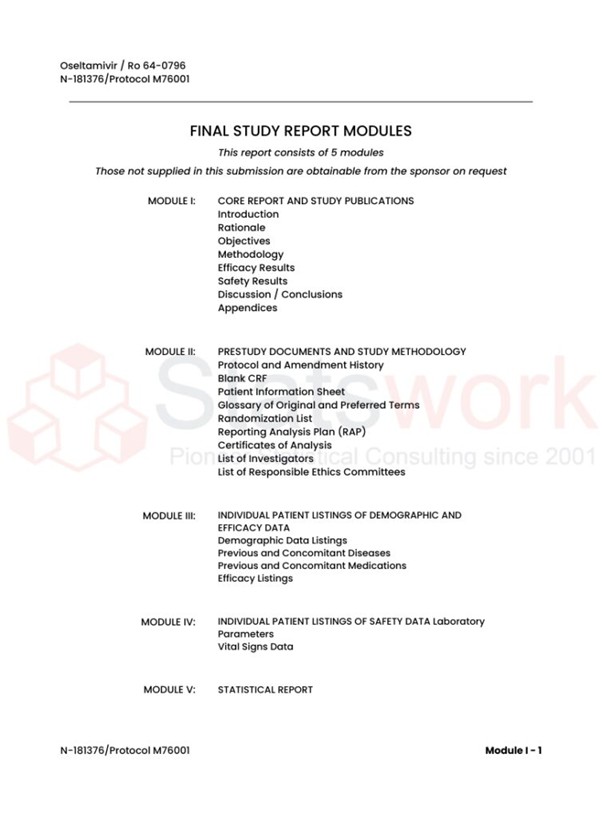
Report generation Services
-
- Data Analysis services
- Industries
- About Us
- Blog
- Insights
- Contact Us
- Services
- Data Analysis services
- Sample Work
Data Analysis services
- Secondary Qualitative Research Services
- Secondary Quantitative Research Services
- Meta-Analysis Research services
- Sample Work
Meta-Analysis Research Services
- Data Collection Services
- Sample Work
Data Collection Services
- Statistical & Biostatistics services
- Sample Work
Statistical Programming & Biostatistics services
- Data Management Services
- Sample Work
Data Management Services
- Research methodology services
- Sample Work
Research methodology services
- Tool Development Services
- Sample Work
Tool development services
- Statistical Interpretation services
-
Statistical Interpretation services
- Sample Work
Statistical Interpretation services
-
- Sample Size Calculation Services
-
Sample Size Calculation Services
- Sample Work
Sample Size Calculation Services
-
- AI & ML Services
-
Artificial Intelligence and Machine Learning Services
- Sample Work
Artificial Intelligence and Machine Learning Services
-
- Meaningful Visualization Services
- Thought Leadership Services
- Report Generation Services
-
Report generation Service
- Sample Work
Report generation Services
-
- Data Analysis services
- Industries
- About Us
- Blog
- Insights
- Contact Us
Develop a research design that is suitable and justifiable to address a particular research question, considering the relative strengths and weaknesses of different research methods
Meta Analysis Service
Recommended Reads
Contact us
Summary:
Research design is an outline that links research questions to methodologies used for data gathering, sampling, and analysis. The selection of the most suitable research design before undertaking data collection is critical in ensuring accurate, reliable, valid, unbiased, and generalizable findings. Research designs vary depending on what they aim at accomplishing in the research process; therefore, selecting the right design is important for research success. A sound research design not only identifies the limitations of a research design but also shows its methodological strength and weaknesses.
In all research and dissertations involving B2B, the research design acts as the foundation upon which the credibility, reliability, and usefulness of the research findings rest. The selection of an inappropriate research design or addition of a research design midway into the process of data collection is the single biggest mistake made by research teams [1]. It is important to select a suitable and appropriate research design that can justify the research question before embarking on the data collection process.
What Is Research Design?
Design of research refers to an approach that is developed to link the research question to the methodology used for collecting data, samples, and the mode of analyzing data in a way that makes sense [2]. The research design is not a format that one chooses randomly; rather, it grows out of the research problem.
Core Elements Every Research Design Must Address
| Component | Explanation |
| Method of data collection | Clarifies how raw data is to be collected |
| Analytical methodology | Indicates how collected data is to be analyzed and processed |
Four Characteristics of a Strong Research Design
- Neutrality – Assumptions and findings of the study should not be influenced by the bias of the researcher.
- Reliability – Conducting the same study again in the same conditions would give the same results.
- Validity – The tools that have been selected for analysis in the research should measure the intended object.
- Generalizability – Findings obtained from the sample should reflect on the entire population.
Comparing Research Methods: Strengths and Weaknesses
| Research Design | Strengths | Weaknesses | Best Suited For |
| Qualitative | Rich, contextual insight; flexible; explores “why” and “how” | Harder to generalize; time-intensive analysis | Exploring relationships, motivations, market perceptions |
| Quantitative | Statistically generalizable; objective; scalable | Limited context; depends on well-structured instruments | Measuring impact, testing hypotheses, benchmarking |
| Cross-Sectional | Fast, cost-effective; snapshot of current state | Cannot establish causality over time | Market surveys, one-time diagnostics |
| Longitudinal | Tracks change and trend over time | Resource-intensive; risk of participant attrition | Customer retention, policy impact studies |
| Experimental | Strong causal inference; controlled variables | Artificial settings may limit real-world applicability | Product testing, A/B trials, treatment effects |
| Case Study | Deep, detailed understanding of a single unit | Findings may not generalize beyond the case | Niche business problems, pilot investigations |
How to Match a Design to Your Research Question
- For repeated measures across time → use longitudinal research design.
- For the pursuit of fresh and explorative insights → an exploratory design would suit us well.
- To test the effect of an intervention or treatment → go for cross-sectional or experimental design [3].
- For statistical generalization of results to market or population → a quantitative research design becomes inevitable.
- For gaining insight into perception, behavior or context → use qualitative design.
Justifying Your Choice
However, having selected a research design does not mean that it is all done – the design needs to be justified. The following expectations may apply:
- to explain why the selected design works better than other designs.
- to justify the limitations of the research design and its overcoming.
- to show the validity, reliability, and reproducibility of results provided by the design.
- to correlate the literature review with the data collection and analysis
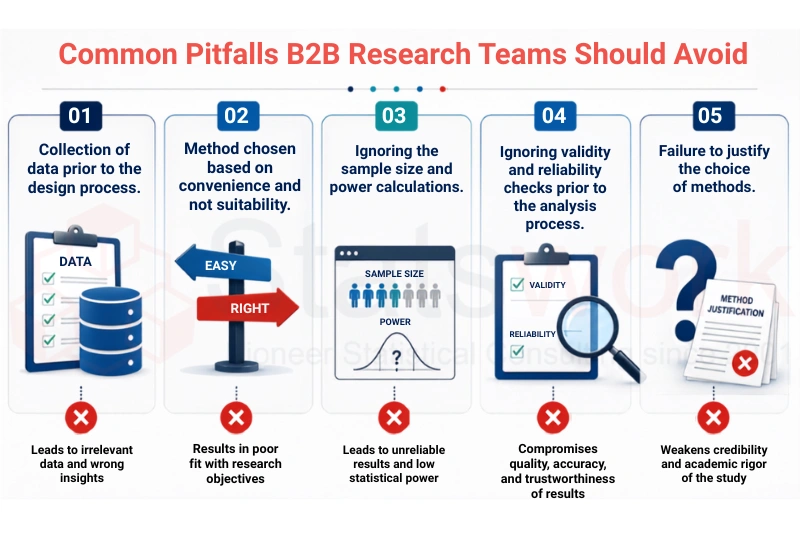
Common Pitfalls B2B Research Teams Should Avoid
- Collection of data prior to the design process.
- Method chosen based on convenience and not suitability.
- Ignoring the sample size and power calculations [4].
- Ignoring validity and reliability checks prior to the analysis process.
- Failure to justify the choice of methods.
Conclusion
A research design is only as strong as the justification behind it — and getting that justification right requires weighing the strengths and weaknesses of every available method against your specific research question. For organizations and research teams that need this done with statistical rigor and methodological accuracy, Statswork Research Methodology Services provide end-to-end support — from framing the research problem and selecting the right design to sampling, data collection, and analysis — helping you build a research design that is both suitable and justifiable for your study.
Frequently Asked Questions (FAQs)
Research provides reliable, evidence-based knowledge that supports informed decision-making and problem-solving. Its strengths include accuracy, objectivity, and the ability to generate new insights. However, research can be time-consuming, costly, and may be limited by sample size, methodology, or data availability.
Good research questions are clear, focused, specific, measurable, and relevant to the study objectives. They should address a knowledge gap and be feasible to investigate using appropriate research methods. Effective questions guide the entire research design, data collection, and analysis process.
Begin by clearly defining your research question and objectives. Select the most appropriate research methodology, sampling strategy, data collection methods, and analysis techniques that align with your study goals. Finally, justify your design by considering its strengths, limitations, validity, and reliability.
The weaknesses of a research design are typically discussed in the Limitations section or within the Discussion chapter. This section explains the constraints of the study and their potential impact on the findings. It also demonstrates transparency and helps readers interpret the results appropriately.
The seven common types of research include exploratory, descriptive, explanatory, experimental, correlational, qualitative, and quantitative research. Each type serves a different purpose depending on the research objectives and the nature of the problem being investigated. Choosing the right type helps ensure accurate and meaningful results.
The three widely used research designs are qualitative, quantitative, and mixed-methods research designs. Qualitative research explores experiences and perceptions, quantitative research measures variables using numerical data, and mixed-methods research combines both approaches. The choice depends on the research question and the study objectives.
References:
- https://www.sciencedirect.com Olson, D. J., Doyle, P., & Jiang, Y. (2026). Control group design in second langua ge acquisition: A systematic review of L2 pronunciation research. Research Methods in Applied Linguistics, 5(3), 100338.
- https://www.sciencedirect.com/ Verdugo-Paiva, F., Urquhart, O., Bhosale, A. S., Martins-Pfeifer, C., Glick, M., & Carrasco-Labra, A. (2026). Development of living evidence-informed guidelines, part 4: rationale and methodology for conducting systematic reviews to inform guidelines. The Journal of the American Dental Association.
- https://www.sciencedirect.com Mannan, A. M. K., Bajuri, M. R., Rahim, S. S. A., & Abdullah, N. A. (2026). How Do Digital Tools Support Metacognition in Mathematics Learning? A Systematic Review of Research on GeoGebra and Problem-Solving. Educational Research Review, 100827.
- https://link.springer.com/article/10 Arafat, A. A., Awad, A. K., Albabtain, M. A., Alotaibi, H. F., Alqussayer, S. A., Altunusi, F., … & Gumaa, M. (2026). Statistical analysis guidelines for The Cardiothoracic Surgeon: A comprehensive framework for study design, analysis, and reporting. The Cardiothoracic Surgeon, 34(1), 14.