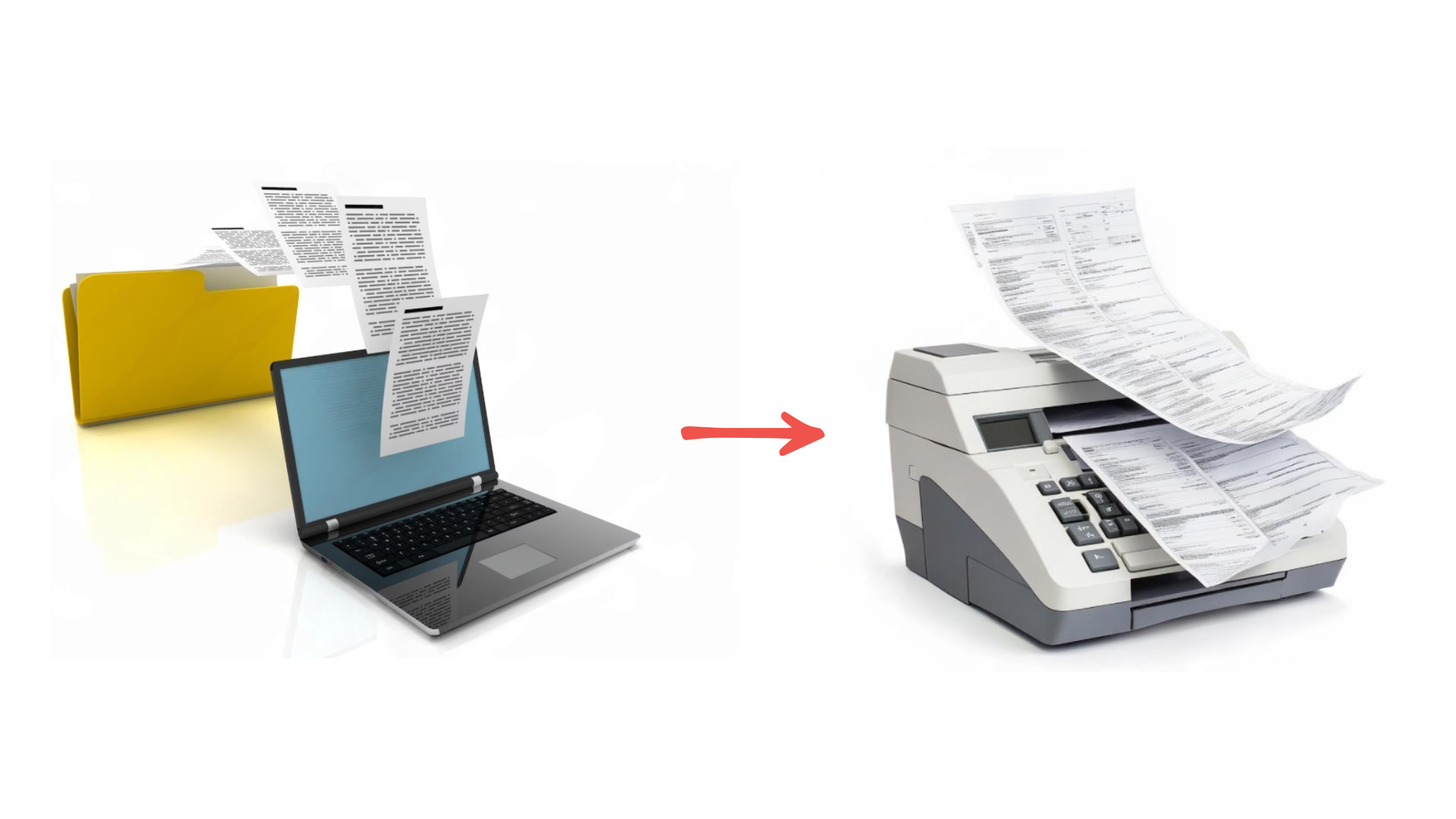

Centralized Expense Hub
A searchable, centralized location that collects and organizes all available receipt data to keep together.
1. Single Source of Truth
2. Quick access to relevant expense information

Expense Reporting & Analytics
Interactive dashboards and real-time visualizations turn your businesses raw receipt data into relevant information.
1. Live financial information
2. Data to base all business decisions

Automated Data Entry
Data is automatically entered into an accounting and expense management platform to reduce the administrative burden.
1. Automated report generation Fair, equitable.
2. smart expense categorization
3. Robust approval workflow

Intelligent Document Processing (IDP)
AI collects information from receipts that are cluttered and unorganized to turn receipts into organized output in whatever formats they may be.
1. Structured output in various formats
2. Clarity and use of document increased

Continuous Learning
Our AI learns over time and gets better at how to structure your receipts as well as how to adapt to your unique formats with corrections that users make.
1. Adaptive intelligence
2. Accuracy improves over time

Real-time Fraud detection
We monitor every transaction and notify users immediately with duplicate receipts and out-of-policy transactions.
1. Alerts for duplicate entries
2. Notifications to users instantly
3. Notifications for compliance and policy