

Modelling Business Processes
User Journey Mapping
System architecture design
Quality Assurance & Testing Services
Data Migration & Transformation
Modelling Business Processes
Modelling Business Processes
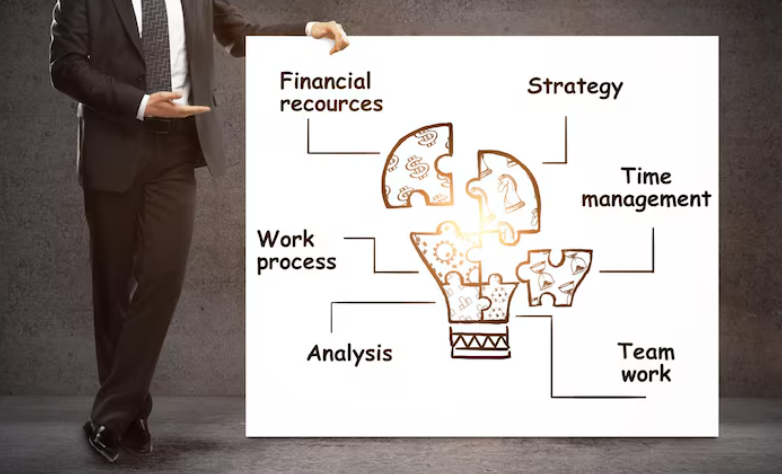
Flow charts and diagrams that are visual simulations of a business process. Process analysis to identify inefficiencies and recommend opportunities for improvement.
User Journey Mapping
User Journey Mapping
Visual simulations of user journeys and product features. User stories that have been prioritized to inform agile development.

System architecture design
System architecture design
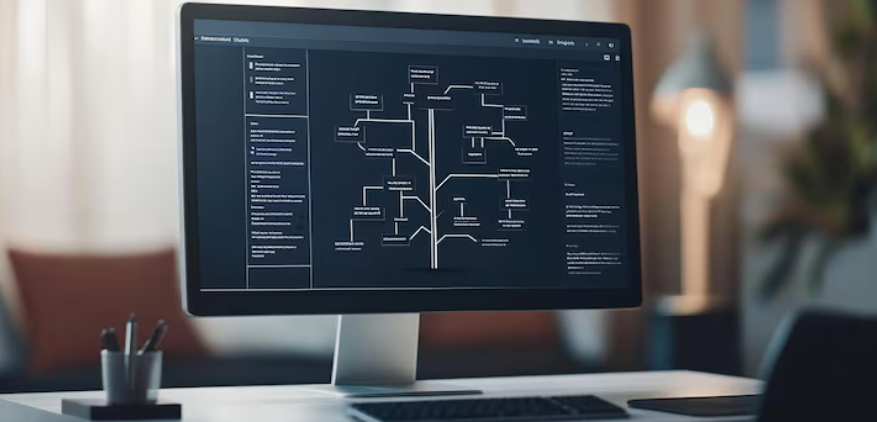
Diagrams of high level and detailed system architecture. Technology stack recommendations and drafting plans for integration.
Quality Assurance & Testing Services
Quality Assurance & Testing Services
Manual and automated testing of functional and regression testing. Tracking bugs and actionably reporting testing results for system improvements.

Data Migration & Transformation
Data Migration & Transformation
Strategies for systematic migration of data from legacy systems. Processes of mapping and transforming data so that it is compliant with systems to which it will be migrated.












"As Community Manager I will be in charge to monitor in order to actively listen to users and extract an analysis that will reveal the most emotional part of your audience."

"I am passionate about ensuring every project meets the highest standards and delivers exceptional results that matter to our clients."

"Leading the marketing team to create strategies that connect emotionally with our audience and drive engagement across all platforms."
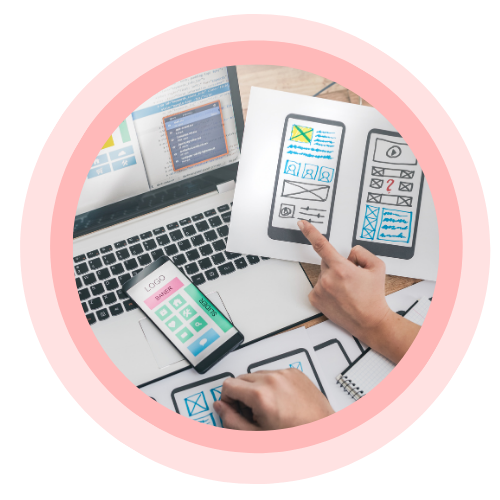
"Ensuring seamless user experiences and innovative designs across platforms, with a focus on functional and beautiful interfaces."