


Research is based on trusted, high-quality evidence.
Statswork combines published studies that meet the Highest Standards of Evidence. This will allow you to make informed decisions based on Accurate, Evidence-based Clinical Research, Healthcare Policy & Strategy.

More Rigor and Accuracy in Research.
By using standardized methods to assess study design and evaluate for bias, we help create the most accurate and reliable research results.

The Method is Transparent and Scientifically Validated.
Our method is globally accepted and provides transparency, reproducibility, and Scientific Rigor, enabling organizations to Identify Areas of Improvement and maximize their research Return on Investment
Evaluation of Potential Bias in Research Literature
To evaluate bias in research studies, we apply the Cochrane Risk of Bias tool, among other instruments, to determine whether any study results have been influenced by selection/ascertainment bias and other forms of distortion.

Evaluation of Research Question and Study Design
We review whether the methodology used in the study meets all of the requirements of sound methodological research; that is, whether or not the study design directly addresses the study question and aligns with the research objectives.

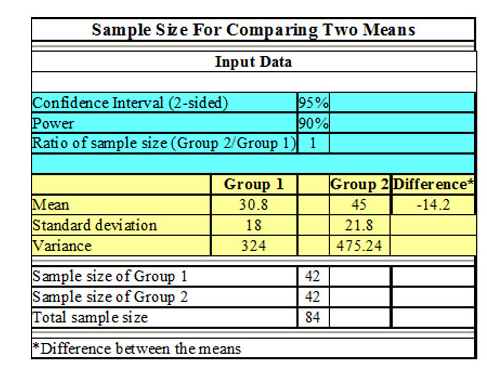
Statistical Power and Sample Size Issues
We examine the sample size to assess whether it contains an adequate number of participants to detect a significant difference in the primary outcome measure. In addition, we evaluate the adequacy of sample size with respect to providing sufficient statistical power to allow for generalizable conclusions.

Use of Nationally Recognized Quality
Assessment Frameworks
To provide a baseline for quality assessment, we annually audit studies using a qualified nationally developed quality assessment framework (i.e. GRADE or Cochrane Risk of Bias) and conduct a periodic peer review of the framework and the content contained within it.











Increasing the Integrity of Research
We use critical evaluation and analysis to determine how credible and applicable a study is to the work we produce and through these methods; we make certain that all of our work is based on sound, trustworthy information, so the research and all decisions made are based on credible, reliable data from reputable sources.

Increased Accuracy and Confidence
By removing biases associated with studies, creating a neutral review of the methodology of each study, and determining the rigor of the study's methodology, we can provide more accurate results from our research, resulting in actionable and reliable results.

Better Evidence to Support Evidence-based Decisions
We can support you through the entire evaluation process, providing you with evidence-based recommendations to improve quality of care through the use of robust, well-evaluated information.





1. Thorough Evaluation of Studies
We thoroughly evaluate the design, methodology, and any potential biases for each study to make sure that only studies that are high-quality and credible are part of our synthesis of evidence.

2. Risk of Bias Assessment
We evaluate each study for risk of bias using the same tools adopted internationally (Cochrane risk of bias tool, GRADE), which helps to ensure you are basing your findings as much as possible on reliable and unbiased evidence.

3. Methodological Rigor and Validity
We evaluate how valid the methodology in each study is by determining the size of the sample, statistical power for the rigorousness of the study, and whether or not the measurements used in the study were reliable. We ensure that the evidence you use to conduct your review is as accurate and as strong as possible.

4. Relevance and Applicability
We examine the relevance of each study in relation to your specific research question or area of healthcare so you can be confident that the findings are applicable to your objectives.

5. Reporting and Insights
We provide you with thorough, clear and structured reports that outline the quality of evidence and help you clearly identify where, if at all, weaknesses existed, which in turn enables you to make informed decisions relating to evidence-based healthcare policies, clinical practice, and research strategy.