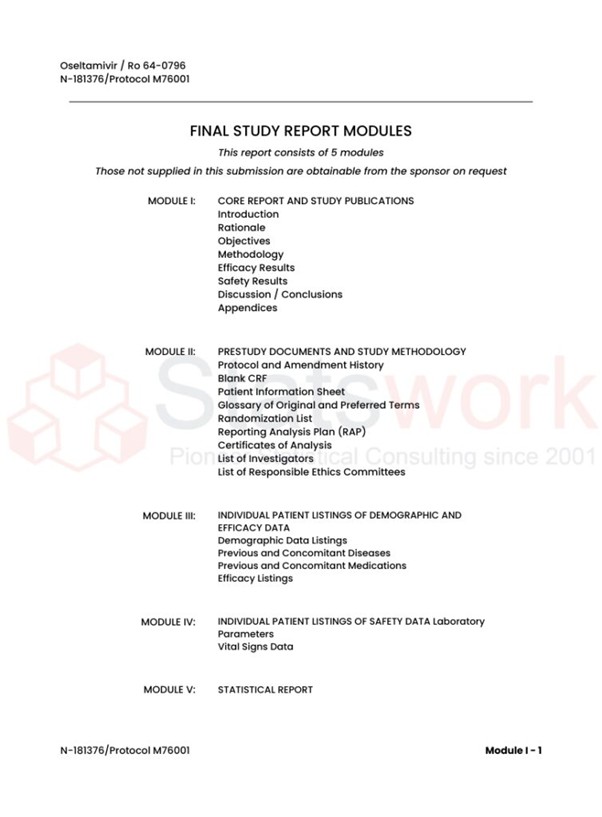

Business Process Use Cases at a High Level We provide
Use Cases for Achieving Business Objectives We provide
Use Cases for Measuring Outcomes We provide
Use Cases for Cross-Functional Activities We provide
Use Cases for Customer-Related Activities We provide
Business Process Use Cases at a High Level We provide
Business Process Use Cases at a High Level We provide
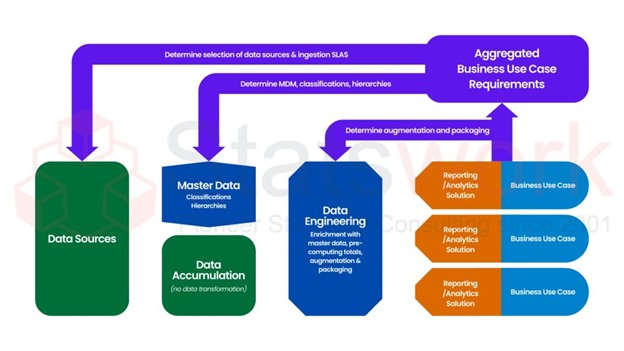
Written representations of high-level business workflows and processes mapped to actual business objectives and strategies.
Use Cases for Achieving Business Objectives We provide
Use Cases for Achieving Business Objectives We provide
Targeted use cases that establish business objectives and indicate how the system will facilitate meeting those objectives.
Use Cases for Measuring Outcomes We provide
Use Cases for Measuring Outcomes We provide
Descriptions of expected outcomes and demonstrate how the system provides measurable KPIs as a measure of business success.
Use Cases for Cross-Functional Activities We provide
Use Cases for Cross-Functional Activities We provide
Use cases that outline how activities are completed and identify interaction among multiple departments or teams, demonstrating seamlessness across business functions.

Use Cases for Customer-Related Activities We provide
Use Cases for Customer-Related Activities We provide
Use cases that document how business systems will contribute to or detract from the customer experience, which includes focusing on customer journeys and system touchpoints.




"As Community Manager I will be in charge to monitor in order to actively listen to users and extract an analysis that will reveal the most emotional part of your audience."

"I am passionate about ensuring every project meets the highest standards and delivers exceptional results that matter to our clients."

"Leading the marketing team to create strategies that connect emotionally with our audience and drive engagement across all platforms."

"Ensuring seamless user experiences and innovative designs across platforms, with a focus on functional and beautiful interfaces."