
- Services
- Data Analysis services
- Sample Work
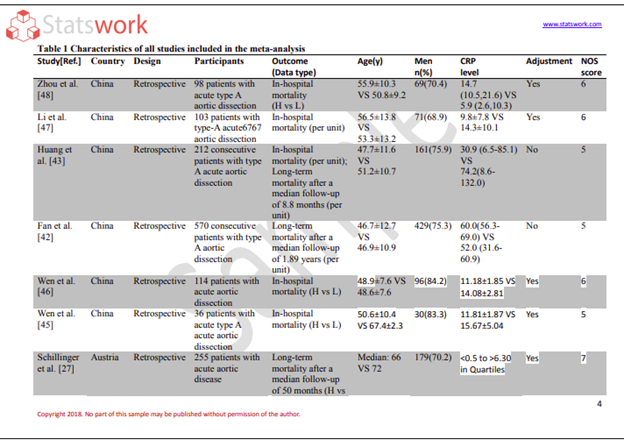
Data Analysis services
- Secondary Qualitative Research Services
- Secondary Quantitative Research Services
- Meta-Analysis Research services
- Sample Work
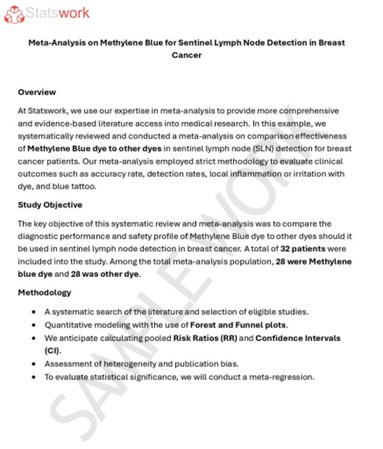
Meta-Analysis Research Services
- Data Collection Services
- Sample Work
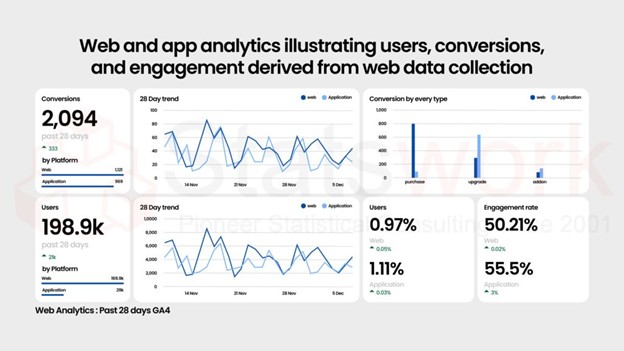
Data Collection Services
- Statistical & Biostatistics services
- Sample Work
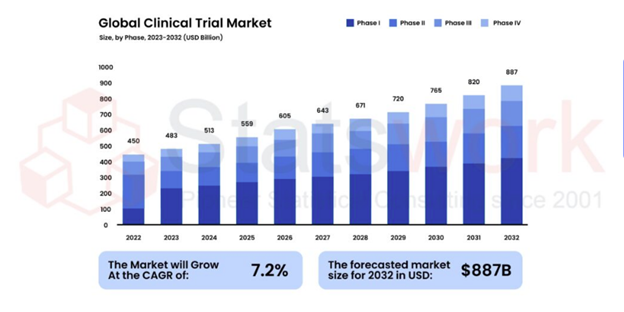
Statistical Programming & Biostatistics services
- Data Management Services
- Sample Work
Data Management Services
- Research methodology services
- Sample Work
Research methodology services
- Tool Development Services
- Sample Work
Tool development services
- Statistical Interpretation services
-
Statistical Interpretation services
- Sample Work
Statistical Interpretation services
-
- Sample Size Calculation Services
-
Sample Size Calculation Services
- Sample Work
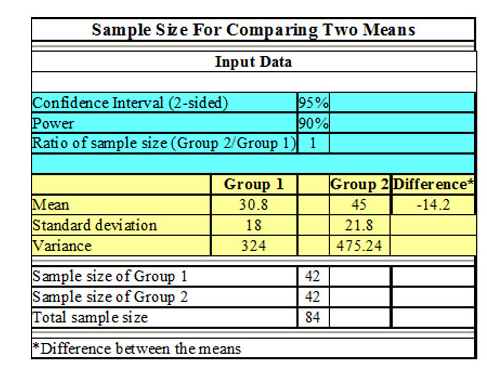
Sample Size Calculation Services
-
- AI & ML Services
-
Artificial Intelligence and Machine Learning Services
- Sample Work
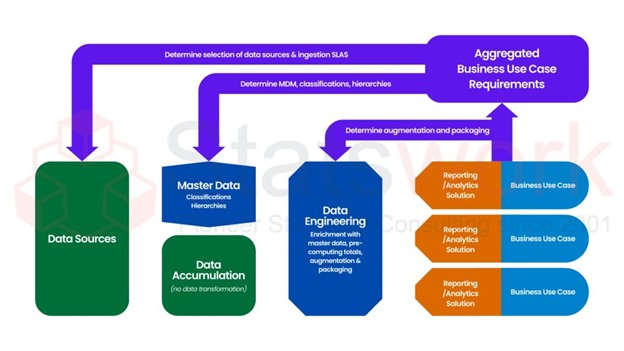
Artificial Intelligence and Machine Learning Services
-
- Meaningful Visualization Services
- Thought Leadership Services
- Report Generation Services
-
Report generation Service
- Sample Work
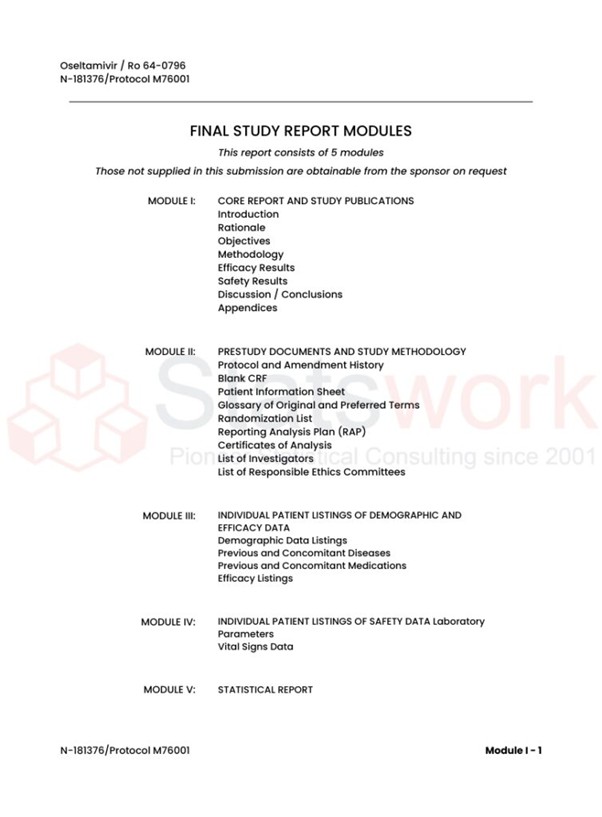
Report generation Services
-
- Data Analysis services
- Industries
- About Us
- Blog
- Insights
- Contact Us
- Services
- Data Analysis services
- Sample Work
Data Analysis services
- Secondary Qualitative Research Services
- Secondary Quantitative Research Services
- Meta-Analysis Research services
- Sample Work
Meta-Analysis Research Services
- Data Collection Services
- Sample Work
Data Collection Services
- Statistical & Biostatistics services
- Sample Work
Statistical Programming & Biostatistics services
- Data Management Services
- Sample Work
Data Management Services
- Research methodology services
- Sample Work
Research methodology services
- Tool Development Services
- Sample Work
Tool development services
- Statistical Interpretation services
-
Statistical Interpretation services
- Sample Work
Statistical Interpretation services
-
- Sample Size Calculation Services
-
Sample Size Calculation Services
- Sample Work
Sample Size Calculation Services
-
- AI & ML Services
-
Artificial Intelligence and Machine Learning Services
- Sample Work
Artificial Intelligence and Machine Learning Services
-
- Meaningful Visualization Services
- Thought Leadership Services
- Report Generation Services
-
Report generation Service
- Sample Work
Report generation Services
-
- Data Analysis services
- Industries
- About Us
- Blog
- Insights
- Contact Us
5 Key Benefits of Switching to Automated Data Entry Systems
5 Key Benefits
News & Trends
Recommended Reads
Contact us
5 Key Benefits of Switching to Automated Data Entry Systems
May 2025 | Source: News-Medical
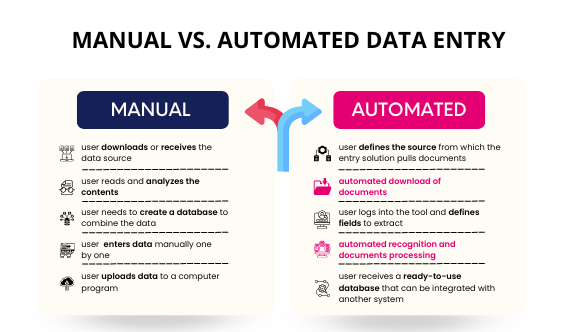
In today’s fast-paced digital environment, companies need to use tools that increase productivity and reduce human error. One of the greatest tools available is an automated data entry system. Even when it is not an option, companies are increasingly turning to automated data entry in an effort to increase productivity and gain a competitive advantage. We’ll go into greater detail about some of the main benefits that automated data entry systems offer below, along with some arguments for why your company should incorporate automated data entry into its business plan.
1. Enhanced Accuracy and Reduced Human Error
One of the primary benefits of automated data entry systems is the significant improvement in accuracy. Humans can make mistakes when entering data, especially when processing large amounts of data is involved. There are simple mistakes like typos or misinterpreting data that can be costly.
With automated data entry, the likelihood of such mistakes is drastically reduced. These systems use advanced algorithms, optical character recognition (OCR), and other technologies to ensure that the data is entered accurately. They can extract information from documents, invoices, forms, and even handwritten text with excellent accuracy, meaning businesses have accurate data available every time. [1]
2. Increased Efficiency and Speed
Another crucial advantage of switching to automated data entry is the efficiency and speed it brings to your business operations. Manual data entry has never been easy for employees but can be especially painful when there are large sets of data to enter. Employees can spend hours, or even days, simply entering data. Even when the time spent doing data entry is time not spent on productive work.
Automated systems can process data at a much faster rate, eliminating the need for manual input and reducing the overall time spent on this task. In a time when inputting data is highly repeatable and mundane, automation can free up time and allow employees to engage in more valuable, strategic work. [2]
3. Cost Savings and Reduced Labor Costs
Switching to automated data entry systems can result in significant cost savings. Hiring staff to manually enter data requires ongoing labor costs — including salaries, benefits, and training expenses. This can add up quickly, especially for businesses that need to manage large volumes of data regularly.
By utilizing automation, the organization is less dependent on data entry by manual labor, which reduces operational costs and helps businesses direct their efforts and funds into more productive, profitable areas. Furthermore, since automated systems are more efficient, a business can do more with fewer resources, making them even more cost-effective. [3]
4. Improved Compliance and Data Security
Compliance with industry standards and regulations is critical for most businesses, especially in sectors like healthcare, finance, and legal services. Automating your data entry steps and reporting help with managing your compliance and minimizing risks associated with reporting and entering incorrect data.
By automating data collection and entry, businesses ensure that the data is always up-to-date, correctly formatted, and aligned with regulatory standards.In addition, these systems are typically built with heavy-duty data security features such as encryption, secure access controls, and audit trails to log records of all data entries. Thus, not only does this increase the data security, but it also decreases the likelihood of incidents of data breaches. [4]
5. Scalability and Flexibility
Furthermore, as your business grows, so will the amount of data you need to handle. Automated data entry systems are highly scalable, as increased data will not require any additional resources to manage new data loads. Any additional volume of data – unlike manual, outdated processes – will just add coarseness and pain to work, while automation with have hardly any impact on handling more.
In addition to being scalable, automated data entry systems can be flexible and customized for core business needs. Whether it is invoices, customer service forms, forms, electronic medical records, or inventory data, there are automated data entry options that can adjust to your workflow & allow your business to continue adapting as it grows. [5]
Conclusion: Automation's Role in Data Management in the Future
In conclusion, any business, regardless of size, can benefit greatly from using an automated data entry system. The advantages are clear, and the most popular ones are increased efficiency and accuracy. Companies that employ an automated methodology for data entry will experience additional benefits such as cost savings, better compliance, and increased data security. Additional, as these solutions are flexible and scalable; companies can automatically grow their data-outreach as their business expands.
Using automated data entry is increasingly a critical—game-changing—component of your business strategy. By using technology to automate data jobs, your business can work faster than competitors, reduce mistakes, and offer information quickly. Now is the time to embrace automation, and get into producing more secure, faster, better data production.
Are you ready to move to automated solutions related to data entry? To see how our innovative solutions can help your business’s output and efficiency by automating data processing, contact Statswork today. Automate your workflow and leverage the total value of your data using Statswork’s professional services!
References
- Mamrak, S., Barnes, J., & O’Connell, C. S. (1993). Benefits of automating data translation. IEEE Software, 10(4), 82-88. https://doi.org/10.1109/52.219621
- Lin, W. N., Yap, K. S., Khalid, M., & Yusof, M. (2000). Design of an automated data entry system for hand-filled forms. In 2000 TENCON Proceedings. Intelligent Systems and Technologies for the New Millennium (Vol. 1, pp. 162-166). IEEE. https://doi.org/10.1109/TENCON.2000.893562
- Jung, Y. Y., Walsh, Á., Patel, J., & Lai, K. (2025). Benefits and challenges associated with implementation and ongoing use of automated dispensing cabinet for medicines: A scoping review. Exploratory Research in Clinical and Social Pharmacy, 18(2), 100599. https://doi.org/10.1016/j.rcsop.2025.100599
- Bauer, J. C., John, E., Wood, C. L., Plass, D., & Richardson, D. (2020). Data entry automation improves cost, quality, performance, and job satisfaction in a hospital nursing unit. JONA: The Journal of Nursing Administration, 50(1), 34-39. https://doi.org/10.1097/NNA.0000000000000836
- Thorat, A. S. (2025). Automated data entry through image-processing for advanced medical inventory. International Journal of Scientific Research in Engineering and Management, 9(6), 1-9. https://doi.org/10.55041/IJSREM50196