
- Services
- Data Analysis services
- Sample Work
Data Analysis services
- Secondary Qualitative Research Services
- Secondary Quantitative Research Services
- Meta-Analysis Research services
- Sample Work
Meta-Analysis Research Services
- Data Collection Services
- Sample Work
Data Collection Services
- Statistical & Biostatistics services
- Sample Work
Statistical Programming & Biostatistics services
- Data Management Services
- Sample Work
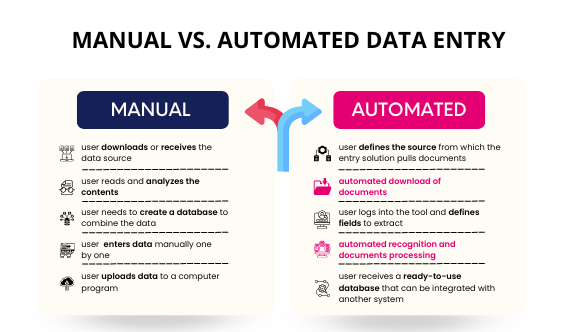
Data Management Services
- Research methodology services
- Sample Work
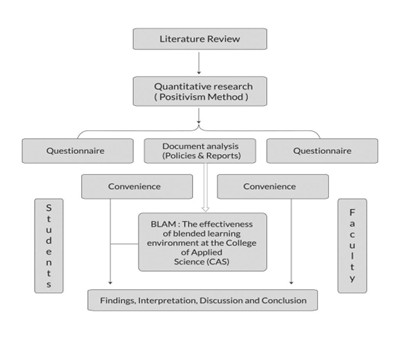
Research methodology services
- Tool Development Services
- Sample Work
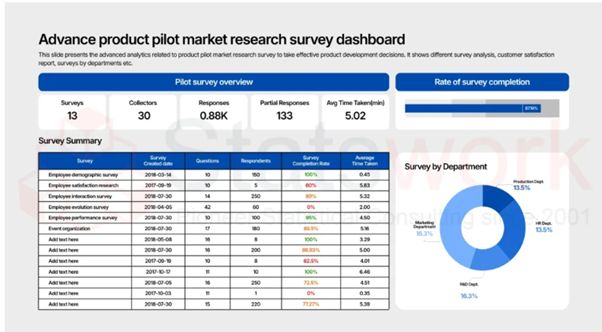
Tool development services
- Statistical Interpretation services
-
Statistical Interpretation services
- Sample Work
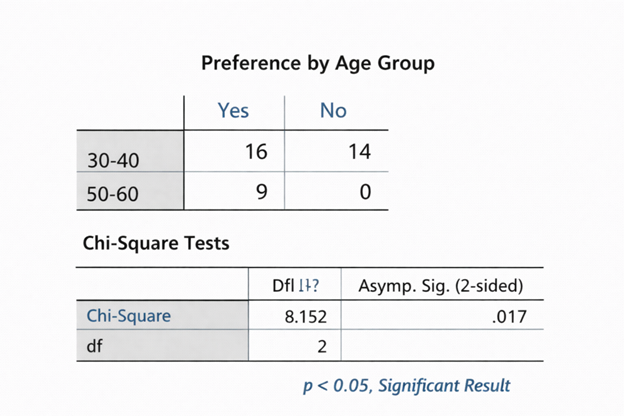
Statistical Interpretation services
-
- Sample Size Calculation Services
-
Sample Size Calculation Services
- Sample Work
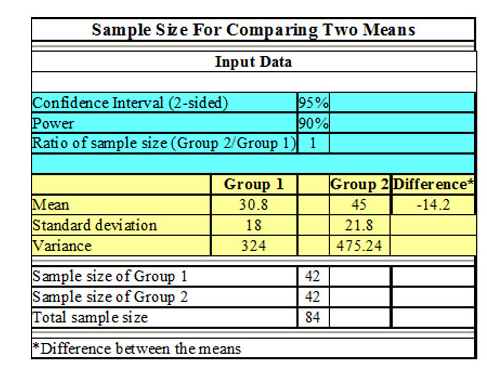
Sample Size Calculation Services
-
- AI & ML Services
-
Artificial Intelligence and Machine Learning Services
- Sample Work
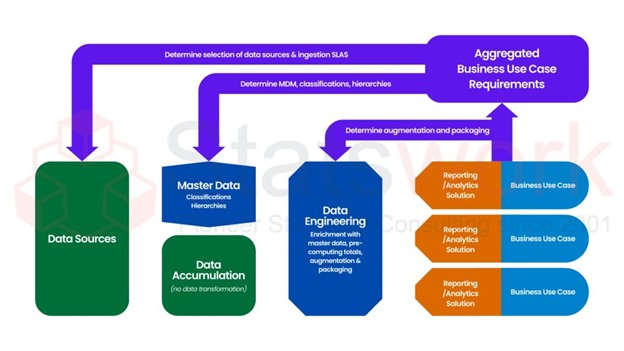
Artificial Intelligence and Machine Learning Services
-
- Meaningful Visualization Services
- Thought Leadership Services
- Report Generation Services
-
Report generation Service
- Sample Work
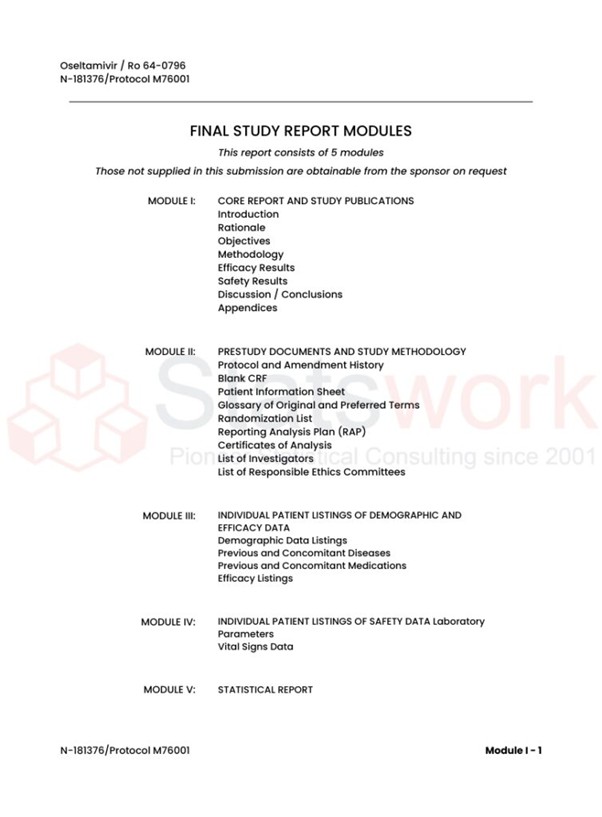
Report generation Services
-
- Data Analysis services
- Industries
- About Us
- Blog
- Insights
- Contact Us
- Services
- Data Analysis services
- Sample Work
Data Analysis services
- Secondary Qualitative Research Services
- Secondary Quantitative Research Services
- Meta-Analysis Research services
- Sample Work
Meta-Analysis Research Services
- Data Collection Services
- Sample Work
Data Collection Services
- Statistical & Biostatistics services
- Sample Work
Statistical Programming & Biostatistics services
- Data Management Services
- Sample Work
Data Management Services
- Research methodology services
- Sample Work
Research methodology services
- Tool Development Services
- Sample Work
Tool development services
- Statistical Interpretation services
-
Statistical Interpretation services
- Sample Work
Statistical Interpretation services
-
- Sample Size Calculation Services
-
Sample Size Calculation Services
- Sample Work
Sample Size Calculation Services
-
- AI & ML Services
-
Artificial Intelligence and Machine Learning Services
- Sample Work
Artificial Intelligence and Machine Learning Services
-
- Meaningful Visualization Services
- Thought Leadership Services
- Report Generation Services
-
Report generation Service
- Sample Work
Report generation Services
-
- Data Analysis services
- Industries
- About Us
- Blog
- Insights
- Contact Us
Not Sure Which Qualitative Data Analysis Method to Choose?
Meta Analysis Service
Recommended Reads
Contact us
Summary:
The blog discusses developing a qualitative data analysis (QDA) plan and selecting an appropriate analysis method that fits the research question, study design, data type, and objectives. The blog highlights thematic analysis, content analysis, grounded theory, phenomenological analysis, and narrative analysis. The blog provides an overview of the key steps involved in conducting a qualitative data analysis, quality practices, and common pitfalls to avoid in qualitative data analysis and concludes by highlighting the role of Statswork Qualitative Data Analysis Services in analyzing complex qualitative data to obtain credible research results.
The qualitative data collection process is an integral element of research study. When the data has been collected by means of interviews, focus groups, observations, open-ended questions in surveys, or any other sources, it is necessary to determine the appropriate analysis strategy. If not properly performed, this stage may lead to failure to answer the research question. At the same time, a comprehensive analysis of qualitative data will help organize the collected information and come up with relevant and reliable conclusions.
A qualitative data analysis plan is a key idea, which allows researchers to address their data in a logical way, prepare coding strategies, and ultimately produce credible results [1]. However, there is not one best way to analyse qualitative information. Instead, there are several approaches, which are suitable for different types of studies. To identify the most relevant for a specific study, it is essential to understand what analysis plan best suits the research objectives, design, data type, theoretical framework, and desired outcomes.
To help you understand the analysis methods, which can be applied to your study, below are some recommendations on how to appropriately choose a qualitative research analysis type.
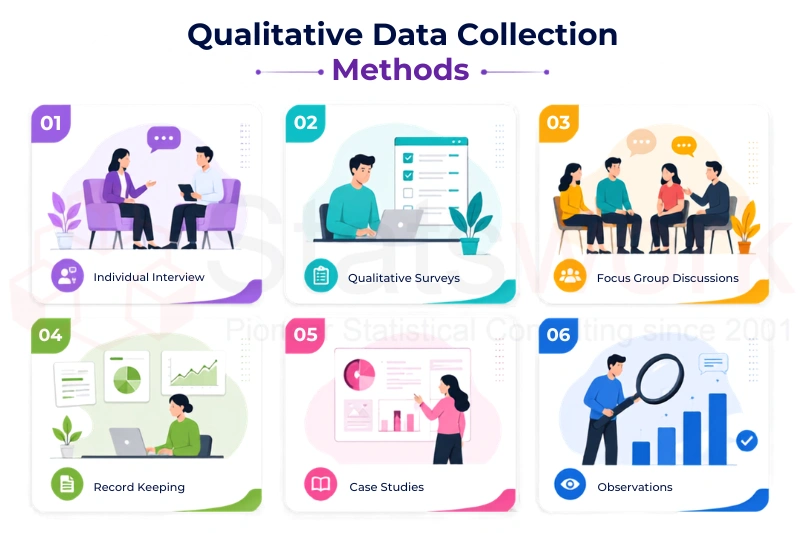
What Is a Qualitative Data Analysis Plan?
Qualitative data analysis plan refers to a set structure that outlines the methods through which qualitative data is analysed. It enables the researcher to develop the stages involved in analysing the qualitative data before engaging in the process itself.
A typical QDA plan may include:
- Data preparation and transcription
- Getting acquainted with data
- Data coding
- The process of developing categories/themes/concepts
- Analytical framework selection [2]
- Findings interpretation
- Measures to improve the quality of the study
- Reporting the results
The purpose is not to make qualitative research unnecessarily rigid. Instead, a QDA plan provides enough structure to ensure that the analytical process remains systematic while allowing researchers to respond to insights emerging from the data.
Key Factors to Consider When Choosing a QDA Method
Before selecting a method, researchers should evaluate several important factors.
Start With Your Research Question
The research question should guide the analytical approach. Consider what you are trying to understand.
For example:
- To explore experiences or perceptions: Phenomenology or thematic analysis could be suitable,
- To discover understanding of processes or theories: grounded theory methods would be appropriate.
- To analyse language and social meanings: applied discourse analysis could be suitable;
- To analyse the content of documents or responses: qualitative content analysis could be appropriate;
- To understand individual stories and their narration: narrative analysis could be used [3].
The method should support the research question rather than being selected simply because it is familiar or widely used.
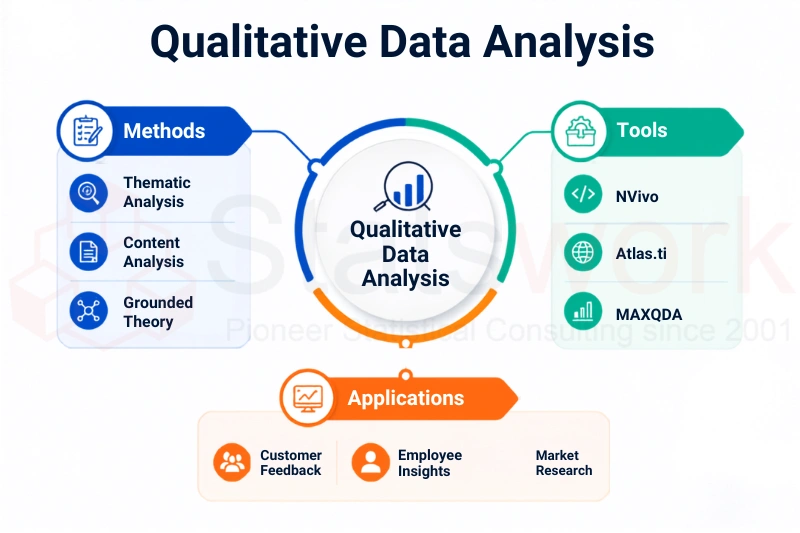
Common Qualitative Data Analysis Methods
| Research Method | Fits Well With |
| Thematic Analysis | Discovery of patterns in datasets |
| Content Analysis | Systematic analysis of textual data |
| Grounded Theory | Building theory based on empirical evidence |
| Phenomenological Analysis | Understanding lived experiences and how participants make sense of them |
| Narrative Analysis | Analysis of narratives and stories |
Researchers should understand that these methods may have different philosophical assumptions, analytical procedures, and reporting expectations. Therefore, the chosen method should be compatible with the overall research design.
Build a Practical QDA Plan
QDA project must include a set of steps that would help researchers move from the stage of data analysis to the stage of receiving the results.
One possible set of steps can be the following:
- Preparation of the data (transcription, de-identification, organizing the data, etc.)
- Becoming familiar with the data (reading/analysing the data)
- Creation of coding scheme (determination of the first codes)
- Application of the first codes to all the dataset (coding)
- Determination of relations/groups within the dataset (second codes determination) [2]
- Interpretation of the results (themes/determination of concepts)
- Evaluation of the quality of the analysis
- Presentation of the results (which evidence proves which statements)
Maintaining an audit trail during the analysis process can be helpful to ensure the transparency of the process.
How to Ensure Quality in Qualitative Research Analysis
A decent qualitative study must go beyond just well-developed themes. The researcher should aim to maximize the credibility and transparency of their analysis.
To reach this goal, there is a list of essential quality practices, including developing clear analytic methods keeping the coding process consistent, providing reflexive notes when needed, checking interpretations against the initial data, elaborating on context, supporting conclusions with relevant excerpts, considering various perspectives and keeping an audit trail.
It is vital to realize that specific quality strategies may differ depending on the chosen methodology. For instance, there will be differences between guidelines for phenomenology, grounded theory, and discourse analysis.
Common Mistakes When Choosing a QDA Method
Researchers should avoid selecting a method without considering its suitability for the study.
Common mistakes include:
- Developing the method before determining the research question
- Contradictory approaches such as mixing up analytical methods; [3]
- Making qualitative software do the thinking;
- Creating themes that are not supported by evidence;
- Failing to describe how codes or themes are derived;
- Not addressing theoretical or methodological assumptions;
- Overcomplicating methods for simple objectives;
A clear and well-justified approach can make the qualitative research analysis more transparent, focused, and defensible.
Conclusion
Selection of the right software for qualitative data analysis is extremely important in making the qualitative data collected through interviews, observations, documents or otherwise into useful research findings. The selection of the plan varies on the basis of the research question, design of the research, the volume of the data collected and so forth.
Qualitative Data Analysis Services offered by StatsWork are at your disposal to assist you in selecting the perfect QDA plan for your research, select the perfect techniques, analyse your qualitative data efficiently and present your evidence-based research findings. If your research calls for thematic analysis, content analysis, grounded theory, phenomenological analysis and many more, StatsWork can assist you in attaining high-quality research findings.
Not sure which qualitative analysis method fits your research? Choose StatsWork’s Qualitative Data Analysis Services and turn complex qualitative data into clear, credible, and actionable research insights.
Frequently Asked Questions (FAQs)
There is no single best method; the appropriate approach depends on the research question, study design, data type, theoretical framework, and desired outcomes.
Thematic analysis, content analysis, grounded theory, phenomenological analysis, or narrative analysis may be suitable depending on the study.
Five common methods are thematic analysis, qualitative content analysis, grounded theory, phenomenological analysis, and narrative analysis.
Each method has different analytical procedures and is selected according to the research objective.
Seven common qualitative research approaches include phenomenology, grounded theory, ethnography, narrative research, case study, qualitative content analysis, and discourse analysis.
The appropriate approach depends on what the researcher aims to understand and the overall study design.
Four common forms of qualitative data are interview data, observational data, focus-group data, and open-ended textual responses.
These data can be analysed to identify patterns, themes, meanings, experiences, and perspectives.
The five basic qualitative methods are thematic analysis, content analysis, grounded theory, phenomenological analysis, and narrative analysis.
They provide different ways of examining patterns, meanings, experiences, concepts, and narratives within qualitative datasets.
The four broad types of data analysis are descriptive, diagnostic, predictive, and prescriptive analysis.
These approaches are generally used to describe what happened, understand why it happened, predict what may happen, and determine what actions could be taken.
References:
- Sandhiya, V., & Bhuvaneswari, M. (2025). Qualitative research analysis: A thematic approach. In Design and validation of research tools and methodologies(pp. 289-310). IGI Global Scientific Publishing. https://www.igi-global.com/chapter/qualitative-research-analysis/357350
- Morgan, D. L. (2026). Query-based analysis: A strategy for analyzing qualitative data using ChatGPT. Qualitative Health Research, 36(2-3), 206-217.https://journals.sagepub.com/doi
- Subedi, K. R. (2025). Safeguarding participants: Using pseudonyms for ensuring confidentiality and anonymity in qualitative research. KMC Journal, 7(1), 1-20.https://nepjol.info/index.php/kmcj