
- Services
- Data Analysis services
- Sample Work
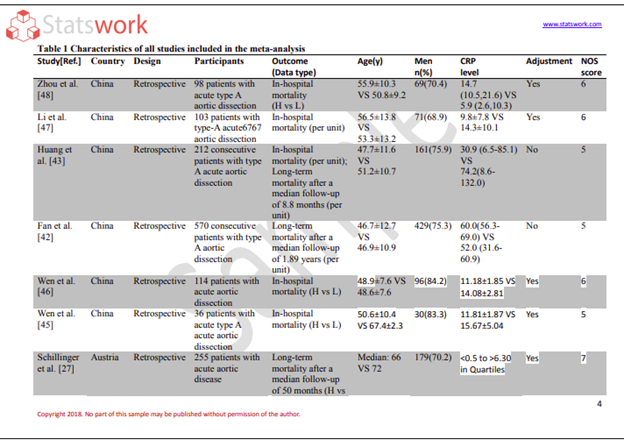
Data Analysis services
- Secondary Qualitative Research Services
- Secondary Quantitative Research Services
- Meta-Analysis Research services
- Sample Work
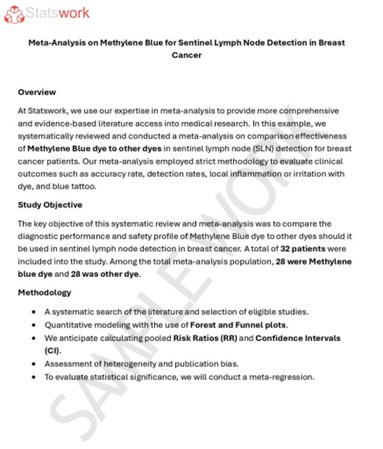
Meta-Analysis Research Services
- Data Collection Services
- Sample Work
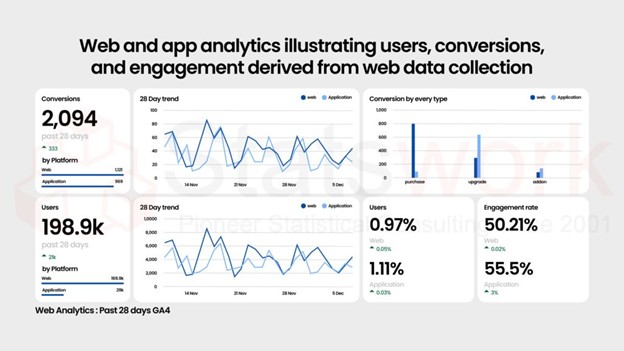
Data Collection Services
- Statistical & Biostatistics services
- Sample Work

Statistical Programming & Biostatistics services
- Data Management Services
- Sample Work
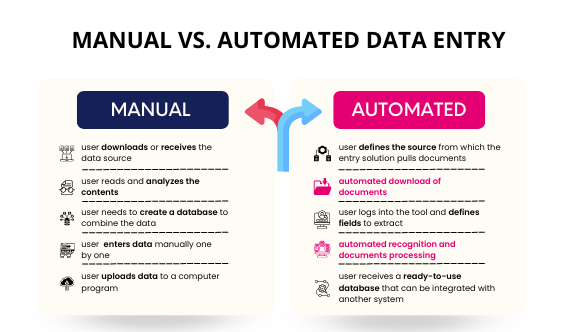
Data Management Services
- Research methodology services
- Sample Work
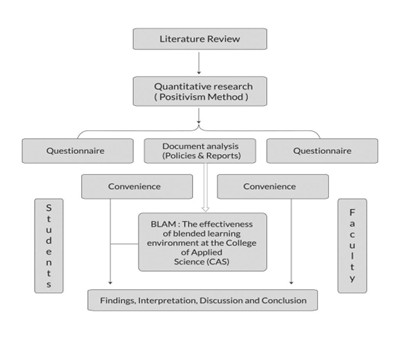
Research methodology services
- Tool Development Services
- Sample Work
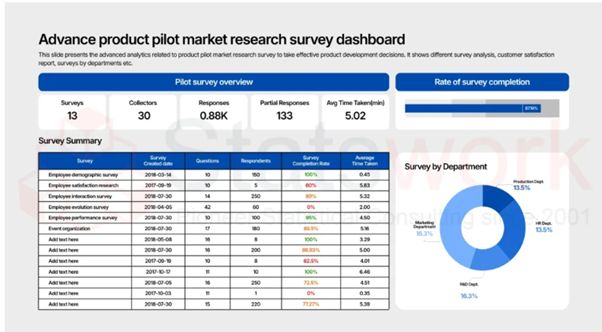
Tool development services
- Statistical Interpretation services
-
Statistical Interpretation services
- Sample Work
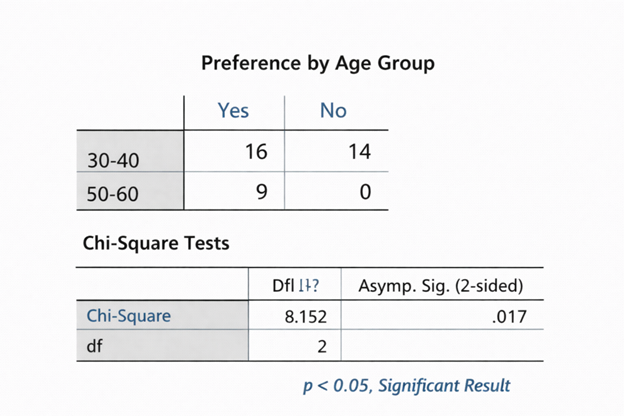
Statistical Interpretation services
-
- Sample Size Calculation Services
-
Sample Size Calculation Services
- Sample Work
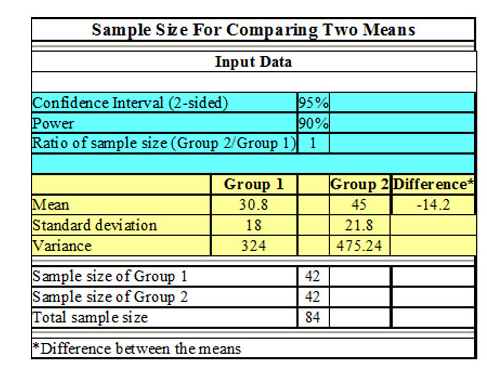
Sample Size Calculation Services
-
- AI & ML Services
-
Artificial Intelligence and Machine Learning Services
- Sample Work
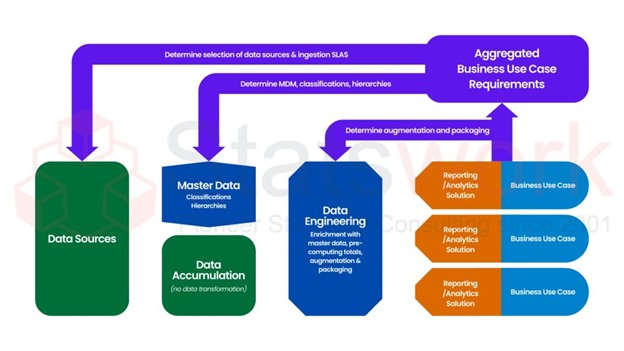
Artificial Intelligence and Machine Learning Services
-
- Meaningful Visualization Services
- Thought Leadership Services
- Report Generation Services
-
Report generation Service
- Sample Work
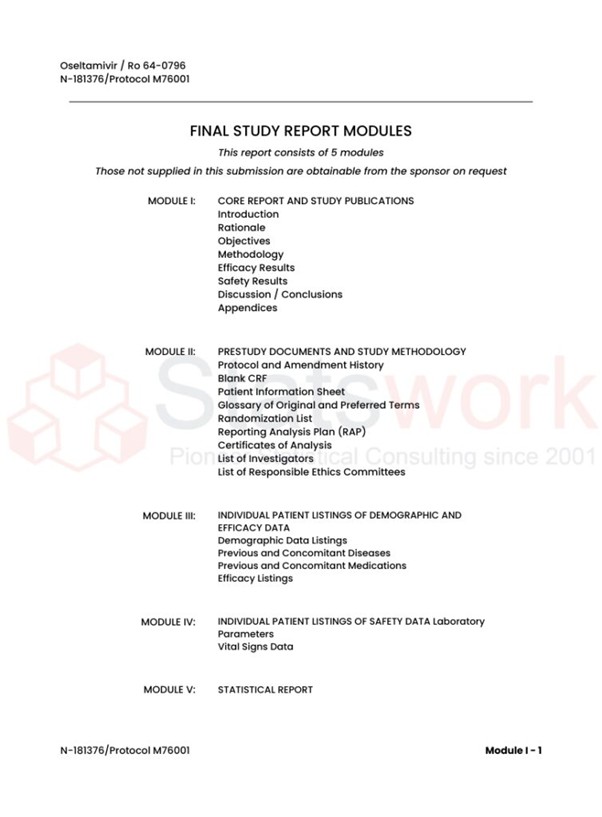
Report generation Services
-
- Data Analysis services
- Industries
- About Us
- Blog
- Insights
- Contact Us
- Services
- Data Analysis services
- Sample Work
Data Analysis services
- Secondary Qualitative Research Services
- Secondary Quantitative Research Services
- Meta-Analysis Research services
- Sample Work
Meta-Analysis Research Services
- Data Collection Services
- Sample Work
Data Collection Services
- Statistical & Biostatistics services
- Sample Work
Statistical Programming & Biostatistics services
- Data Management Services
- Sample Work
Data Management Services
- Research methodology services
- Sample Work
Research methodology services
- Tool Development Services
- Sample Work
Tool development services
- Statistical Interpretation services
-
Statistical Interpretation services
- Sample Work
Statistical Interpretation services
-
- Sample Size Calculation Services
-
Sample Size Calculation Services
- Sample Work
Sample Size Calculation Services
-
- AI & ML Services
-
Artificial Intelligence and Machine Learning Services
- Sample Work
Artificial Intelligence and Machine Learning Services
-
- Meaningful Visualization Services
- Thought Leadership Services
- Report Generation Services
-
Report generation Service
- Sample Work
Report generation Services
-
- Data Analysis services
- Industries
- About Us
- Blog
- Insights
- Contact Us
Not Sure Which Analytical Tool Fits Your Market Research?
Meta Analysis Service
- The Evidence: How Survey Bias Distorts Your Business Findings
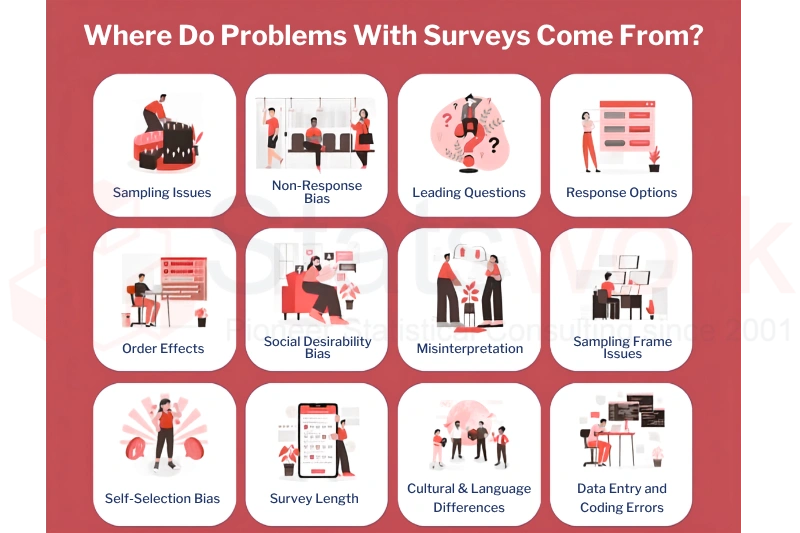
- What Goes Wrong: Common Survey Question Design Failures
- Table 1: Common Questionnaire Design Problems & Their Impact
- The ROI Reality: Good Surveys vs. Poor Surveys
- Real-World Application: Surveys Driving Strategic Decisions
- How to Improve Your Survey Question Design
- The Bottom Line
Recommended Reads
Contact us
Summary:
Poorly framed survey questions may introduce bias or distortions to survey results, leading researchers to make millions of dollars in business mistakes. In this blog, we will discuss the challenges associated with survey design, the effects of inappropriate survey items, and the business benefits of well-structured survey questionnaires. We will also look at methods of constructing survey questions that elicit unbiased and valid responses needed to obtain high-quality research data and transform research expenditures into business profits.
Your market research budget is substantial. Your team spent a lot of time preparing for it. The respondents have completed your survey. But what if the data you are going to use to make million-dollar decisions is wrong? The root cause often lies in one critical area: survey question design.
Poorly constructed survey questions can lead to biased and skewed results that mislead your business decisions to show different, even opposite, results from what you may be looking for in your business. Response bias obscures the critical correlations between survey questions and answers that are essential for sound business decisions. When researchers removed the distorting effects of negative response bias, their primary finding became dramatically significant: The value of the coefficient increased more than 12 times, from 0.038 to 0.466 [1].
The Evidence: How Survey Bias Distorts Your Business Findings
This stark finding demonstrates a fundamental principle: respondent accuracy is not optional – it’s foundational to survey analysis factors that determine whether your research informs strategy or misleads it. Poor responses do not only affect the quality of data collected; they change the entire analytical landscape [1].
The problem is pervasive and measurable. Recent behavioral data from web-based surveys shows that respondents deliberately skew results through speed answering, straight-lining, and repeated survey participation [4]. These aren’t isolated incidents—they occur frequently enough to significantly skew your results if left unaddressed. The critical insight is that these issues are observable and preventable, but only when you understand their root causes [4].
What Goes Wrong: Common Survey Question Design Failures
Recent research demonstrates that poor questionnaire design manifests through specific, measurable problems. Additionally, documented evidence shows how survey bias sources create systematic distortions in respondent accuracy [1].
| Problem | Consequence | Business Consequences |
| Ambiguity | Words are open to interpretation | Haphazard data collection and analysis |
| Leading | Answers are provided to suit what you want | Results biased rather than accurate |
| Double-Barreled | Multiple concepts contained in a single question | Uncertainty about what variable was responsible for an answer |
| Poor response scale | Response is affected by confusion or fatigue | Straight lining, inaccurate responses by respondents |
| Invalidation | Questions are not validated prior to administration | Problems revealed only during data collection |
Table 1: Common Questionnaire Design Problems & Their Impact
According to research on designing survey questions, key survey bias sources include Questions that telegraph desired answers; instructions that confuse rather than clarify; response options that don’t match the question [4]. Scales which do not reflect respondents’ experiences and spacing of questions or lack of logic in the survey’s flow are similarly detrimental to survey question construction [1]
Critically, these issues in survey methodology are measurable and preventable – but only when survey question design receives proper attention upfront. This preventability factor distinguishes fixable problems from permanent data compromises [4].
The ROI Reality: Good Surveys vs. Poor Surveys
Here’s where the business case becomes undeniable. Recent research comparing low-budget, well-designed surveys to poorly structured approaches showed that the quality of design outweighed the importance of costs [2].
A well-run healthcare survey yielded 360.6 hours of stakeholder engagement and a business value of 13,466 in terms of enhanced accessibility decision-making. In other words, it was a research study that worked: an efficient survey, designed and implemented correctly, helped an organization make a series of beneficial decisions. Note the survey questions asked for and the targeted insights it generated [2].
In contrast, poorly designed surveys give misleading results regardless of the number of people surveyed leading to bad decisions and loss of resources. This can be shown through [2] evidence that respondent accuracy drives whether your survey analysis factors yield usable insights. The correlation is direct: better design = better data = better decisions
Real-World Application: Surveys Driving Strategic Decisions
Consider a B2B example: technology manufacturers evaluating next-generation battery adoption conducted dual-track survey research, yielding insights from 50 expert stakeholders and 50 end users [3]. The survey method used in the study offered advantages of quantitative and qualitative research, therefore enabling the strategic planners to examine the factors influencing adoption, the market potential, and opportunities for growth [3].
This example demonstrates how rigorous survey design drives billion-dollar strategic decisions, while poor design wastes resources on unusable data on the shelves. Well-designed questionnaires enabled organizations to make confident, data-driven strategic choices [3]
How to Improve Your Survey Question Design
Based on research by [1] and [4], before deployment, apply these questionnaire design principles to achieve effective survey questions:
- Clarity first – every question should be answerable in only one way. [4]
- Test ruthlessly –pretest questions by asking respondents, don’t assume that they are clear [1]
- Test scales – make sure the answer options in a question match what respondents signified [4]
- Avoid leading language –avoid suggesting an answer within the text of a question [1]
- Keep questions focused on one issue –don’t ask two questions in one question [4]
- Think about your analysis – ask questions that will directly support your analytical objectives [3]
The Bottom Line
Poor survey questions don’t just produce incomplete findings—they produce wrong findings. When researchers corrected response bias, their data told an entirely different story about market dynamics [1]. When organizations invested in thoughtful questionnaire design, their data became actionable [2]. When manufacturers applied rigorous survey methodology to strategic questions, they could confidently guide technology adoption [3].
Your survey isn’t just a data collection tool—it’s the foundation of evidence-based business decisions. Invest in survey question design now or pay the cost later through missed opportunities and misaligned strategies [4].
“Survey bias costs you more than questionnaire design ever will. Don’t leave research decisions to chance.
Contact Statswork today to transform your research investments into actionable insights.
The research is clear: survey bias costs you more than questionnaire design ever will.
Conclusion: Ready to Transform Your Research?
Selecting the right analytical tool can help organizations improve the efficiency, reliability, and usability of their research. Whether you need advanced statistical software to perform hypothesis testing, conduct research tools comparison or deploy automated market analysis – whatever your needs are, we can help.
Statswork offers professional consultancy and implementation services to B2B companies who wish to achieve superior results in their research efforts by embracing the right data analysis techniques.
Don’t let tool confusion slow your decision-making. Schedule a free 30-minute consultation with our research analytics experts today. We’ll assess your research needs, recommend the perfect tool stack, and show you how to maximize ROI on your analytics investment.
Frequently Asked Questions (FAQs)
Poor questionnaire design and response bias systematically distort findings, making surveys generate wrong conclusions instead of actionable insights. When surveys are poorly constructed, respondents provide inaccurate answers that compromise the entire analytical foundation. Studies show correcting for response bias can increase data reliability by 12 times, proving that design quality directly impacts research validity.
Surveys are vulnerable to multiple biases including leading questions, ambiguous wording, and respondent fatigue that compromise data accuracy. High costs and lengthy timelines can be wasted on poorly designed instruments that generate unreliable data unsuitable for decision-making. Respondents often provide dishonest answers due to social desirability bias or professional survey-takers who skew results through repeated participation.
Poor survey question design creates systematic distortions that lead to completely wrong business conclusions and missed opportunities. Common issues include ambiguous wording, leading questions, and double-barreled questions that cause respondents to provide inaccurate answers. This problem is entirely preventable with proper questionnaire design upfront, yet organizations often overlook validation until data is already compromised.
Researchers frequently deploy surveys without pretesting questions, discovering design flaws only after expensive data collection is complete and unusable. Leading questions and poor response scales systematically bias results toward predetermined conclusions rather than capturing true respondent perspectives. Lack of clarity in question wording causes respondents to interpret questions differently, making data analysis inconsistent and unreliable.
Red flags include ambiguous wording, leading questions, double-barreled questions, and poor response scales that confuse respondents. Insufficient logical flow, lack of pretesting, and response patterns like straightlining or speeding through questions indicate serious data quality issues. High dropout rates and questions without clear alignment to analytical objectives are additional warning signs of compromised survey design.
Avoid surveys when you need deep, nuanced insights better captured through qualitative research or when your respondent pool is too small for statistical significance. Don’t use surveys when organizational culture prevents honest responses, when sensitive topics require trust-building, or when you lack resources to design and validate questions properly. Poorly executed surveys waste budgets without generating actionable insights.
References:
- Białowolski P. (2016). The influence of negative response style on survey-based household inflation expectations. Quality & quantity, 50(2), 509–528. https://doi.org/10.1007/s11135-015-0161-9
- Hellstrand, S., Sundberg, L., Karlsson, J., Tranberg, R., & Hellstrand Tang, U. (2026). Can a Low-Budget Questionnaire Support Improved Health Service Accessibility and Sustainability: Results from an Exploratory Study. INQUIRY: The Journal of Health Care Organization, Provision, and Financing, 63, 00469580261468784. https://journals.sagepub.com/doi/
- Manzini, A., Martinez García, L., & Harrivaara, P. (2026). Adoption of next-generation batteries: a survey-based analysis of user and expert perspectives: A. Manzini et al. Mineral Economics, 39(1), 71-91. https://link.springer.com/article/10.10
- Von Hohenberg, B. C., Ventura, T., Nagler, J., Menchen-Trevino, E., & Wojcieszak, M. (2026). Survey professionalism: New evidence from web browsing data. Political Analysis, 34(3), 432-450. https://www.cambridge.org/core