
- Services
- Data Analysis services
- Sample Work
Data Analysis services
- Secondary Qualitative Research Services
- Secondary Quantitative Research Services
- Meta-Analysis Research services
- Sample Work
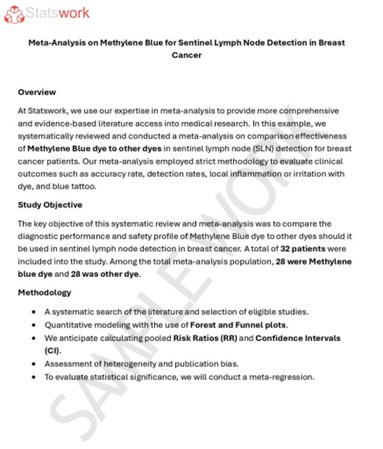
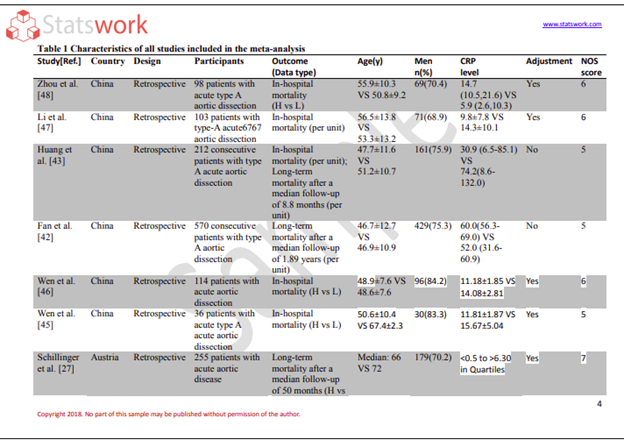
Meta-Analysis Research Services
- Data Collection Services
- Sample Work
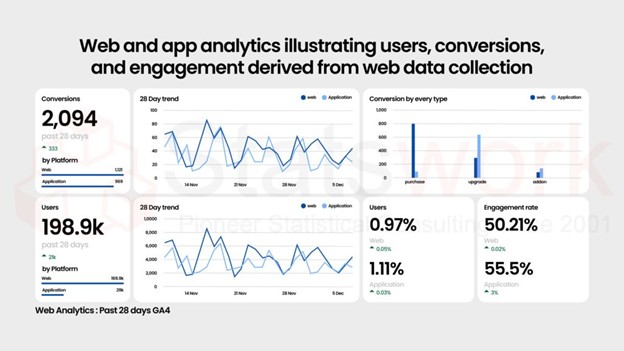
Data Collection Services
- Statistical & Biostatistics services
- Sample Work
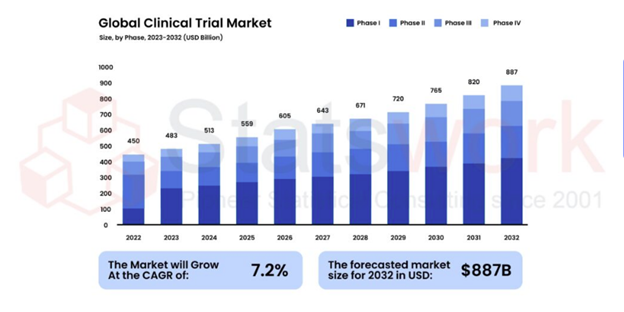
Statistical Programming & Biostatistics services
- Data Management Services
- Sample Work
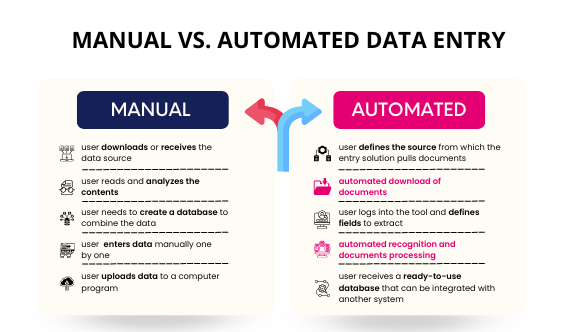
Data Management Services
- Research methodology services
- Sample Work
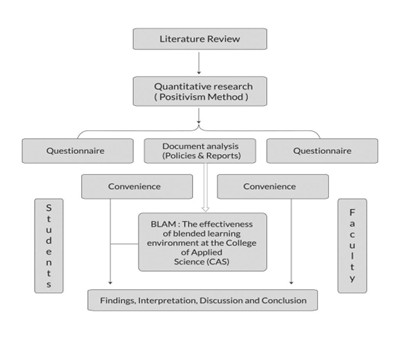
Research methodology services
- Tool Development Services
- Sample Work
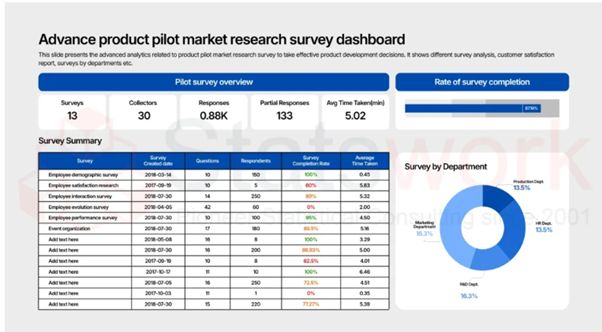
Tool development services
- Statistical Interpretation services
-
Statistical Interpretation services
- Sample Work
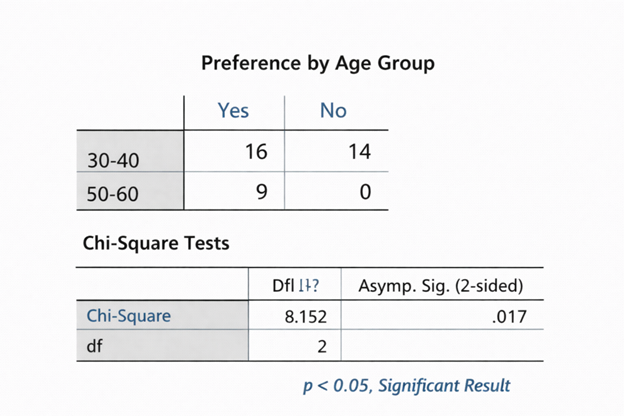
Statistical Interpretation services
-
- Sample Size Calculation Services
-
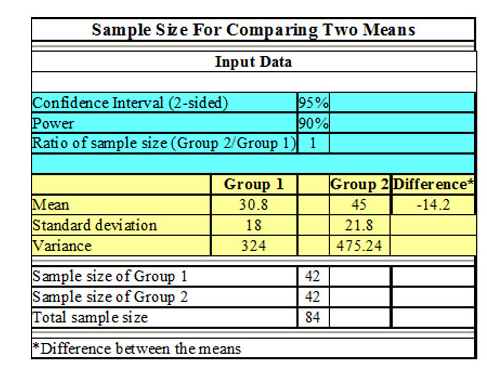
Sample Size Calculation Services
- Sample Work
Sample Size Calculation Services
-
- AI & ML Services
-
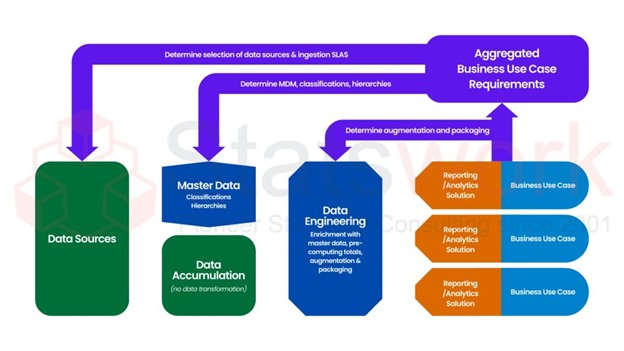
Artificial Intelligence and Machine Learning Services
- Sample Work
Artificial Intelligence and Machine Learning Services
-
- Meaningful Visualization Services
- Thought Leadership Services
- Report Generation Services
-
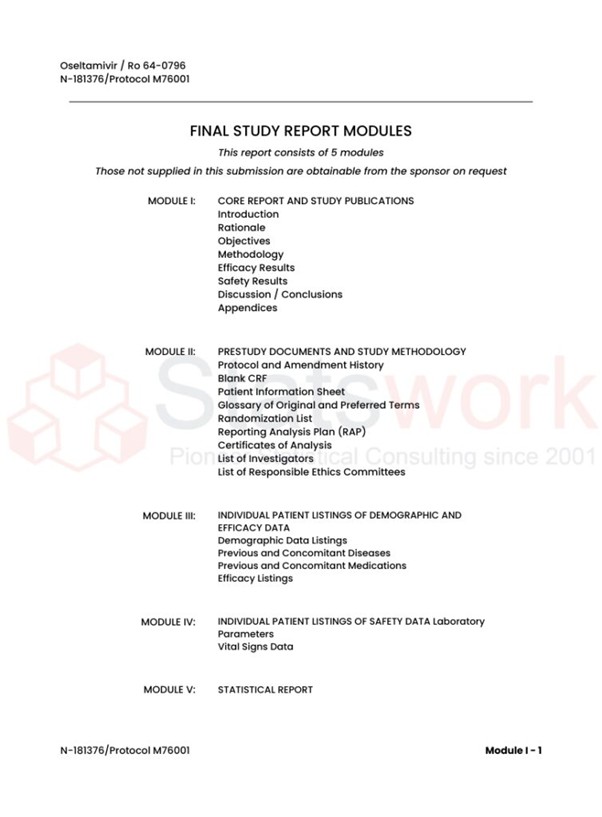
Report generation Service
- Sample Work
Report generation Services
-
- Data Analysis services
- Industries
- About Us
- Blog
- Insights
- Contact Us
- Services
- Data Analysis services
- Sample Work
Data Analysis services
- Secondary Qualitative Research Services
- Secondary Quantitative Research Services
- Meta-Analysis Research services
- Sample Work
Meta-Analysis Research Services
- Data Collection Services
- Sample Work
Data Collection Services
- Statistical & Biostatistics services
- Sample Work
Statistical Programming & Biostatistics services
- Data Management Services
- Sample Work
Data Management Services
- Research methodology services
- Sample Work
Research methodology services
- Tool Development Services
- Sample Work
Tool development services
- Statistical Interpretation services
-
Statistical Interpretation services
- Sample Work
Statistical Interpretation services
-
- Sample Size Calculation Services
-
Sample Size Calculation Services
- Sample Work
Sample Size Calculation Services
-
- AI & ML Services
-
Artificial Intelligence and Machine Learning Services
- Sample Work
Artificial Intelligence and Machine Learning Services
-
- Meaningful Visualization Services
- Thought Leadership Services
- Report Generation Services
-
Report generation Service
- Sample Work
Report generation Services
-
- Data Analysis services
- Industries
- About Us
- Blog
- Insights
- Contact Us
Methods of qualitative data analysis
Meta Analysis Service
- Why Qualitative Analysis Matters for Business
- Types of Qualitative Data Analysis Businesses Actually Use
- Coding: How Raw Feedback Becomes a Business Insight
- Qualitative Data Analysis Software (CAQDAS) for Business Teams
- Where Qualitative Analysis Drives Business Value
- AI Is Accelerating Corporate Qualitative Research
- Conclusion
Recommended Reads
Contact us
Summary:
Analysis of qualitative data assists companies in converting qualitative data including consumer opinions, interviews, and social media discussions into insights, which support making good business decisions. This includes an overview of important techniques of data analysis, coding techniques, and applications of qualitative data in various areas, such as improving customer experience, engaging employees, and conducting market research. Besides, there is an explanation on how qualitative data analysis can complement quantitative data and the best software packages for analysis of qualitative data, such as NVivo, ATLAS.ti, and MAXQDA.
All organizations generate unstructured data in the form of sales call logs, support requests, focus group transcripts, open-ended survey results, and social media monitoring data. But success is not about having more data; it’s all about making decisions based on it quickly [1]. And this is where the right approaches to qualitative data analysis can help you. In this guide, we’ll look at the kinds of qualitative data analysis your organization needs to know about, the approaches involved, and the impact of AI.
Why Qualitative Analysis Matters for Business
Numbers help understand what went on. Qualitative analysis provides insights into why. Understanding the difference between qualitative and quantitative data analysis enables organizations to determine which perspective to use in addressing specific organizational issues:
| Aspect | Qualitative Analysis | Quantitative Analysis |
| Use in business | Understanding motivation, pains, and attitudes | Tracking KPIs, conversion ratios, and forecasting |
| Sources of data | Interviews, product reviews, support tickets, social media postings | Sales statistics, survey results, web analytics |
| Best used for | Customer feedback, brand image, VoC programs | Earnings tracking, A/B testing, market sizing |
| Popular software | NVivo, ATLAS.ti, MAXQDA | Excel, SQL, Business Intelligence dashboard |
| Type of output | Trends, customer stories, insights | Charts, dashboard, statistical models |
However, most mature organizations employ both — quantifiable data to identify changes and qualitative analysis to provide an understanding of why that happens [2].
Types of Qualitative Data Analysis Businesses Actually Use
All methods are not appropriate to fit within the company’s schedule. Here is a list of methods commonly found in commercial research:
- Content Analysis – This analyzes vast amounts of reviews, emails, or social media mentions to measure the frequency of occurrence of certain topics or complaints.
- Thematic Analysis – The most popular method of analyzing qualitative data for businesses; sufficiently flexible to use in customer interviews, employee surveys, or usability tests.
- Framework Analysis – Analyzes data using thematic matrices in relation to respondent groups and is useful when quick, structured results are needed by the management.
- Narrative Analysis – Useful for uncovering stories of customers and reasons behind brand loyalty.
- Discourse Analysis – Used in brand messaging and competitor communication research [3].
Coding: How Raw Feedback Becomes a Business Insight
All methods of analysis involve good qualitative data coding practices. This would involve the following in a business setting:
- Open coding – Coding of codes generated from the first pass codes from the customers’ responses or interviews.
- Axial coding – Clustering of codes into bigger business-related categories, such as “problems with pricing,” “issues with onboarding.”
- Inductive vs. Deductive coding – Identification of codes generated through induction or deduction from a known business framework like NPS drivers.
- Code frame/code book – Consistency of codes used in various departments or regions [4].
- Inter-rater reliability – Consistency of results, vital especially if the findings have implications for budgets.
- Data saturation – Awareness of the number of interviews/reviews analyzed before basing the findings on them.
- Data triangulation and member checking – Confirmation of the findings with various data sets or even with the customers themselves.
Qualitative Data Analysis Software (CAQDAS) for Business Teams
Manually coding thousands of support tickets or reviews isn’t scalable. Most commercial research teams rely on qualitative data analysis software to speed up and standardize the process:
| Software | Business Strength |
| NVivo | Handles large mixed-methods customer datasets |
| ATLAS.ti | Strong visual mapping for stakeholder presentations |
| MAXQDA | Combines qualitative coding with quantitative stats |
These CAQDAS platforms are increasingly paired with dashboards, so qualitative data analysis in market research can sit alongside quantitative metrics in one reporting view.
Where Qualitative Analysis Drives Business Value
Qualitative analysis in business normally entails:
- VoC program analysis – finding out repetitive issues from support and sales conversations
- Customer feedback analysis – converting application reviews and NPS comments to road map development
- Market research analysis – conducting experiments on messaging, perception of price and competitive positioning
- Employee experience research – utilizing exit interviews and surveys to develop retention strategy
- Brand & campaign testing – verifying creative strategy prior to full-scale implementation [3]
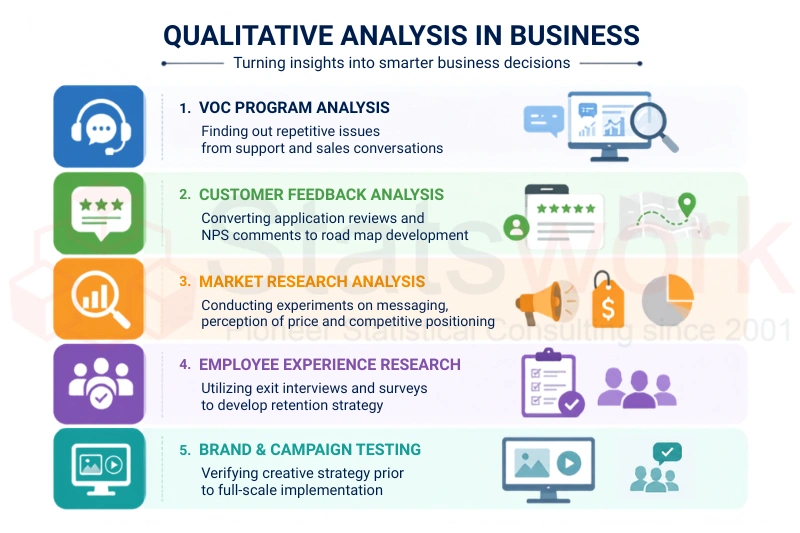
All of which translate to actionable insight that facilitates true data-driven decision-making, not just a presentation of quotes.
AI Is Accelerating Corporate Qualitative Research
With AI-assisted qualitative data analysis tools and generative AI data analysis tools, businesses have access to LLM-enabled coding, which can provide coded suggestions along with thematic grouping of thousands of customer responses within minutes rather than taking weeks [4]. Automated thematic analysis does not eliminate the human component in any way, yet it enables business teams to move from unstructured data straight to an initial draft of the insights report within a much shorter timeframe.
Conclusion
Qualitative data analysis does not remain an academic approach for B2B professionals; rather, it is a way that helps make sure your client discussion, employees’ feedback, and market indicators convert into strong decisions. Selection of the right methodology, coding of the information properly and use of right software like CAQDAS and AI are some things that make sure you get a strategy input out of it rather than just a bunch of quotes. Businesses that require it to be done professionally and at the earliest may consider our Qualitative Data Analysis Services.
Frequently Asked Questions (FAQs)
The five main methods of qualitative data analysis are thematic analysis, content analysis, narrative analysis, discourse analysis, and framework analysis, each used to identify patterns, meanings, and insights from qualitative data.
The seven common qualitative research methods include interviews, focus groups, observations, case studies, ethnography, phenomenology, and grounded theory, which help researchers understand experiences, behaviors, and perceptions.
Qualitative analysis is a systematic method of examining non-numerical data, such as interviews, observations, and open-ended responses, to identify themes, patterns, and meaningful insights.
The four widely used qualitative research methods are interviews, focus groups, observations, and case studies, each providing detailed insights into human behavior and experiences.
The eight types of qualitative research include narrative research, phenomenology, grounded theory, ethnography, case study, action research, historical research, and content analysis.
The four main quantitative research methods are descriptive, correlational, causal comparative (or quasi-experimental), and experimental research, which focus on measuring variables and analyzing numerical data statistically.
References:
- Creswell, J. W., & Inoue, M. (2025). A process for conducting mixed methods data analysis. Journal of General and Family Medicine, 26(1), 4-11. https://onlinelibrary.wiley.com/doi/full/10
- Barker, A. M., Cristancho, S. M., Stalmeijer, R. E., Konopasky, A. W., & Varpio, L. (2026). A picture’s worth a thousand words: enhancing qualitative data collection with rich pictures. Anatomical Sciences Education, 19(1), 130-143. https://anatomypubs.onlinelibrary.wiley
- Jiang, Y., Ko-Wong, L., & Valdovinos Gutierrez, I. (2025). The feasibility and comparability of using artificial intelligence for qualitative data analysis in equity-focused research. Educational Researcher, 54(3), 153-163. https://journals.sagepub.com/doi/full
- Abramson, C. M., Prendergast, T., Li, Z., & Dohan, D. (2026). Qualitative Research in an Era of Artificial Intelligence: A Pragmatic Approach to Data Analysis, Workflow, and Computation. Annual Review of Sociology, 52. https://www.annualreviews.org/content