







statswork

Sampling Methods Services for Ensuring Scientific Precision in Research

Our Sampling Methods Services are geared towards creating scientifically sound sampling techniques from the likes of probability sampling, stratified sampling, cluster sampling, to systematic sampling, among others, helping organizations obtain reliable samples for research purposes.

Sampling Methods Services

Sampling Design Strategy for Precise Research Results

The sampling process denotes a set of procedures adopted for selecting a representative sample of individuals, entities, or observations from a population of interest in order to conduct research or make decisions. Choosing the appropriate sampling technique plays a crucial role in determining whether research results will be accurate.

Properly developed sampling techniques minimize errors during research, help to cut down expenses, and make sure that the gathered information matches the objectives of research.

Our team of professional statisticians offers a full range of sampling techniques services

Sampling Design Strategy for Precise Research Results

Definition and Use of Sampling Techniques

Sampling techniques definition revolves around the idea of choosing a correct sample from a targeted population in such a way that bias will be avoided and data collection results will be reliable. It is important to use the proper sampling technique to achieve the accurate results.

Introduction to Research Tool Development icon

Introduction to Sampling Methods

Sampling methods are structured approaches used to identify and select research participants or data units from a broader population. These methods form the foundation of quantitative and qualitative research across industries including healthcare, finance, market research, and academia.

Sampling Method Design Process involves:

  • Definition of the target population and study objectives
  • Specification of the appropriate sampling method
  • Identification of the sample size needed
  • Sampling frame design
  • Conducting of sample selection process
  • Sample validity
  • Review and improvement of sampling methods in light of data quality

Using a structured process of sampling method design will help in ensuring that the results from sampling will be meeting the research standards.

Purpose of Research Tool Development icon

Objectives of Sampling Methods Services

Many companies make use of sampling methods in order to carry out research effectively within an affordable budget. Improper sampling techniques could lead to errors such as selection biases, non-response biases and unrepresentative data that render research effort meaningless.

Professional sampling methods services helps in:

  • Specifying the appropriate sampling technique to use in each research
  • Sampling frame that represents the target population
  • Low sampling error and selection biases
  • Statistical representation within budget and time constraint
  • Both qualitative and quantitative research requirements
  • Conformity with research ethics and science

At StatsWork, we offer sampling method design and sampling services.

Sampling Methods Developed and Performed by Statswork

At Statswork, we offer a complete suite of sampling method services customized to cater to different research needs.

Probability Sampling Methods
Simple Random Sampling
Stratified Random Sampling
Systematic Sampling
Non-probability Sampling Techniques

Probability Sampling Methods

These methods can be employed when there is a non-zero chance of selecting each element in the population.

  • Statistically sound samples
  • Generalizable and inferential results of the research
  • Less selection bias due to randomness

Simple Random Sampling

Every element in the population is given an equal probability of selection.

  • Most suited for homogenous population
  • Ensures unbiased sample representation
  • Proper for large-scale quantitative research

Stratified Random Sampling

Population is divided into sub-groups or strata and a sample is taken from each stratum.

  • Sample represents important strata proportionally
  • Variance is low within the strata
  • Comparative analysis between population segments possible

Systematic Sampling

Elements are selected at equal intervals from the arranged list of elements in the population.

  • Effective sampling method
  • Appropriate for large-scale and well-structured population

Consistent sampling outputs are possible

Non-probability Sampling Techniques

Applied in case of the impossibility of conducting random sampling.

  • Suitable for exploratory research
  • Suitable when the full sampling frame is not available

Suitable for hard-to-reach population research

Our Industries

Through Statswork, organizations across sectors can strengthen their research foundations by leveraging advanced sampling methods services and statistical sampling strategy design tailored to their specific industry and research context.

Techniques of Statistical Validation Applied to the Sampling Method Design

Along with the type of sampling technique, another factor which influences the reliability of the data collected from the study is the degree of statistics involved in the process of sampling. To provide scientific validity to the samples taken and ensure that they are representing the target population, Statswork applies statistical validation in its sampling method design service.

Reliability Testing icon

Evaluation of Sampling Errors

Measure of how far off the statistic obtained from the sample is from the statistic for the entire population.

Methods include:

  • Measurement of Standard Error
  • Conducting of confidence interval
  • Margin of Error estimation
  • Design Effect(DEFF) analysis
Validity Testing icon

Representative Validation

Ensuring that the selected sample represents the target population.

Methods include:

  • Demographic proportionality testing
  • Benchmarking with population statistic
  • Weighting and post-stratifications
Statistical Accuracy icon

Adequacy Testing of Samples

Testing of sample adequacy in terms of sample size and structure to meet the statistical requirements of the study.

Methods include:

  • Sample Adequacy Power Analysis
  • Effect Size Estimation
  • Sensitivity and Precision Analysis

Process of Our Sampling Method Design Services

At Statswork, our approach to delivering reliable sampling method services is systematic, statistically grounded, and aligned with each client’s unique research requirements.

Sampling Research Requirements
  • Knowledge about the research objectives and business environment
  • Definition of the target population and research variables
  • Sampling design: definition of limitations
Development of the Sampling Approach
  • Selection of the most appropriate sampling approach
  • Development of the sampling frame and sampling criteria
  • Development of sampling procedures
Sample Size Determination
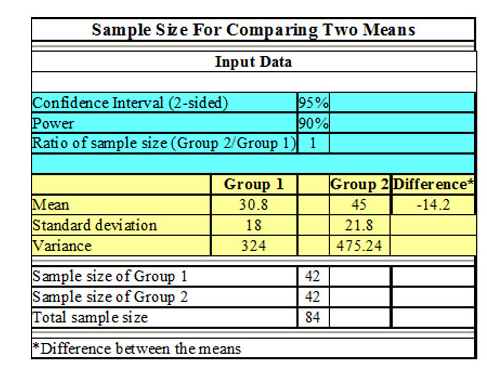
  • Sample size calculation using power analysis
  • Taking into account non-response rate and attrition
  • Balancing statistical significance and feasibility
Assistance in Sampling
  • Assisting in implementation of the sampling techniques
  • Assisting in conducting sampling by the field team or online surveying tool
  • Monitoring of the sampling process and response distribution
Validation and Quality Control of the Sampling
  • Checking whether the sample is representative with respect to the population parameters
  • Handling of sampling issues and correction
  • Applying weightings if needed
Delivering Insights
  • Reporting on the sampling procedure in research papers and publications
  • Delivering insights on sample characteristics and data quality

Expected Outcomes in Using the Services of Sampling Methods

There are a number of expected outcomes to organizations that use professional services in sampling methods.

Expected Outcomes

  • Representative samples reflecting the characteristics of the target population
  • Statistically sound data fit for inference
  • Minimized sampling bias and errors in sample selection
  • Scientifically proven method of sampling
  • Meaningful research outcomes with high credibility and repeatability

Benefits of Statswork in Sampling Methods Services

  • Sampling method specifically designed according to research needs
  • Proper choice of both probability and non-probability sampling techniques
  • Statistically proved sampling frames and methods
  • Affordable and scalable sampling solutions
  • Comprehensive documentation for academic and commercial research

Sampling Research Services in Full Cycle Offered by Statswork

  • Sampling method design and consultancy
  • Sample size determination and power analysis
  • Sampling frame creation and management
  • Sampling execution assistance and monitoring
  • Statistical analysis and research reporting

Industries Where Sampling Methods Services Can Be Applied

  • Health care and clinical research
  • Market research and consumer insights
  • Financial services and risk research
  • Government and policy research
  • Academic and institutional research
  • E-commerce and technological research

Rationale for Selecting Statswork for Sampling Methodology Design

  • Essential expertise of statisticians in sampling across various industries
  • Sample design customized according to the nature of research and population
  • Involvement in wider scope of research services including survey design and data analysis
  • Scientific approach with complete statistical explanation
  • Service ranging from sample design to research report
Success Stories
Insights - Must Read Articles

Data Dictionary Mapping

The medical device industry is about to experience a seismic shift…

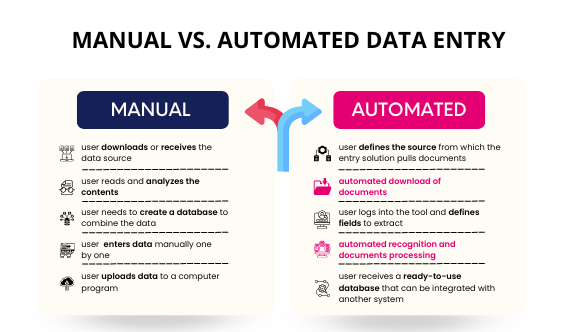
The Next Era of Data Entry

Healthcare is being impacted by two emerging technology tools – AI…

Reduces Errors and Boosts Efficiency

As organizations utilize changing data in the digital world, so is the data entry….

Frequently Asked Questions

1. What are sampling methods in research?

Sampling methods are systematic procedures used to select a representative subset of individuals or data points from a target population, enabling research findings to be generalized with statistical confidence.

2. How do you determine the most appropriate sampling method for a study?

The selection of a sampling method depends on the research objectives, population characteristics, available sampling frame, budget, and required level of statistical precision. Our experts assess all these factors before recommending a method.

3. What is the difference between probability and non-probability sampling?

Probability sampling gives every unit in the population a known chance of selection, supporting generalizable and inferential findings. Non-probability sampling is used when random selection is not feasible, often in qualitative or exploratory research.

4. Can sampling methods be customized for specific industries or research designs?

Yes, all sampling strategies are fully customized based on your research context, target population, industry requirements, and study objectives.

5. Do you provide sample size calculation alongside sampling method design?

Yes, we integrate sample size determination and power analysis as part of our comprehensive sampling method services to ensure statistical adequacy.

6. How is the quality and representativeness of the sample validated?

We apply statistical validation techniques including sampling error assessment, demographic proportionality testing, and post-stratification adjustments to ensure that the selected sample accurately reflects the target population.

Ready to Build a Stronger Research Foundation?

Partner with Statswork’s sampling experts to design statistically validated sampling strategies that deliver accurate, representative, and actionable research outcomes.