



Evidence-Based Meta-Analysis Research Support
We offer help with quantitative meta-analysis and qualitative meta-analysis for systematic reviews and medical research. We have experts who will help you in your research involving quantitative meta-analysis, statistics, and meta-analysis versus systematic reviews.
Quantitative Meta-Analysis and Evidence Synthesis Support
Quantitative meta-analysis merges information drawn from different research to enable researchers to make reliable and evidence-based inferences via our professional research assistance services. The role of quantitative meta-analysis in research is the use of statistics to merge data obtained from individual research effectively to achieve synthesis and obtain reliable research results.
Systematic review and meta-analysis are examples of quantitative meta-analysis that can be applied in various forms of scientific, academic, and medical research.
Our company also provides qualitative meta-analysis to help in interpretation-based analysis and synthesis of information. Distinguishing between meta-analysis and systematic review enables researchers to know how to go about their research and identify the best approach.
Our professionals at Statswork have expertise in quantitative meta-analysis qualitative research, evidence synthesis, and more.
Summary and Significance of Quantitative Meta-Analysis Services
The process involved in conducting quantitative meta-analysis is by combining results obtained from independent research studies to come up with sound conclusions. Practice assists scholars in developing valid and evidence-based findings in academic and scientific fields of studies.
Introduction to Quantitative Meta-Analysis Services
Quantitative meta-analysis in research refers to the process of systematically collecting, analyzing, and synthesizing information in various studies to have a complete overview of a research problem. Methods used in quantitative meta-analysis are common in systematic reviews and synthesis of evidence. We offer expert services on quantitative meta-analysis and qualitative meta-analysis to assist researchers in comprehending how to differentiate meta-analysis and systematic review approaches, and whether to employ qualitative or quantitative systematic review and meta-analysis.
The Stages in Our Meta-Analysis Services Include:- Identifying research goals and selecting research studies
- Performing systematic literature searches and selecting studies
- Data extraction and analysis
- Model building and statistical analysis
- Heterogeneity and publication bias testing
- Analyzing results and preparing reports
In Statswork, our expert assistance is available on quantitative meta-analysis qualitative research, evidence synthesis, and analysis.

Quantitative Meta-Analysis Services Objective
The purpose of conducting quantitative meta-analysis is to combine results from several studies to arrive at precise results. In the absence of quantitative meta-analysis, the results will be inconsistent and unreliable. By availing our meta-analysis services such as quantitative meta-analysis and qualitative meta-analysis, you will be able to synthesize data, improve the precision of research results and avoid biases by conducting systematic reviews. It is essential to know about the differences between meta-analysis and systematic review during research.
Our Meta-Analysis Services for You:
- Help you to synthesize results from various research studies
- Improve the precision of your research results
- Find out any trends contradictions in research results
- Enable evidence-based decision making from credible results
- Avoid biases in research results by conducting systematic reviews
Statswork provides professional support for systematic review and meta-analysis for both qualitative and quantitative research.

We provide quantitative meta-analysis services that incorporate sophisticated statistical methods for the combination and analysis of data from several scientific research.
Fixed Effect Meta-Analysis
- Combine the findings of comparable research on methodology and populations.
- Calculate pooled effect sizes through fixed-effect statistical analysis.
- Make evidence-based findings from accurate research.
Network Meta-Analysis
- Analyze multiple treatments or interventions simultaneously.
- Compare treatments directly or indirectly.
- Facilitate decision-making in the field of health care.
Bayesian Meta-Analysis
- Employ the Bayesian method in synthesizing evidence.
- Use previous findings from research in statistical analysis.
- Enhance the accuracy of decision-making based on the findings.
Random Effects Meta-Analysis
- Conduct a metal analysis on a set of heterogeneous research findings.
- Analyze heterogeneity in the studies.
- Derive generalized findings by employing random effects.
Quantitative Data Collection
- The design and implementation of quantitative research surveys, questionnaires and measurement instruments based upon quantitative research methodology
- Enables the collection of accurate and reliable quantitative data for statistical analysis.
Quantitative Analysis
- Application of statistical techniques for the advanced analysis of quantitative data
- Provides the basis of developing both valid and reliable outcomes based upon evidence-based decisions from the analysis of quantitative data.
Our Industries
Statswork offers Evidence-Based Meta-Analysis Research Support including literature reviews, data synthesis, effect size analysis, and statistical interpretation for accurate research outcomes.
Appropriate statistical methods are needed to integrate information from various studies and draw scientific conclusions within quantitative meta-analysis. At StatsWork, relevant statistical methods are applied to data integration, heterogeneity assessment, publication bias identification, and effect size calculation for quantitative meta-analysis.
Heterogeneity Assessment for Quantitative Meta-Analysis
The heterogeneity assessment process aids in determining the variance between different studies within quantitative meta-analysis.
Methods Used:
- Cochran's Q test
- I2 statistic
- Tau-squared (T2) statistic
- Forest plot analysis

Publication Bias Assessment for Quantitative Meta-Analysis
Publication bias analysis determines the presence of publication bias or selection bias regarding the reporting of studies within meta-analysis.
Methods Used:
- Funnel plot analysis
- Egger’s regression analysis
- Begg’s rank correlation test
- Trim and fill method

Effect Size Calculation for Quantitative Meta-Analysis
The process of effect size calculation involves calculating the size of effects within various studies in quantitative meta-analysis.
Methods Used:
- Standardized mean difference (SMD)
- Odds ratio (OR)
- Risk ratio (RR)
- Mean difference (MD)

Statswork uses advanced software and tools for conducting accurate quantitative meta-analysis research.
R / Python
- Computations and modeling for quantitative meta-analysis
- Forest plot, funnel plot, and data visualization
- Data extraction, computations, and evidence synthesis
SPSS / SAS
- Models and pooling of data
- Effect size and data transformations
- Quantitative meta-analysis of large-scale datasets
Quantitative Meta-Analysis Tools & Methods
- Comparative analysis and data synthesis
- Tests for heterogeneity and effect sizes
- Validation and interpretation of pooled data
Statswork Process of Conducting Quantitative Meta-Analysis
In our company, we use an organized process of carrying out quantitative meta-analysis in a manner that guarantees reliability and accuracy for academic, medical, and other research purposes.
Selection of Relevant Research Studies
- Collection of research articles from databases
- Applying inclusion and exclusion criteria
- Identifying relevant research studies
Data Collection and Coding
- Quantitative data collection
- Variable coding and outcome
- Creating datasets for analysis
Assessment of Quality and Screening
- Assessment of study quality and methods
- Screening and detection of inconsistencies/bias
- Research reliability assessment
Analysis Using Statistical Models
- Effect size calculation and pooling
- Fixed effects and random effects models
- Heterogeneity and sensitivity analyses
Bias Detection and Verification
- Detection of publication bias
- Funnel plot and regression analysis
- Verification of research findings
Interpretation of Results
- Interpretation of findings of meta-analysis
- Synthesis of evidence and drawing conclusions
- Creating publication papers
Expected Results from Quantitative Meta-Analysis Services
Organizations that utilize the expertise of quantitative meta-analysis services receive valid evidence synthesis and better research outcomes.
Expected Results from Quantitative Meta-Analysis
- Combining several research studies
- Increased statistical power and research accuracy
- Valid conclusions based on evidence to aid in decision-making
- Discovery of research gaps and trends
- Increased credibility of research results
Advantages of Statswork's Quantitative Meta-Analysis Services
- Skilled management of intricate research data sets
- Use of sophisticated statistical software and models
- Lessened bias in analysis through a systematic approach
- Precise interpretation of the combined results of research studies
- Swift and published-ready research assistance
Integrated Research Assistance Offered by Statswork
- Help with systematic literature review
- Data extraction and coding assistance
- Sophisticated statistical modeling and analysis
- Finding interpretation and presentation
- Research assistance for academics and businesses
Sectors Reaping the Benefits of Quantitative Meta-Analysis
- Health care and medical sciences
- Pharmaceutical and clinical trials
- Management and business sciences
- Social sciences and education
- Public policy and government sciences
Why Choose Statswork for Quantitative Meta-Analysis?
- Expert team of statisticians
- Latest technologies for quantitative meta-analysis in research
- Precision and evidence-based analysis
- Tailored solutions for research studies
- Quality-driven and prompt service delivery
PhD Scholar
Research Analyst
Data Dictionary Mapping
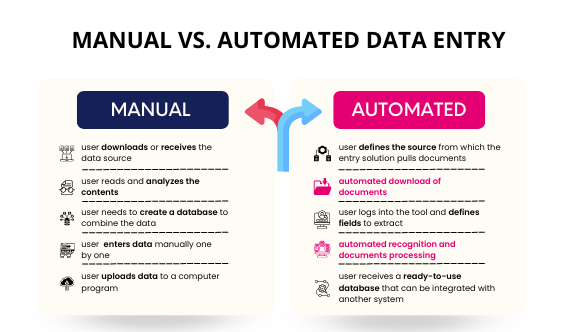
The Next Era of Data Entry
Reduces Errors and Boosts Efficiency
Frequently Asked Questions
1. What does Statswork provide in quantitative meta-analysis services?
Statswork provides complete quantitative meta-analysis support, including systematic literature review, data extraction, effect size calculation, statistical modeling, and evidence synthesis for research studies.
2. Does Statswork assist with systematic review and quantitative meta-analysis?
Yes, Statswork offers support for systematic review and quantitative meta-analysis using PRISMA-based methodologies, study screening, and advanced statistical analysis.
3. What statistical methods does Statswork use in quantitative meta-analysis?
We use fixed effects models, random effects models, heterogeneity testing, publication bias assessment, forest plot analysis, and effect size estimation for accurate quantitative meta-analysis.
4. Can Statswork help with medical and healthcare quantitative meta-analysis research?
Yes, we provide quantitative meta-analysis services for medical, clinical, pharmaceutical, and healthcare research studies with evidence-based data synthesis and interpretation.
5. Does Statswork provide data extraction and coding for meta-analysis?
Yes, our experts perform data extraction, variable coding, dataset preparation, and quality assessment for quantitative meta-analysis research projects.
6. Which software does Statswork use for quantitative meta-analysis?
Statswork uses advanced tools such as R, Python, SPSS, SAS, RevMan, and other statistical software for quantitative meta-analysis and evidence synthesis.
Evidence-Based Meta-Analysis Research Support
Providing expert assistance in systematic reviews, data analysis, and evidence-based research interpretation.