
Q & A
Data Analysis
Q: What are the Important Responsibilities of Data Analyst?

1. Data Collection:
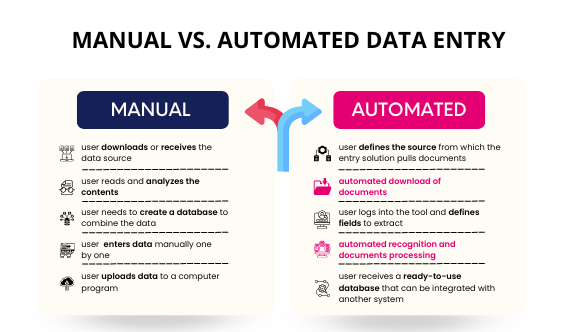
Obtain information from several different outlets like requests, databases, surveys and by using APIs; make sure that all data collected is relevant and complete (APIs provides a way to access databases).
2. Data Cleaning:
Data must be cleaned prior to analysis by getting rid of junk (providing clean look-a-like data) as well as fixing inconsistencies, missing values, and any errors associated with the data (In other words once you get rid of all of the garbage data that was in your database, replace the garbage with cleaned data).
3. Data Analysis:
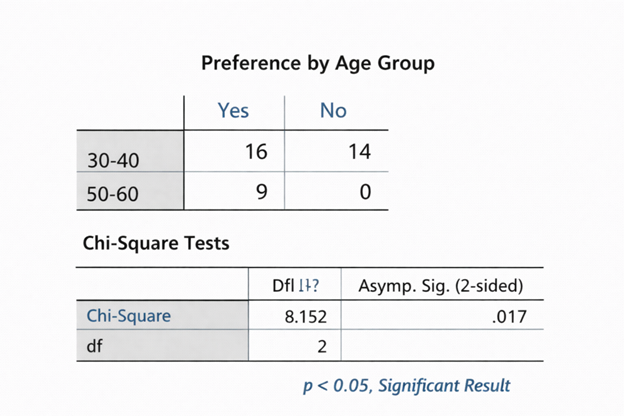
Use statistics to analyze collections of information, determine trends, patterns, or correlations, and draw conclusions from the analysis of the information.
4. Data Visualization:
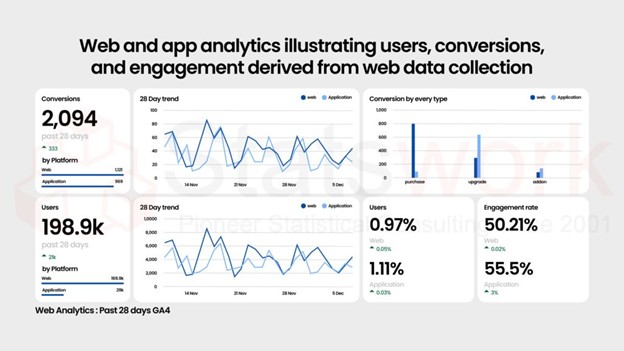
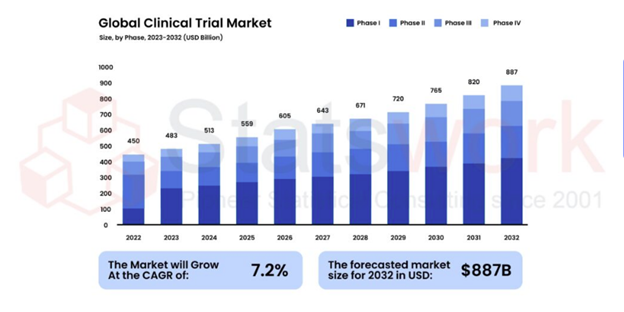
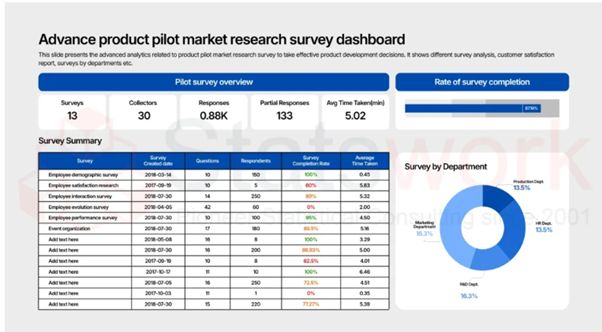
Use of charts (including bar charts), graphs (both histogram and pie), and dashboards to summarize complex data into simple visuals.
5. Reporting and Presenting Results:
Convey results and understanding of the data collected using either report format or visual presentation format to support decision making.
6. Collaboration:
Partnering with other departments (marketing, finance, IT, etc.) to determine data needs to develop business strategies.
7. Data Management:
The management of Data means that the data is stored, organised, and retrieved in an orderly, safe manner so that it is secure and private.
8. Predictive Models:
Historical data was used to create models and statistical measures to assist in predicting future events (forecasts) and estimating what the likely effects of a given event would have been if that event would have occurred.
9. Tools Proficiency:
Being able to use tools such as SQL, Python, R, Tableau, or Excel to manipulate, analyse and visualise your data.
10. Data Accuracy:
To verify data integrity, organizations must verify their data’s accuracy on an ongoing basis to ensure that all decisions are made upon quality information.