
- Services
- Data Analysis services
- Sample Work
Data Analysis services
- Secondary Qualitative Research Services
- Secondary Quantitative Research Services
- Meta-Analysis Research services
- Sample Work
Meta-Analysis Research Services
- Data Collection Services
- Sample Work
Data Collection Services
- Statistical & Biostatistics services
- Sample Work
Statistical Programming & Biostatistics services
- Data Management Services
- Sample Work
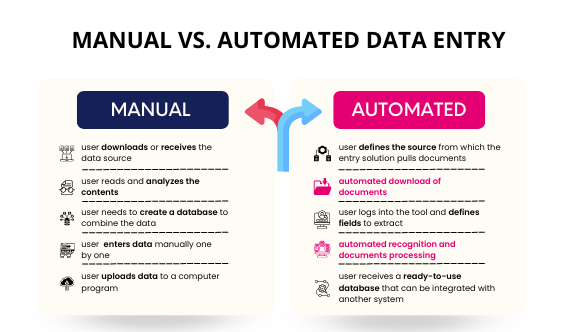
Data Management Services
- Research methodology services
- Sample Work
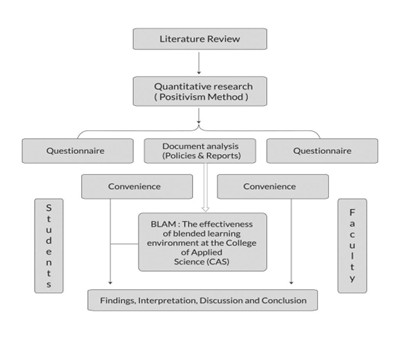
Research methodology services
- Tool Development Services
- Sample Work
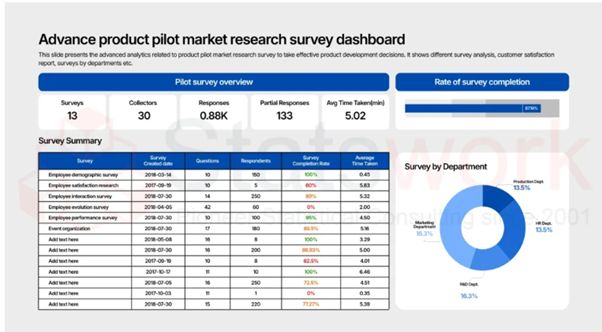
Tool development services
- Statistical Interpretation services
-
Statistical Interpretation services
- Sample Work
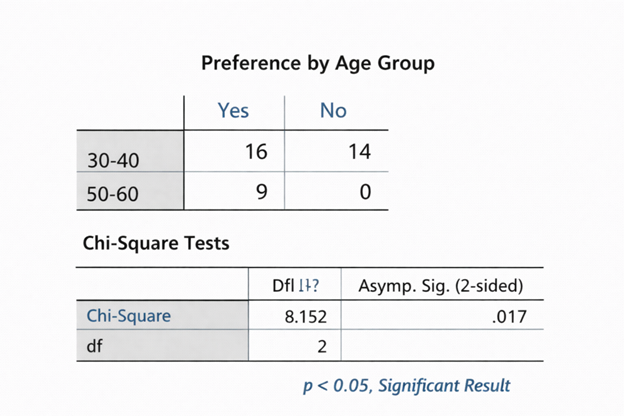
Statistical Interpretation services
-
- Sample Size Calculation Services
-
Sample Size Calculation Services
- Sample Work
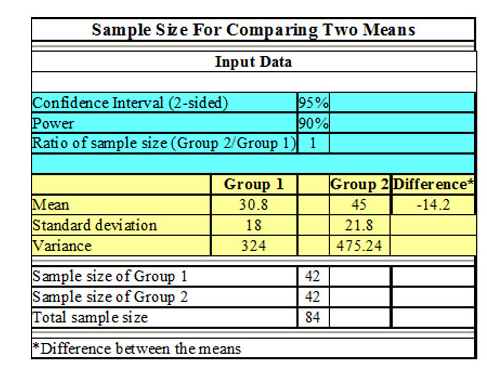
Sample Size Calculation Services
-
- AI & ML Services
-
Artificial Intelligence and Machine Learning Services
- Sample Work
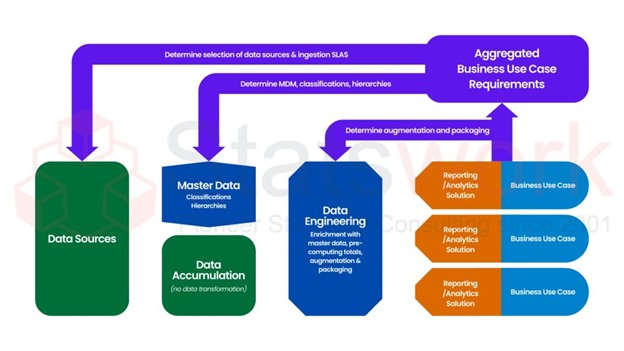
Artificial Intelligence and Machine Learning Services
-
- Meaningful Visualization Services
- Thought Leadership Services
- Report Generation Services
-
Report generation Service
- Sample Work
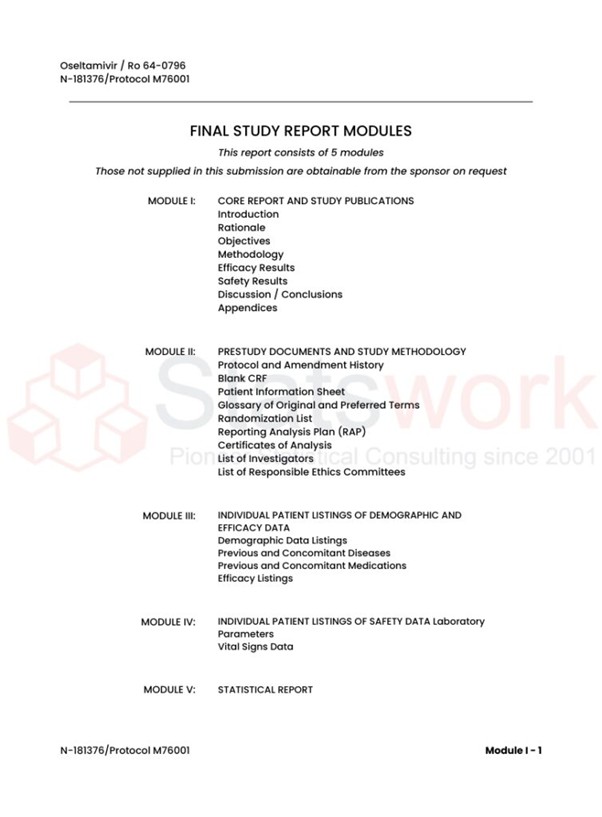
Report generation Services
-
- Data Analysis services
- Industries
- About Us
- Blog
- Insights
- Contact Us
- Services
- Data Analysis services
- Sample Work
Data Analysis services
- Secondary Qualitative Research Services
- Secondary Quantitative Research Services
- Meta-Analysis Research services
- Sample Work
Meta-Analysis Research Services
- Data Collection Services
- Sample Work
Data Collection Services
- Statistical & Biostatistics services
- Sample Work
Statistical Programming & Biostatistics services
- Data Management Services
- Sample Work
Data Management Services
- Research methodology services
- Sample Work
Research methodology services
- Tool Development Services
- Sample Work
Tool development services
- Statistical Interpretation services
-
Statistical Interpretation services
- Sample Work
Statistical Interpretation services
-
- Sample Size Calculation Services
-
Sample Size Calculation Services
- Sample Work
Sample Size Calculation Services
-
- AI & ML Services
-
Artificial Intelligence and Machine Learning Services
- Sample Work
Artificial Intelligence and Machine Learning Services
-
- Meaningful Visualization Services
- Thought Leadership Services
- Report Generation Services
-
Report generation Service
- Sample Work
Report generation Services
-
- Data Analysis services
- Industries
- About Us
- Blog
- Insights
- Contact Us
Custom Research Tool Development for CROs: Improving Data Quality and Study Efficiency
Qualitative Research Service
News & Trends
Recommended Reads
Contact us
Summary:
The process of development of the research tool is beneficial for Contract Research Organizations (CROs) in the improvement of the quality of data, smooth running of workflow in the clinical trials, and meeting regulatory requirements. Unlike software products that are used in general practice, the research tools that are customized are more adaptive and compatible with other systems and could do real-time analysis as per the requirements of a particular protocol.
The Contract Research Organization (CRO) works in a world where data integrity, regulatory compliance, and time schedules directly influence its bottom line. Clinical research software available out-of-the-box usually puts CROs in a box where they cannot adjust their process flow in alignment with their research protocol, specialization, or client needs. Here customization of research tools comes in handy for CROs to enhance data integrity and speed up clinical trials [1].
Why CROs Need Custom Research Tools
Generic CTMS systems and EDC systems are designed for maximum flexibility of application. Many times, CROs dealing with multisite, multiphase, or therapy-specific trials run into the following challenges:
- Rigid data fields that do not fit with protocol-specific endpoints
- Lack of compatibility with sponsor systems, EHR systems, and laboratory information feeds
- Data reconciliation processes prone to errors and delays
- Late reporting due to lack of custom report dashboards
- Non-compliance with audit and validation trail requirements [2]
By creating custom solutions, you will address these issues, because you will be able to tailor the software architecture to your specific operational and regulatory needs.
Core Benefits of Custom Research Tool Development
| Benefits | Consequence on CRO Operations |
| Data accuracy | Reduces the number of queries and minimizes data cleaning cycles. |
| Study timeline automation | Streamlines data collection, monitoring, and reporting throughout the study. |
| Compliance | Supports compliance with 21 CFR Part 11, GCP, and HIPAA regulations through automated processes. |
| Scalability | Efficiently supports multi-center and multi-country clinical studies. |
| Real-time analysis | Enables faster, data-driven decision-making for study sponsors. |
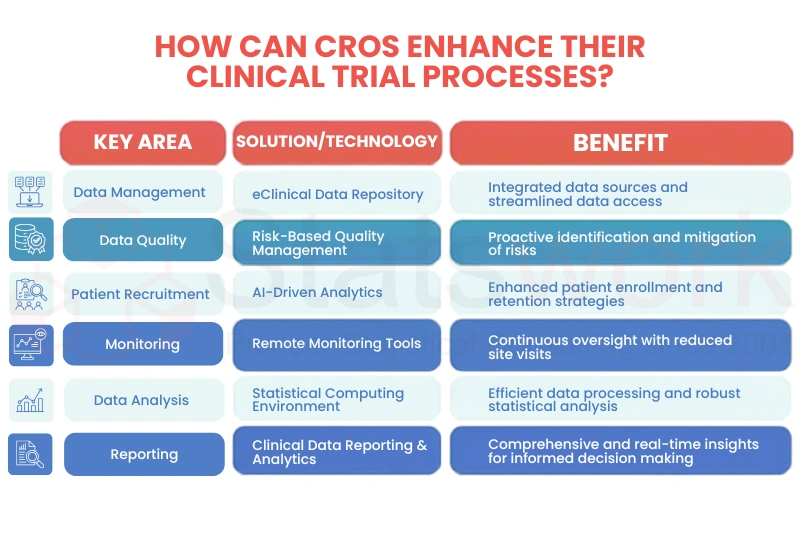
Key Components of a Custom Clinical Research Tool
A well-designed custom research tool for CROs typically includes the following modules:
- Electronic Data Capture (EDC): Protocol-specific eCRFs with inline validation
- Clinical Trial Management System (CTMS): Site monitoring, milestone management, and resource management
- Randomization and Trial Supply Management (RTSM): Automated drug management and tracking [3]
- Integration With Statistical Analysis Tools: Automatic integration with statistical analysis tools (SAS, R, or Python)
- RBM Dashboard: View all issues at the sites and data performance
- Audit Log: Automatic audit log for FDA, EMA, and ICH-GCP audits
How Custom Tools Improve Data Quality
Data quality becomes the most crucial factor for the credibility of clinical trials and time taken for regulatory approval. Our custom research tools ensure better data quality via:
- Data validations are based on protocol which helps in identifying any mistake immediately after its occurrence
- Data checks which automatically identify any mistake, hence decreasing the need for query processing [4]
- Standardization of data in CDISC, SDTM and ADaM format through software
- Data storage in central data repository without any version-control issues
- Anomaly identification using AI technology before database lock
This will decrease the rate of queries on an average basis compared to other generic EDCs.
Improving Study Efficiency Through Automation
Improvements in efficiency through the development of custom research tools usually derive from:
- Workflow automation: Site activation and patient recruitment process is triggered automatically rather than manually
- Concentrated communication: Sponsors, sites, and CRAs rely on a single point of information rather than e-mail communication
- Predictive analytics: Forecasting the process of enrollment and site performance modeling allows for resource redeployment [3]
Generally, CROs which operate on custom-developed software usually demonstrate faster site activation, fewer protocol deviations, and shorter database lock time frames in comparison with CROs that use commercial off-the-shelf software.
Build vs. Buy: What CROs Should Consider
| Factor | Purchased Software | App Developed by CRO/Sponsor |
| Time to Setup | Faster setup and deployment | Requires more time for development and testing |
| Flexibility | Less flexible with limited customization | Highly flexible and tailored to specific study needs |
| Long-Term Cost | Recurring licensing and subscription costs | Lower long-term costs after initial development |
| Regulatory Compliance Fit | Includes general compliance modules | Built specifically to meet regulatory requirements |
| Data Ownership | Data is managed through the software provider | Data remains under the ownership of the sponsor or CRO |
For CROs managing recurring, complex, or therapeutic-specific studies, custom development consistently delivers stronger long-term ROI than repeated licensing of generic platforms.
Conclusion
Data quality and study efficiency are no longer optional differentiators for CROs — they are the foundation of sponsor trust and regulatory success. Investing in custom research tool development allows CROs to move beyond the limitations of generic clinical trial software and build systems that match their exact operational, therapeutic, and compliance needs.
Statswork specializes in helping CROs and clinical research teams design and implement custom research tools that improve data accuracy, streamline trial workflows, and accelerate study timelines. Our Clinical Research Data Management and Custom Tool Development services are built to help CROs achieve faster, more reliable, and fully compliant clinical trial outcomes.
Partner with Statswork to build research tools engineered for precision, compliance, and efficiency — designed specifically for your CRO’s clinical research needs.
Frequently asked question:
Data quality in research is maintained by using validated data collection tools, following standardized protocols, and implementing regular quality checks throughout the study. Consistent data cleaning, verification, and documentation help ensure that research findings are accurate, reliable, and reproducible.
Data quality in clinical trials is ensured through protocol-based data collection, electronic data capture (EDC) systems, real-time validation checks, and continuous monitoring. Regular audits, staff training, and compliance with Good Clinical Practice (GCP) guidelines further improve data integrity and reliability.
Yes, central statistical monitoring improves data quality by identifying unusual data patterns, protocol deviations, and potential errors across study sites. It enables early detection of risks, supports risk-based monitoring, and enhances the overall reliability of clinical trial data.
Artificial intelligence (AI) and machine learning are emerging technologies that help ensure data integrity in clinical trials by detecting anomalies, identifying inconsistencies, and automating quality checks. Blockchain technology is also gaining attention for providing secure and tamper-resistant data management.
The seven components of data quality are accuracy, completeness, consistency, validity, timeliness, uniqueness, and reliability. Together, these dimensions ensure that data is fit for analysis, decision-making, and regulatory compliance.
Many clinical trials fail due to poor patient recruitment, inadequate study design, insufficient efficacy, safety concerns, or operational challenges. High-quality data management, effective trial planning, and regulatory compliance help reduce the risk of trial failure.
Reference
- de la Peña, A., Fiedler-Kelly, J., Humphrey, R. L., & Barrett, J. S. (2025). Improvements in Data Quality Can Boost Efficiency and Reduce Development Costs: A Pharmacometric CRO’s Perspective. The AAPS Journal, 28(1), 28. https://link.springer.com/article/10.120
- AlSalehy, A. S., & Bailey, M. (2025). Improving time series data quality: Identifying outliers and handling missing values in a multilocation gas and weather dataset. Smart Cities, 8(3), 82.https://www.mdpi.com/2624-6511/8/3/82
- Liu, J., Wang, W., Li, J., Mustafa, G., Su, X., Nian, Y., … & Li, X. (2025). UAV remote sensing technology for wheat growth monitoring in precision agriculture: Comparison of data quality and growth parameter inversion. Agronomy, 15(1), 159. https://www.mdpi.com/2073-4395/15/1/159
- Rodriguez-Marin, M., & Orozco-Alatorre, L. G. (2025). Advancing pediatric growth assessment with machine learning: overcoming challenges in early diagnosis and monitoring. Children, 12(3), 317. https://www.mdpi.com/2227-9067/12/3/317