
- Services
- Data Analysis services
- Sample Work
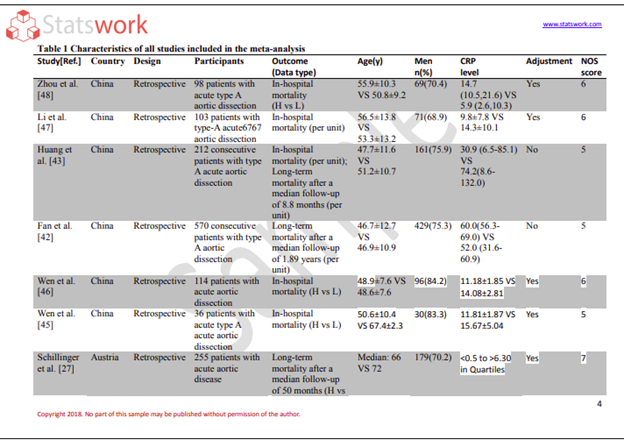
Data Analysis services
- Secondary Qualitative Research Services
- Secondary Quantitative Research Services
- Meta-Analysis Research services
- Sample Work
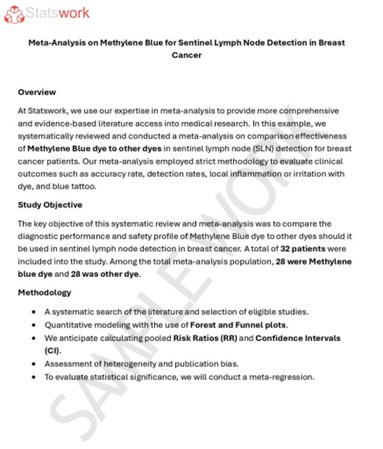
Meta-Analysis Research Services
- Data Collection Services
- Sample Work
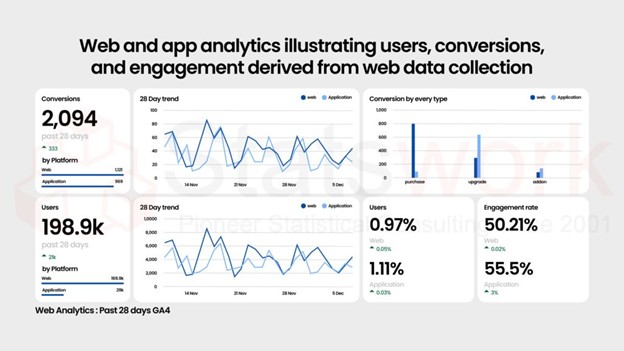
Data Collection Services
- Statistical & Biostatistics services
- Sample Work
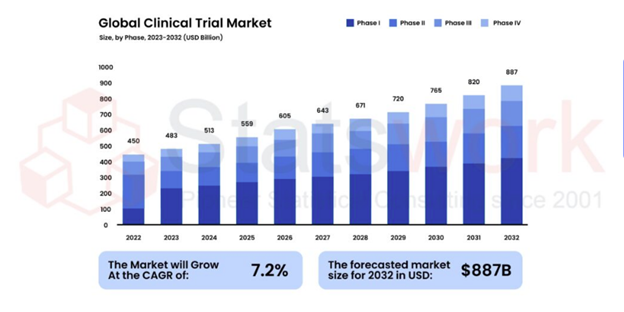
Statistical Programming & Biostatistics services
- Data Management Services
- Sample Work
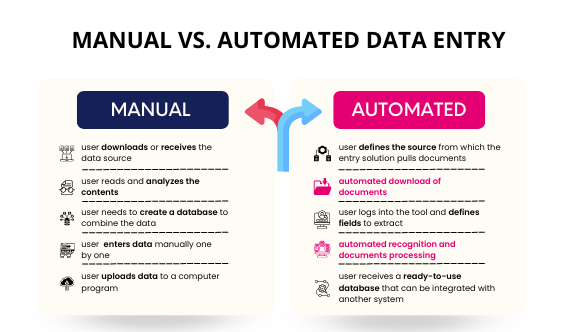
Data Management Services
- Research methodology services
- Sample Work
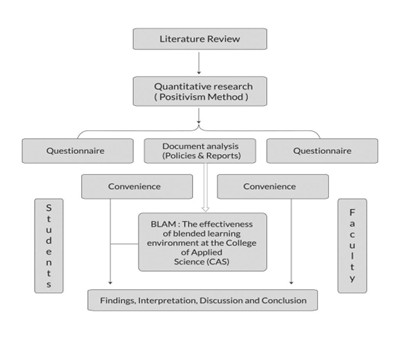
Research methodology services
- Tool Development Services
- Sample Work
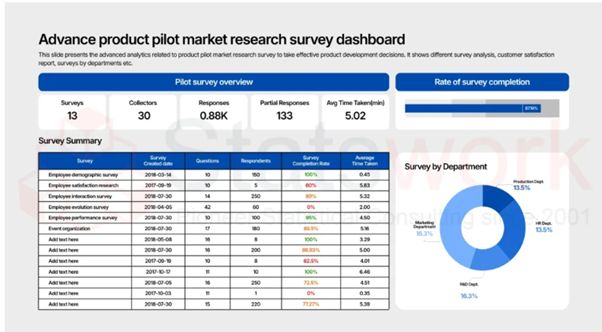
Tool development services
- Statistical Interpretation services
-
Statistical Interpretation services
- Sample Work
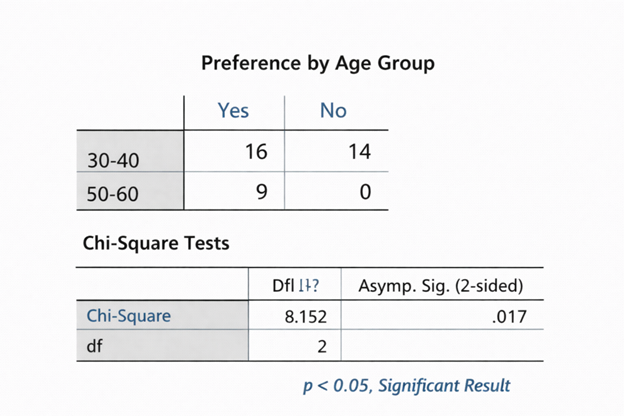
Statistical Interpretation services
-
- Sample Size Calculation Services
-
Sample Size Calculation Services
- Sample Work
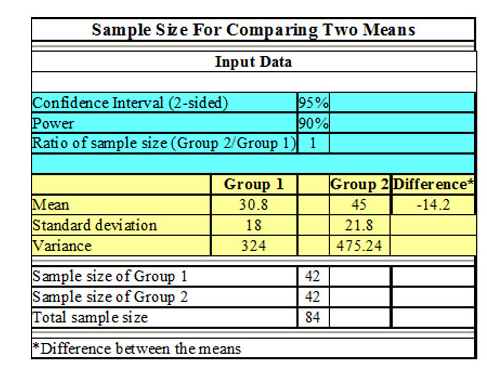
Sample Size Calculation Services
-
- AI & ML Services
-
Artificial Intelligence and Machine Learning Services
- Sample Work
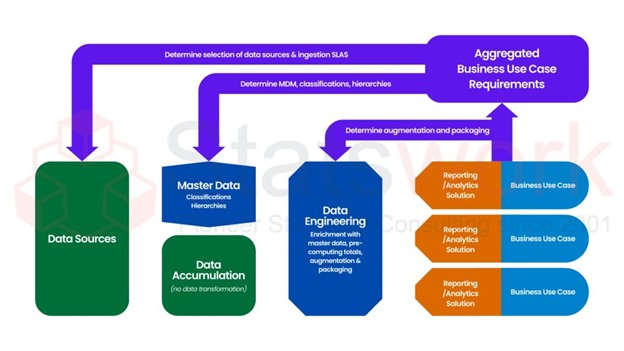
Artificial Intelligence and Machine Learning Services
-
- Meaningful Visualization Services
- Thought Leadership Services
- Report Generation Services
-
Report generation Service
- Sample Work
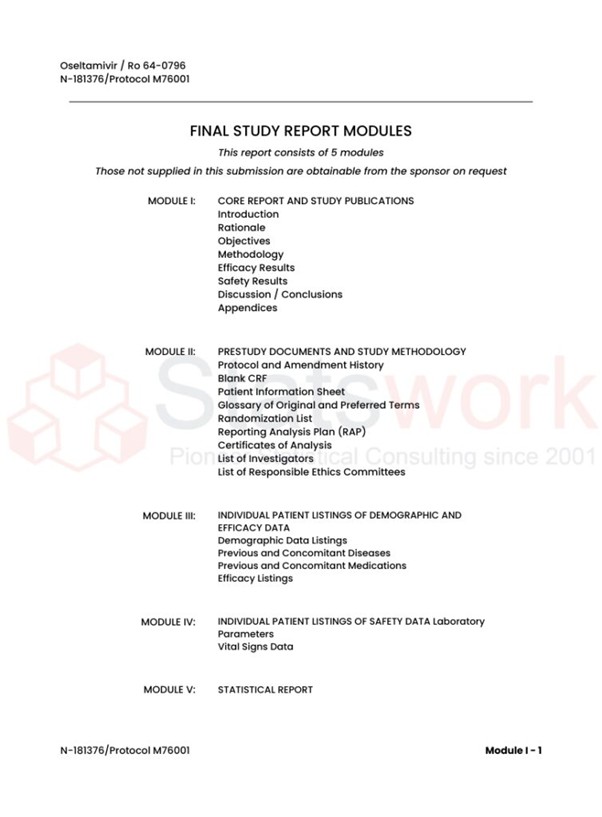
Report generation Services
-
- Data Analysis services
- Industries
- About Us
- Blog
- Insights
- Contact Us
- Services
- Data Analysis services
- Sample Work
Data Analysis services
- Secondary Qualitative Research Services
- Secondary Quantitative Research Services
- Meta-Analysis Research services
- Sample Work
Meta-Analysis Research Services
- Data Collection Services
- Sample Work
Data Collection Services
- Statistical & Biostatistics services
- Sample Work
Statistical Programming & Biostatistics services
- Data Management Services
- Sample Work
Data Management Services
- Research methodology services
- Sample Work
Research methodology services
- Tool Development Services
- Sample Work
Tool development services
- Statistical Interpretation services
-
Statistical Interpretation services
- Sample Work
Statistical Interpretation services
-
- Sample Size Calculation Services
-
Sample Size Calculation Services
- Sample Work
Sample Size Calculation Services
-
- AI & ML Services
-
Artificial Intelligence and Machine Learning Services
- Sample Work
Artificial Intelligence and Machine Learning Services
-
- Meaningful Visualization Services
- Thought Leadership Services
- Report Generation Services
-
Report generation Service
- Sample Work
Report generation Services
-
- Data Analysis services
- Industries
- About Us
- Blog
- Insights
- Contact Us
What Is Mixed Methods Research? Understanding Design, Validity, and Reliability
Qualitative Research Service
News & Trends
Recommended Reads
Contact us
Summary:
Mixed methods research methodology employs qualitative and quantitative research methods to gain a more in-depth understanding of complicated issues in businesses. Qualitative research methodology, while explaining the underlying cause, experience and context of the finding, explains the trend, pattern and relationship that are measured using quantitative methodology in terms of numbers. An appropriate mixed methods research study incorporates both the methods in an integrated manner by means of concurrent or sequential research designs. The maintenance of the validity and reliability of the study necessitates proper planning, correct sampling, proper data collection and integration of the findings. Though mixed method research studies consume more time, money and expertise as compared to single method research, they yield deeper findings. Research consulting services help to produce high-quality research findings.
Introduction
A single perspective does not paint the entire picture when an organization depends on its data in making strategic decisions. Numbers provide insights into what is going on, but only humans can provide explanations for it. Mixed methods research is where the value lies because it involves a research method where both qualitative and quantitative methods of research are incorporated in a single research effort [1].
It is important for B2B teams seeking to assess the market opportunities, product performance, customer experiences, and operations risks, understanding how mixed methods of research design work and how the validity and reliability of such a design are guaranteed. The present article will look at some basics of mixed methods research, important considerations regarding the design, and validity and reliability concerns.
Defining Mixed Methods Research
Mixed method research is an approach to conducting research whereby quantitative and qualitative methodologies are deliberately combined in one research design. The methodologies are not seen as alternative approaches to conducting research but complementary approaches.
| Aspect | Quantitative Research | Qualitative Research |
| Type of Data | Numbers and measurable values | Descriptions and experiences |
| Methods Used | Surveys, experimentation, statistics | Interviews, focus groups, case studies |
| Methods of Analysis | Regression, correlation, ANOVA, t-test | Content analysis, thematic analysis, narrative analysis |
| Key Strength | Pattern recognition, scale, and measurability | Context, reasoning, and nuanced insights |
| Application Example | Measuring the adoption rate of a new product across different geographic locations | Understanding why people in a specific geographic location resist adopting the product |
Data for one of the strands may be acquired through different sources:
- Collection — systematic surveys or interviews conducted for the research purpose [2]
- Observation — observing the behavior in natural/controlled environment
- Controlled experiment – conducting tests with the intervention and control groups
- Simulation – evaluating outcomes based on various conditions
Primary data is obtained directly by the organization (interviews, questionnaires), whereas secondary data is gathered from outside sources – surveys within the industry, government data, third-party data bases.
Research Design: Structuring the Study
Every mixed methods design decision starts with the research problem and the study’s objectives. Two structural patterns dominate:
| Design Types | How This Works |
| Concurrent (Convergent) | Qualitative and quantitative data are collected simultaneously and analyzed together to provide integrated insights. |
| Sequential | The results from the first phase of data collection guide the design and execution of the second phase. |
The choice will depend on what has been determined about the problem up to this point:
- Less information previously known → use qualitative methods first (such as grounded theory, phenomenological research, narrative research)
- Confirmation purpose of the study → employ quantitative methods first (like hypothesis testing, regression analysis, correlation analysis), and use qualitative approaches to interpret findings [3]
Integration is what makes mixed methods of research distinct from two research being conducted concurrently. This can occur at one of the following three stages:
- During data gathering process → connecting the surveyed with the interviewed participants
- During data analysis stage → performing cross-tabulations of survey variables with interview codes
- During the interpretation stage → employing thematic or content analysis to interpret statistical findings
Why Design Rigor Matters for Validity
Validity refers to whether a study measures what it claims to measure, and whether its conclusions can reasonably be generalized. It needs to be assessed for each strand separately, then for the integration itself.
| Strand | Threats to Validity | Example |
| Quantitative | Poor sampling, inaccurate measurement, or incorrect application of statistical methods. | Surveying only current customers when the objective is to understand why prospective customers do not make a purchase. |
| Qualitative | Interviewer bias, poor coding practices, or an inappropriate sample size. | Leading interview questions that influence participants’ responses and conclusions. |
Triangulation of results from both strands is one of the best ways to check validity. If a questionnaire finds low levels of satisfaction while the interviews find no complaints regarding the place that is thought to be responsible for this problem, it should serve as a red flag and prompt further research.
Reliability: Consistency You Can Build On
What does reliability ask? Would the research lead to the same result if it was conducted under different circumstances, by different people, at a different time, or on a different set of participants?
- The reliability of quantitative studies can be tested using statistical analysis based on internal consistency and repeatability (such as running the same survey on another sample and obtaining the same result).
- The reliability of qualitative studies can be ensured with coding schemes and protocols and possibly coding of the same transcript material by different coders [3].
It is easy to see how such research is likely to be much more reliable and reproducible than others.
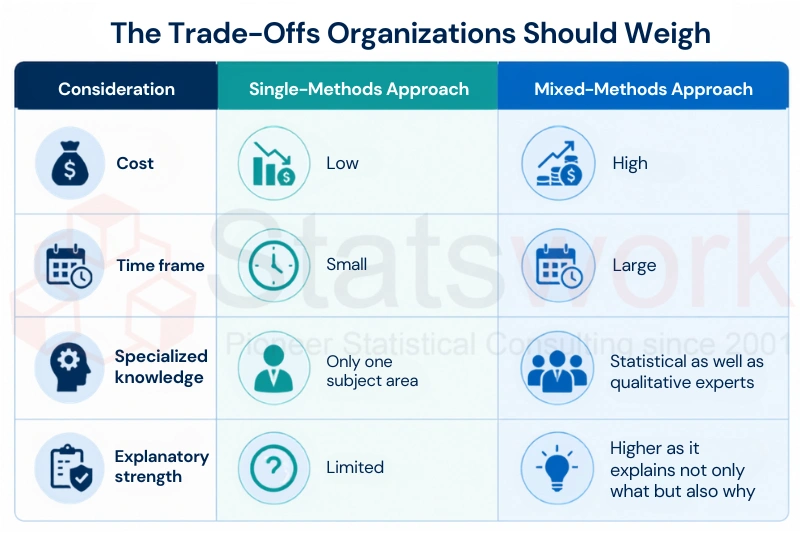
The Trade-Offs Organizations Should Weigh
| Consideration | Single-Methods Approach | Mixed-Methods Approach |
| Cost | Low | High |
| Time Frame | Short | Long |
| Specialized Knowledge | Expertise in one subject area | Requires both statistical and qualitative research expertise |
| Explanatory Strength | Limited | Higher, as it explains both what happened and why it happened |
Where Research Consulting Services Add Value
Since the mixed-methods approach to research involves two separate research methodologies, there are very few internal research teams with adequate knowledge about both. The research consultancy service will help any business organization in the following:
- Research design and sampling
- Development of questionnaires and interview guide
- Qualitative coding and thematic analysis
- Statistics and hypothesis testing [4]
- Presentation of the integrated results in a single report
Thus, for a B2B organization, hiring consultants means reducing risks while carrying out research study, making it actionable for the stakeholders.
Conclusion
Mixed methods research gives organizations something a single-method study rarely can: a complete, evidence-backed answer to a genuinely complex question. Getting there depends on disciplined research design, a clear plan for integrating qualitative and quantitative strands [4], and constant attention to validity and reliability at every stage. For B2B teams making high-stakes decisions, that rigor is what turns a research study from an interesting data point into a finding leadership can act on. Where in-house expertise falls short, experienced research consulting services can bridge the gap — bringing the design discipline needed to make mixed methods of research pay off.
Ready to Make Your Next Research Decision the Right One?
Great decisions aren’t built on guesswork — they’re built on research that gets both the numbers and the narrative right. If your organization is planning a study that needs the full picture — not just data, but the story behind it — our research consulting team can help you design it, run it, and defend it.
Talk to a mixed methods research specialist today and turn your next study into your strongest business case yet.
Frequently asked question:
A mixed-method research design is an approach that combines both qualitative and quantitative research methods in a single study to provide a more comprehensive understanding of the research problem.
The seven basic research methods are surveys, interviews, observations, experiments, case studies, focus groups, and document or archival analysis, each used to collect different types of data.
The four main types of mixed methods research designs are the convergent parallel design, explanatory sequential design, exploratory sequential design, and embedded design.
Validity refers to the accuracy of a research tool in measuring what it is intended to measure, while reliability refers to the consistency of the results when the measurement is repeated under similar conditions.
The four main types of validity in research are content validity, construct validity, criterion validity, and face validity, each assessing a different aspect of the accuracy of a research instrument.
Reliability is the degree to which a research instrument or measurement tool consistently produces stable and dependable results over repeated applications.
Reference
- Oranga, J. (2025). Mixed methods research: Application, advantages and challenges. Journal of Accounting Research, Utility Finance and Digital Assets, 3(4), 370-375. https://jaruda.id/index.php/go/article
- Chen, Y., Tao, L., Zheng, S., Yang, S., & Li, F. (2025). What drives viewers’ engagement in travel live streaming: a mixed-methods study from perceived value perspective. International Journal of Contemporary Hospitality Management, 37(2), 418-443. https://www.emerald.com/ijchm/article
- Bag, S., Rahman, M. S., & Chiarini, A. (2025). Building sustainable supply chain resilience: Insights from a mixed‐method study. Business Strategy and the Environment, 34(2), 2103-2127. https://onlinelibrary.wiley.com/doi/full
- Moskovich, L., & Rozani, V. (2025). Health profession students’ perceptions of ChatGPT in healthcare and education: insights from a mixed-methods study. BMC Medical Education, 25(1), 98. https://link.springer.com/article/10.1186