
- Services
- Data Analysis services
- Sample Work
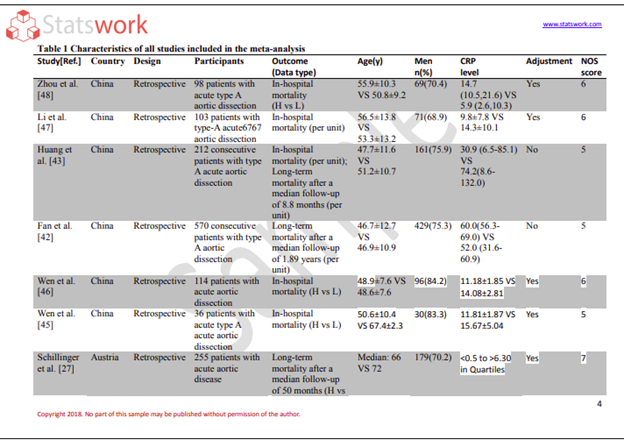
Data Analysis services
- Secondary Qualitative Research Services
- Secondary Quantitative Research Services
- Meta-Analysis Research services
- Sample Work
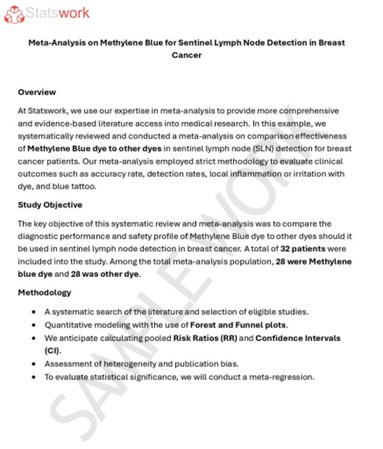
Meta-Analysis Research Services
- Data Collection Services
- Sample Work
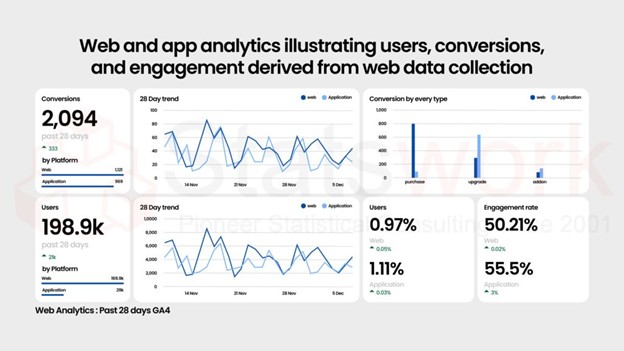
Data Collection Services
- Statistical & Biostatistics services
- Sample Work
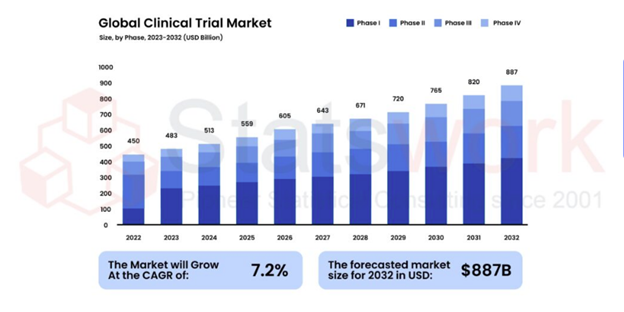
Statistical Programming & Biostatistics services
- Data Management Services
- Sample Work
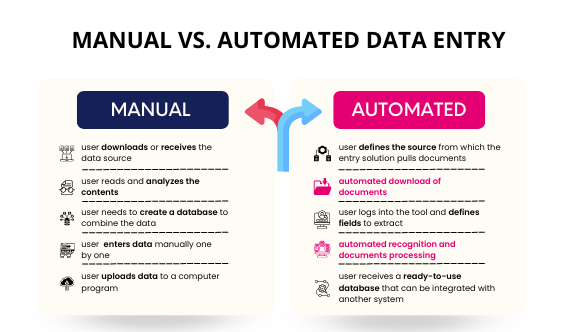
Data Management Services
- Research methodology services
- Sample Work
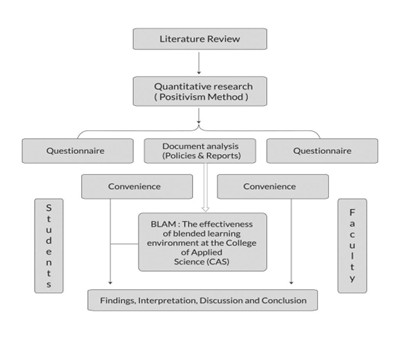
Research methodology services
- Tool Development Services
- Sample Work
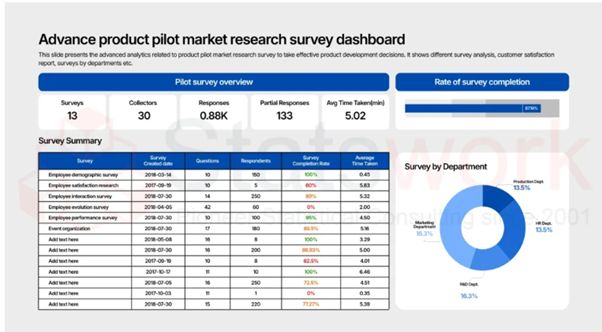
Tool development services
- Statistical Interpretation services
-
Statistical Interpretation services
- Sample Work
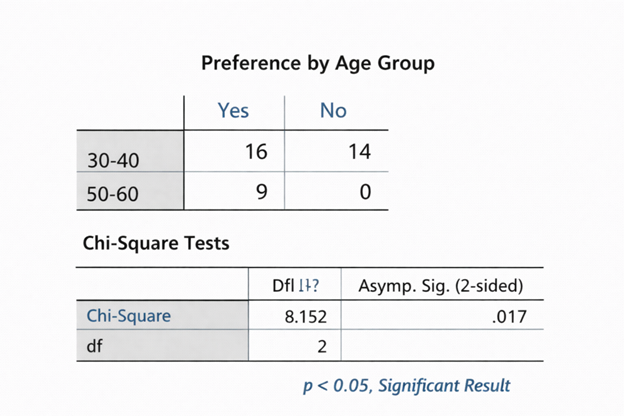
Statistical Interpretation services
-
- Sample Size Calculation Services
-
Sample Size Calculation Services
- Sample Work
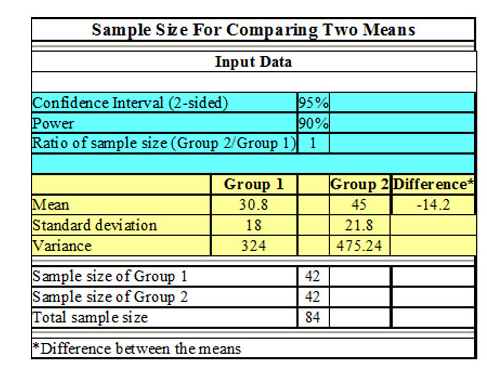
Sample Size Calculation Services
-
- AI & ML Services
-
Artificial Intelligence and Machine Learning Services
- Sample Work
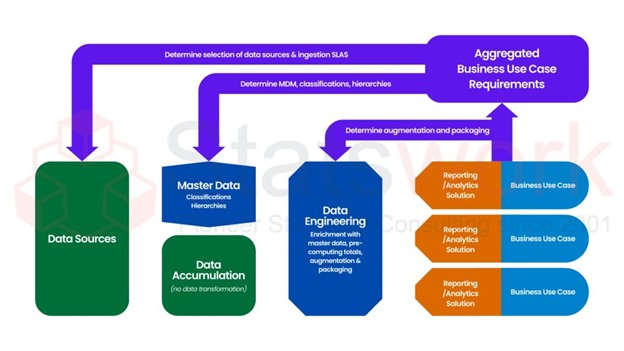
Artificial Intelligence and Machine Learning Services
-
- Meaningful Visualization Services
- Thought Leadership Services
- Report Generation Services
-
Report generation Service
- Sample Work
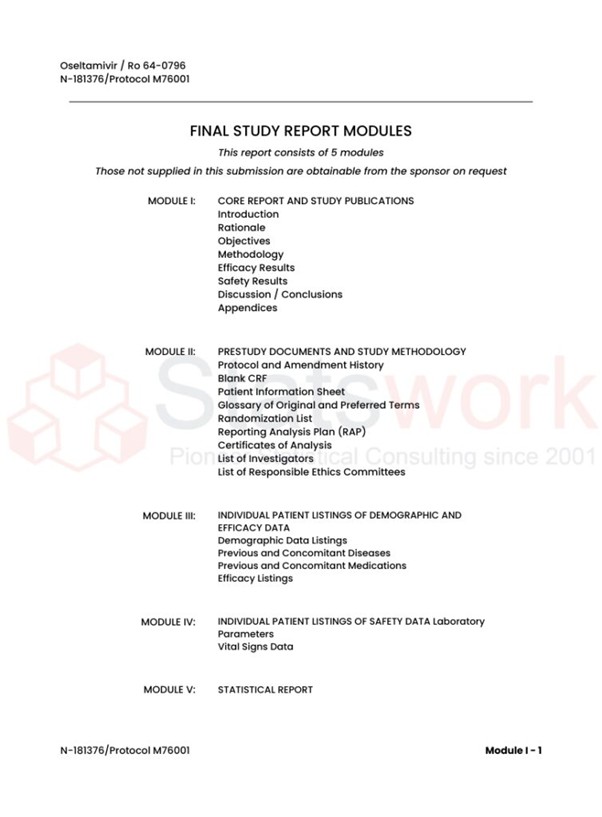
Report generation Services
-
- Data Analysis services
- Industries
- About Us
- Blog
- Insights
- Contact Us
- Services
- Data Analysis services
- Sample Work
Data Analysis services
- Secondary Qualitative Research Services
- Secondary Quantitative Research Services
- Meta-Analysis Research services
- Sample Work
Meta-Analysis Research Services
- Data Collection Services
- Sample Work
Data Collection Services
- Statistical & Biostatistics services
- Sample Work
Statistical Programming & Biostatistics services
- Data Management Services
- Sample Work
Data Management Services
- Research methodology services
- Sample Work
Research methodology services
- Tool Development Services
- Sample Work
Tool development services
- Statistical Interpretation services
-
Statistical Interpretation services
- Sample Work
Statistical Interpretation services
-
- Sample Size Calculation Services
-
Sample Size Calculation Services
- Sample Work
Sample Size Calculation Services
-
- AI & ML Services
-
Artificial Intelligence and Machine Learning Services
- Sample Work
Artificial Intelligence and Machine Learning Services
-
- Meaningful Visualization Services
- Thought Leadership Services
- Report Generation Services
-
Report generation Service
- Sample Work
Report generation Services
-
- Data Analysis services
- Industries
- About Us
- Blog
- Insights
- Contact Us
Everything You Should Know About Meta Analysis Research
Meta Analysis Service
Recommended Reads
Contact us
Introduction to Everything You Should Know About Meta Analysis Research
However, in today’s data-driven world, it is not enough to make informed decisions based on a single study. It is in this regard that meta-analysis research comes in handy. By using multiple sources of data, it is possible to gain a comprehensive and accurate understanding of a research topic. Meta-analysis is used in various fields, including healthcare, business, and social sciences [1].
To become a quality meta-analysis researcher, it is important for one to understand various techniques used in meta-analysis. Moreover, various organizations are using meta-analysis services for precise data analysis and interpretation. With this article, it is possible for one to learn more about how meta-analysis works and its various applications.
What is Meta-Analysis Research?
Meta-analysis research is a statistical technique whereby results from various independent studies are integrated. In essence, the technique seeks to combine the results of various independent studies to come up with a conclusive conclusion.
It is often associated with the concept of systematic reviews. In essence, the technique seeks to identify patterns, solve inconsistencies, and enhance the power of the evidence [2]. In short, meta-analysis research explained is a technique whereby results are combined to come up with new insights.
Key Concepts in Meta-Analysis
Several key concepts govern the use of this methodology. They are:
- Effect size: This is a measure of the strength of association between studies
- Heterogeneity: This is a check for variation in study findings
- Statistical significance: This checks for the reliability of findings
- Bias assessment: This checks for possible distortions in findings
How Meta-Analysis Works
To grasp the idea behind the application of meta-analysis, it is imperative to highlight the process involved in the application of this method. This method involves a systematic process.
Step-by-Step Process
- Define a Research Question
- Conduct a Systematic Literature Review
- Select Relevant and High-Quality Studies
- Extract and Organize the Data
- Apply Statistical Techniques [3]
- Interpret the Results and Draw Conclusions
Common Meta-Analysis Methods
There is various meta-analysis methods applied depending on the nature of the data and the goal of the research:
- Fixed effect model: It assumes that all studies have a common effect.
- Random effect model: It takes into consideration differences in studies.
- Subgroup analysis: It focuses on specific areas of the data.
- Sensitivity analysis: It is a test of accuracy [4].
Using the right meta-analysis technique ensures accuracy and reliability of findings.
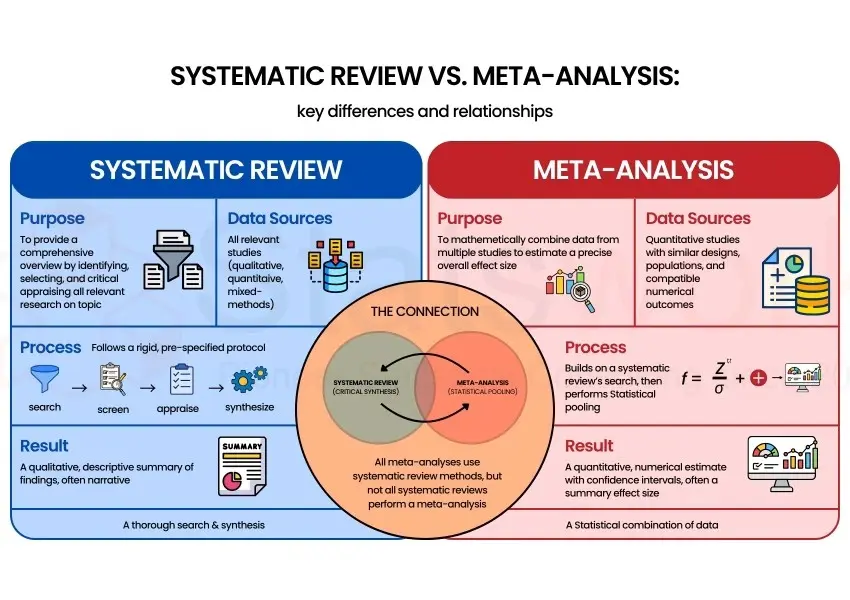
Figure 1: Systematic Review vs. Meta-Analysis – Key Differences and Relationship
Benefits of Meta-Analysis Research
The significance of the meta-analysis research is since it can provide stronger evidence than the existing research.
Key Benefits
- More statistical power: Meta-analysis provides stronger accuracy by using data from various studies
- More reliability: It reduces uncertainty and errors [5]
- More comprehensive insights: Meta-analysis can identify patterns and trends
- Solving conflicts: It is useful in resolving conflicts present in the research
- Better decision-making: Meta-analysis is useful in decision-making
These are the benefits of the meta-analysis research.
Applications for Meta-Analysis Across Industries
A research guide for a complete meta-analysis in the field of healthcare reveals the importance of this approach in medical science. Meta-analysis is commonly applied in the following areas:
- Evaluation of the efficacy of a particular treatment
- Comparison of trial outcomes in clinical research
- Formulation of medical guidelines and practices
Healthcare practitioners heavily rely on this approach in their endeavors to advance patient outcomes.
Social Sciences and Business
Apart from the medical field, this approach is just as significant in the following areas:
- Policy evaluation and public research
- Trend analysis in the market [3]
- Investigation of consumer behaviors and trends
Meta Analysis Services – Why You May Need Them
Carrying out a meta-analysis can be a labor-intensive process. This has led many to seek services that can carry out a meta-analysis service.
What Do Meta Analysis Services Include?
- A thorough literature search
- Selection of studies
- Extraction of data
- Using sophisticated statistical techniques
- Reporting
These services ensure accuracy in meta-analysis and save a lot of time.
When to Use Expert Services
- Large-scale or multi-study research projects
- Complex datasets that demand intricate analysis
- Publishing academic works or systematic reviews [3]
With expert services, the quality of the research can be improved.
Challenges in Meta-Analysis Research
Although there are numerous advantages to conducting meta-analysis research, there are equally significant challenges that need to be addressed.
Common Limitations
- Publication Bias: Studies with positive outcomes are most likely to be published
- Data Inconsistency: Differences in the quality of the data collected
- Heterogeneity: Differences in the population under consideration
- Time-Consuming: A time-consuming process that requires extensive analysis
The use of appropriate techniques in meta-analysis can assist in overcoming these challenges [2].
Best Practices for Effective Meta-Analysis
To be successful, researchers must adhere to existing standards and best practices.
Actionable Tips
- Adhere to standardized frameworks like PRISMA
- Ensure transparency of the selection of the studies
- Ensure the use of credible statistical tools and software
- Ensure accuracy of the data
- Ensure transparency of the methodology and results [4]
By adopting these best practices, the credibility of the research is improved.
Conclusion
In conclusion, the research of meta-analysis is an effective tool that helps create meaningful insights from various studies. It is vital to comprehend the meta-analysis methods and utilize the services of meta-analysis experts to attain accuracy.
With the development of various medical advancements to the creation of business strategies, the meta-analysis research is of vital importance [5]. As data is increasing continuously, the art of meta-analysis is vital to attain accuracy.
Turn complex data into clear insights with expert meta-analysis.
Start making smarter decisions today.
References:
- Plonsky, L., & Oswald, F. L. (2011). How to do a meta‐Research methods in second language acquisition: A practical guide, 275-295. https://onlinelibrary.wiley.com/doi/book
- Rodseth, R., & Marais, L. C. (2016). Meta-analysis: Everything you wanted to know but were afraid to ask. SA Orthopaedic Journal, 15(4), 31-36. https://www.scielo.org.za/scielo.php?pid=S1681-150X2016000400005&script=sci_arttext
- Papakostidis, C., & Giannoudis, P. V. (2023). Meta-analysis. What have we learned?. Injury, 54, S30-S34. https://www.sciencedirect.com/science
- Harrison, F. (2011). Getting started with meta‐Methods in Ecology and Evolution, 2(1), 1-10. https://besjournals.onlinelibrary.wiley.com
- Hernandez, A. V., Marti, K. M., & Roman, Y. M. (2020). Meta-analysis. Chest, 158(1), S97-S102. https://www.sciencedirect.com/science