
- Services
- Data Analysis services
- Sample Work
Data Analysis services
- Secondary Qualitative Research Services
- Secondary Quantitative Research Services
- Meta-Analysis Research services
- Sample Work
Meta-Analysis Research Services
- Data Collection Services
- Sample Work
Data Collection Services
- Statistical & Biostatistics services
- Sample Work
Statistical Programming & Biostatistics services
- Data Management Services
- Sample Work
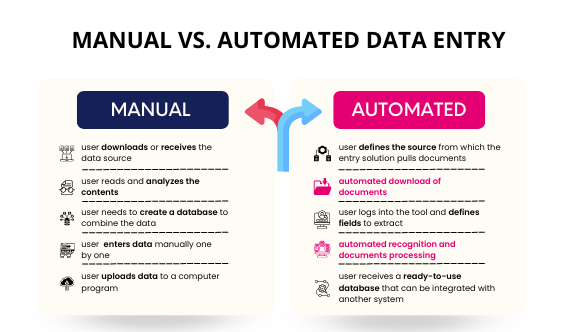
Data Management Services
- Research methodology services
- Sample Work
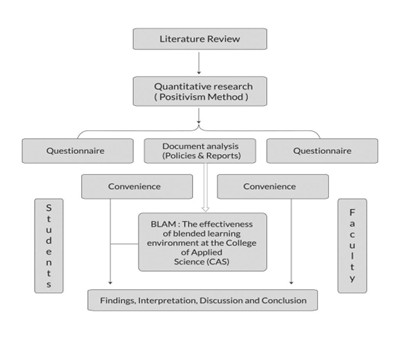
Research methodology services
- Tool Development Services
- Sample Work
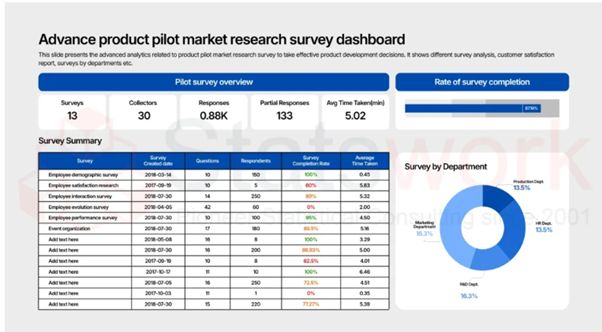
Tool development services
- Statistical Interpretation services
-
Statistical Interpretation services
- Sample Work
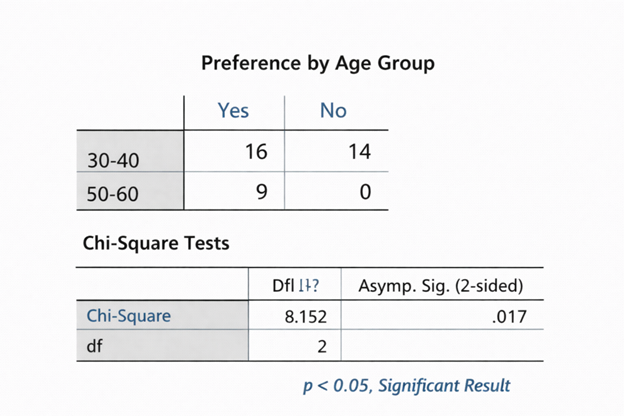
Statistical Interpretation services
-
- Sample Size Calculation Services
-
Sample Size Calculation Services
- Sample Work
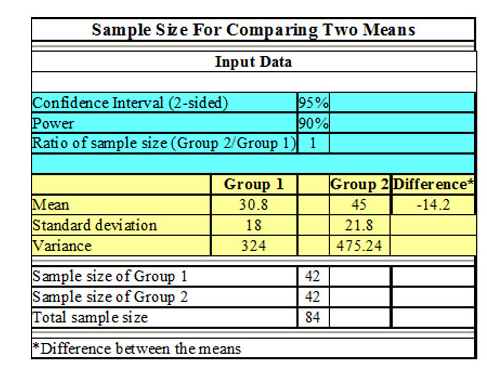
Sample Size Calculation Services
-
- AI & ML Services
-
Artificial Intelligence and Machine Learning Services
- Sample Work
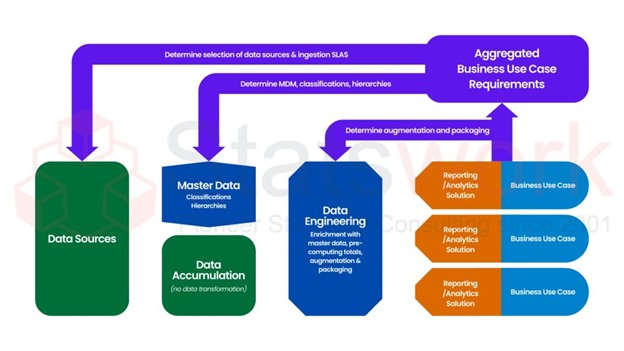
Artificial Intelligence and Machine Learning Services
-
- Meaningful Visualization Services
- Thought Leadership Services
- Report Generation Services
-
Report generation Service
- Sample Work
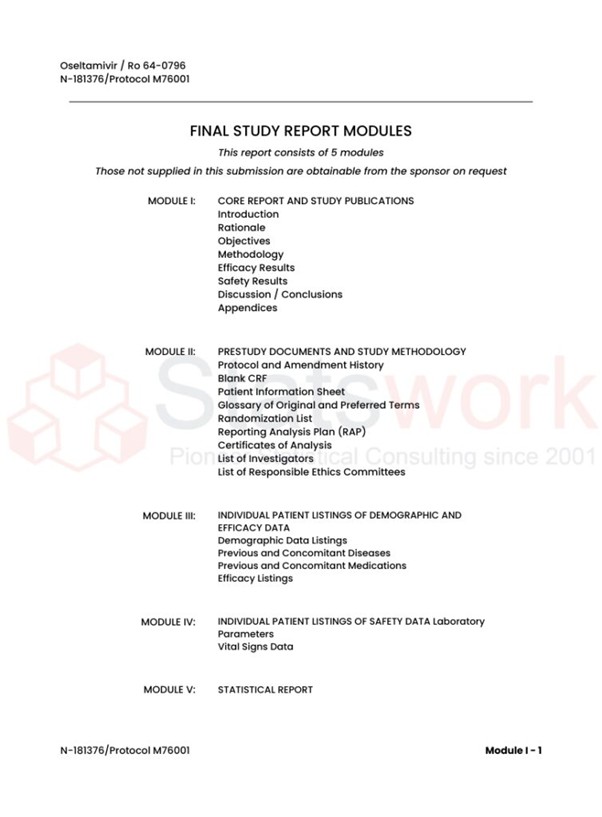
Report generation Services
-
- Data Analysis services
- Industries
- About Us
- Blog
- Insights
- Contact Us
- Services
- Data Analysis services
- Sample Work
Data Analysis services
- Secondary Qualitative Research Services
- Secondary Quantitative Research Services
- Meta-Analysis Research services
- Sample Work
Meta-Analysis Research Services
- Data Collection Services
- Sample Work
Data Collection Services
- Statistical & Biostatistics services
- Sample Work
Statistical Programming & Biostatistics services
- Data Management Services
- Sample Work
Data Management Services
- Research methodology services
- Sample Work
Research methodology services
- Tool Development Services
- Sample Work
Tool development services
- Statistical Interpretation services
-
Statistical Interpretation services
- Sample Work
Statistical Interpretation services
-
- Sample Size Calculation Services
-
Sample Size Calculation Services
- Sample Work
Sample Size Calculation Services
-
- AI & ML Services
-
Artificial Intelligence and Machine Learning Services
- Sample Work
Artificial Intelligence and Machine Learning Services
-
- Meaningful Visualization Services
- Thought Leadership Services
- Report Generation Services
-
Report generation Service
- Sample Work
Report generation Services
-
- Data Analysis services
- Industries
- About Us
- Blog
- Insights
- Contact Us
Secondary Data Collection Tools and Software for Researchers
Meta Analysis Service
- What Is Secondary Data Collection and How Data Collection Software Helps Researchers?
- What Tools Are Used for Secondary Data Collection in Academic and Business Research
- Types of Secondary Data Collection Tools: Data Repositories, Research Databases, and Government Datasets
- Using Survey Platforms and Digital Tools for Secondary Data Collection
- Best Software for Secondary Data Collection in Healthcare Research
- Tools for Secondary Data Collection in Market Research and Industry Analysis
- Software Options for Researchers to Access, Manage, and Analyze Secondary Data
- Which Software Is Best for Secondary Data Collection: Features Researchers Should Consider
- Conclusion: Choosing the Right Secondary Data Collection Tools and Software
Recommended Reads
Contact us
Introduction to Secondary Data Collection Tools and Software for Researchers
In contrast, secondary data collection is a method of using pre-existing data from previously published sources. There is no collection of data in secondary data collection. Researchers use data collection tools and data collection software for secondary data collection. These tools are used to obtain data from data repositories, research data, government data, and surveys, among others. The use of appropriate software for data collection is beneficial in increasing efficiency in research. This helps in reducing time and cost in data collection and analysis for researchers.
The use of appropriate software for secondary data collection services helps in organizing data, ensuring data quality, and producing meaningful data for researchers in academic, healthcare, and market research studies.
What Is Secondary Data Collection and How Data Collection Software Helps Researchers?
The process of secondary data collection involves the collection of data already existing and gathered, published, or stored somewhere. This means the researchers use data already available instead of collecting more data. They collect data from reliable sources instead of collecting more data, which might be time-consuming and difficult to obtain.
Currently, researchers use secondary data collection tools and data collection software to collect secondary data. This data collection software allows researchers to search and obtain data easily and quickly [2]. They are useful in the collection of secondary data, and the data obtained is reliable and in the right structure.
The use of secondary data collection software helps researchers save time and money, and the data obtained is reliable. This means researchers in the academic, healthcare, and market research industries can use the data obtained to analyze and obtain meaningful insights.
What Tools Are Used for Secondary Data Collection in Academic and Business Research
There are a few secondary data collection tools and data collection software that researchers use to obtain secondary data from credible sources like data repositories, research databases, government data, and surveys.
| Secondary Data Collection Tool | Description | Research Use |
| Data Repositories | These are platforms that provide previously collected data sets. | These platforms are used to obtain large research data sets for academic research. |
| Research Databases | These are online platforms that provide research articles and data sets. | These platforms are used to obtain secondary research data. |
| Government Datasets | Government statistical data is provided by government agencies. | These datasets are used for conducting research. |
| Survey Platforms | These platforms provide data sets and reports from previous surveys. | These platforms are used for conducting market and social analysis. |
| Data Collection Software | These are software tools that aid in organizing secondary data sets. | These tools are used to aid in data analysis [4]. |
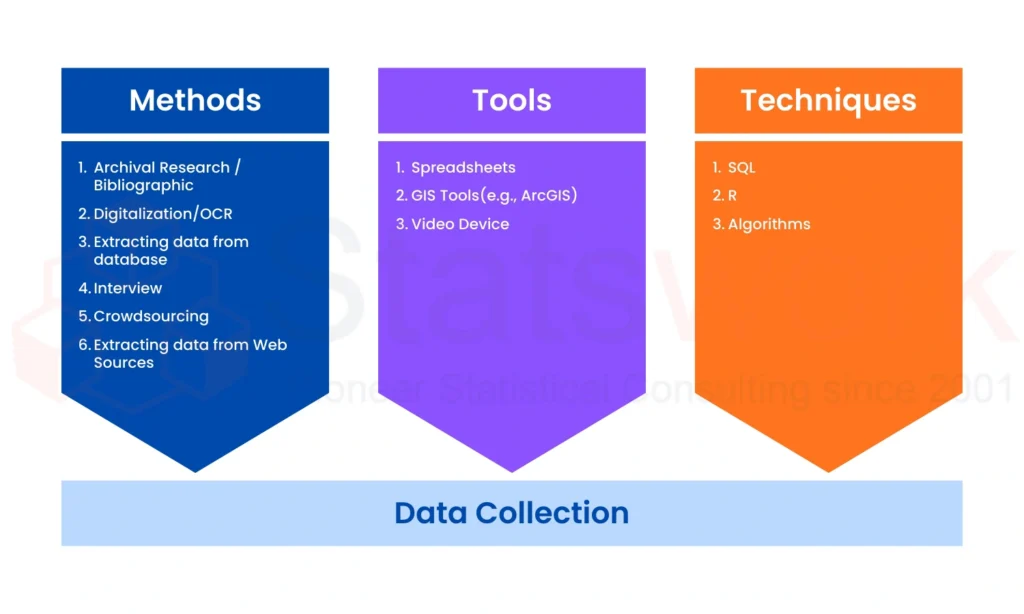
Types of Secondary Data Collection Tools: Data Repositories, Research Databases, and Government Datasets
Different tools and data collection software are employed by researchers to access available data using secondary data collection methods.
- Data repositories are collections of large data sets from earlier research studies and are used to provide access to structured research data.
- Research databases are sources of scholarly articles, reports, and earlier data sets used in research studies [5].
- Government data sets are publicly available statistical data sets containing data on population, healthcare, and economic trends.
These tools of secondary data collection are employed to efficiently collect reliable data for research studies in academics, healthcare, and business.
Using Survey Platforms and Digital Tools for Secondary Data Collection
Researchers can utilize survey platforms and data collection software as effective tools in the collection of secondary data.
| Tool Type | Description | Research Use |
| Survey Platforms | Survey platforms are platforms where data is stored from surveys conducted in the past. | Used in market research and social research analysis. |
| Data Collection Software | Data collection software is software used to access secondary data. | Helps in research data organization and research data analysis. |
| Research Databases | Databases contain research studies and survey data. | Supports research in academics and business. |
| Data Repositories | Data repositories are platforms where data is stored from past research studies. | Data repositories provide reliable data for research. |
Best Software for Secondary Data Collection in Healthcare Research
Researchers in healthcare use secondary data collection tools and data collection software to access data sets in medicine from research databases and government data sets.
Software for data collection for researchers helps in managing data in healthcare and provides insights for analysis in medicine and public health research [2]. Researchers in healthcare use secondary data collection tools and data collection software to access data sets in medicine from research databases and government data sets.
Tools for Secondary Data Collection in Market Research and Industry Analysis
Different tools and data collection software are utilized to collect existing data in business and research environments. Such tools help in accessing existing research data, government datasets, data repositories, and survey platforms.
| Secondary Data Collection Tool | Description | Research Use |
| Research Databases | A collection of industry reports and market research reports. | Analysis of market trends and competitor intelligence. |
| Government Datasets | Public data that is relevant to various industries and economic activities [4]. | Supports research on various industries. |
| Data Repositories | A collection of previously collected datasets that are relevant to business and market research. | Helps in accessing large datasets on business and markets. |
| Survey Platforms | A collection of previously conducted surveys and data on consumers. | Analysis of customer behavior and market preferences. |
Software Options for Researchers to Access, Manage, and Analyze Secondary Data
Researchers use various software options available for researchers and data collection software to access and manage data from data repositories, research databases, government data, and surveys [5].
Secondary data collection tools help in data organization, data analysis, and generation of reliable data insights for academic, healthcare, and market research.
Which Software Is Best for Secondary Data Collection: Features Researchers Should Consider
- The best software for collecting secondary data should allow for research databases, data repositories, government data, and surveys.
- Good data collection software should help manage research data.
- Reliable secondary data collection software should help ensure accurate and verified data sources [2].
- Good data collection software for researchers should allow for ease of analysis.
Conclusion: Choosing the Right Secondary Data Collection Tools and Software
With the right selection of secondary data collection tools and data collection software, it is possible for a researcher to gain access to reliable data from data repositories, research data, government data, and survey data [5]. With this data collection software for researchers, it is possible to manage data in an efficient manner and analyze it in a precise way.
References:
- Greenhoot, A. F., & Dowsett, C. J. (2012). Secondary data analysis: An important tool for addressing developmental questions. Journal of Cognition and Development, 13(1), 2-18.https://www.tandfonline.com/doi/abs/10.1080/15248372.2012.646613
- Saini, S. K. Data Collection Methods and Tools for Research; Technique for Academic and Business Research Projects. SKCON-2023, 241.https://shreekrishnacollege.in/wp-content/uploads/2024/11/SKCON-E-Souv_F_compressed.pdf#page=245
- Wilcox, A. B., Gallagher, K. D., Boden-Albala, B., & Bakken, S. R. (2012). Research data collection methods: from paper to tablet computers. Medical care, 50, S68-S73.https://journals.lww.com/lww-medicalcare/FullText/2012/07001/Research_Data_Collection_Methods__From_Paper_to.14.aspx