
- Services
- Data Analysis services
- Sample Work
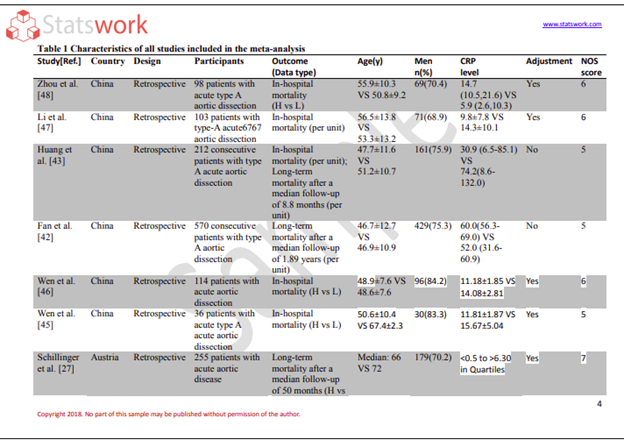
Data Analysis services
- Secondary Qualitative Research Services
- Secondary Quantitative Research Services
- Meta-Analysis Research services
- Sample Work
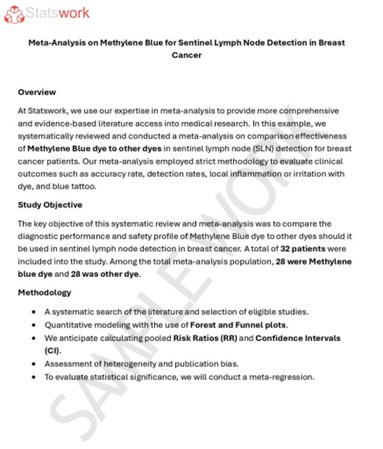
Meta-Analysis Research Services
- Data Collection Services
- Sample Work
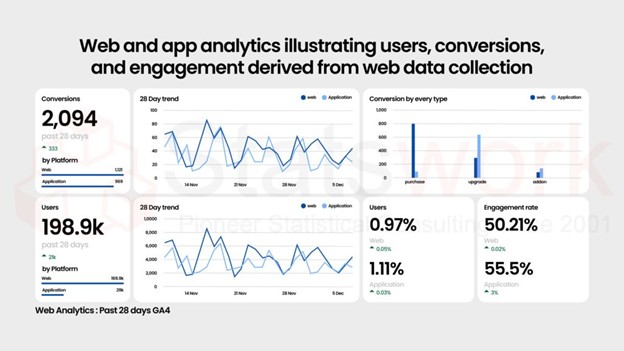
Data Collection Services
- Statistical & Biostatistics services
- Sample Work
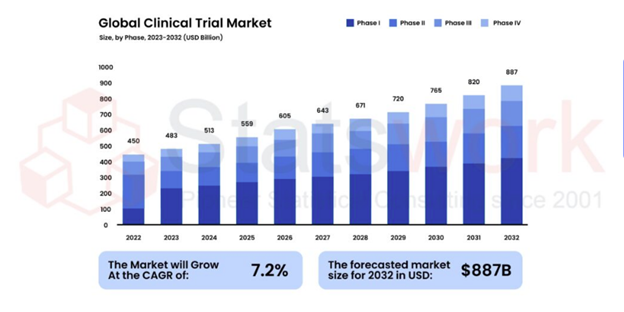
Statistical Programming & Biostatistics services
- Data Management Services
- Sample Work
Data Management Services
- Research methodology services
- Sample Work
Research methodology services
- Tool Development Services
- Sample Work
Tool development services
- Statistical Interpretation services
-
Statistical Interpretation services
- Sample Work
Statistical Interpretation services
-
- Sample Size Calculation Services
-
Sample Size Calculation Services
- Sample Work
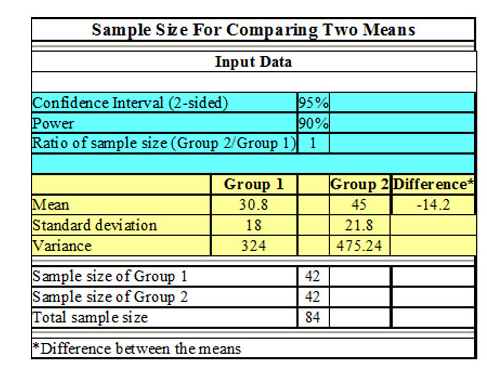
Sample Size Calculation Services
-
- AI & ML Services
-
Artificial Intelligence and Machine Learning Services
- Sample Work
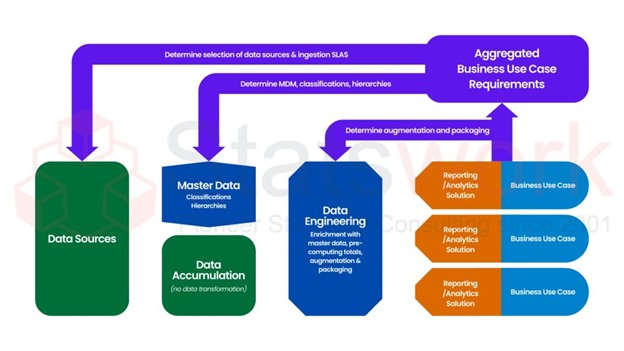
Artificial Intelligence and Machine Learning Services
-
- Meaningful Visualization Services
- Thought Leadership Services
- Report Generation Services
-
Report generation Service
- Sample Work
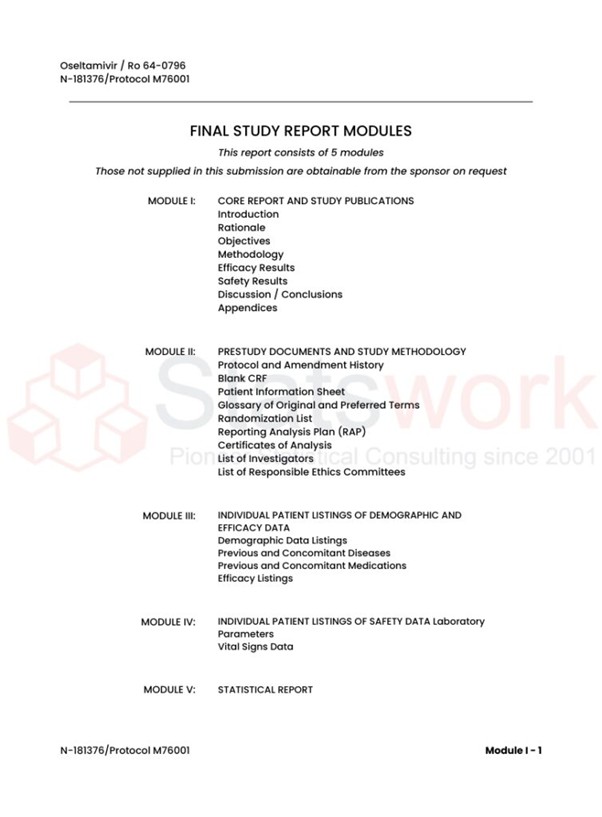
Report generation Services
-
- Data Analysis services
- Industries
- About Us
- Blog
- Insights
- Contact Us
- Services
- Data Analysis services
- Sample Work
Data Analysis services
- Secondary Qualitative Research Services
- Secondary Quantitative Research Services
- Meta-Analysis Research services
- Sample Work
Meta-Analysis Research Services
- Data Collection Services
- Sample Work
Data Collection Services
- Statistical & Biostatistics services
- Sample Work
Statistical Programming & Biostatistics services
- Data Management Services
- Sample Work
Data Management Services
- Research methodology services
- Sample Work
Research methodology services
- Tool Development Services
- Sample Work
Tool development services
- Statistical Interpretation services
-
Statistical Interpretation services
- Sample Work
Statistical Interpretation services
-
- Sample Size Calculation Services
-
Sample Size Calculation Services
- Sample Work
Sample Size Calculation Services
-
- AI & ML Services
-
Artificial Intelligence and Machine Learning Services
- Sample Work
Artificial Intelligence and Machine Learning Services
-
- Meaningful Visualization Services
- Thought Leadership Services
- Report Generation Services
-
Report generation Service
- Sample Work
Report generation Services
-
- Data Analysis services
- Industries
- About Us
- Blog
- Insights
- Contact Us
What is the difference in the research objective between Qualitative versus quantitative study while writing a proposal?
Meta Analysis Service
- Understanding Qualitative and Quantitative Research in Business
- Research Objectives in Qualitative vs Quantitative Studies
- Research Objective Examples for Proposal Writing
- The Main Things to Consider
- Data Collection and Analysis in Business Research
- Qualitative Research Methods
- Quantitative Research Methods
- Why Businesses Combine Qualitative and Quantitative Research
- Conclusion
Recommended Reads
Contact us
Summary:
The proper selection of research methodology is important for designing an effective business research proposal as well as obtaining the expected results. This blog will provide you with an explanation about qualitative vs quantitative research, purpose, data collection methods, analysis, etc., and also give some ideas about how to select the most appropriate methodology. Find out how our Business Research Methodology Services from Statswork can help your organization develop data-driven research.
For a company, research becomes a tool for understanding consumer behavior, studying opportunities in the market, enhancing operational efficiency, and making sound strategic decisions. Choosing the right methodology is one of the crucial factors when working on a research proposal [1 ]. To understand how to conduct qualitative vs quantitative business research will enable companies to select a methodology that fits their research needs and business strategy. A good business research methodology qualitative quantitative framework influences all other aspects of research process, from its design, data collection, to data analysis and insights generation.
Understanding Qualitative and Quantitative Research in Business
The main difference between qualitative and quantitative research is the research objective and the kind of data collected in such research. Qualitative research emphasizes the collection of information about people’s experiences, opinions, motivations, and behaviors while quantitative research involves the measurement of variables through numerical data.
The importance of qualitative research is that it can be employed whenever there is a need for exploring customer expectations, employees’ experiences, or market perceptions. Qualitative research usually involves gathering data from interviews, observation, focus group analysis, and case studies. Information gathered during research is analyzed through thematic analysis, grounded theory, content analysis, narrative research, and phenomenological research. During the whole process, researchers code qualitative data until data saturation is reached.
On the other hand, quantitative research for business decisions involves measurable evidence. Most businesses conduct survey research where quantitative data is collected and analyzed by descriptive statistics, inferential statistics, regression analysis business research, and hypothesis testing methodology. Such statistical methods help to establish statistical significance of findings [2].
Research Objectives in Qualitative vs Quantitative Studies
A successful research proposal must begin with well-defined objectives. The methodology is always consistent with the research problem and the business objectives.
Qualitative Research Objectives
Qualitative research seeks to understand experience, opinion, and behavior. These are the objectives of qualitative research:
- To understand customer expectations and behavior.
- To find out the attitudes of employees towards organizational change.
- To know the factors affecting brand perception.
- To investigate customer satisfaction using interviews.
- To find new market trends for future business.
Example:
To explore customer perceptions of digital banking services and identify the factors influencing user satisfaction.
Quantitative Research Objectives
The emphasis of quantitative research is placed on measurement of variables and testing relationships using statistics. Some of the goals of quantitative research are as follows:
- Measurement of the level of customer satisfaction.
- Performance assessment of employees.
- Test relationship between service quality and customer loyalty.
- Sales forecasting.
Example:
To examine the relationship between customer satisfaction and brand loyalty using statistical analysis.
Research Objective Examples for Proposal Writing
The given examples show how qualitative research provides valuable detailed information, while quantitative research gives measurable results that help make business decisions.
Choosing The Proper Research Methodology For Business Market Analysis
Proper research methodology choice will be determined by the research objectives, available resources, and expected business results. Well-prepared research proposal methodology makes it possible for corporations to gain valid results without making research mistakes [3].
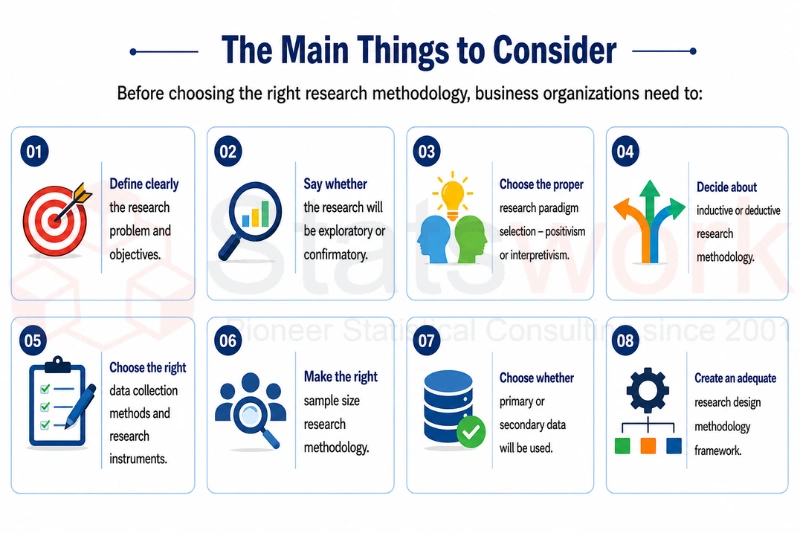
The Main Things to Consider
Before choosing the right research methodology, business organizations need to:
- Define clearly the research problem and objectives.
- Say whether the research will be exploratory or confirmatory.
- Choose the proper research paradigm selection – positivism or interpretivism.
- Decide about inductive or deductive research methodology.
- Choose the right data collection methods and research instruments.
- Make the right sample size research methodology.
- Choose whether primary or secondary data will be used.
- Create an adequate research design methodology framework.
At the same time, researchers need to create research problem statements, perform literature review methodology, do conceptual framework development, make research variables operationalization, and consider research scope and limitations.
Data Collection and Analysis in Business Research
The success of any business research greatly relies on the choice of suitable sources and research techniques which match research goals.
Qualitative Research Methods
Some of the most popular ways used by businesses to obtain detailed information are:
- In-depth interview
- Focus groups discussion
- Observation
- Case study approach
- Ethnographic research
The obtained information is analyzed through:
- Thematic analysis
- Content analysis
- Grounded theory
- Qualitative coding
- Narrative research
- Data saturation [4]
Quantitative Research Methods
Companies in need of quantifiable results usually make use of:
- Structured interviews
- Survey research
- Web-based customer surveys
- Databases of companies’ performance
- Data about company’s operations and finances
The gathered information is analyzed through:
- Descriptive statistics
- Inferential statistics
- Regression analysis of business research
- Hypothesis testing approach
- Significance testing
All researchers should strive to reduce research bias, achieve the right balance between objectivity and subjectivity, triangulate research when necessary, and keep research validity and reliability intact.
Why Businesses Combine Qualitative and Quantitative Research
Many companies choose to use an approach that involves a mix of qualitative and quantitative methods because such an approach ensures both detailed customer insight and measurable information to facilitate decision-making processes. By integrating qualitative and quantitative methods, companies will be able to verify their conclusions, get better insight into customers, and plan strategically. Such an approach improves business intelligence, customer insight research, and decision-making methods.
Conclusion
The choice between qualitative and quantitative research lies with the research goals, the problems faced by the organization, and the desired outcomes of the study. Whereas qualitative research offers organizations insights into the experiences, motivation, and behavior of their customers [3], quantitative research offers measurable data to test hypotheses and assess the business performance. Choosing the correct methodology leads to the creation of dependable results, which help in conducting effective market analysis and making sound strategies.
Statswork Business Research Methodology Services helps the researchers and organizations to formulate an effective research proposal, choose the right methodology, create an effective framework for research, and perform advanced qualitative and quantitative analysis. Whether you need outsourced primary research services, outsourced qualitative research analysis, business research design consultancy, or business intelligence research methodologies, our experts will help you develop the right research solutions with accurate results.
Frequently asked question:
Qualitative research objectives focus on exploring experiences, opinions, and behaviors, while quantitative research objectives aim to measure variables, test hypotheses, and identify statistical relationships using numerical data.
The four main types of research design are descriptive, exploratory, explanatory (causal), and experimental, each selected based on the research objectives and the nature of the study.
Qualitative research collects non-numerical data to understand experiences and perceptions, whereas quantitative research uses numerical data to measure variables and test hypotheses, and qualitative analysis is interpretive while quantitative analysis relies on statistical methods.
No, qualitative research is generally more subjective because it interprets participant experiences, while quantitative research is considered more objective as it relies on standardized measurements and statistical analysis.
No, an objective is the goal or purpose of a study, whereas quantitative refers to a research methodology that uses numerical data to measure variables and analyze relationships.
Researchers choose qualitative research when they need to gain in-depth insights into customer experiences, opinions, motivations, or behaviors that cannot be fully understood through numerical data alone.
Reference:
- Barroga, E., Matanguihan, G. J., Furuta, A., Arima, M., Tsuchiya, S., Kawahara, C., … & Izumi, M. (2023). Conducting and writing quantitative and qualitative research. Journal of Korean medical science, 38(37). https://synapse.koreamed.org/articles/1516083855
- Makateng, D. S., & Mokala, N. T. (2025). Understanding qualitative research methodology: A systematic review. E-Journal of Humanities Arts and Social Sciences, 6(3), 327-335. https://synapse.koreamed.org/articles/1162094
- Chali, M. T., Eshete, S. K., & Debela, K. L. (2022). Learning how research design methods work: A review of Creswell’s research design: Qualitative, quantitative and mixed methods approaches. The Qualitative Report, 27(12), 2956-2960 https://nepjol.info/index.php/jpd/article/view/48805
- Wutich, A., Beresford, M., & Bernard, H. R. (2024). Sample sizes for 10 types of qualitative data analysis: an integrative review, empirical guidance, and next steps. International Journal of Qualitative Methods, 23, 16094069241296206. https://journals.sagepub.com/doi/abs/10.1177/16094069241296206 .