
- Services
- Data Analysis services
- Sample Work
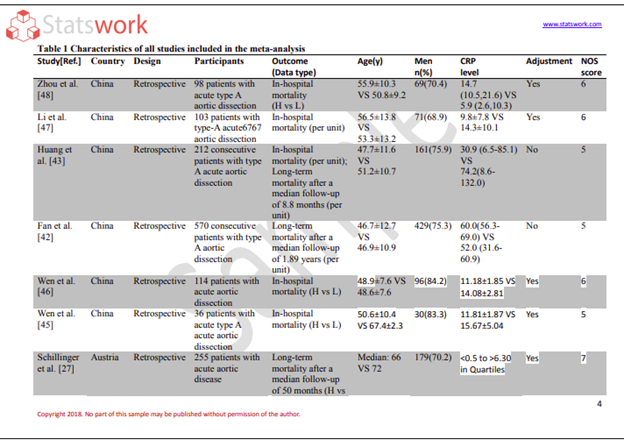
Data Analysis services
- Secondary Qualitative Research Services
- Secondary Quantitative Research Services
- Meta-Analysis Research services
- Sample Work
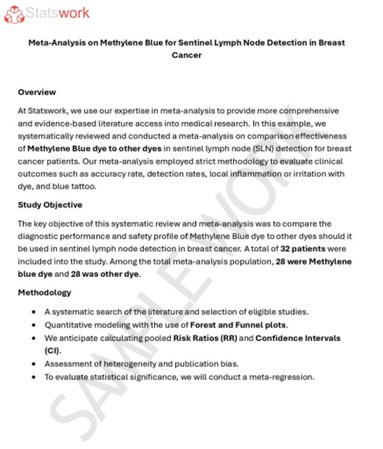
Meta-Analysis Research Services
- Data Collection Services
- Sample Work
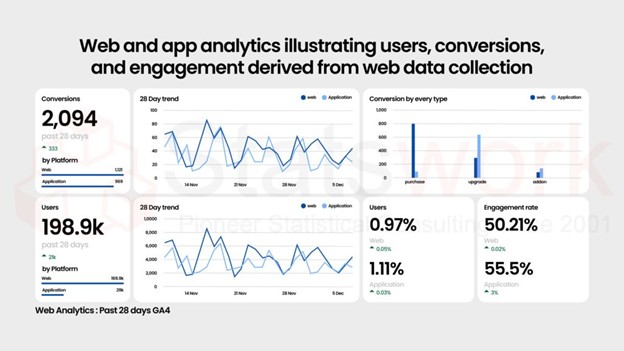
Data Collection Services
- Statistical & Biostatistics services
- Sample Work
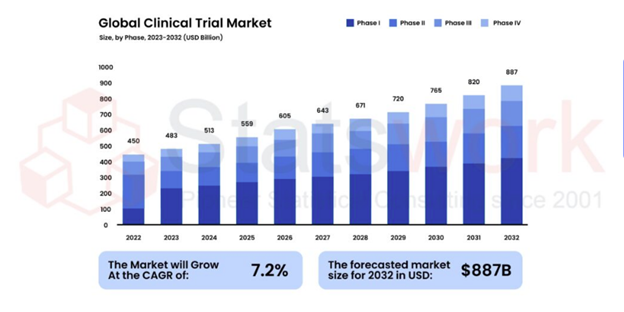
Statistical Programming & Biostatistics services
- Data Management Services
- Sample Work
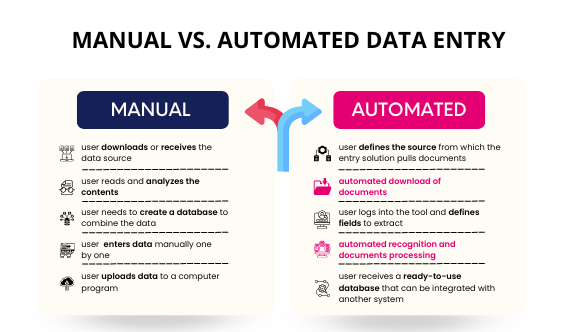
Data Management Services
- Research methodology services
- Sample Work
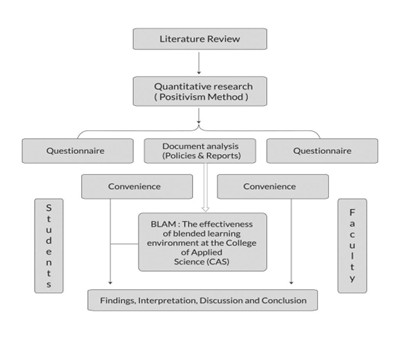
Research methodology services
- Tool Development Services
- Sample Work
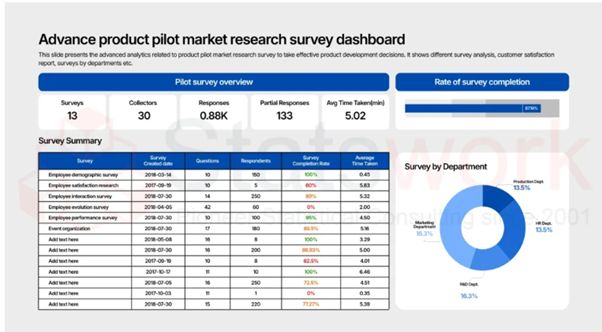
Tool development services
- Statistical Interpretation services
-
Statistical Interpretation services
- Sample Work
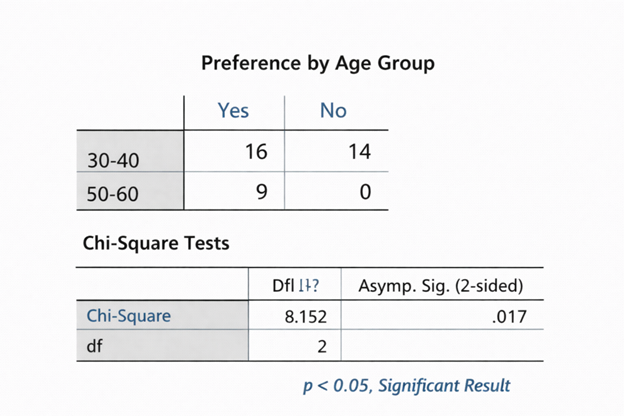
Statistical Interpretation services
-
- Sample Size Calculation Services
-
Sample Size Calculation Services
- Sample Work
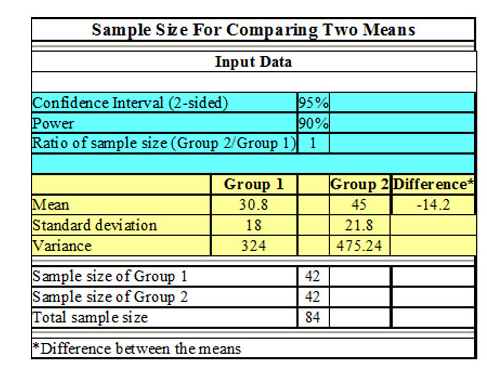
Sample Size Calculation Services
-
- AI & ML Services
-
Artificial Intelligence and Machine Learning Services
- Sample Work
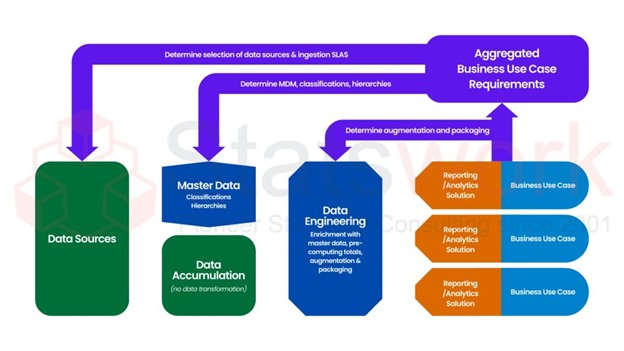
Artificial Intelligence and Machine Learning Services
-
- Meaningful Visualization Services
- Thought Leadership Services
- Report Generation Services
-
Report generation Service
- Sample Work
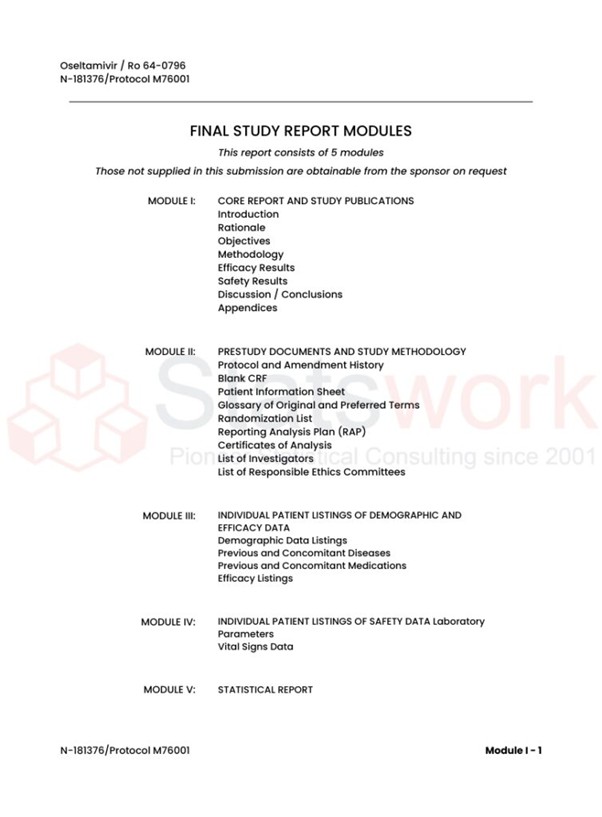
Report generation Services
-
- Data Analysis services
- Industries
- About Us
- Blog
- Insights
- Contact Us
- Services
- Data Analysis services
- Sample Work
Data Analysis services
- Secondary Qualitative Research Services
- Secondary Quantitative Research Services
- Meta-Analysis Research services
- Sample Work
Meta-Analysis Research Services
- Data Collection Services
- Sample Work
Data Collection Services
- Statistical & Biostatistics services
- Sample Work
Statistical Programming & Biostatistics services
- Data Management Services
- Sample Work
Data Management Services
- Research methodology services
- Sample Work
Research methodology services
- Tool Development Services
- Sample Work
Tool development services
- Statistical Interpretation services
-
Statistical Interpretation services
- Sample Work
Statistical Interpretation services
-
- Sample Size Calculation Services
-
Sample Size Calculation Services
- Sample Work
Sample Size Calculation Services
-
- AI & ML Services
-
Artificial Intelligence and Machine Learning Services
- Sample Work
Artificial Intelligence and Machine Learning Services
-
- Meaningful Visualization Services
- Thought Leadership Services
- Report Generation Services
-
Report generation Service
- Sample Work
Report generation Services
-
- Data Analysis services
- Industries
- About Us
- Blog
- Insights
- Contact Us
What Is Content Analysis in Research? Methods + Step-by-Step Guide
Qualitative Research Service
- What Is Content Analysis in Research?
- Why Is Content Analysis Important?
- Types of Content Analysis
- How to Do Content Analysis in Research: A 6-Step Framework
- Content Analysis vs. Thematic Analysis
- Applications for Content Analysis in Business Research
- Challenges of Conducting Content Analysis
- Best Practices for Effective Content Analysis
- Conclusion
Recommended Reads
Contact us
Blog Outline:
This blog is an overview of content analysis for conducting research on various sources that contain qualitative data including surveys, interviews, social media, and reports among others. The blog will give details about content analysis approaches, the process of content analysis, and the importance of content analysis for various businesses.What Is Content Analysis in Research?
In research, content analysis refers to an approach employed to investigate, analyze, and interpret data in form of text, graphics, or sound. It enables researchers to determine patterns, themes, trends, and relationships in the massive amount of data collected. Content analysis, as a popular research method of content analysis, facilitates the transformation of unstructured data into insights [1].
This research approach can be used in academic studies, market research, customer reviews analysis, social media analysis, and business intelligence among others. Through organizing and encoding data, important results can be revealed which would otherwise go unnoticed when using conventional observation.
Why Is Content Analysis Important?
Everyday organizations and researchers produce huge quantities of qualitative data. Information from interviews, web reviews, questionnaires, reports, e-mails, and other forms of communication could be useful and impact on the way in which decisions are made.
Content analysis within research provides the following benefits:
- Detection of common themes and patterns
- Measurement of sentiment and opinion of customers
- Analysis of market trends
- Evidence-based decision making
- Elimination of bias in research findings
- Transforming qualitative data into useful insight
When it comes to business, content analysis of business research provides the following benefits [2].
Types of Content Analysis
There exist various forms of content analysis based on research goals.
Qualitative Content Analysis
The qualitative approach is aimed at comprehending meanings, concepts, and themes found in content. The researcher looks at the text and analyzes themes or ideas that help explain certain behaviors or perceptions.
Examples include:
- Interview transcript analysis
- Customer feedback analysis
- Survey results on employee satisfaction
- Results of focus groups
Quantitative Content Analysis
This form is focused on counting the number of occurrences of certain words, phrases, themes, or categories. Numerical assessment is used in this approach [3].
Examples include:
- Keyword counting in reports
- Sentiment occurrence counting
- Brand mentions on social media
Conceptual Content Analysis
It involves defining whether a concept exists within the dataset. It also measures its frequency.
Relational Content Analysis
This technique is not limited to frequency. It looks for relationships between certain concepts or themes within the content.
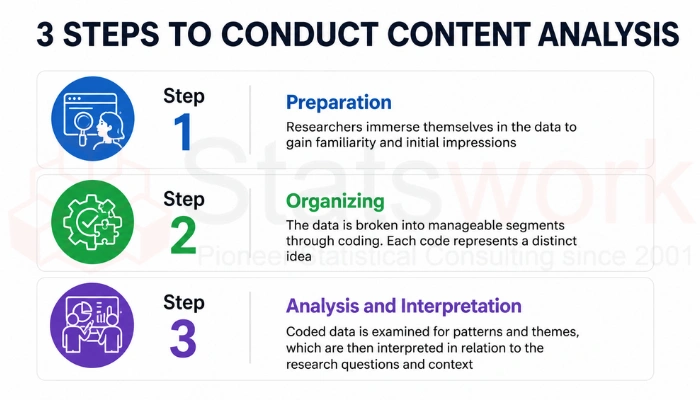
How to Do Content Analysis in Research: A 6-Step Framework
Several researchers raise questions regarding how to conduct a content analysis. By applying a systematic procedure, results can be produced in a more accurate manner [4].
Step 1: Identifying Research Goals
One needs to determine the research problem and goals. In this stage, researchers need to determine what information should be obtained from the content analysis to make decisions.
Step 2: Gathering the Appropriate Data
Collecting the data from the proper sources is very important since those sources include the following:
- Online and personal interviews
- Surveys
- Research articles
- Company reports
- Social media posts
- Customer reviews
Good data collection is crucial for generating reliable results.
Step 3: Developing Codes
By organizing the information under certain categories or codes, themes or concepts can be established. The process of creating codes contributes to consistency in research.
Customer feedback can be coded as:
- Quality of product
- Quality of customer service
- Quality of pricing
- User experience
Step 4: Coding Data
The researcher needs to analyze data based on the established coding data system. Coding could be done manually, but there are several computerized tools used for that purpose including NVivo, MAXQDA, and ATLAS.ti.
These qualitative content analysis steps help organize large datasets and simplify interpretation [5].
Step 5: Analyze Patterns and Trends
Evaluation of the data will be done by looking out for the themes that emerge, as well as any patterns. This involves the identification of similarities, differences, and interesting observations based on the objectives.
Step 6: Verification of Results
Ensure validity by carrying out intercoder reliability checks as well as validation of results through evidence. The findings will be represented in various charts and reports.
The above guide is a step-by-step guide to conducting content analysis.
Content Analysis vs. Thematic Analysis
Content analysis and thematic analysis, despite their frequent interchangeability, have quite distinct functions.
| Aspects | Content Analysis | Theme Analysis |
| Purpose | Content categorization and quantification | Identification and interpretation of themes |
| Method | Systematic and structured approach | Exploratory approach |
| Result | Insights that can be measured | Deeper knowledge of the themes |
| Applications | Marketing and business | Behavioral and social sciences |
Content analysis is preferred when researchers need both measurable results and qualitative information.
Applications for Content Analysis in Business Research
Business research content analysis provides companies with various insights that help in decision-making and improving business practices.
| Application | Purpose |
| Customer Experience Analysis | Determines customer satisfaction and areas of concern. |
| Competitor Analysis | Analyzes competitors’ strategies and positioning. |
| Brand Perception Studies | Measures brand image and public perception. |
| Market Research Content Analysis | Gets insights into consumer preferences and trends. |
| Employee Opinion Analysis | Sees what employees experience in their work environment. |
Challenges of Conducting Content Analysis
While content analysis has numerous advantages, there are some challenges as well.
| Problem | Explanation |
| Variability of Coding | Coding outcomes differ from one researcher to another. |
| Volume of Data Analysis | Large amount of corporate data analysis research methods may be time-consuming. |
| Uniformity | It may be challenging to ensure that coding remains uniform for several coders. |
| Interpretation of Context | Outcomes will vary based on the interpretation of the content. |
To address content analysis challenges, researchers have to follow certain protocols [3].
Best Practices for Effective Content Analysis
Steps for achieving top-notch research quality include:
- Starting research goals prior to data gathering
- Systematic coding procedure
- Coding training for the researcher(s)
- Conducting intercoder reliability analysis
- Utilizing content analysis software when needed
- Triangulating data sources to confirm findings
- Documenting the entire research process
These are some of the ways of ensuring reliability and validity.
Conclusion
Content analysis in research is an extremely useful technique that facilitates turning information into insight. No matter whether one uses it in an academic setting, gathers customer feedback, performs market research, or engages in organizational research, the content analysis technique allows the researcher to make informed decisions [4].
Adhering to the methodology for content analysis research and using the six steps mentioned above will ensure higher quality research results and improved decision making. Content analysis is crucial for any researcher looking for actionable insights amid ever-growing amounts of data.
To those who require help with their professional lives, we offer our Data analysis service through our company named “StatsWork”. Our professionals have the capacity to analyze data, be it qualitative or quantitative, hence giving valuable insights into the research.
Frequently asked questions:
The five steps in content analysis include defining the research question, collecting relevant data, developing coding categories, analyzing the content, and interpreting the findings. These steps help researchers identify patterns and draw meaningful conclusions from data.
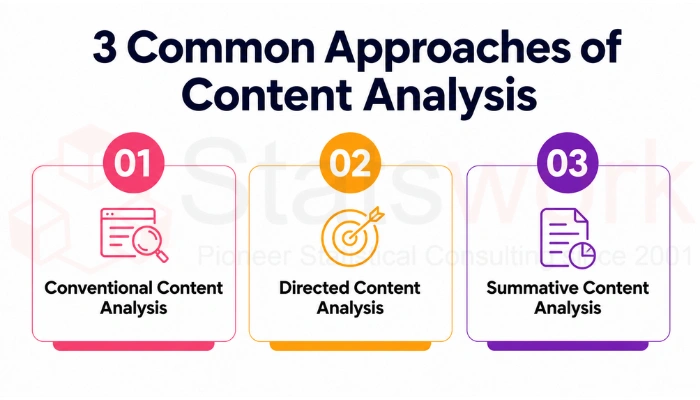
The three main types of content analysis are conventional content analysis, directed content analysis, and summative content analysis. Each approach differs in how codes and themes are developed and interpreted.
To write a content analysis, clearly define the research objective, collect relevant data, create coding categories, and systematically analyze the content. Present the findings with supporting evidence and explain their significance.
The four stages of content analysis are data collection, coding, categorization, and interpretation. These stages help organize information and uncover meaningful patterns within the data.
The four parts of analysis include data collection, data organization, data examination, and interpretation of results. Together, they provide a structured approach to understanding and evaluating information.
Reference
- Sheydayi, A., & Dadashpoor, H. (2023). Conducting qualitative content analysis in urban planning research and urban studies. Habitat International, 139, 102878. https://www.sciencedirect.com/science/article/abs/pii/S0197397523001388
- Bahoo, S., Cucculelli, M., Goga, X., & Mondolo, J. (2024). Artificial intelligence in Finance: a comprehensive review through bibliometric and content analysis. SN Business & Economics, 4(2), 23. https://link.springer.com/article/10.1007/s43546-023-00618-x
- Atree, M. K., & Tripathy, N. (2025). Cryptocurrency research: Bibliometric review and content analysis. International Review of Economics & Finance, 98, 103940. https://www.sciencedirect.com/science/article/pii/S1059056025001030
- Hasan, K. M. (2024). Quantitative methods in social science research: Systematic review of content analysis, survey and experiment methodologies. Survey and Experiment Methodologies (January 17, 2024). https://papers.ssrn.com/sol3/papers.cfm?abstract_id=4698175
- Oldham, P., & McLoughlin, S. (2025). Character education empirical research: A thematic review and comparative content analysis. Journal of Moral Education, 1-29. https://www.tandfonline.com/doi/full/10.1080/03057240.2025.2480185