
- Services
- Data Analysis services
- Sample Work
Data Analysis services
- Secondary Qualitative Research Services
- Secondary Quantitative Research Services
- Meta-Analysis Research services
- Sample Work
Meta-Analysis Research Services
- Data Collection Services
- Sample Work
Data Collection Services
- Statistical & Biostatistics services
- Sample Work
Statistical Programming & Biostatistics services
- Data Management Services
- Sample Work
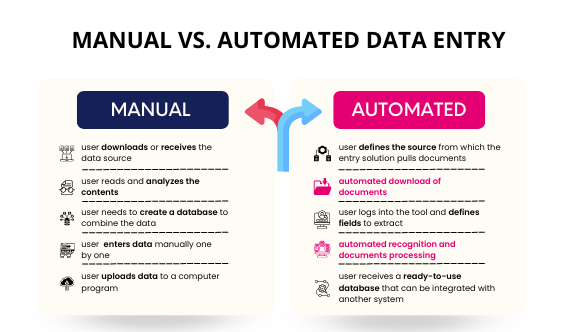
Data Management Services
- Research methodology services
- Sample Work
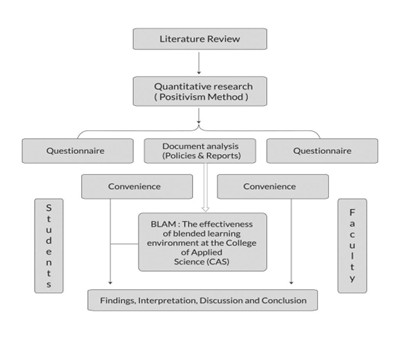
Research methodology services
- Tool Development Services
- Sample Work
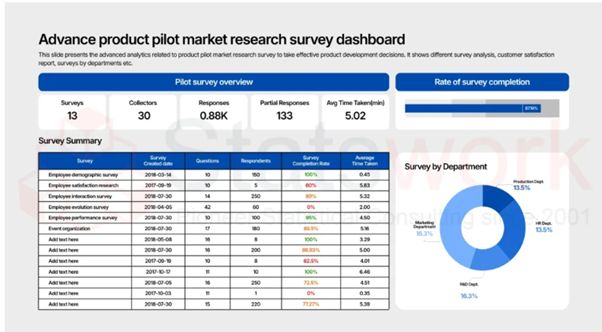
Tool development services
- Statistical Interpretation services
-
Statistical Interpretation services
- Sample Work
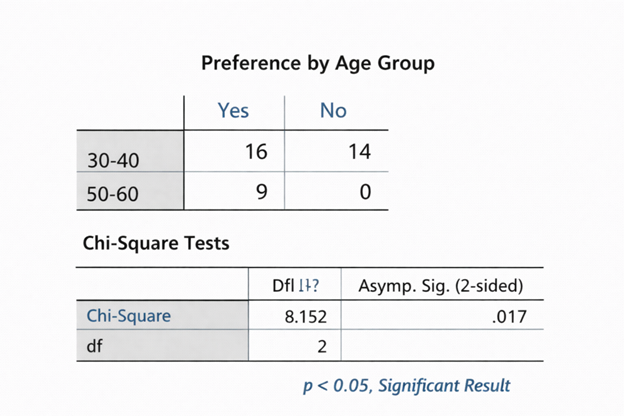
Statistical Interpretation services
-
- Sample Size Calculation Services
-
Sample Size Calculation Services
- Sample Work
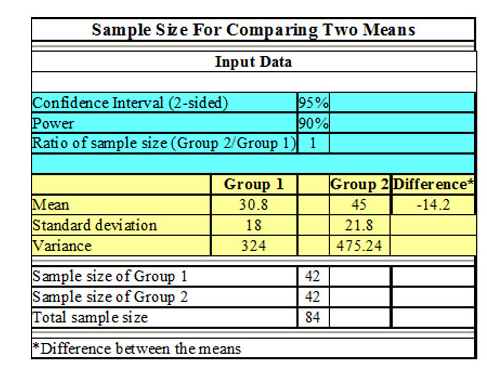
Sample Size Calculation Services
-
- AI & ML Services
-
Artificial Intelligence and Machine Learning Services
- Sample Work
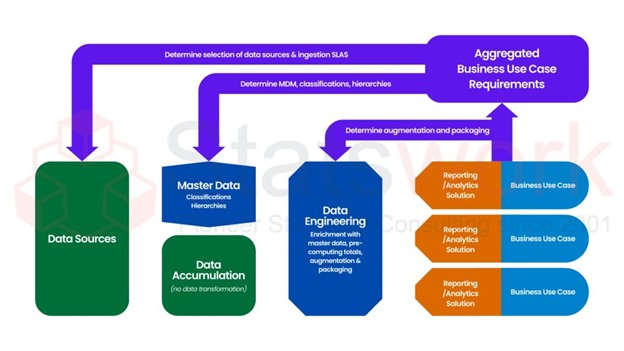
Artificial Intelligence and Machine Learning Services
-
- Meaningful Visualization Services
- Thought Leadership Services
- Report Generation Services
-
Report generation Service
- Sample Work
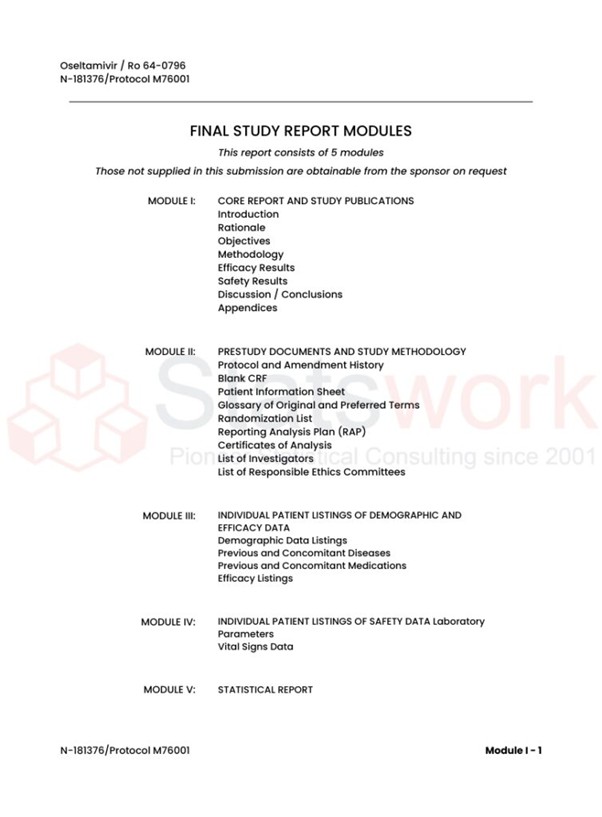
Report generation Services
-
- Data Analysis services
- Industries
- About Us
- Blog
- Insights
- Contact Us
- Services
- Data Analysis services
- Sample Work
Data Analysis services
- Secondary Qualitative Research Services
- Secondary Quantitative Research Services
- Meta-Analysis Research services
- Sample Work
Meta-Analysis Research Services
- Data Collection Services
- Sample Work
Data Collection Services
- Statistical & Biostatistics services
- Sample Work
Statistical Programming & Biostatistics services
- Data Management Services
- Sample Work
Data Management Services
- Research methodology services
- Sample Work
Research methodology services
- Tool Development Services
- Sample Work
Tool development services
- Statistical Interpretation services
-
Statistical Interpretation services
- Sample Work
Statistical Interpretation services
-
- Sample Size Calculation Services
-
Sample Size Calculation Services
- Sample Work
Sample Size Calculation Services
-
- AI & ML Services
-
Artificial Intelligence and Machine Learning Services
- Sample Work
Artificial Intelligence and Machine Learning Services
-
- Meaningful Visualization Services
- Thought Leadership Services
- Report Generation Services
-
Report generation Service
- Sample Work
Report generation Services
-
- Data Analysis services
- Industries
- About Us
- Blog
- Insights
- Contact Us
What are the different types of questionnaires involved in research? And explain how to select the type of questionnaires for the specific study.
Meta Analysis Service
Recommended Reads
Contact us
Summary:
Questionnaires are one of the commonly used research instruments for collecting information in a standardized manner using either open or close-ended questions. The form of the questionnaire has an impact on the quality of information collected as well as the validity of the research. Choice of the right form of the questionnaire will depend on the research goals, type of data, target group, and level of research.
What is a Questionnaire?
Questionnaire is a standardized research tool which involves a set of questions formulated to extract information from respondents. It is one of the most popular ways of collecting data for corporate marketing research as it allows gathering vast amounts of standardized data quickly and effectively irrespective of whether it is conducted face-to-face, via telephone, e-mail, or even mail [1].
There is a need to differentiate between questionnaire and survey, as the latter is the actual research method that includes a sampling procedure and questionnaire among others while the former is the instrument containing questions. Each survey involves a questionnaire but not each questionnaire is a part of a full-scale survey.
The improper development of a questionnaire leads to bias, low response rate and poor results when checking reliability and validity of the tool. The process of developing a good questionnaire – proper wording, sequence and pilot test – significantly influences the usability of data obtained. That is why many companies prefer entrusting the development of questionnaires to experts in this sphere [2].
Types of Questionnaires Used in Research
There are various formats of questionnaires in the field of research:
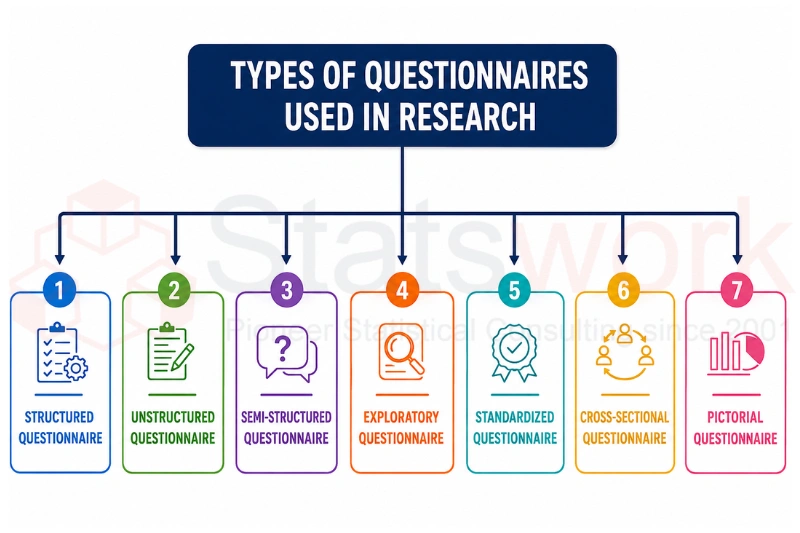
- Structured questionnaire – closed-ended questions with standard response choices; provides quantitative data which can be analyzed statistically
- Unstructured questionnaire – open-ended questions suitable for qualitative research; useful when a particular subject area is not well-defined
- Semi-structured questionnaire – consists of both closed-ended and open-ended questions; typical for interviews
- Exploratory questionnaire – qualitative, non-numerical information is gathered through this questionnaire; should be employed at the initial phase prior to making any hypothesis [3]
- Standardized questionnaire – standard wording of questions with uniform responses for all participants; suitable after formulating a hypothesis
- Cross-sectional questionnaire – gathers information from a sample at a particular period
- Pictorial questionnaire – images replace or supplement text; results in a high rate of responses from young or illiterate respondents
The most essential difference between these is the structured/unstructured questionnaire design; structured format is preferred in case of obtaining measurable responses, unstructured – on the contrary.
The table below summarizes how each type compares:
| Questionnaire Type | Type of Data | When Best Employed |
| Structured | Quantitative | When a hypothesis/model exists already |
| Unstructured | Qualitative | Early stage, when topic isn’t yet fully known |
| Semi-structured | Mixed | When doing interviews and mixed method study |
| Exploratory | Qualitative/non-numerical | When learning more about a topic and developing a hypothesis |
Closed-Ended vs Open-Ended Questions
The choice between closed and open-ended questions within a questionnaire determines the type of data gathered:
- The closed-ended questions allow respondents to give answers that can be categorized and are easy to analyze; thus, quantitative data will be obtained
- The open-ended questions allow respondents to provide answers in their own way, which gives more information but is harder to analyze [4]
This is when it is crucial to consider the difference between qualitative and quantitative data because closed-ended questions allow for statistical data analysis whereas open-ended questions allow for thematic analysis. The examples of closed-ended questions are:
- The dichotomous questions – two choices in answers (for example, yes/no)
- The multiple-choice questions – several choices in answers
- The Likert scale questions – measurement of degree of agreement or disagreement
- The semantic differential scale – measuring attitudes towards two opposites
- The rating scale questions – numerical measurement of something
All practical research instruments include both closed and open-ended questions such as the questionnaires developed through Statswork questionnaire development services.
How to Select the Right Type of Questionnaire for Your Study
Choosing an appropriate research instrument depends on the following considerations:
- Phase of research – exploratory and unstructured research instruments at early stages and structured questionnaire once hypothesis is formulated
- Type of data – closed ended and Likert Scale format for questionnaire if research objectives require quantitative data and open-ended format for qualitative objectives [5]
- Sampling and population – text-based, pictorial and scaled format depending on sampling approach and literacy levels within sampled population
- Test-retest and face validity – questionnaire test-retest reliability and face validity must be tested during pre-test phase before full-scale implementation
- Resources – questionnaire development or survey instrument development consulting service is often used by many business organizations when internal team does not have enough time or know-how to carry out questionnaire development process themselves
| Factor | Criteria | Advice on Approach |
| Stage of research | Exploration or Hypothesis testing | Initially use unstructured or exploratory; then move to structured and standardized after formulating your hypothesis |
| Type of data to gather | Quantitative vs Qualitative | For Quantitative – closed-ended with scales, while for Qualitative – open-ended |
| Sampling technique and target population | Level of literacy among the population and sampling size | Use one of the three formats depending on the criteria |
| Reliability and Validity | Issues of ambiguous wording and potential biases | Conduct pilot tests of questionnaire before implementation [4] |
| Resources | In-house resource constraints | Use questionnaire development services or survey instrument development services |
Conclusion
Questionnaires still form the bedrock of effective research studies, but the efficiency of questionnaires is entirely determined by good design. Recognizing the distinctions between structured and unstructured design, knowing how to strike the correct balance between closed and open questions, and ensuring that the research tool is validated through pilot testing will all have an impact on data accuracy and response rates. In corporate market research questionnaire design services offered by StatsWork, such issues can be minimized effectively.
Frequently asked question:
The main types of questionnaires in research are structured, unstructured, semi-structured, exploratory, standardized, cross-sectional, and pictorial questionnaires, each designed for different research objectives and data collection needs.
A questionnaire is a standardized research instrument consisting of a series of questions used to collect information, opinions, or experiences from respondents for qualitative or quantitative analysis.
The four common types of research questions are descriptive, comparative, correlational, and causal questions, each serving a different purpose in investigating a research problem.
The seven major types of research include basic research, applied research, quantitative research, qualitative research, mixed-methods research, exploratory research, and descriptive research.
Examples of research questions include: What factors influence customer satisfaction? How does social media affect purchasing behavior? What is the relationship between exercise and mental health? Does online learning improve academic performance? What challenges do small businesses face during digital transformation?
A questionnaire is a structured set of questions designed to gather consistent and reliable information from participants, helping researchers analyze data and answer specific research objectives.
References
- Iniguez-Carrillo, L. S. Gaytan-Lugo, M. A. Garcia-Ruiz and R. Maciel-Arellano, “Usability Questionnaires to Evaluate Voice User Interfaces,” in IEEE Latin America Transactions, vol. 19, no. 9, pp. 1468-1477, Sept. 2021, doi: 10.1109/TLA.2021.9468439. https://ieeexplore.ieee.org/document/9468439
- Yuhong, C. Di, H. Lei, W. Tianying, H. Miaomiao and J. Ling, “Assessment of Online Classes in Universities Based on Student Experience Questionnaire: Procedures, Methods and Comparison,” 2023 Twelfth International Conference of Educational Innovation through Technology (EITT), Fuzhou, China, 2023, pp. 89-94, doi: 10.1109/EITT61659.2023.00025. https://ieeexplore.ieee.org/document/10513408
- Sun, “Investigation on Network Survey Questionnaire Evaluation Based on Neural Network Algorithm,” 2023 IEEE 15th International Conference on Computational Intelligence and Communication Networks (CICN), Bangkok, Thailand, 2023, pp. 591-596, doi: 10.1109/CICN59264.2023.10402349. https://ieeexplore.ieee.org/document/10402349
- -U. Farhat-ul-Ain, V. Tomberg and H. P. da Silva, “Towards Adapting Questionnaires for Long-Term Online Dynamic Monitoring of Patients,” 2022 IEEE 30th International Requirements Engineering Conference Workshops (REW), Melbourne, Australia, 2022, pp. 30-37, doi: 10.1109/REW56159.2022.00015. https://ieeexplore.ieee.org/document/10402349
- Li and L. Zhu, “HeTong: A Voice Answering Enabled Multi-Language Questionnaire System Based on Spring Cloud,” 2021 IEEE International Conference on Artificial Intelligence and Computer Applications (ICAICA), Dalian, China, 2021, pp. 992-998, doi: 10.1109/ICAICA52286.2021.9498116. https://ieeexplore.ieee.org/document/9498116