







Enhancing Research Accuracy with Professional Tool Development Services
Our Research Tool Development Experts create surveys, interview guides, and questionnaires through Custom Research Tool Development Services, helping organizations generate accurate and actionable insights through advanced Tool Development Services.
Develop Reliable Research Tools for Accurate Data Collection
Research tool development entails designing a series of structured research tools such as surveys, questionnaires, interview guides, focus group discussion guides, and assessment scales among others. These research tools enable organizations to collect valid and meaningful research data.
Well-developed research tools are crucial in ensuring effective research. Effective research tools help organizations collect valid research data that meets the research objectives.
At Statswork, we help organizations develop custom research tools through the assistance of our research professionals. Our research professionals help organizations develop scientifically structured research tools that enable organizations to collect accurate research data.
Concept and Purpose of Research Tool Development
Research tool development focuses on creating structured tools for accurate data collection. It ensures reliable measurement of variables while reducing bias. These tools support better decision-making and credible research outcomes.
Introduction to Research Tool Development
Research tool development is a process that involves designing structured research tools to be used in collecting research data. These research tools are well crafted to ensure that the research variables are accurately measured and reliable data is obtained.
The research tool development process involves various steps:- Analysis of research requirements
- Designing research tools
- Reviewing and validating research tools
- Pilot testing research tools
- Conducting reliability and validity testing
- Evaluating and interpreting data
This structured research process ensures that organizations obtain reliable data from their research tools.

Purpose of Research Tool Development
Organizations use research tools in data collection, which in turn helps in decision-making, policy formulation, product development, and research. If research tools are not developed properly, they might result in biased data, inaccurate data, and incorrect conclusions.
Professional research tool development helps in:
- Reliable and valid data collection
- Measurement of research variables in an organized manner
- Reduction of bias in research tools like questionnaires and surveys
- Proper interpretation and understanding of respondents
- Credibility of research results
Statswork helps organizations in research tool development.

Statswork develops a wide range of qualitative and quantitative research instruments tailored to different research needs.
Our survey design services include
These tools allow organizations to collect accurate and measurable research data.
- Likert scale questionnaires
- Rating and ranking surveys
- Consumer perception surveys
- Market research questionnaires
One-to-One (In-Depth) Interviews
- Consumer experiences
- Customer feedback
- Behavioural patterns
- Expert opinions
Focus Group Discussion (FGD) Guides
- Consumer attitudes
- Market perception
- Behavioural trends
- Product testing insights
Observation and Behavioural Assessment Tools
- Observation checklists
- Process evaluation tools
- UX frameworks
Measurement Scales
- Likert Scale
- Semantic Differential
- Rating Scales
- Ranking Scales
Surveys and Questionnaires
- Customer satisfaction
- Market trends
- Employee engagement
Interview Guides
- In-depth interviews
- Semi-structured guides
- Expert interviews
Our Industries
Through Statswork, organizations can gain Data Driven Decision Making’s impact- by having access to Research & Development, Analytics & Tool Development across multiple Industries to drive business decisions.
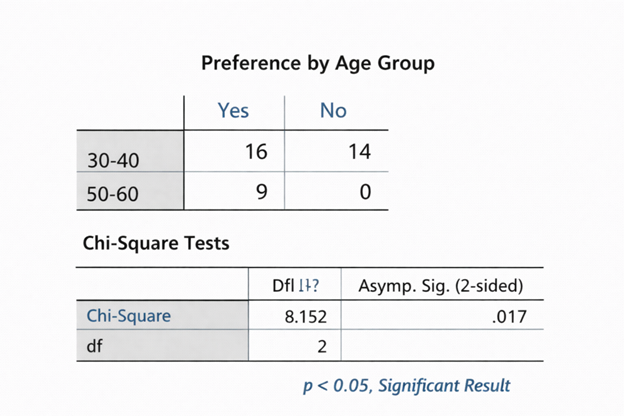
Accuracy and reliability in research tools can only be ensured if they undergo statistical validation. Statswork uses several methods in validating research tools so that they meet scientific standards.
Reliability Testing
The purpose of reliability testing is to ensure that the research instrument yields consistent outcomes over various measures.
Methods for reliability testing:
- Cronbach’s Alpha (Internal Consistency Testing)
- Split-Half Reliability
- Test-Retest Reliability
- Inter-Rater Reliability

Validity Testing
Validity testing is used to ensure that the research instrument measures up to its intended purpose.
The methods used are:
- Content Validity
- Face Validity
- Construct Validity
- Criterion Validity
These validation techniques help to increase the reliability and scientific accuracy of research instruments.

Cronbach’s Alpha
Cronbach’s Alpha is a measure for testing the internal consistency of survey scales, ensuring that a group of survey questions reliably measures a specific concept.
The methods used are:
- Item-Total Correlation
- Inter-Item Correlation
- Split-Half Reliability
- Standardized Cronbach’s Alpha

Statswork uses advanced statistical tools to develop and validate research instruments.
Contact Statswork today to build scientifically validated research instruments for your organization.
Contact UsThe technologies ensure that research instruments are scientifically validated and statistically reliable.

R / Python
- Statistical testing and reliability analysis
- Pattern recognition in research data
- Validation of research instruments

SPSS / SAS
- Advanced statistical modelling
- Scale reliability testing
- Survey data analysis

Factor Analysis
- Research constructs
- Accuracy in research measurement
- Validation of survey instruments

Statswork uses advanced statistical tools to develop and validate research instruments.
R / Python
- Statistical testing and reliability analysis
- Pattern recognition in research data
- Validation of research instruments
SPSS / SAS
- Advanced statistical modelling
- Scale reliability testing
- Survey data analysis
Factor Analysis
- Research constructs
- Accuracy in research measurement
- Validation of survey instruments

Our Research Tool Development Process
Statswork uses a structured and systematic approach in developing research instruments that are of high reliability. We use a combination of statistical rigor and domain expertise to ensure accuracy and consistency in our research. This ensures valid, dependable, and insightful research outcomes.
Research Tool Design
- Building of structured research tools in the form of surveys and questionnaires
- Building of research tools in the form of interviews and discussions
- Alignment of research tools with research objectives
Expert Review and Content Validation
- Review of research tools in terms of clarity and content
- Elimination of ambiguous and biased content
- Alignment of research tools with research methodology
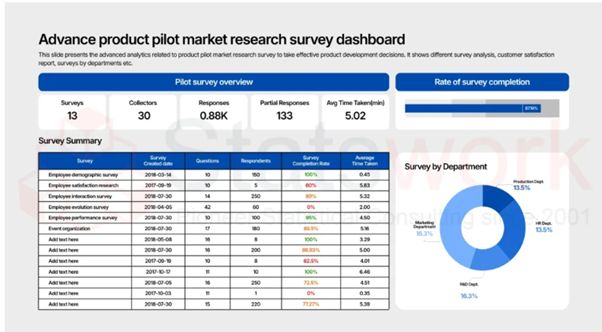
Pilot Testing
- Conducting pilot research surveys among target respondents
- Evaluation of research tools
- Optimization of research tools
Reliability and Validity Testing
- Statistical reliability testing
- Scale validation
- Improvement of measurement accuracy
Research Requirement Analysis
- Analysis of research objectives and problem statements
- Analysis of research variables and measurement indicators
- Building of data collection frameworks
Research Analytics and Insights
- Integration of analytical tools for research data analysis
- Interpretation of research findings
- Generation of research insights
Expected Outcomes of Research Tool Development
Organizations using professionally developed research tools have a number of advantages.
Expected Outcomes of Research Tool Development
Organizations using professionally developed research tools have a number of advantages.
The expected outcomes are:
- Accurate and systematic data gathering
- Accurate measurement of research variables
- Validated research tools suitable for academic research
- Enhanced research findings credibility
- Research findings useful in business decisions
These outcomes help organizations carry out research with confidence.
Benefits of Statswork’s Research Tool Development Services
Statswork helps businesses, researchers, and institutions develop research instruments that generate effective results.
The benefits include:
- Better accuracy in data collection
- Scientifically proven research instruments
- Systematically developed quantitative and qualitative research instruments
- More credible research
- Better decision-making through reliable research findings
Our research instruments are employed by businesses to gain insights into:
- Consumer perception and market behaviour
- Customer satisfaction and product feedback
- Employee engagement and culture
- Sensory perception
- Social and behavioural trends
Integrated Research Support from Statswork
Our related research services include:
- Data Collection Services
- Statistical Data Analysis
- Research Interpretation and Reporting
- Market Research Studies
By combining these services, we help organizations conduct complete research projects from tool design to final insights.
Industries Using Our Research Tool Development Services
Our research tools help organizations in various industries such as:
- Academic and University Research
- Healthcare and Public Health Research
- Market Research and Consulting
- Corporate and Enterprise Research
- Government and Policy Research
These industries need research tools to gather accurate data and produce useful research insights.
Why Choose Statswork for Research Tool Development
At Statswork, we offer end-to-end solutions in the design and validation of research tools. Our advantages are:
- Expertise in research methodologies
- Expert statistical validation techniques
- Customized research tool development
- Reliable and unbiased research instrument design
- End-to-end research support
Our research experts will ensure that the research tools are designed to deliver accurate and meaningful research outcomes.
Data Dictionary Mapping
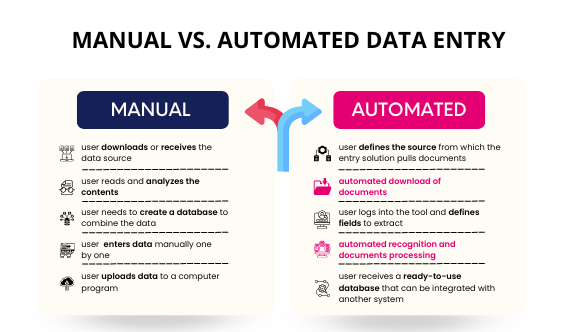
The Next Era of Data Entry
Reduces Errors and Boosts Efficiency
We provide end-to-end tool development solutions designed around your business goals, from planning and UI design to development, testing, and deployment. Our custom tools help automate workflows, improve efficiency, and simplify complex business processes.
Tool development is the process of creating custom software applications, dashboards, calculators, automation systems, or internal platforms to solve specific business challenges. It improves productivity, reduces manual effort, increases accuracy, and supports faster decision-making.
Yes, we deliver fully customized tools based on your operational needs, industry requirements, and long-term objectives. Our scalable solutions integrate smoothly with your existing systems and can evolve as your business grows.
We develop a wide range of tools including data management platforms, reporting dashboards, workflow automation tools, CRM solutions, research tools, analytics platforms, and customer self-service portals. We also create web-based and cloud-enabled applications.
We follow strong security practices including encrypted systems, secure hosting environments, controlled user access, and regular testing. All tool development projects are handled with strict confidentiality and aligned with relevant compliance standards.
We use modern technologies such as web and mobile frameworks, cloud platforms, APIs, database systems, and automation tools. Our development approach includes agile methodology, user-focused design, quality assurance testing, and continuous performance optimization.