
- Services
- Data Analysis services
- Sample Work
Data Analysis services
- Secondary Qualitative Research Services
- Secondary Quantitative Research Services
- Meta-Analysis Research services
- Sample Work
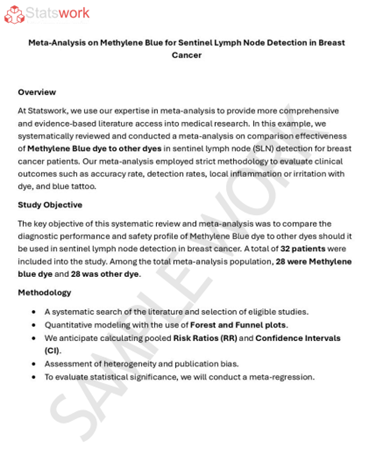
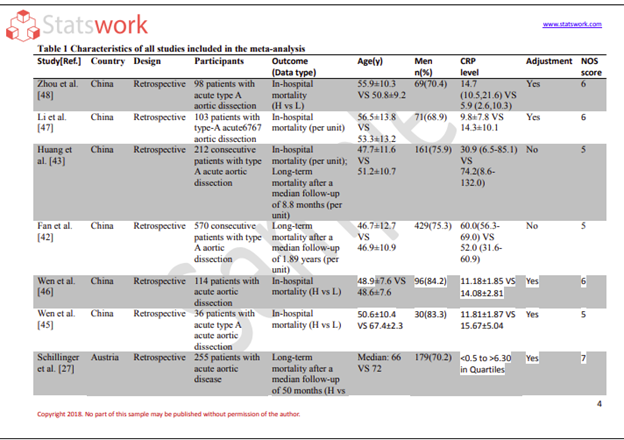
Meta-Analysis Research Services
- Data Collection Services
- Sample Work
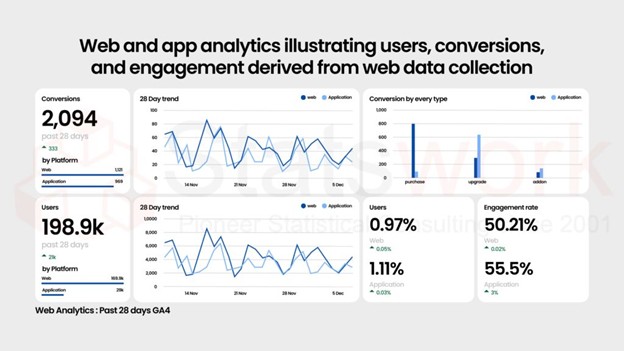
Data Collection Services
- Statistical & Biostatistics services
- Sample Work
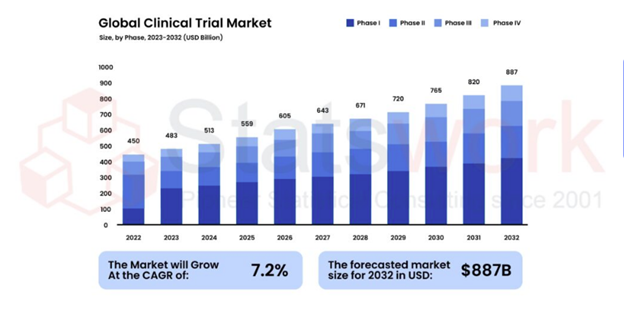
Statistical Programming & Biostatistics services
- Data Management Services
- Sample Work
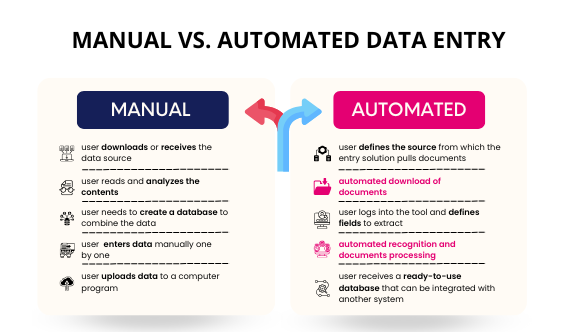
Data Management Services
- Research methodology services
- Sample Work
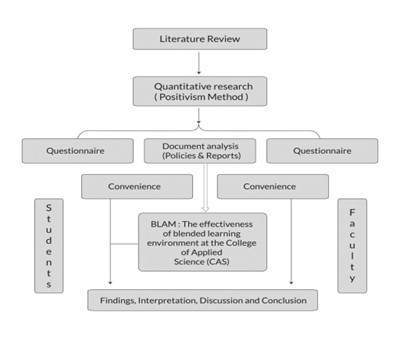
Research methodology services
- Tool Development Services
- Sample Work
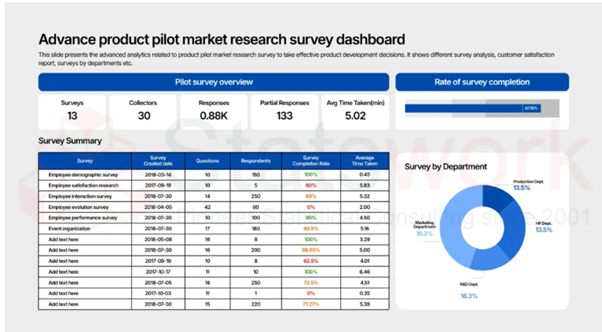
Tool development services
- Statistical Interpretation services
-
Statistical Interpretation services
- Sample Work
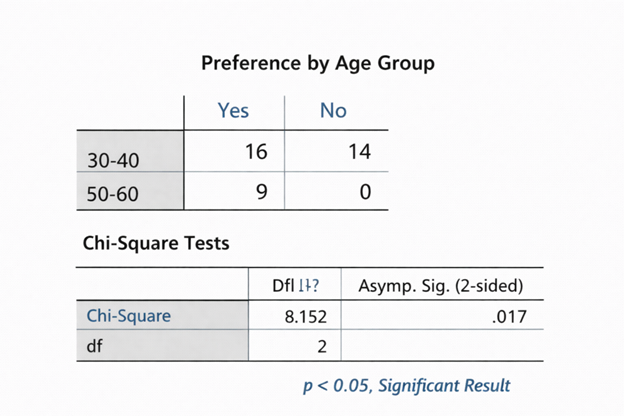
Statistical Interpretation services
-
- Sample Size Calculation Services
-
Sample Size Calculation Services
- Sample Work
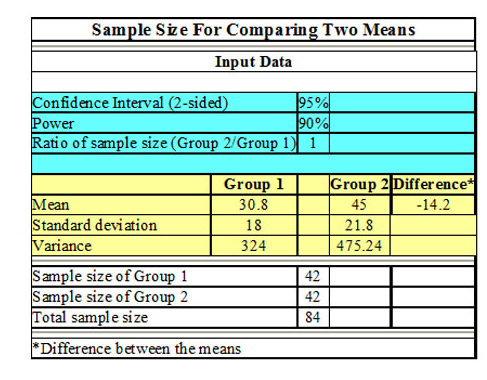
Sample Size Calculation Services
-
- AI & ML Services
-
Artificial Intelligence and Machine Learning Services
- Sample Work
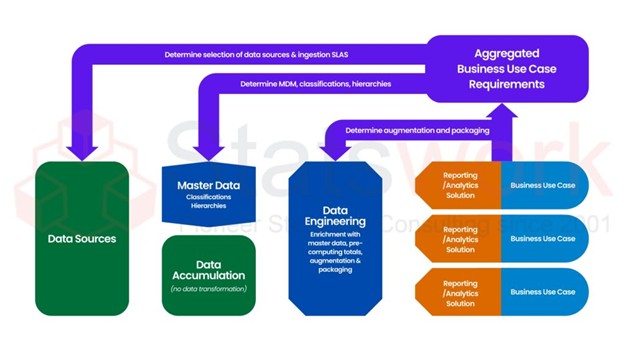
Artificial Intelligence and Machine Learning Services
-
- Meaningful Visualization Services
- Thought Leadership Services
- Report Generation Services
-
Report generation Service
- Sample Work
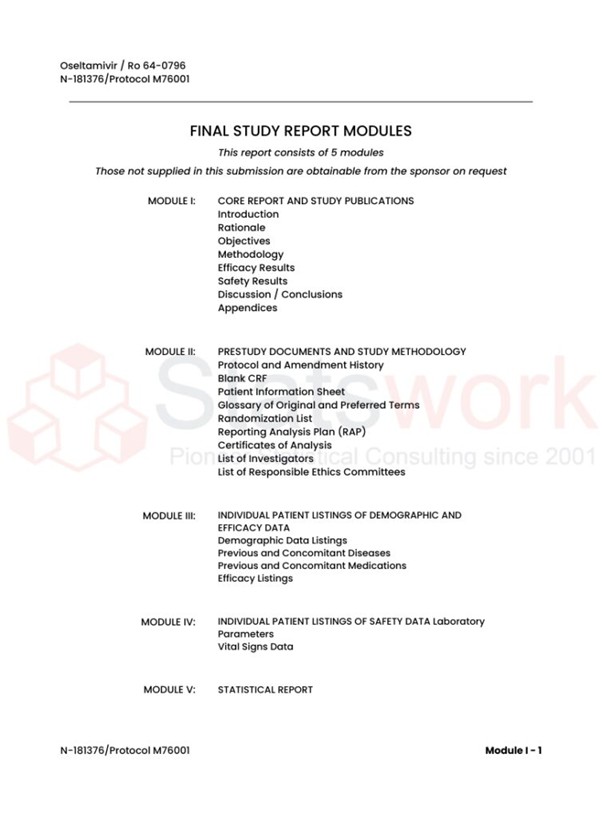
Report generation Services
-
- Data Analysis services
- Industries
- About Us
- Blog
- Insights
- Contact Us
- Services
- Data Analysis services
- Sample Work
Data Analysis services
- Secondary Qualitative Research Services
- Secondary Quantitative Research Services
- Meta-Analysis Research services
- Sample Work
Meta-Analysis Research Services
- Data Collection Services
- Sample Work
Data Collection Services
- Statistical & Biostatistics services
- Sample Work
Statistical Programming & Biostatistics services
- Data Management Services
- Sample Work
Data Management Services
- Research methodology services
- Sample Work
Research methodology services
- Tool Development Services
- Sample Work
Tool development services
- Statistical Interpretation services
-
Statistical Interpretation services
- Sample Work
Statistical Interpretation services
-
- Sample Size Calculation Services
-
Sample Size Calculation Services
- Sample Work
Sample Size Calculation Services
-
- AI & ML Services
-
Artificial Intelligence and Machine Learning Services
- Sample Work
Artificial Intelligence and Machine Learning Services
-
- Meaningful Visualization Services
- Thought Leadership Services
- Report Generation Services
-
Report generation Service
- Sample Work
Report generation Services
-
- Data Analysis services
- Industries
- About Us
- Blog
- Insights
- Contact Us
Medical Insights: Predictive Analytics in Healthcare UAE
- Home
- Blog
- Medical Insights: Predictive Analytics in Healthcare UAE
Meta Analysis Service
- The Growing Importance of Predictive Analytics in UAE Healthcare
- Understanding Healthcare Analytics Solutions in the UAE
- Predictive Analytics vs Traditional Healthcare Reporting
- AI-Powered Clinical Decision Support and Smarter Care Delivery
- Population Health Management and Preventive Healthcare Strategies
- Risk Stratification and Resource Planning
- Healthcare Data Analytics in UAE
- Real-World Applications of Predictive Analytics
- Business Value of Predictive Analytics
- Digital Health Transformation and Future Outlook
- Governance and Compliance
- Conclusion
Recommended Reads
Contact us
Summary:
The introduction of Predictive Analytics in Healthcare UAE marks the dawn of a new era in the healthcare industry because it gives the healthcare facilities the capability to predict risks associated with their patients, assist in clinical decisions, and help in healthcare process optimization. With the use of predictive analytics, machine learning, and artificial intelligence, health care facilities in UAE will deliver the best healthcare results at reduced costs.
The healthcare industry in the UAE is developing fast owing to the adoption of artificial intelligence, big data analytics, and data-based decisions by healthcare institutions. Predictive Analytics in Healthcare UAE technology is among those technologies that have brought about this development due to its usefulness in achieving better results for patients and operational effectiveness [1].
Healthcare providers are now adopting Healthcare analytics solutions UAE to turn massive amounts of information from healthcare into useful insights that can help them achieve the goals of personalization and efficiency in operations within the healthcare industry. Predictive analytics helps in identifying potential problems that may arise in the future, hence ensuring proactive healthcare.
The Growing Importance of Predictive Analytics in UAE Healthcare
A healthcare organization has access to enormous volumes of data daily because of various sources including Electronic Health Records (EHR), laboratory software, patient monitoring devices, imaging tools, and administration software. Although traditional analytics are useful in explaining past events, predictive analytics will seek to establish future trends and results.
By means of complex algorithms and machine learning in healthcare, predictive analytics can be used to establish patterns that would signal future health problems or challenges related to diagnosis and treatment. Predictive analytics help healthcare organizations shift from being reactive in their approach to healthcare towards being proactive [2].
As the healthcare sector remains focused on improving quality and efficiency, predictive analytics prove to be important for patient outcomes improvement, avoiding unnecessary hospitalization, and cost-cutting in healthcare UAE.
Understanding Healthcare Analytics Solutions in the UAE
Modern solutions for healthcare analytics solutions UAE involve healthcare data, mathematical statistics, artificial intelligence, and predictive analytics algorithms to help make informed decisions.
Such solutions assist organizations to:
- Predict the outcomes of patients’ treatments
- Conduct healthcare planning
- Optimize resource allocation
- Avoid operational inefficiency
- Increase patient engagement
- Increase effectiveness of treatment provided
With Real-time health data insights generated, decision-making becomes faster and more accurate, which allows both operational and clinical performance [3].
The rising popularity of healthcare data analytics services UAE is due to the growing need for using data in healthcare operations.
Predictive Analytics vs Traditional Healthcare Reporting
Healthcare organizations have utilized retrospective reporting for performance assessment purposes. Although retrospective reports are useful, they offer details about past happenings.
Predictive analytics offers a look into the future by allowing healthcare organizations to forecast future events.
| Aspect | Traditional Reporting | Predictive Analytics |
| Orientation | Historic Performance | Prospective Results |
| Approach | Reactive | Proactive |
| Resource Planning | Historic Trends | Prospective Forecasts |
| Patient Focus | Treatment-Based | Preventive |
| Clinical Insights | Historic Events | Prospective Risks |
| Efficiency | Static Reporting | Dynamic Recommendations |
This shift allows healthcare providers to identify risks earlier and implement interventions before challenges become critical [4].
AI-Powered Clinical Decision Support and Smarter Care Delivery
One of the major uses of AI-powered clinical decision support UAE is the use of technology to help health workers make better decisions about the treatment of patients.
Predictive tools are used to scan patient history, laboratory tests, medicines, diagnostic tests, and other aspects of treatment to look for possible patterns that might be overlooked otherwise.
Using AI-based technologies, health practitioners can:
- Diagnosed conditions early
- Diagnosing diseases correctly
- Customize treatment regimens
- Limit clinical errors
- Enhance patient safety
AI-based diagnostics provide additional benefits through early intervention in the treatment process and improvement in disease management approaches [4].
Population Health Management and Preventive Healthcare Strategies
Population health management is one of the emerging areas that many healthcare institutions are emphasizing when it comes to enhancing health outcomes within large populations.
As opposed to patient-centered care which focuses only on individual patients, Population health management UAE hospitals look at wider health perspectives and offers early intervention chances. With predictive analytics, it becomes easier for healthcare providers to discover the at-risk population groups and apply appropriate healthcare measures.
Supporting Chronic Disease Management
More patients suffering from chronic diseases mean that there is more emphasis on proactively managing their condition. This is where predictive analytics can make all the difference in Chronic disease management UAE, through the following ways:
- Discovering at-risk patients
- Trying to understand the progress of the disease
- Making predictions about possible future complications
- Eliciting patient adherence to treatment plans
- Personalized care planning
All these benefits translate into enhanced Preventive healthcare UAE measures [5].
Risk Stratification and Resource Planning
Risk stratification models can help healthcare providers in allocating resources efficiently by enabling them to stratify their patients based on risk. This helps allocate resources efficiently and ensures the maintenance of high-quality healthcare services.
Healthcare Data Analytics in UAE
Demand for Healthcare Data Analytics Dubai Abu Dhabi services has been on the rise due to the rising desire among healthcare providers to adopt data analysis in improving the efficiency and effectiveness of operations as well as enhancing patient experiences. This can be achieved through medical data analytics (tahlilat albayanat) in UAE.
Real-World Applications of Predictive Analytics
Predictive analytics is revolutionizing hospital operations by means of various practical applications like:
- Hospital readmissions prediction
- Emergency department prediction
- Capacity planning
- Disease risk assessment
- Optimizing resource utilization
This will enable hospitals to increase their efficiency in meeting rising demands in healthcare services [3].
Business Value of Predictive Analytics
Healthcare leaders are beginning to see the value of predictive analytics as a strategic investment.
| Performance Area | Benefit |
| Patient Outcomes | Early Intervention |
| Hospital Readmissions | Lower Avoidable Admissions |
| Resource Utilization | Efficiency |
| Workforce Planning | Better Staffing |
| Cost Management | Lower Costs |
Organizations that adopt the concept of Hospital performance analytics (tahlilat ‘ada’ almustashfayat) for initiatives in the UAE can experience positive changes in operational and clinical performance.
Digital Health Transformation and Future Outlook
With the ongoing investment in solutions for Digital health transformation solutions UAE, Predictive analytics is set to become an integral part of today’s healthcare services.
Future developments will be directed towards personalized treatments, precision medicine, automating processes of healthcare delivery, and AI applications among others. Equally, development in Hospital analytics solutions UAE will continue to generate new levels of insights.
Governance and Compliance
The healthcare companies using predictive analytics must be able to maintain high levels of governance, as well as comply with regulations, like the UAE Data Protection Law and ADHICS compliance.
The implementation process is made much easier by organizations working with companies that provide Healthcare data analytics consulting services UAE.
Conclusion
Predictive Analytics in Healthcare UAE is revolutionizing the delivery of healthcare services through intelligent and efficient decision-making on the part of the providers. Using sophisticated solutions in healthcare analytics solutions UAE, healthcare organizations can detect potential threats in advance, improve health outcomes, better manage their resources, and improve performance [5].
With increasing innovations in healthcare services delivery, the significance of predictive analytics in the process of delivering healthcare services in a sustainable manner will only continue to grow.
At Statswork, we assist various institutions in the healthcare industry such as hospitals, healthcare organizations, research organizations, and consultancy firms to derive valuable insights from the available data using advanced techniques in healthcare analytics such as machine learning and evidence-based decision-making.
Frequently Asked Questions (FAQs)
What is an example of predictive analytics in healthcare?
Hospital readmission prediction is a common example of predictive analytics in healthcare. By analyzing patient records and treatment history, healthcare providers can identify patients at risk of returning to the hospital. This enables early intervention and improves patient outcomes.
What are the 4 types of analytics?
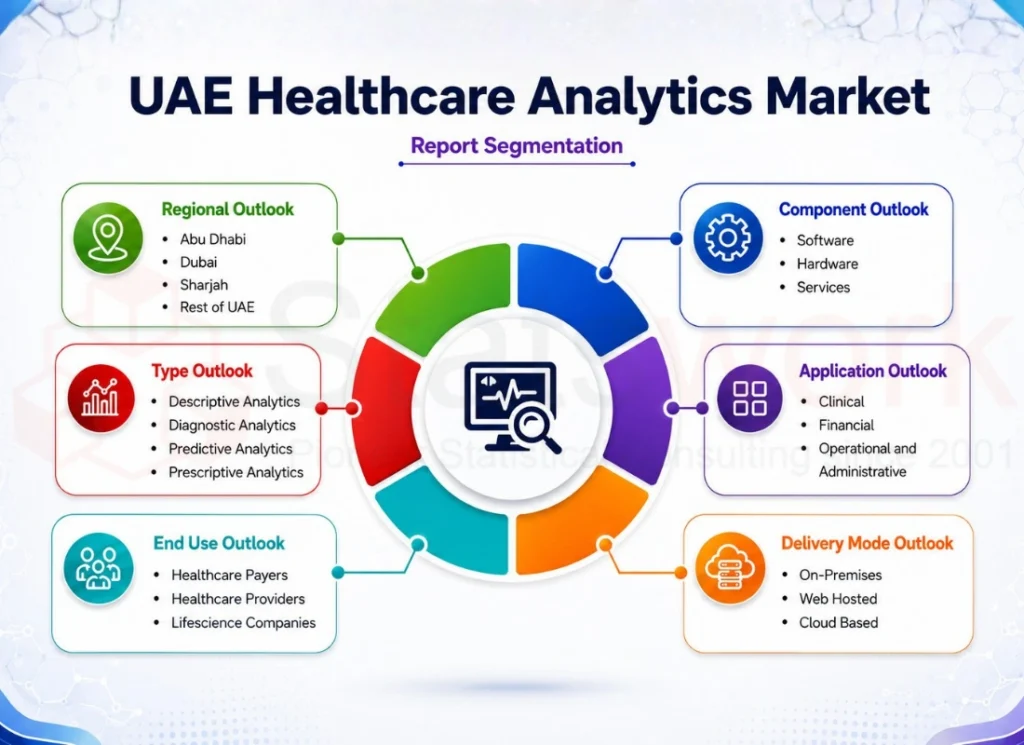
The four types of analytics are descriptive, diagnostic, predictive, and prescriptive analytics. Descriptive analytics explain what happened, while diagnostic analytics identifies why it happened. Predictive and prescriptive analytics help forecast future outcomes and recommend actions.
How is SAS used in healthcare?
SAS is used in healthcare for statistical analysis, predictive modeling, clinical research, and healthcare reporting. It helps organizations analyze large healthcare datasets and identify meaningful trends. Healthcare providers use SAS to support evidence-based decision-making and improve operational efficiency.
What are 5 examples of predictive analytics?
Examples include hospital readmission prediction, disease risk assessment, emergency department forecasting, chronic disease management, and workforce planning. These applications help healthcare providers improve patient care and resource utilization. Predictive analytics also supports proactive healthcare delivery.
What are the 4 V’s of analytics?
The four V’s of analytics are Volume, Velocity, Variety, and Veracity. These represent the amount, speed, diversity, and quality of data being analyzed. Understanding these factors helps organizations manage and utilize healthcare data effectively.
What is a real-life example of predictive analytics?
A real-life example is predicting the likelihood of patients developing chronic diseases such as diabetes or cardiovascular conditions. Healthcare providers analyze patient demographics, lifestyle patterns, and medical history to assess future health risks. This supports preventive care and early intervention strategies.
References:
- Alzaabi, O., Al Mahri, K., El Khatib, M., & Alkindi, N. (2023). How big data analytics supports project manager in project risk management–cases from UAE health sector. International Journal of Business Analytics and Security (IJBAS), 3(1), 11-26. https://www.journals.gaftim.com/index.php/ijbas/article/view/201
- Khadragy, S., Elshaeer, M., Mouzaek, T., Shammass, D., Shwedeh, F., Aburayya, A., … & Aljasmi, S. (2022). Predicting diabetes in United Arab Emirates healthcare: artificial intelligence and data mining case study. South East. Eur. J. Public Heal, 5. https://www.researchgate.net/profile/Ahmad-Aburayya/publication/372419742_Predicting_Diabetes_in_United_Arab_Emirates_Healthcare_Artificial_Intelligence_and_Data_Mining_Case_Study/links/
- Alhajaj, K. E., & Moonesar, I. A. (2023). The power of big data mining to improve the health care system in the United Arab Emirates. Journal of Big Data, 10(1), 12. https://link.springer.com/article/10.1186/s40537-022-00681-5
- AlSerkal, Y. M., Ibrahim, N. M., Alsereidi, A. S., Ibrahim, M., Kurakula, S., Naqvi, S. A., … & Oottumadathil, N. P. (2025). Real-time analytics and AI for managing No-Show appointments in primary health care in the United Arab Emirates: before-and-after study. JMIR Formative Research, 9, e64936.https://formative.jmir.org/2025/1/e64936
- Alzaabi, H. M., Alawadhi, M. A., & Ahmad, S. Z. (2023). Examining the impact of cultural values on the adoption of big data analytics in healthcare organizations. Digital Policy, Regulation and Governance, 25(5), 460-479.https://www.emerald.com/dprg/article-abstract/25/5/460/38958/Examining-the-impact-of-cultural-values-on-the?redirectedFrom=fulltext